Managing Bolt Grades and Torque: Avoiding Structural Slip on Site
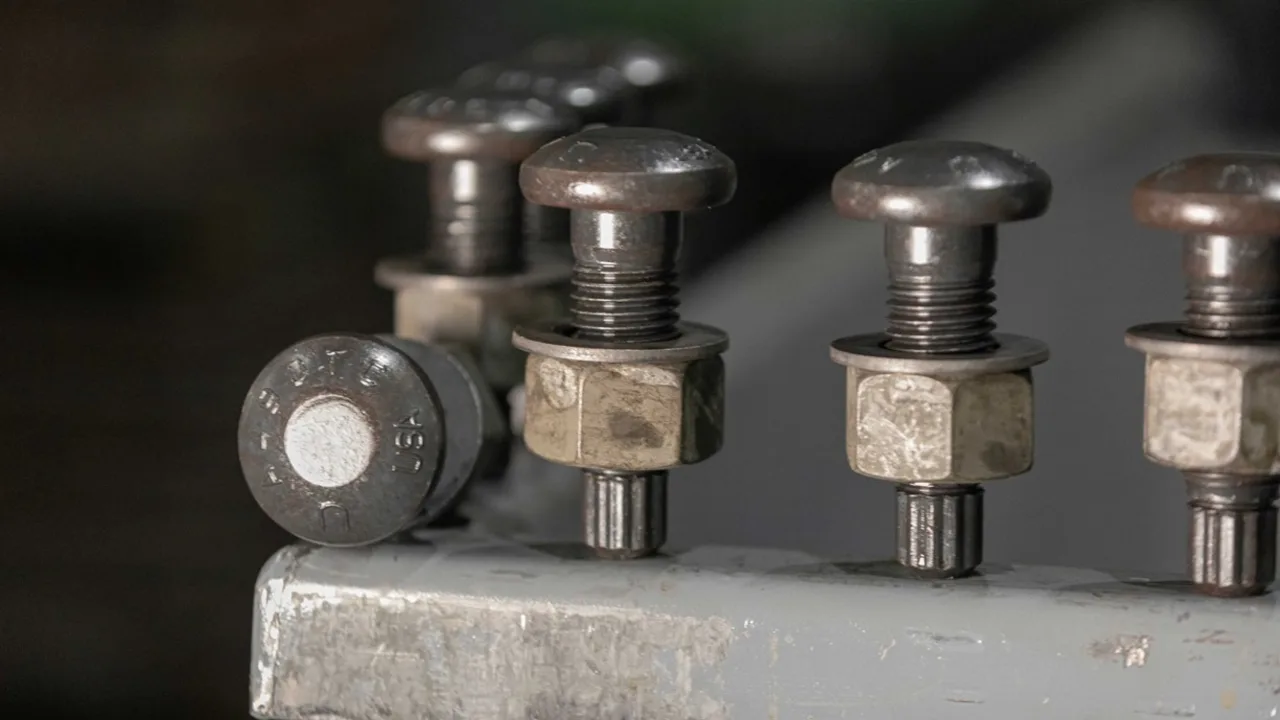
In structural steel construction, connections are everything. Beams, columns, braces, and plates may be designed with precision, but their performance ultimately depends on how securely they are joined. Among all connection components, bolts play a critical role. When incorrectly selected or improperly tightened, they can lead to joint movement, fatigue damage, or even structural slip. Understanding steel bolt grade selection and torque control is therefore not a minor technical detail—it is a core element of structural integrity.
On busy job sites, installation crews often focus on speed and alignment, but insufficient preload or mismatched bolt grades can quietly undermine an otherwise well-designed structure. Managing bolt grade, torque application, and inspection records systematically helps prevent slip-critical failures and ensures that structural assemblies perform as intended over their service life.
Understanding Steel Bolt Grade in Structural Applications
The term steel bolt grade refers to the classification that defines a bolt’s mechanical properties, including tensile strength and yield strength. These grades determine how much load a bolt can safely withstand before deforming or failing. In structural applications, selecting the correct steel bolt grade is essential to ensure the joint resists shear forces, tension, and dynamic loads.
Metric bolt grades commonly used in structural steel include:
- Grade 4.6 – Lower strength, typically used in light-duty applications.
- Grade 8.8 – Medium to high strength, widely used in structural frames.
- Grade 10.9 – High strength, suitable for heavy structural and load-bearing connections.
In imperial systems, structural bolts are often classified under ASTM standards such as A325 and A490. These correspond to high-strength bolts used in critical steel structures. The numbers in a metric steel bolt grade indicate tensile strength and yield ratio. For example, grade 8.8 means a nominal tensile strength of 800 MPa and a yield strength of 0.8 × 800 = 640 MPa.
Choosing the wrong steel bolt grade can result in underperformance or excessive brittleness. A lower grade bolt in a high-load joint may stretch or loosen, while an unnecessarily high grade bolt may introduce installation challenges and increased cost without proportional benefit. Proper engineering design ensures the steel bolt grade matches the structural demand and connection type.
High-Strength Bolts in Slip-Critical Connections
Slip-critical connections rely on friction between steel plates rather than direct shear resistance of the bolt body. In such applications, high-strength bolts are tightened to create significant clamping force (preload). This clamping force generates friction between contact surfaces, preventing movement under service loads.
In contrast, bearing-type connections allow limited movement until the bolt shank contacts the hole edge. While bearing connections are common in secondary structures, slip-critical joints are often required in bridges, crane supports, high-rise buildings, and vibration-sensitive installations.
In slip-critical design, the selected steel bolt grade must provide sufficient tensile capacity to maintain preload without yielding. High-strength bolts such as grade 8.8 or 10.9 are typically specified for this reason. When properly tensioned, these bolts create enough frictional resistance to prevent micro-movements that can lead to fatigue cracking over time.
Surface preparation also plays a key role. The coefficient of friction between steel surfaces influences how much preload is required. Contaminants such as oil, rust scale, or paint overspray can reduce friction and compromise slip resistance—even if the correct steel bolt grade is installed.
The Science Behind Torque and Preload
Torque is the rotational force applied to tighten a bolt. When torque is applied, it creates tensile force (preload) in the bolt shaft. This preload clamps connected members together. The relationship between torque and tension is influenced by friction in the threads and under the bolt head.
In simplified form, torque (T) relates to preload (F) as follows:
T = K × F × d
Where:
- T = applied torque
- K = torque coefficient (friction factor)
- F = preload force
- d = nominal bolt diameter
The torque coefficient (K) varies depending on lubrication, surface finish, and thread condition. This means that two bolts of identical steel bolt grade tightened to the same torque value may not produce identical preload if surface conditions differ. That is why torque control requires both calibrated tools and standardized procedures.
Environmental factors also matter. Temperature changes can slightly affect bolt tension, and improper storage may alter surface conditions. In critical structural assemblies, preload consistency ensures the connection remains stable under dynamic loading conditions.
Torque Method: Standard Practice and Its Limitations
The torque method is the most widely used tightening procedure on construction sites. It involves applying a specified torque value using a calibrated torque wrench. The process typically includes:
- Initial snug tightening to seat the connection.
- Final torque application to reach the required preload.
- Marking bolts to indicate completion and inspection.
While practical and cost-effective, the torque method has limitations. Because torque depends heavily on friction conditions, variations in lubrication or surface cleanliness can lead to inconsistent preload. Over-torqueing may cause bolt yielding, while under-torqueing increases the risk of structural slip.
Alternative methods such as turn-of-nut procedures or direct tension indicators (DTIs) can provide more consistent preload in critical applications. However, these methods may require additional training and monitoring. For many standard structural jobs, the torque method remains acceptable—provided it is supported by a reliable torque guide and proper inspection records.
Using a Practical Torque Guide on Site
A torque guide provides recommended torque values based on bolt diameter and steel bolt grade. These values are calculated to achieve the desired preload without exceeding the bolt’s elastic limit. Site supervisors and engineers rely on torque guides to ensure consistency across crews and shifts.
For example:
- M20 bolt, grade 8.8 → approximate torque requirement: 430–450 Nm
- M20 bolt, grade 10.9 → approximate torque requirement: 600–650 Nm
The higher torque requirement for grade 10.9 reflects its higher tensile strength and allowable preload. Applying a torque value intended for grade 8.8 to a grade 10.9 bolt would result in insufficient clamping force, increasing the risk of joint movement.
Conversely, applying grade 10.9 torque values to grade 8.8 bolts could cause overstressing. Therefore, identifying and verifying the correct steel bolt grade before installation is essential. Clear labeling, batch segregation, and documentation prevent mix-ups on site.
When combined with calibrated tools and trained personnel, a well-followed torque guide significantly reduces variability and improves overall connection reliability.
Inspection Records and Quality Documentation
Even when the correct steel bolt grade is selected and torque values are applied according to a torque guide, documentation remains essential. Proper inspection records provide traceability, accountability, and long-term protection for both contractors and clients. In structural steel projects, documentation is not paperwork for its own sake—it is a safeguard against disputes, failures, and liability risks.
Inspection records typically include:
- Bolt diameter and steel bolt grade used in each connection.
- Batch or lot number of high-strength bolts.
- Specified torque value according to the torque guide.
- Actual torque applied during installation.
- Date of tightening and inspector verification signature.
- Calibration certificate reference for torque tools.
Maintaining these inspection records ensures that, if questions arise later about connection integrity, the project team can demonstrate compliance with specified standards. In large infrastructure or industrial projects, quality audits frequently review these records as part of overall structural verification.
Inspection records also help detect patterns. If repeated under-torque readings appear in specific zones, supervisors can immediately investigate tool calibration or crew training issues before structural slip becomes a risk.
Common On-Site Errors Leading to Structural Slip
Despite clear specifications, structural slip often originates from small procedural mistakes. Managing steel bolt grade and torque properly requires attention to detail at every step of installation. Some of the most common on-site errors include:
- Mixing bolt grades: Using grade 8.8 bolts where grade 10.9 is specified, or vice versa.
- Improper torque wrench calibration: Tools not checked regularly can apply incorrect preload.
- Reusing high-strength bolts: Certain high-strength bolts are designed for single use only.
- Contaminated contact surfaces: Oil, rust, or debris reduces friction in slip-critical joints.
- Ignoring torque sequence: Uneven tightening can distort plates and reduce effective clamping force.
Consider a hypothetical example: a crane runway beam connection uses high-strength bolts specified as grade 10.9. During installation, a portion of bolts from a grade 8.8 batch is mistakenly installed. Even if tightened according to a torque guide, these bolts cannot achieve the intended preload. Under cyclic crane loading, micro-movements begin, gradually elongating holes and creating fatigue cracks. The root cause is not structural steel failure—but incorrect steel bolt grade control.
Preventing Slip in Modern Steel Construction
Preventing structural slip requires a systematic approach that combines proper steel bolt grade selection, torque method consistency, and strict inspection records. Best practices on site include:
- Segregating bolts by grade with clear labeling.
- Storing high-strength bolts in dry, controlled environments.
- Cleaning faying surfaces before installation in slip-critical connections.
- Calibrating torque tools daily or according to project specifications.
- Applying torque in a controlled, symmetrical sequence.
Training also plays a decisive role. Installers must understand why steel bolt grade matters, not just how to apply torque. When crews recognize that preload directly prevents slip, compliance improves naturally.
Modern construction projects increasingly integrate bolt management into broader quality control systems. Digital inspection logs and barcode tracking for bolt batches help maintain consistency across large sites. These systems reinforce accountability while improving efficiency.
International Standards and Guidelines
Structural bolting practices are governed by international standards to ensure consistent performance. Organizations such as the ASTM International provide specifications for mechanical properties, testing, and installation requirements for structural bolts. These standards define acceptable tolerances for tensile strength, hardness, and preload procedures.
European and ISO standards similarly regulate bolt classifications and tightening requirements. Compliance with these standards ensures that steel bolt grade selection and torque methods align with globally recognized safety criteria.
Understanding these frameworks helps engineers choose the correct steel bolt grade and implement a torque guide that satisfies both local regulations and international best practice. Standards do not replace engineering judgment, but they provide a reliable baseline for safe and durable connections.
From Torque Method to Structural Integrity
At first glance, bolt tightening might seem routine. However, in structural steel construction, the relationship between steel bolt grade, torque method application, and inspection records directly determines whether a joint performs as designed. Proper preload transforms individual steel components into a unified structural system capable of resisting dynamic loads, vibration, and environmental stress.
The torque method remains the most practical installation technique on many job sites, but it must be supported by an accurate torque guide, tool calibration, and strict documentation. When high-strength bolts are selected appropriately and tightened correctly, slip-critical connections maintain their frictional resistance throughout the structure’s lifespan.
Ultimately, preventing structural slip is not about adding complexity—it is about maintaining discipline. Selecting the right steel bolt grade, applying torque consistently, and preserving inspection records create a transparent and reliable installation process. In demanding industrial and infrastructure projects, that discipline is what separates durable structures from costly failures.
By treating bolt management as a core engineering responsibility rather than a routine task, project teams safeguard structural performance and long-term safety. In steel construction, every connection counts—and every correctly managed steel bolt grade contributes to structural integrity.