Pre-Assembly on the Ground: A Simple Way to Reduce Working-at-Height Risk

Steel erection remains one of the most hazardous phases in construction and industrial projects. Working several meters above ground while aligning heavy structural members exposes crews to fall hazards, dropped objects, unstable positioning, and weather-related risks. Despite improvements in personal protective equipment and access systems, the inherent danger of height-based assembly remains significant.
This is where pre assembly steel erection offers a practical and highly effective alternative. By assembling structural components at ground level before lifting them into position, project teams reduce exposure to working-at-height risk while achieving measurable productivity gains. With proper safety planning and a well-defined lifting strategy, pre-assembly transforms erection from a high-risk activity into a controlled operation.
The Hidden Risk in Steel Erection
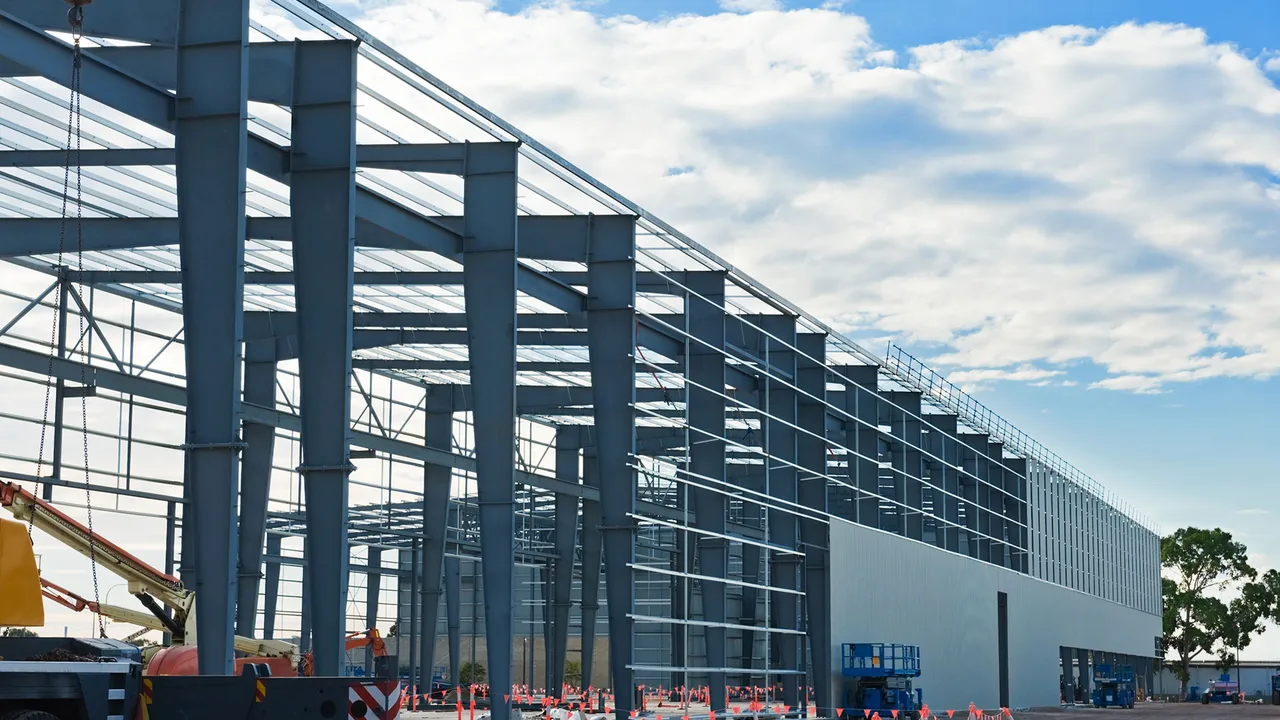
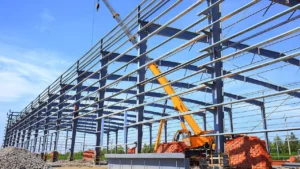
Traditional steel erection often follows a stick-by-stick method: columns are installed, followed by beams, followed by secondary members—all connected at height. Workers operate from scaffolding, man lifts, or temporary platforms. Each bolt tightened in the air increases exposure time.
Common risk factors include:
- Falls from height
- Dropped tools or unsecured materials
- Unstable partially connected frames
- Weather exposure (wind, rain, heat)
- Limited maneuvering space
Even with strong safety planning, extended time at elevation increases cumulative risk. Reducing exposure time is often more effective than adding additional protective layers.
Structured pre assembly steel erection directly addresses this issue by shifting connection work from height to ground level.
What Is Pre Assembly Steel Erection?
Pre assembly steel erection refers to assembling structural components—such as portal frames, trusses, pipe racks, or modular sections—on the ground before lifting them into their final position.
Instead of connecting beams individually at elevation, crews pre-connect sub-assemblies at ground level where access is safer and more stable.
The key differences between traditional and pre-assembly approaches include:
- Traditional method: Individual components lifted and connected in the air.
- Pre-assembly method: Components assembled into modules on the ground, then lifted as a unit.
This shift changes both safety dynamics and workflow efficiency. Crews can work with stable footing, better ergonomics, and easier access to tools.
Why Working at Height Is High Risk
Working at height remains one of the leading causes of serious injuries in construction globally. Beyond fall risk, height introduces multiple compounding hazards:
- Reduced stability when positioning heavy members
- Increased fatigue from prolonged harness use
- Difficulty handling bolts and tools with limited support
- Exposure to sudden wind gusts affecting suspended loads
According to safety guidance published by organizations such as OSHA, fall protection planning is essential for elevated work. However, the most effective risk reduction strategy is often eliminating or minimizing the need for work at height in the first place.
By adopting pre assembly steel erection, teams significantly reduce the number of connections performed at elevation, directly lowering cumulative exposure.
How Pre Assembly Steel Erection Reduces Height Exposure
When structural members are pre-assembled on the ground, several safety improvements occur:
- Fewer bolted or welded connections performed in the air
- Reduced number of workers required at height
- Shorter duration of elevated work
- Improved structural stability before lifting
For example, assembling a full portal frame on the ground allows crews to tighten most bolts under controlled conditions. Once lifted, only final alignment and anchoring may be required at elevation.
This approach transforms erection from repetitive elevated assembly to controlled lifting and positioning. Structured pre assembly steel erection reduces height exposure without compromising structural integrity.
Safety Planning Before Ground Pre-Assembly
Although pre-assembly reduces working-at-height risk, it introduces new planning considerations. Effective safety planning must address both ground assembly and lifting phases.
Key planning elements include:
- Verification of total module weight
- Inspection of temporary connection strength
- Defined exclusion zones around lifting area
- Ground condition assessment for crane stability
- Clear communication protocols
Pre-assembly areas must be organized to prevent congestion. Proper layout ensures safe movement of equipment and personnel.
Integrating pre assembly steel erection into early project planning allows teams to align structural design, rigging requirements, and crane selection.
Lifting Strategy: From Ground to Final Position
A well-defined lifting strategy is central to safe pre-assembly execution. Lifting larger modules increases load weight, making accurate rigging and crane capacity evaluation essential.
Important considerations include:
- Defined lifting points designed for load distribution
- Balanced sling configuration
- Crane capacity verification at required radius
- Temporary bracing to maintain geometry during lift
- Weather monitoring for wind limits
Communication between riggers and crane operators must be precise. A coordinated lift plan ensures smooth transition from ground assembly to final positioning.
When properly executed, pre assembly steel erection reduces unpredictable adjustments at height and improves overall installation control.
Productivity Gains from Pre Assembly Steel Erection
Safety improvements often correlate with measurable productivity gains. Ground assembly allows crews to work faster and more accurately due to improved access and stability.
Productivity advantages include:
- Faster bolt installation
- Reduced crane repositioning
- Lower interruption frequency
- Improved coordination among crew members
Because many connections are completed before lifting, the time required to secure members at height decreases significantly. This reduces bottlenecks and accelerates overall erection schedules.
By combining structured safety planning, a detailed lifting strategy, and efficient ground workflow, pre assembly steel erection delivers both safety and performance benefits.

Cost Comparison: Traditional vs Pre-Assembly Method
While safety is the primary driver behind pre assembly steel erection, cost and schedule performance are equally important in industrial projects. Comparing traditional stick-built erection with ground pre-assembly reveals clear operational differences.
| Factor | Traditional Erection | Pre-Assembly Steel Erection |
|---|---|---|
| Labor Hours at Height | High | Significantly Reduced |
| Crane Idle Time | Frequent pauses during bolt-up | More continuous lifting cycles |
| Connection Speed | Slower due to access limits | Faster at ground level |
| Rework Risk | Higher alignment adjustments at height | Lower due to controlled assembly |
Although larger module lifts may require slightly higher crane capacity, the overall time savings and reduced exposure often offset this cost. In many warehouse and industrial projects, pre assembly steel erection shortens erection schedules by reducing repetitive elevated tasks.
When Pre Assembly Steel Erection Is Most Effective
Not all structures are ideal for ground assembly. However, certain project types benefit significantly from pre assembly steel erection:
- Portal frame warehouses with repetitive geometry
- Industrial pipe racks assembled in modular sections
- Multi-bay factory buildings
- Platform structures with standardized components
- Long-span trusses where alignment is critical
Repetitive structural layouts provide ideal conditions for consistent safety planning and repeatable lifting operations.
Limitations and Risk Considerations
Despite its advantages, pre assembly steel erection requires careful assessment of potential constraints:
- Ground space requirements: Adequate area is needed for assembly zones.
- Heavier lifts: Larger modules increase lifting weight.
- Weather sensitivity: Wind conditions affect larger assemblies during lifting.
- Alignment precision: Tolerances must be verified before lifting.
A detailed lifting strategy must account for load distribution, crane radius, and temporary bracing stability. Without disciplined preparation, larger module lifts may introduce new hazards.
Therefore, successful pre assembly steel erection depends on structured risk evaluation and early coordination.
Case Scenario: Warehouse Project Comparison
Consider a 12,000 m² warehouse project using repetitive portal frames.
Scenario A: Traditional Erection
- Columns lifted individually.
- Rafters connected at height.
- Bracing installed sequentially in the air.
Results:
- Extended working-at-height duration.
- Frequent crane repositioning.
- Increased fatigue among bolt-up crews.
Scenario B: Pre Assembly Steel Erection Applied
- Full portal frames assembled at ground level.
- Connections torqued before lifting.
- Coordinated lifting strategy with defined pick points.
Results:
- Reduced time at height by approximately 40%.
- Faster installation cycle per frame.
- Improved crew coordination and morale.
| Performance Metric | Traditional Method | Pre-Assembly Method |
|---|---|---|
| Time at Height | High | Reduced |
| Installation Duration | Longer | Shorter |
| Safety Exposure | Greater | Lower |
| Productivity Gains | Limited | Significant |
The comparison demonstrates that pre assembly steel erection is not merely a safety improvement—it is also a schedule optimization strategy.
Best Practices Checklist for Pre Assembly Steel Erection
To maximize benefits, project teams should implement the following best practices:
- Conduct early planning sessions involving engineering, erection, and safety teams.
- Define a dedicated pre-assembly zone with stable ground conditions.
- Verify structural tolerances before lifting.
- Develop a detailed lifting strategy with crane load calculations.
- Implement structured safety planning including exclusion zones.
- Inspect all connections prior to lift-off.
Consistency and discipline are essential. When teams follow a documented method, pre assembly steel erection becomes predictable and repeatable.
Build More on the Ground, Risk Less in the Air
Working at height will always carry inherent risk. However, smart engineering and logistical decisions can significantly reduce exposure.
By shifting connection work to ground level through structured pre assembly steel erection, project teams enhance safety planning, refine their lifting strategy, and unlock measurable productivity gains.
In modern industrial construction, safety and efficiency are not competing priorities—they are interconnected. Build more on the ground, and you will risk less in the air.