The Rise of Build-to-Suit Facilities Across Asia
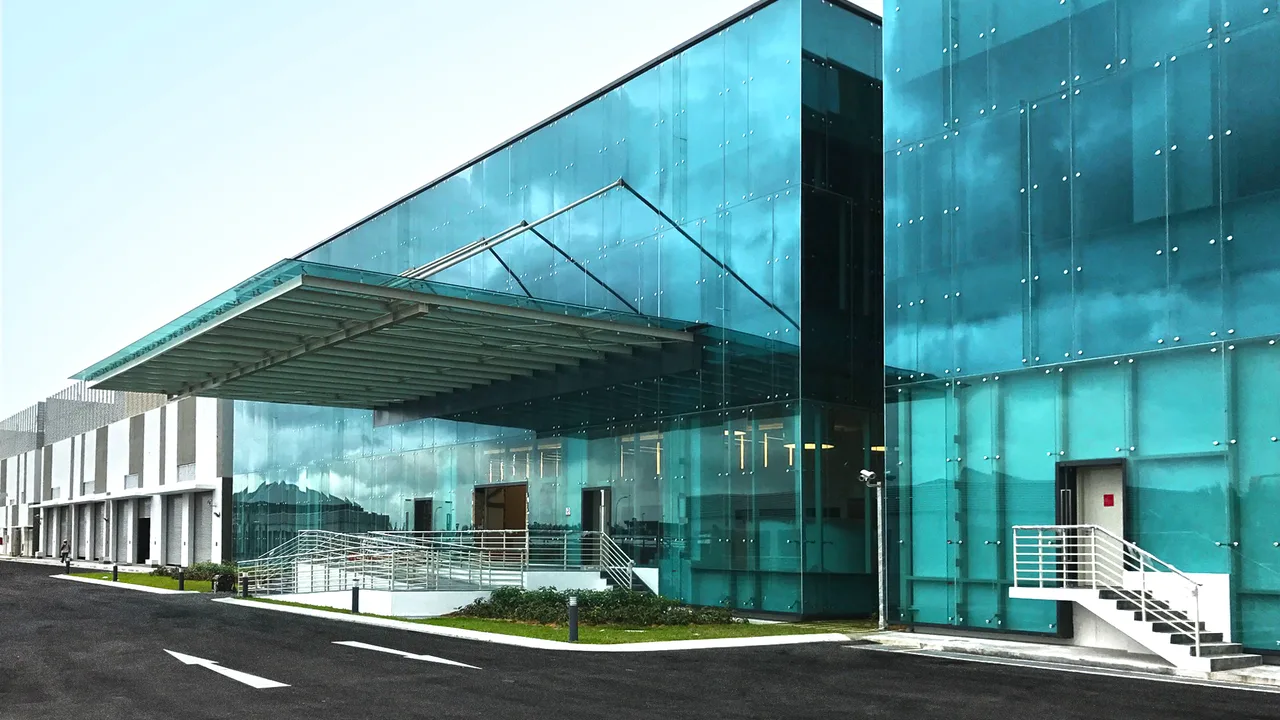
Across Asia’s rapidly evolving industrial landscape, a clear shift is underway. Traditional speculative warehouses and generic factory buildings are no longer enough for modern operators. Instead, companies are increasingly turning to build to suit facilities Asia markets are rapidly expanding to accommodate. From logistics giants to advanced manufacturers, tenants now demand facilities tailored precisely to operational workflows, automation requirements, and long-term growth strategies.
This transition is not random. It reflects deeper structural changes in supply chains, foreign direct investment flows, and the rising complexity of tenant requirements. As Asian economies mature and compete for global manufacturing and logistics leadership, build-to-suit development has emerged as a strategic solution that balances flexibility, capital efficiency, and scalability.
Understanding Build to Suit Facilities Asia
Build to suit facilities Asia developers deliver are properties designed and constructed specifically for a committed tenant under a long-term agreement. Unlike speculative buildings—constructed without a guaranteed occupant—build-to-suit (BTS) projects begin with tenant requirements at the center of the design process. Every dimension, structural specification, and utility system aligns with operational needs.
The typical BTS process follows a structured sequence:
- Tenant identifies operational and spatial requirements.
- Developer secures land within an industrial zone or strategic logistics hub.
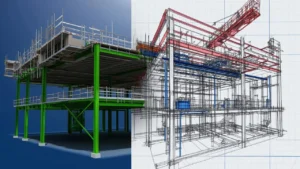
- Design customization integrates workflow layout, structural loads, and compliance standards.
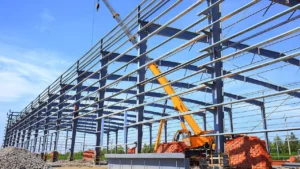
- Construction begins after lease agreements are finalized.
- Facility is delivered under long-term lease terms.
This model reduces uncertainty for developers while giving tenants a purpose-built facility without heavy upfront capital expenditure. In emerging Asian markets, where speed-to-market often determines competitive advantage, this arrangement has proven highly effective.
Why Build-to-Suit Is Accelerating in Asia
Several macroeconomic forces are driving the rapid growth of build to suit facilities Asia investors are prioritizing today.
1. Supply Chain Diversification
Global manufacturers are increasingly diversifying production beyond a single country. Southeast Asia and India have become beneficiaries of this shift. When multinational corporations relocate operations, they rarely accept generic facilities. Instead, they require buildings aligned with automation systems, production lines, and energy standards—making BTS the logical choice.
2. E-Commerce Expansion
The explosive rise of e-commerce across Asia has dramatically changed warehouse design. Modern fulfillment centers require higher clear heights, mezzanine systems, temperature control, and advanced material-handling integration. Standard warehouses often fail to meet these specifications without costly retrofits. Build-to-suit facilities, by contrast, integrate these elements from day one.
3. Foreign Direct Investment (FDI)
FDI inflows into countries such as Vietnam, Indonesia, and India continue to strengthen industrial property demand. Investors entering new markets often prefer lease-based models to minimize risk exposure. According to recent industrial real estate research from JLL’s Asia market reports, customized logistics and manufacturing facilities now account for a significant share of new industrial developments in Southeast Asia. This data reinforces the structural momentum behind BTS projects.
Tenant Requirements: Customization as Competitive Advantage
At the heart of the BTS model lies a simple truth: modern tenant requirements are increasingly complex. Industrial occupiers no longer look only at square meters—they focus on operational optimization. Common specifications include:
- Clear height of 10–15 meters for automated racking systems.
- Enhanced floor load capacity for heavy machinery.
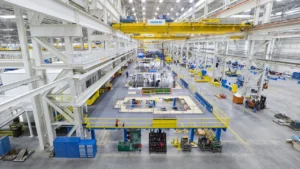
- Integrated crane systems for manufacturing workflows.
- Dock door configuration optimized for logistics throughput.
- Energy-efficient building envelopes aligned with ESG standards.
For logistics operators, layout efficiency directly affects delivery speed. For manufacturers, structural precision determines machine installation compatibility. By aligning facility design with operational processes, build to suit facilities Asia markets enable tenants to operate at peak efficiency from day one.
Consider two examples:
- Logistics tenant: Requires high-bay racking, cross-docking configuration, and integrated sorting automation.
- Heavy manufacturing tenant: Requires reinforced flooring, overhead cranes, and segmented production zones.
A speculative building might accommodate one but struggle with the other. BTS eliminates compromise by embedding tenant requirements directly into architectural and structural planning.
Developer Models in the Asian Market
Behind every successful BTS project is a developer model designed to manage financial and operational risk. In Asia, several common structures dominate:
Long-Term Lease Model
The most common approach involves a long-term lease—often 10 to 20 years—signed before construction begins. This guarantees rental income stability for developers while allowing tenants to avoid upfront land acquisition costs.
Sale-and-Leaseback Structures
Some corporations prefer to invest in land acquisition, construct facilities with a developer partner, and then sell the completed asset back to an investor under a lease agreement. This approach frees capital for operational growth while retaining long-term occupancy rights.
Industrial Park Partnerships
Large industrial parks across Vietnam, Thailand, and Indonesia frequently provide BTS options as part of broader ecosystem development. These parks reduce regulatory friction and infrastructure risk, making them attractive to foreign investors.
These developer models have evolved alongside Asia’s industrial expansion. As regulatory frameworks stabilize and infrastructure improves, BTS projects have become easier to finance and execute across the region.
Lease Structures and Financial Implications
Lease design plays a critical role in the success of build to suit facilities Asia transactions. The most common structures include:
- Triple net lease (NNN): Tenant covers property taxes, insurance, and maintenance, providing predictable income for developers.
- Escalation clauses: Annual rent increases protect against inflation.
- Renewal options: Give tenants long-term operational security.
Financially, BTS arrangements often make sense for companies seeking capital efficiency. Instead of allocating millions in upfront construction costs, tenants commit to predictable lease payments while preserving liquidity for expansion, technology upgrades, or workforce investment.
For developers, pre-leased projects significantly reduce vacancy risk. This stability makes BTS assets attractive to institutional investors seeking long-term yield in growing Asian markets.
As industrial real estate continues to mature across Asia, these structured lease models provide a foundation for scalable growth, reinforcing why build-to-suit development is gaining momentum year after year.
Country Focus: Vietnam, India, Indonesia, and China
The momentum behind build to suit facilities Asia developers are delivering is not uniform; each country presents a distinct growth narrative shaped by policy, labor markets, and industrial specialization.
Vietnam: Manufacturing Relocation Hub
Vietnam has emerged as a primary beneficiary of global supply chain diversification. Electronics, garments, and consumer goods manufacturers continue to expand operations there, driving strong demand for customized factories. Industrial zones in provinces such as Bac Ninh and Binh Duong increasingly offer build-to-suit options, allowing foreign investors to align facility specifications with production workflows.
Developers in Vietnam typically emphasize speed-to-delivery and regulatory assistance. Because tenant requirements often include cleanroom environments, reinforced flooring, and advanced utility infrastructure, build-to-suit projects reduce costly retrofits while accelerating time to market.
India: Infrastructure and Industrial Expansion
India’s push toward domestic manufacturing under various national initiatives has fueled steady growth in industrial real estate. Automotive, renewable energy, and electronics sectors frequently require highly specific facility configurations. As a result, build to suit facilities Asia observers track in India often involve long-term leases tied to industrial corridors and logistics parks.
With expanding highway networks and dedicated freight corridors, BTS projects in India increasingly integrate automation-ready layouts and scalable expansion zones, reflecting long-term capex planning by multinational tenants.
Indonesia: Logistics and Data Center Growth
Indonesia’s rapid digitalization and population growth have driven demand for fulfillment centers and data infrastructure. Logistics tenants require higher clear heights and optimized dock systems, while data center operators demand heavy floor loads and advanced cooling systems. Generic buildings rarely meet these specifications efficiently, strengthening the case for build-to-suit development.
China: Transition to High-Tech Manufacturing
While China’s industrial base is mature, its focus has shifted toward advanced manufacturing and high-value production. Semiconductor equipment, electric vehicles, and robotics manufacturing all require specialized structural configurations. Consequently, build-to-suit facilities increasingly support precision engineering environments rather than traditional heavy industry.
Risk Factors and Challenges
Despite strong growth, build to suit facilities Asia markets are not without risk. Several challenges influence project viability:
- Economic volatility: Rising interest rates can increase financing costs and reduce investment appetite.
- Regulatory shifts: Changes in land use or foreign ownership rules may delay project approvals.
- Over-customization risk: Highly specialized facilities may be difficult to re-lease if the tenant exits.
- Currency fluctuations: Exchange rate instability can affect lease valuations and investor returns.
Developers mitigate these risks by diversifying tenant portfolios, structuring flexible lease terms, and incorporating adaptable design elements into projects. For example, modular layouts allow future reconfiguration if tenant requirements evolve.
Sustainability and ESG in Build-to-Suit Projects
Environmental, social, and governance (ESG) considerations now play a central role in industrial property decisions. Tenants increasingly request energy-efficient systems, solar rooftop integration, and water recycling capabilities. These sustainability features are easier to implement during the design phase of build-to-suit facilities rather than retrofitting older structures.
Green certifications enhance asset value and align with corporate sustainability commitments. In markets such as Singapore and Japan, regulatory incentives further encourage sustainable construction practices. As ESG reporting becomes standard among multinational corporations, customized facilities designed around efficiency standards are becoming the default expectation rather than a premium feature.
The Future Outlook of Build to Suit Facilities Asia
Looking ahead, build to suit facilities Asia markets are poised for continued expansion. Several structural trends support long-term growth:
- Automation and robotics: Facilities must integrate robotic systems, conveyor automation, and AI-based inventory management.
- Smart warehouse integration: Digital monitoring systems require structured cabling and optimized layouts.
- Regional trade agreements: Strengthened trade partnerships support cross-border manufacturing networks.
- Urbanization: Expanding metropolitan areas increase demand for strategically located logistics hubs.
As these factors converge, the industrial property landscape will likely favor customized development models over speculative construction. Developers capable of aligning capital efficiency with tenant-driven design will dominate the next phase of market expansion.
Why Build-to-Suit Is Becoming the New Standard
The rise of build to suit facilities Asia markets reflects a broader transformation in how companies approach industrial real estate. Instead of adapting operations to fit generic spaces, tenants now demand facilities engineered around workflow efficiency, automation readiness, and long-term growth strategies.
Construction index growth, foreign investment flows, and expanding tenant requirements all reinforce the structural shift toward build-to-suit models. Developer models and flexible leases further reduce risk for both parties, creating a balanced ecosystem of capital and operational alignment.
Ultimately, build-to-suit development is no longer a niche solution—it is rapidly becoming the standard across Asia’s industrial markets. In a region defined by speed, scale, and structural transformation, customized facilities provide the precision and flexibility modern businesses require to compete effectively.