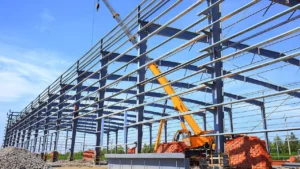
The Hidden Bottleneck in Steel Projects: Logistics Between Shop and Site
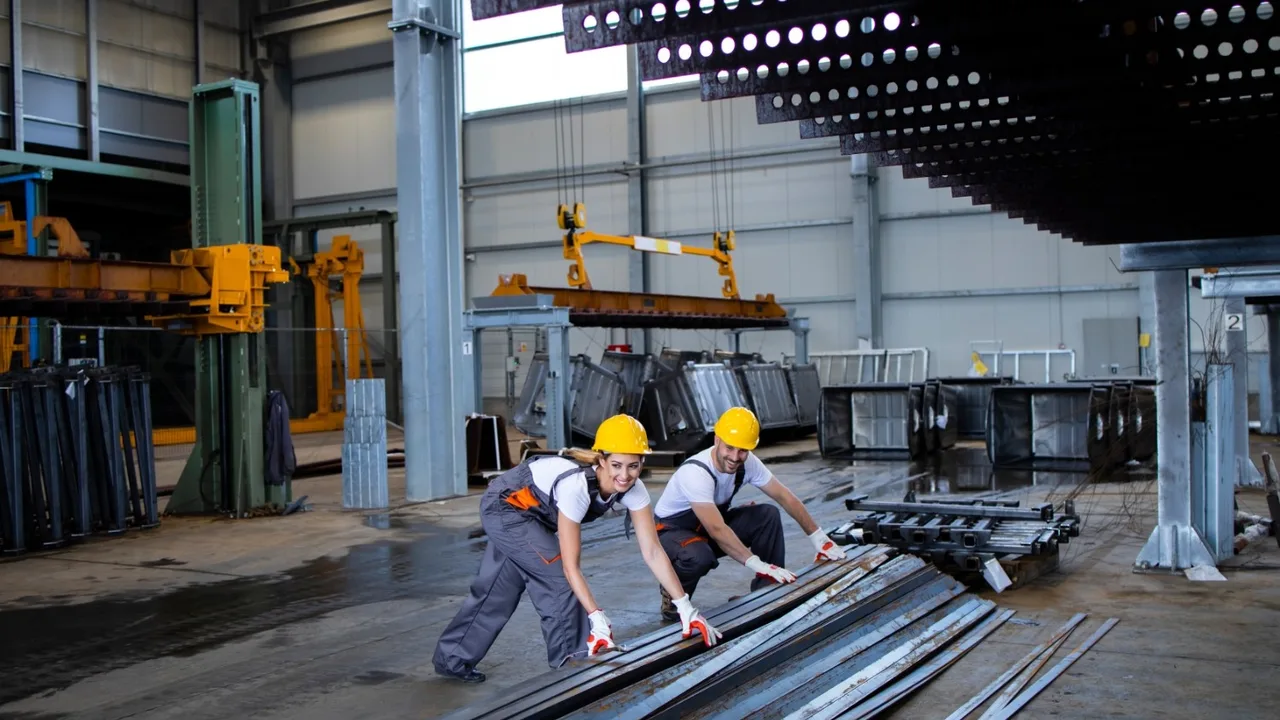
In modern construction, digital tools, automated cutting, and high-speed fabrication lines have drastically improved how steel structures are built. Yet despite these advances, many projects still fall behind schedule—not because of poor manufacturing, but because of what happens afterward. The most overlooked factor in project delays is steel project logistics planning, the critical link between the workshop and the construction site.
Even the most advanced fabrication line cannot save a project if its components are stuck in transit, mislabeled, or delivered in the wrong order. Logistics determines whether precision in the shop translates into efficiency in the field. From packing lists to delivery sequencing, every step of the logistics chain directly influences a project’s productivity and cost.
Understanding Steel Project Logistics Planning
At its core, steel project logistics planning is the art and science of moving fabricated components from the manufacturing shop to the erection site in a controlled, predictable sequence. Unlike general freight logistics, steel project logistics involves heavy loads, oversized components, strict sequencing requirements, and the need for perfect timing. A single truck arriving late—or loaded in the wrong order—can halt an entire erection crew.
Effective logistics planning aligns three critical elements:
- Material readiness: ensuring fabricated members are complete, inspected, and tagged according to the erection schedule.
- Shipping coordination: organizing trucks, containers, and transport routes based on site accessibility and safety regulations.
- Site sequencing: delivering the right materials at the right time to match the installation sequence.
In large-scale fabrication projects, logistics acts as the bridge connecting engineering, fabrication, and on-site construction. It ensures that the pace of delivery matches the pace of assembly. Without it, even the most optimized production schedule can collapse into disarray once materials leave the shop floor.
From Fabrication to Field: Where Delays Begin
Every project manager knows that the real challenge starts once the steel leaves the factory gate. One mislabeled package or a missing component can trigger costly chain reactions on site. The complexity of handling thousands of unique steel members across multiple trucks or containers demands precise coordination and documentation.
Consider a scenario: a 10,000-ton logistics-heavy steel project with a modular frame system scheduled for sequential delivery across ten erection zones. If even one truck carrying base columns for Zone 3 arrives after upper trusses for Zone 4, cranes sit idle, teams wait, and project progress stalls. It’s not uncommon for 30% of daily delays on large projects to stem from logistical mismanagement rather than fabrication defects.
Even companies with world-class production capacity such as steel structure fabrication facilities depend heavily on smart logistics to keep projects flowing. The fabrication shop might achieve millimeter precision and just-in-time manufacturing, but without matching coordination on the shipping and erection side, those gains vanish in transit. Logistics planning turns quality steelwork into a predictable construction process.
Key Components of an Effective Shipping Plan
A well-structured shipping plan is the backbone of successful logistics. It maps every delivery batch from workshop to site, detailing the component list, route, truck type, and expected arrival time. The plan must always be aligned with the erection schedule, meaning materials should arrive in the exact sequence needed for installation—not simply when they’re finished at the shop.
Developing a reliable shipping plan involves several steps:
- Define erection zones: Divide the site into logical work areas to set delivery priorities.
- Coordinate with fabrication schedule: Ensure that production output follows the same sequence as erection progress.
- Assess transport routes: Account for bridge limits, road widths, and any special permit requirements for oversized loads.
- Set realistic delivery windows: Avoid congestion by balancing multiple arrivals per day with site unloading capacity.
Here’s a simplified example of a shipping plan used in a medium-scale project:
| Batch No. | Delivery Date | Weight (tons) | Erection Zone | Truck Type |
|---|---|---|---|---|
| SP-01 | March 15 | 28 | Zone A | Flatbed |
| SP-02 | March 17 | 30 | Zone B | Container |
| SP-03 | March 18 | 25 | Zone A | Flatbed |
A proper shipping plan eliminates guesswork and minimizes downtime at both ends. It also provides traceability—if a delay occurs, teams can immediately identify whether it originated at the workshop, on the road, or during site unloading.
Packing List and Labeling: The Small Details That Prevent Big Problems
Every batch shipped to a construction site carries hundreds of individual steel members. Without an accurate packing list and labeling system, the receiving team faces confusion and rework. The packing list acts as the physical map of each truckload, showing which beams, columns, or bracings are included and where they should be stored for later erection.
An effective packing list includes details such as:
- Part number and drawing reference.
- Assembly tag (e.g., A01–A05 for Area 1 columns).
- Weight, length, and type of section.
- Designated unloading sequence.
To complement this, each item should be labeled with durable tags or painted markings that can withstand weather and handling. Many modern workshops now use QR or barcode systems linked to digital tracking platforms. When scanned on site, these tags automatically update the project database, confirming that specific parts have arrived and been placed in the correct zone.
Neglecting this detail can create chaos. A poorly documented packing list may cause site workers to unload trucks inefficiently, leading to misplaced components and crane idling time. In a project with tight sequencing, even a two-hour delay can affect the entire erection schedule. Smart labeling ensures precision beyond the fabrication stage—it translates documentation into real-world coordination.
Delivery Sequencing: Aligning Truckloads with Erection Progress
Perhaps the most subtle but decisive aspect of steel project logistics planning is delivery sequencing. The principle is simple: the order of arrival must match the order of installation. This concept—often summarized as “first-in, first-erect”—prevents double handling, reduces crane movement, and streamlines manpower allocation on site.
In practice, this means planning truckloads according to erection zones or structural levels. For instance, the first trucks should carry base plates and columns; later shipments include bracings, rafters, and purlins. Each shipment becomes part of a synchronized chain that mirrors the site’s progress chart.
Many contractors now use digital dashboards linked to the erection schedule. When a certain zone reaches 80% completion, the next set of deliveries is automatically triggered. This proactive coordination eliminates waiting time, optimizes equipment usage, and maintains steady progress throughout the project timeline.
Case Study: A 5,000-Ton Warehouse Project Gone Wrong
To understand how vital logistics coordination truly is, consider a large industrial warehouse project involving more than 5,000 tons of structural steel. Fabrication was completed ahead of schedule, but the project still suffered a three-week delay due to poor shipping coordination and incomplete documentation. Trucks were dispatched randomly without a structured delivery sequence, and the packing list didn’t align with the erection schedule.
At the site, crews received upper-level trusses before base columns, forcing them to store and later reposition heavy components. Cranes sat idle for days, waiting for the right assemblies to arrive. The logistical confusion caused additional labor hours, crane rental extensions, and costly re-handling. In the end, an estimated 4% of total project cost was lost—purely due to inefficiencies in logistics planning.
When a corrective logistics system was introduced mid-project, results improved dramatically. A synchronized shipping plan, precise packing list, and delivery tracking protocol reduced crane idle time by 60%. By the final phase, trucks were scheduled to match real-time site progress, ensuring just-in-time delivery with minimal storage congestion. The experience reinforced an enduring lesson: fabrication excellence means little without end-to-end logistical precision.
Integrating Logistics With Project Management Systems
In today’s digital project environments, integrating logistics into project management platforms is essential. Tools like ERP systems, BIM 360, or dedicated logistics dashboards enable fabrication and erection teams to work from the same data source. When steel project logistics planning links directly with the project schedule, every update to fabrication output or delivery status is instantly visible to both workshop and site managers.
For example, when fabrication teams update completion percentages in the ERP system, the logistics module can automatically generate truck lists and shipping plans. On-site teams can track trucks in real time via GPS or RFID scanners, confirming receipt as soon as components arrive. This eliminates redundant calls, manual spreadsheets, and uncertainty over which batch is where.
Real-time data also enhances transparency for clients. Project owners can monitor delivery performance through dashboards showing key metrics: total batches delivered, pending shipments, and site readiness levels. This visibility strengthens trust between contractors and clients, while also improving accountability within internal teams.
Metrics to Measure Logistics Performance
Like fabrication and erection, logistics performance should be measured and continuously improved. The following key performance indicators (KPIs) help evaluate how effectively logistics supports project goals:
- On-time delivery rate: The percentage of shipments that arrive at the site within the planned delivery window.
- Truck turnaround time: The average duration from site arrival to unloading completion.
- Erection readiness index: The percentage of site activities that can start immediately upon material arrival.
- Return or re-delivery percentage: The share of shipments requiring re-routing or additional handling.
Monitoring these KPIs allows project managers to identify recurring bottlenecks and implement corrective measures early. For example, a rising trend in turnaround time may signal congestion at the site or inefficient crane scheduling. Conversely, a consistently high erection readiness index indicates that the logistics chain is fully synchronized with site progress.
Using dashboards or cloud analytics, management teams can visualize logistics health in real time. Integrating this data with fabrication reports enables data-driven decisions that maintain consistent project flow from the workshop to the field.
Digitalization and the Future of Steel Project Logistics
The future of steel project logistics planning lies in full digitalization and automation. Internet of Things (IoT) tracking now allows companies to monitor truck positions, temperature, and even vibration levels in transit, ensuring that sensitive components arrive safely. Artificial intelligence algorithms are being used to predict optimal routes and scheduling based on historical performance, weather, and site congestion patterns.
Additionally, cloud-based logistics platforms enable multi-party collaboration between steel fabricators, transporters, and site supervisors. Every stakeholder can view the same live data—from dispatch timing to unloading confirmation—reducing miscommunication and reactive management. Advanced solutions even calculate CO₂ emissions from deliveries, helping companies align with sustainability goals while improving operational efficiency.
In the near future, we can expect to see automation extend further. Autonomous delivery vehicles and AI-driven scheduling systems will minimize human error, optimize route timing, and make logistics planning even more accurate. As the steel industry embraces Industry 4.0, logistics will shift from being a manual support function to an integrated, predictive component of project execution.
Conclusion: Bridging the Shop and the Site
The success of a steel project doesn’t end when fabrication is complete—it depends on how efficiently materials move from the workshop to the construction site. Steel project logistics planning ensures that the flow of components, trucks, and schedules operates as a single, unified system. When logistics fails, fabrication efficiency and on-site productivity both suffer.
Creating a robust logistics plan, complete with accurate packing lists, sequencing, and digital integration, transforms chaos into coordination. Every crane movement, every truck arrival, and every hour saved on-site adds up to measurable project success. More importantly, it prevents the hidden bottleneck that too often undermines quality workmanship.
For industrial builders and general contractors, logistics is not an afterthought—it’s the invisible backbone that connects design precision to structural completion. The next time a project team celebrates a milestone in fabrication, they should also thank the logistics planners who ensured every beam, plate, and bolt arrived exactly when and where it was needed.