Fire Protection Options for Industrial Steel: Cost vs Performance
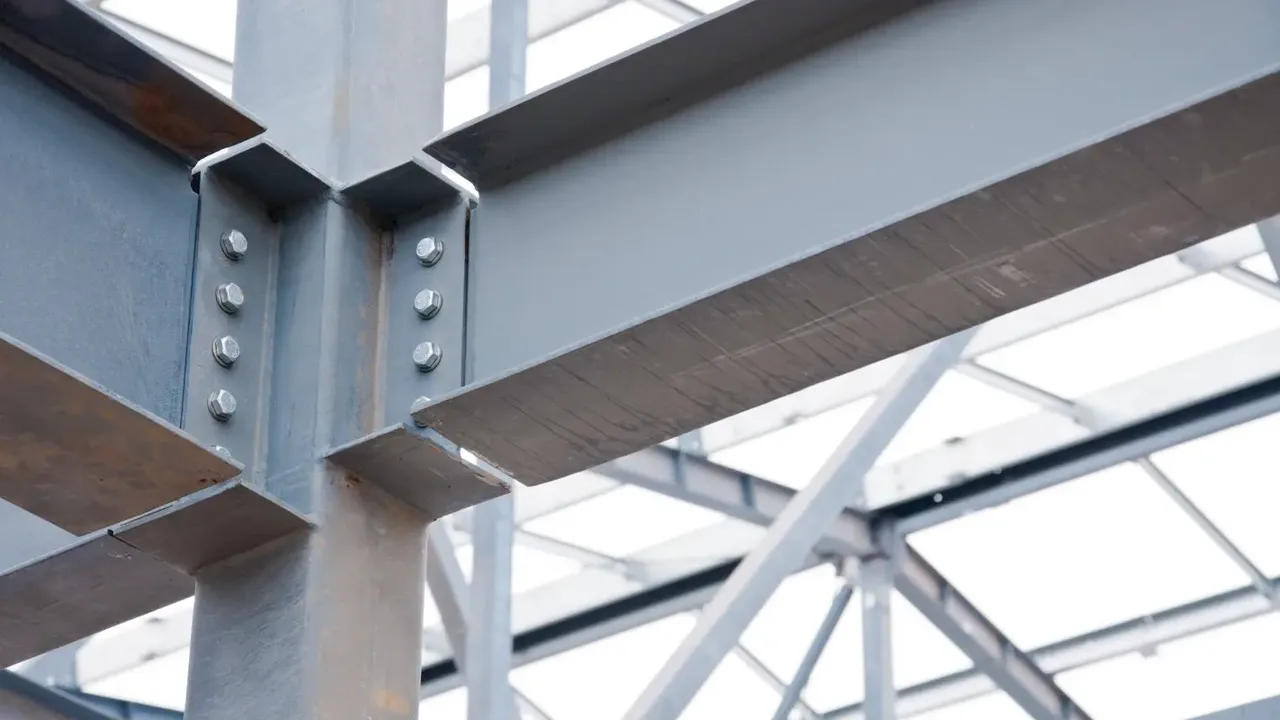
Industrial facilities depend heavily on structural steel for strength, speed of construction, and long-span efficiency. Warehouses, manufacturing plants, logistics hubs, and energy facilities all rely on steel frames to support heavy loads and demanding operations. However, while steel performs exceptionally under normal conditions, it is highly vulnerable to extreme heat. This is where fire protection for industrial steel becomes a critical design consideration rather than a regulatory afterthought.
In a fire scenario, unprotected steel can rapidly lose structural integrity. At temperatures around 550°C (1,022°F), structural steel may lose approximately 50% of its yield strength. As temperatures continue to rise, the risk of deformation, instability, and collapse increases significantly. For industrial buildings that house valuable equipment, high inventory volumes, or continuous production lines, the consequences of structural failure can be catastrophic.
This article examines the primary options for fire protection for industrial steel, comparing cost, performance, durability, and rating compliance. Instead of focusing only on initial expenses, we evaluate each system through a broader lifecycle and risk-management lens.
How Fire Affects Structural Steel
Steel does not burn, but it weakens dramatically when exposed to high temperatures. The problem lies in its mechanical properties. As heat increases:
- Yield strength decreases, reducing load-bearing capacity.
- Elastic modulus drops, increasing deflection under stress.
- Thermal expansion occurs, potentially causing connection failures.
In industrial environments, where structural members often support cranes, heavy equipment, or high-clearance roofs, even slight deformations can compromise safety. That’s why building codes require a specific fire resistance rating, typically measured in minutes (30, 60, 90, or 120 minutes). The required rating depends on occupancy type, building height, and operational risk level.
For example, a large storage warehouse containing combustible materials may require a 120-minute rating, while a lightly loaded industrial workshop might require only 60 minutes. Proper fire protection for industrial steel ensures that the structure maintains stability long enough for evacuation and emergency response.
Understanding Fire Protection for Industrial Steel
Fire protection for industrial steel generally falls under passive fire protection (PFP) systems. Unlike active systems such as sprinklers or alarms, passive solutions are integrated directly into the structural elements and function without mechanical activation. Their role is to insulate steel members, slowing temperature rise during a fire event.
Passive systems are selected based on several criteria:
- Required fire resistance rating.
- Environmental exposure (humidity, chemicals, vibration).
- Aesthetic requirements (exposed vs concealed steel).
- Maintenance expectations and lifecycle cost.
- Compliance with national or international fire codes.
Choosing the correct method is not simply about meeting minimum rating compliance. It’s about aligning protection strategy with operational reality. A factory operating 24/7 with corrosive environments may require a very different solution compared to a climate-controlled logistics center.
Option 1: Intumescent Paint
Intumescent paint is one of the most widely recognized solutions for fire protection for industrial steel. This coating expands when exposed to high temperatures, forming a thick, insulating char layer that delays heat transfer to the steel substrate.
Under normal conditions, intumescent coatings resemble conventional paint, maintaining a smooth, aesthetic finish. When fire exposure occurs, the coating can expand up to 50 times its original thickness, creating thermal insulation.
Advantages of Intumescent Paint
- Aesthetic appeal: Ideal for exposed steel where visual appearance matters.
- Lightweight application: Minimal added structural load.
- Flexible thickness control: Coating depth can be adjusted to achieve specific fire ratings.
Limitations of Intumescent Paint
- Higher upfront cost: Material and labor costs can be significant.
- Surface preparation sensitivity: Requires proper blasting and priming.
- Environmental vulnerability: High humidity or chemical exposure may require additional topcoats.
For industrial buildings with architectural exposure—such as production facilities with visible steel frames—intumescent paint offers both protection and design flexibility. However, in cost-sensitive projects, its higher installation expense must be weighed carefully against alternatives.
Option 2: Fireproof Board Systems
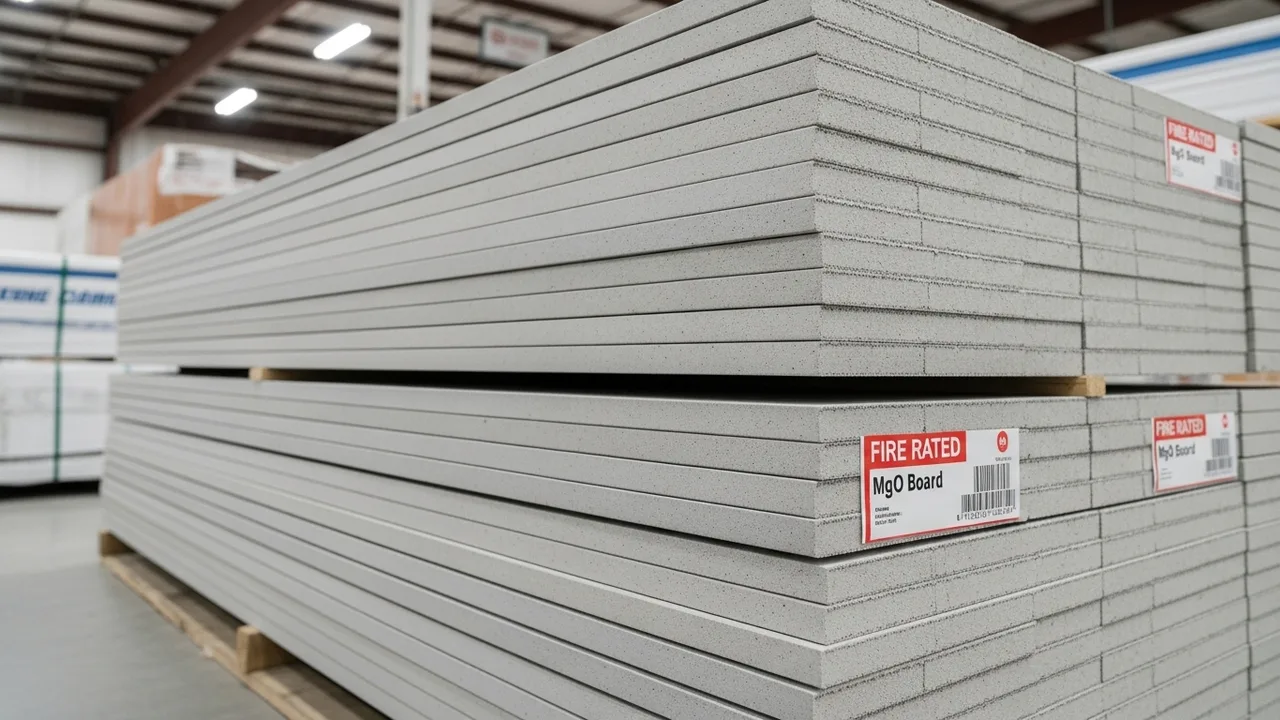
Another widely used method for fire protection for industrial steel is the installation of fireproof board systems. These boards, often made from gypsum-based or calcium silicate materials, are mechanically fixed around steel columns and beams to create a protective barrier.
Unlike coatings, fireproof boards act as cladding. They physically enclose structural members, preventing direct heat exposure during a fire.
Advantages of Fireproof Board
- Predictable performance: Factory-manufactured panels offer consistent fire ratings.
- Durability: Resistant to moderate mechanical impact.
- Ease of replacement: Damaged sections can be removed and replaced.
Limitations of Fireproof Board
- Increased member dimensions: Boards add bulk to structural elements.
- Installation complexity: Requires framing and fastening systems.
- Aesthetic constraints: Less suitable for exposed architectural steel.
Fireproof boards are often preferred in warehouses and utility areas where aesthetics are secondary to cost control and durability. They typically offer a balanced approach between performance and budget, especially for 60- to 120-minute fire ratings.
Option 3: Spray-Applied Fire Resistive Materials (SFRM)
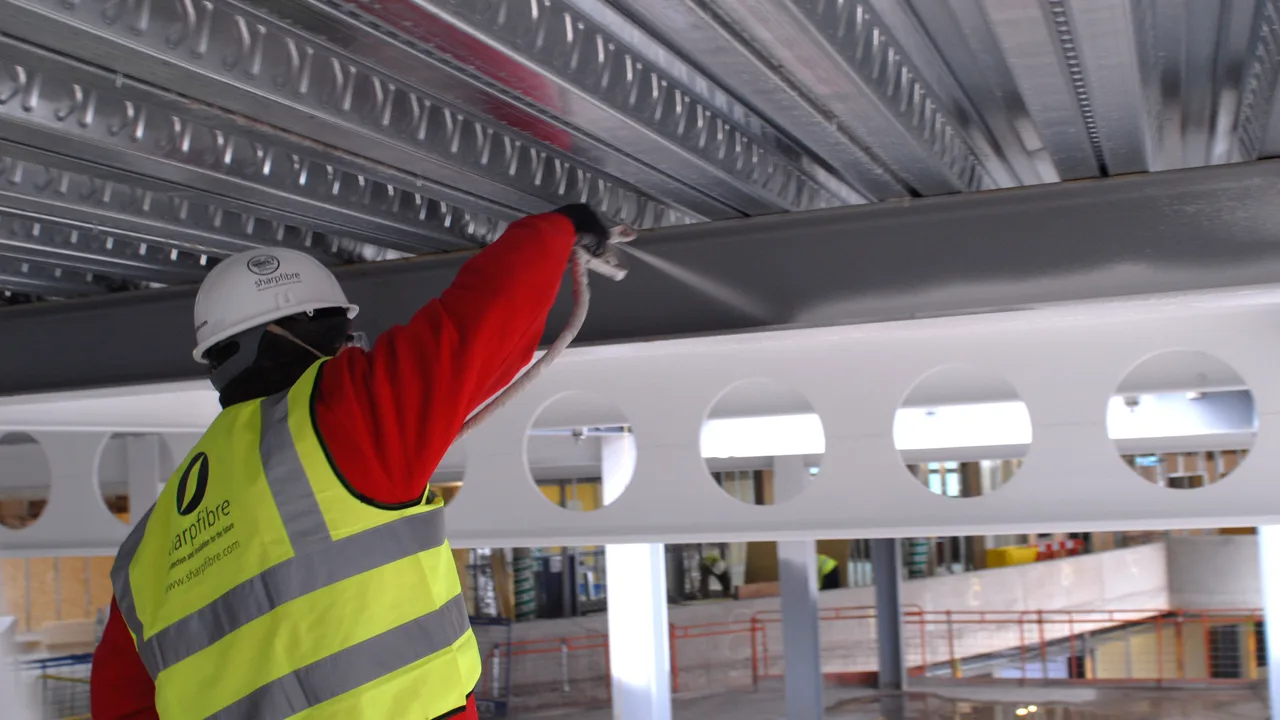
Spray-applied fire resistive materials (SFRM) are cementitious or fiber-based compounds sprayed directly onto steel surfaces. This method is commonly used in large-scale industrial projects where speed and cost efficiency are priorities.
For many heavy industrial facilities, SFRM represents a practical approach to fire protection for industrial steel due to its lower material cost and rapid coverage capabilities.
Advantages of SFRM
- Lower initial cost: Economical for high-volume projects.
- Fast installation: Suitable for large surface areas.
- High fire ratings available: Can achieve up to 180 minutes with proper thickness.
Limitations of SFRM
- Rough finish: Not visually appealing for exposed areas.
- Potential damage risk: Can chip or deteriorate if impacted.
- Dust and cleanup requirements: Installation requires controlled site conditions.
SFRM is commonly used in concealed structural areas or industrial zones where appearance is not a priority. For projects focused strictly on cost-performance balance, it often becomes the baseline comparison option.
Cost Comparison: Upfront vs Lifecycle Perspective
When evaluating fire protection for industrial steel, focusing only on initial material cost can lead to misleading conclusions. While upfront pricing is important, industrial stakeholders must also consider lifecycle performance, maintenance requirements, durability, and operational disruption risks.
Below is a simplified comparison of the three primary systems:
| System | Initial Cost | Maintenance Needs | Aesthetic Quality | Typical Fire Rating |
|---|---|---|---|---|
| Intumescent Paint | High | Moderate | Excellent | 60–120 min |
| Fireproof Board | Medium | Low | Moderate | 60–120 min |
| SFRM | Low | Moderate | Low | 60–180 min |
For example, while intumescent coatings may cost significantly more per square meter, they often reduce additional cladding or finishing costs in exposed architectural environments. Conversely, SFRM might appear cheaper initially but could require periodic patch repairs in high-traffic industrial zones.
From a lifecycle perspective, the true cost of fire protection for industrial steel should account for:
- Inspection frequency requirements.
- Potential downtime during maintenance.
- Environmental exposure degradation.
- Long-term rating compliance verification.
In large facilities operating continuously, downtime can cost more than the fireproofing material itself. Therefore, performance reliability often outweighs marginal savings in upfront installation costs.
Rating Compliance and Regulatory Requirements
Achieving proper rating compliance is not optional. Industrial buildings must adhere to local and international building codes that define fire resistance requirements. These codes vary depending on occupancy type, building height, and risk category.
In many jurisdictions, fire ratings are validated through standardized testing procedures such as ASTM E119 or EN 13381 methods. These laboratory tests measure how long a protected steel member can maintain structural stability under controlled fire exposure conditions.
For engineers and project managers, selecting a fire protection system means verifying certified documentation and tested assemblies. Proper fire protection for industrial steel must align not only with performance expectations but also with documented compliance to prevent legal and insurance complications.
Furthermore, regulatory authorities may require periodic inspections to ensure that installed systems maintain integrity over time. This is particularly relevant in environments exposed to vibration, impact, or chemical corrosion.
Environmental and Operational Considerations
Industrial facilities are rarely controlled office environments. Instead, they may include:
- High humidity or condensation cycles.
- Chemical exposure from manufacturing processes.
- Heavy equipment movement and mechanical impact.
- Large temperature fluctuations.
Each of these factors influences the durability of fire protection for industrial steel. For example, intumescent coatings may require additional protective topcoats in corrosive settings. SFRM may need protective barriers in high-traffic areas. Fireproof boards must be carefully sealed to prevent moisture infiltration.
Underdesigning protection can lead to premature system failure, while overdesigning increases unnecessary cost and complexity. The goal is to match protection level precisely with operational risk.
Performance-Based Decision Making
A rational approach to selecting fire protection for industrial steel follows a structured evaluation process:
- Determine the required fire resistance rating.
- Assess environmental exposure conditions.
- Calculate installation and lifecycle costs.
- Verify rating compliance certifications.
- Evaluate maintenance practicality over the building’s lifespan.
Consider a 10,000 m² industrial warehouse with 12-meter clear height. If aesthetics are not critical and budget constraints are tight, SFRM might provide the most economical coverage. However, if the facility includes publicly visible production areas or architectural design elements, intumescent paint may justify its higher cost through visual integration and reduced secondary finishing requirements.
Similarly, in facilities where mechanical impact risk is moderate but environmental humidity is high, fireproof board systems may strike the best balance between durability and predictable performance.
Balancing Safety, Cost, and Performance
Ultimately, fire protection for industrial steel is not a one-size-fits-all solution. Each method—intumescent paint, fireproof board, or SFRM—offers distinct advantages and trade-offs. The decision must be guided by project-specific variables including building function, environmental exposure, aesthetic expectations, and long-term operational strategy.
Industrial developers and engineers who treat fire protection as a strategic investment rather than a compliance checkbox achieve better lifecycle value and reduced risk exposure. By carefully weighing cost against performance and rating compliance requirements, stakeholders can design safer, more resilient steel structures that withstand both fire risk and operational demands.
In high-stakes industrial environments, the right fire protection system does more than satisfy regulations—it protects assets, operations, and lives. When cost and performance are evaluated together, the optimal solution becomes clear.