What Small Stone Fabricators Should Consider Before Upgrading Workshop Equipment
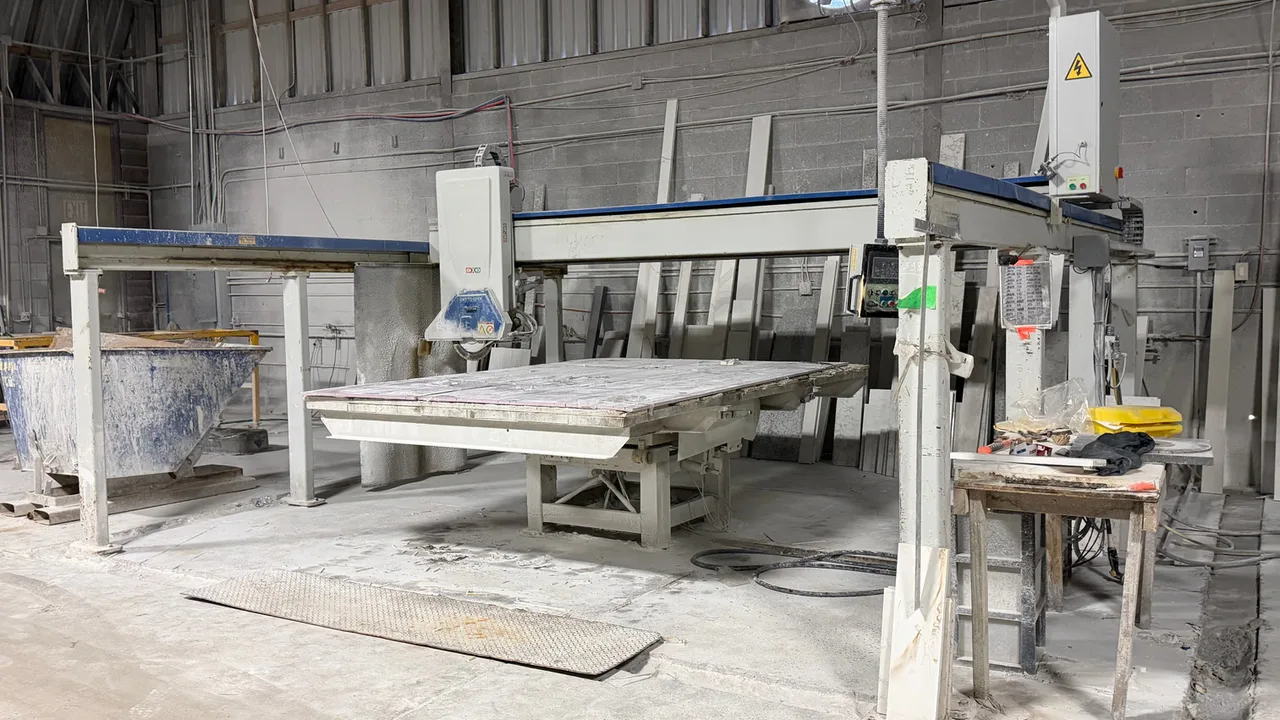
Stone fabrication equipment can change how a small workshop handles daily production, but upgrading too quickly can create new problems instead of solving old ones. A new machine may look attractive on paper, especially if it promises faster cutting, smoother polishing, or better accuracy. Still, small fabricators need to ask a more practical question first: will this equipment actually improve the way the shop works?
For many stone businesses, the pressure to upgrade comes from real issues. Jobs take longer than expected. Operators spend too much time correcting cuts. Finished edges are inconsistent. Countertop orders become harder to manage as customers ask for more customization. In that situation, equipment matters. But the right upgrade depends on the workshop’s bottleneck, not simply the newest model available.
Why Equipment Upgrades Matter More for Small Fabricators
Large factories can often absorb inefficient steps because they have more workers, more space, and more machines. Small fabricators usually do not have that margin. One slow process can affect the entire schedule. One unreliable machine can delay several customer orders. One skilled worker handling too many manual tasks can become the hidden limit of the business.
This is why a workshop upgrade should be treated as a business decision, not just a machinery purchase. Better equipment can help a small shop improve output, reduce rework, and accept more profitable jobs. But only when the upgrade matches the real workflow.
A small shop does not need to copy a large industrial plant. It needs a setup that fits its material types, order volume, labor skill, available floor space, and expected growth over the next few years.
Start With the Current Bottleneck, Not the Machine Catalog
One of the most common mistakes small workshops make is starting with product catalogs before understanding their own production limits. Machine specifications are useful, but they do not explain where the shop is losing time every day.
Before comparing brands or prices, workshop owners should map the actual flow of work from slab arrival to finished product. The weak point may not be where they expect.
- Where do jobs wait the longest before moving to the next step?
- Which process causes the most rework or material waste?
- Which task depends too heavily on one experienced operator?
- Which machine creates delays during busy weeks?
- Which part of the workflow limits daily output?
If most delays come from inaccurate cutting, then polishing upgrades may not solve the core issue. If finishing quality is the main complaint, a faster cutting system may only push more unfinished work into the same bottleneck. The best upgrade starts with a clear problem.
Stone Fabrication Equipment Checklist for Small Shops
When evaluating stone fabrication equipment, cutting capacity is often the first area worth reviewing. Cutting affects almost every downstream process. If slab cutting is inaccurate, edge work becomes harder. If cuts are slow, polishing and installation schedules may fall behind. If operators rely too much on manual adjustment, consistency becomes difficult as order volume grows.
For shops moving away from manual cutting or low-capacity workflows, it can help to compare different types of cutting equipment for stone fabrication shops based on the actual jobs the workshop handles, rather than only looking at machine size or advertised speed.
A practical checklist should include:
- Maximum slab size and material thickness the machine can handle
- Accuracy for straight cuts, angle cuts, and repeated production work
- Water cooling support for cleaner cutting and dust reduction
- Space required around the machine for safe slab movement
- Operator skill level needed for daily use
- Maintenance access and spare part availability
- Compatibility with existing blade types or diamond tools
This is also where a shop should think about its future work mix. A business focused on basic slab cutting may need a different setup than one planning to grow into custom countertops, vanity tops, stair panels, or decorative stone work.
Do Not Upgrade Cutting Without Thinking About Polishing
A faster stone cutting machine can improve throughput, but it can also expose weaknesses elsewhere. If the cutting stage becomes twice as fast while polishing remains slow, the bottleneck simply moves from one side of the shop to another.
This is especially important for small teams. Polishing is often where customers judge the final quality of stone work. A clean cut matters, but a poor edge finish is what clients notice first. Before buying cutting machinery, shop owners should also review their polishing equipment, pads, abrasives, and finishing workflow.
For many small fabricators, the practical goal is not maximum speed. It is balanced production. Cutting, grinding, polishing, inspection, and packing should move at a pace that the team can manage without constant overtime or quality problems.
Countertop Fabrication Has Its Own Workflow Demands
A workshop that handles countertop fabrication usually needs more than basic cutting and polishing capacity. Countertop work may involve sink cutouts, edge profiling, template accuracy, seam planning, surface protection, and final inspection. These requirements can change what equipment should be prioritized.
| Workshop Focus | Equipment Priority | Why It Matters |
|---|---|---|
| Basic slab cutting | Cutting accuracy | Reduces waste and correction work |
| Custom countertops | Cutout and profiling support | Helps manage more detailed orders |
| Decorative stone work | Consistent finishing tools | Improves visible surface and edge quality |
| Mixed small orders | Flexible workflow setup | Allows the shop to switch between job types |
The point is not that every small shop needs advanced automation immediately. Some businesses are better served by improving one weak process at a time. But if countertop work is becoming a larger part of the business, the upgrade plan should reflect that reality.
Diamond Tools Are Part of the Upgrade, Not an Afterthought
Machines do not work alone. The quality of blades, pads, grinding wheels, and other diamond tools can strongly affect cutting speed, edge quality, tool life, and material waste. A better machine paired with poor consumables may still produce disappointing results.
Tool selection should match the stone being processed. Granite, marble, quartz, engineered stone, and limestone do not behave the same way under cutting or polishing. Using the wrong tool can increase chipping, slow down production, or shorten tool life.
Small shops should compare tools based on job cost, not only purchase price. A cheaper blade that wears out quickly or creates more rework may be more expensive over time.
Space, Power, Water, and Handling Are Easy to Underestimate
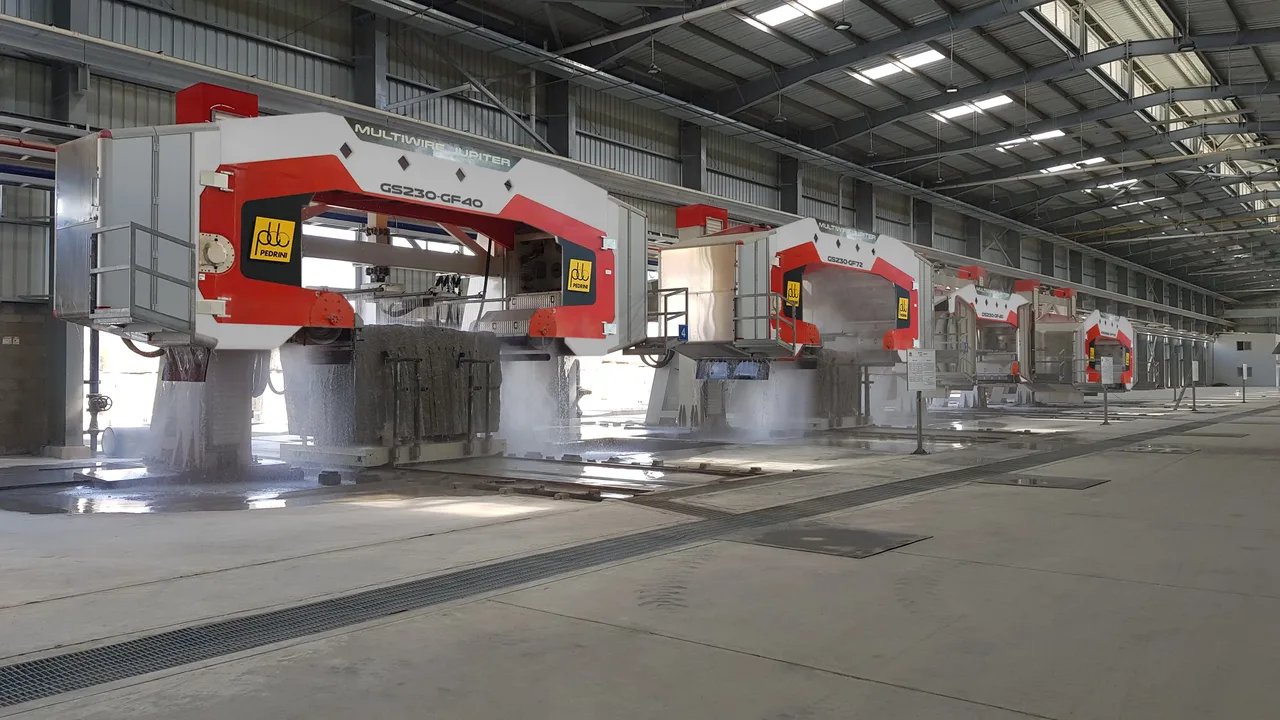
Small workshops often compare machine price before checking whether the shop can actually support the equipment. That can become expensive. A larger machine may need more floor clearance, stable power, better water circulation, stronger drainage, or safer slab movement around the work area.
Layout matters because stone fabrication is physical work. Slabs are heavy, edges are fragile, and operators need enough space to move material without creating safety risks. If the shop floor is crowded, a new machine may improve one process while making material handling slower.
Before signing any purchase order, fabricators should review the practical installation conditions:
- Available floor space around the machine, not only the machine footprint
- Power supply stability and electrical requirements
- Water source, recycling, drainage, and wet cutting setup
- Forklift, crane, or slab cart access
- Safe operator movement around cutting and polishing areas
A good upgrade should make the workshop easier to run. If the new setup forces workers to move slabs awkwardly, cross busy walkways, or wait for shared utilities, the shop may not gain the productivity it expected.
When a Workshop Upgrade Should Be Gradual
Not every small fabricator needs a full equipment replacement at once. In many cases, a phased workshop upgrade is safer for cash flow and easier for the team to absorb. A gradual approach also gives the owner time to see whether the first investment actually improves production.
A practical upgrade sequence may look like this:
- Fix the biggest production bottleneck first, usually cutting accuracy or finishing consistency.
- Improve visible quality through better polishing workflow and inspection.
- Upgrade handling, water control, and shop layout to support faster movement.
- Add job tracking, quoting, or digital measurement tools once the physical workflow is stable.
- Review maintenance routines and operator training before adding more equipment.
This type of sequencing prevents the business from buying machines that the rest of the shop is not ready to support. It also helps managers avoid the trap of solving yesterday’s problem while creating tomorrow’s bottleneck.
Labor Skills and Training Should Influence Buying Decisions
A machine only performs well when the operator understands how to use it. This sounds obvious, but it is often ignored during equipment planning. More advanced machines may require calibration, careful setup, blade selection, software familiarity, or more disciplined maintenance.
For small shops, the question is not just “Can this machine do the work?” It is also “Can our team run this machine consistently every day?”
- Can current staff operate the machine with reasonable training?
- Is training available from the seller, distributor, or manufacturer?
- Are manuals, parts lists, and troubleshooting guides clear?
- Can more than one person operate the equipment?
- How quickly can a new worker learn the process?
If only one employee can run a critical machine, the business still has a fragile workflow. Equipment should reduce dependency on individual skill where possible, not concentrate risk into one operator.
How to Compare Price, Payback, and Risk
The lowest purchase price is not always the lowest total cost. A cheaper machine may cost more over time if it requires frequent repairs, wastes material, slows operators, or needs consumables that are difficult to source. On the other hand, an expensive machine may also be a poor fit if the shop does not have enough order volume to justify it.
| Cost Factor | Why It Matters |
|---|---|
| Purchase price | Determines the initial cash requirement |
| Installation | May involve power, water, drainage, or layout changes |
| Consumables | Includes blades, pads, abrasives, and other wear items |
| Training | Affects how quickly the team reaches stable production |
| Downtime | Reduces output during installation or transition |
| Maintenance | Controls long-term reliability and machine availability |
Payback should be calculated using real workshop numbers. How many hours will the new equipment save each week? How much rework will it reduce? Can the shop accept more jobs, finish jobs faster, or improve margins on higher-value work? These questions matter more than brochure-level productivity claims.
Safety and Dust Control Cannot Be Treated as Optional
Stone fabrication involves sharp tools, moving slabs, wet surfaces, electrical systems, and dust exposure. Any equipment decision should include safety planning from the beginning, especially when cutting or grinding materials that may contain crystalline silica.
Workplace safety agencies have repeatedly highlighted silica exposure risks in countertop and stone fabrication work. OSHA and NIOSH, for example, publish guidance on controlling worker exposure during stone countertop manufacturing, finishing, and installation. Their resources emphasize controls such as wet methods, dust collection, respiratory protection, and safer work practices for fabrication shops. OSHA/NIOSH silica guidance is a useful reference for shops reviewing dust-control expectations.
For small fabricators, safety planning is also practical business planning. Poor dust control can affect worker health, inspection readiness, housekeeping, machine life, and production consistency. A workshop that upgrades cutting or polishing capacity should also review ventilation, water use, personal protective equipment, and cleanup procedures.
Questions to Ask Before Signing the Purchase Order
Before buying new stone fabrication equipment, small shop owners should slow down and test the decision against the real workflow. A machine may be high quality and still be the wrong first upgrade if it does not solve the shop’s most expensive problem.
- What exact bottleneck will this equipment solve?
- Will it improve cutting speed, finish quality, material yield, or labor efficiency?
- Can the shop support the machine’s power, water, drainage, and space requirements?
- Will existing blades, pads, or diamond tools still work?
- How long will operator training take?
- What maintenance support and spare parts are available?
- Will the upgrade improve countertop fabrication capacity or only one isolated step?
- What is the realistic payback period based on current order volume?
- Does the equipment fit the shop’s expected growth over the next two or three years?
The best upgrade is not always the largest machine or the most automated system. For small fabricators, the best choice is usually the one that removes the clearest bottleneck, improves consistency, and supports growth without making the workshop harder to manage.
Stone shops grow best when equipment, labor, layout, tools, and safety practices move together. When those pieces are planned as one system, an upgrade becomes more than a purchase. It becomes a stronger foundation for reliable production and better customer work.