China’s Jiangsu Auto Industry Cluster: A Comprehensive Overview
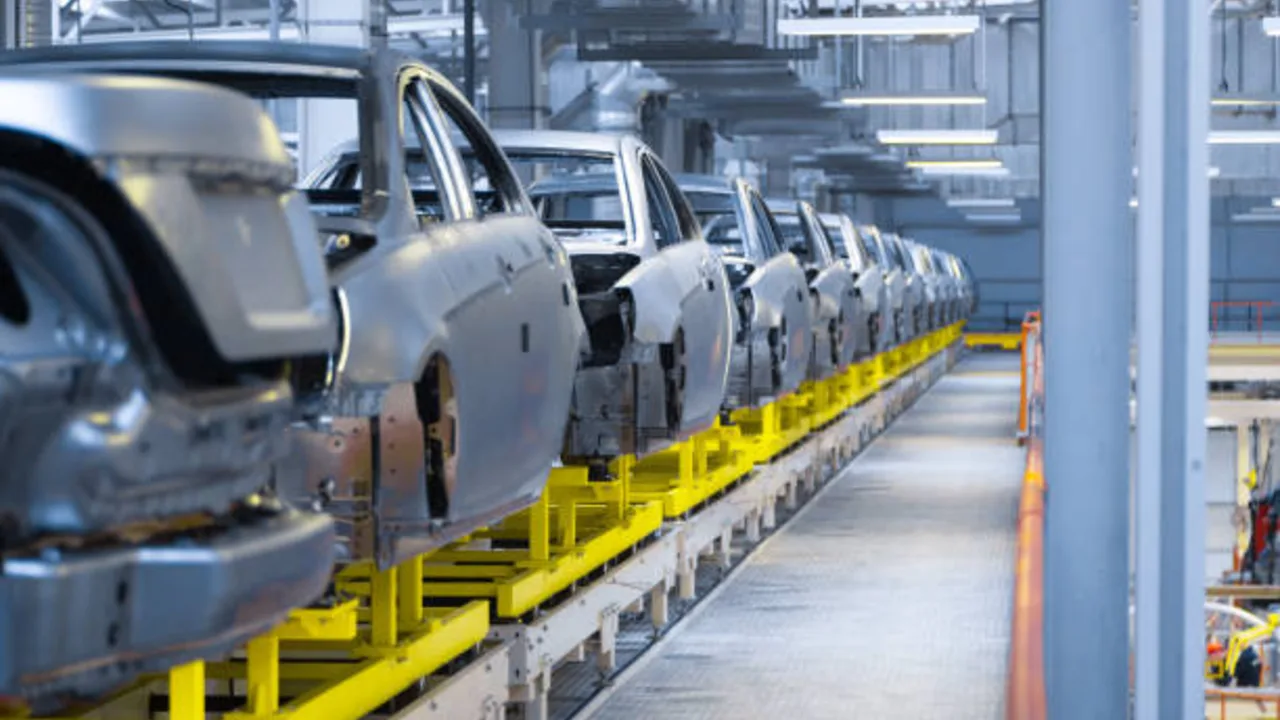
China’s Jiangsu auto industry cluster has developed into one of the most influential automotive manufacturing ecosystems in the country. Located within the Yangtze River Delta—one of China’s most economically advanced regions—the province benefits from strong logistics infrastructure, advanced manufacturing capabilities, and close proximity to major commercial centers such as Shanghai.
Over the past decade, Jiangsu has steadily strengthened its position within China’s automotive industry by attracting both global automotive joint ventures and fast-growing domestic vehicle manufacturers. The region now hosts a highly integrated industrial system that includes vehicle assembly plants, component suppliers, research institutions, and electric vehicle technology developers.
This combination of manufacturing capacity, supply-chain integration, and technological innovation has transformed Jiangsu into a key hub supporting both domestic automotive demand and international vehicle exports.
A Diverse Automotive Manufacturing Ecosystem
One of the defining characteristics of the Jiangsu auto industry cluster is the diversity of companies operating within the region. The province hosts a balanced mix of international automotive brands, Chinese manufacturers, and specialized parts suppliers.
Several global automakers have established joint-venture production facilities in Jiangsu, partnering with Chinese automotive companies to manufacture vehicles locally. These collaborations allow international brands to benefit from China’s efficient manufacturing base and extensive supply networks.
At the same time, domestic Chinese automotive companies are expanding rapidly across the province. Many of these manufacturers focus on electric vehicles, intelligent driving technologies, and advanced mobility solutions. Their production facilities contribute significantly to China’s overall automotive output and innovation capacity.
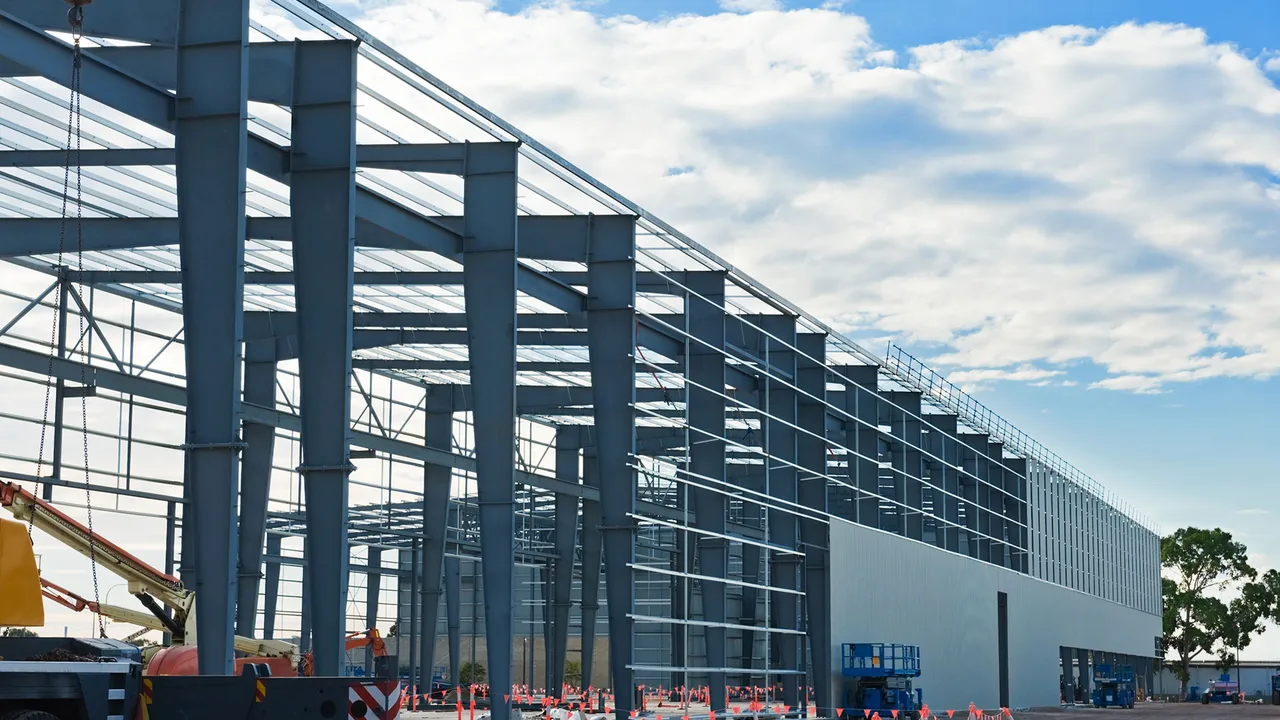
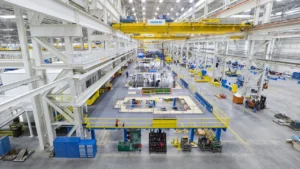
Cities such as Changzhou have emerged as major vehicle manufacturing centers where large factories support high-volume production of modern passenger vehicles. These facilities are designed with advanced manufacturing systems that enable efficient large-scale assembly operations.
The Growing Importance of Electric Vehicles
The global shift toward electrification has significantly accelerated the development of the Jiangsu auto industry cluster. Jiangsu has become a strategic base for the production of new energy vehicles (NEVs), including battery electric vehicles and plug-in hybrid models.
Electric vehicle manufacturers benefit from the province’s strong industrial infrastructure and its dense network of technology suppliers. Battery producers, electronic component manufacturers, and powertrain developers are all located within the region, allowing vehicle producers to access critical components efficiently.
This geographic concentration of suppliers reduces transportation costs, shortens production cycles, and encourages closer technical collaboration between automakers and component manufacturers.
As the Chinese government continues to promote electric mobility through industrial policy and market incentives, Jiangsu is expected to remain an important production base for next-generation vehicles.
Key Cities Powering the Cluster
The Jiangsu auto industry cluster is not concentrated in a single location. Instead, multiple cities across the province contribute unique capabilities that strengthen the overall automotive ecosystem.
Changzhou
Changzhou has become one of the most important manufacturing hubs for China’s modern automotive industry. The city hosts large vehicle assembly plants operated by major domestic automakers, particularly those focusing on electric vehicles.
Its industrial zones provide extensive land resources and infrastructure suitable for large-scale manufacturing facilities. As electric vehicle demand continues to grow, Changzhou’s production capacity is expected to expand further.
Yancheng
Yancheng has long served as a key automotive manufacturing base in Jiangsu. Several international automotive joint ventures operate large production facilities in the city, manufacturing passenger vehicles for both the Chinese market and overseas export.
The presence of these major automakers has attracted numerous automotive component suppliers, creating a complete supply chain ecosystem that supports large-scale vehicle production.
Suzhou and Wuxi
While Changzhou and Yancheng focus primarily on vehicle assembly, cities such as Suzhou and Wuxi play a crucial role in the technology and supply-chain segments of the automotive industry.
These cities are well known for their advanced manufacturing capabilities, electronics industries, and precision engineering companies. Many automotive technology firms located here produce key components such as sensors, electronic control modules, and high-precision mechanical parts.
Their technological expertise supports the broader Jiangsu auto industry cluster by enabling efficient collaboration between vehicle manufacturers and specialized component suppliers.
An Integrated Automotive Supply Chain
The rapid growth of the Jiangsu auto industry cluster is largely driven by its highly integrated automotive supply chain. Automotive manufacturing requires thousands of individual components, and Jiangsu has successfully developed a dense network of suppliers capable of supporting nearly every stage of production.
These suppliers specialize in a wide range of automotive technologies, including:
- Powertrain systems
- Electric vehicle batteries
- Automotive electronics
- Precision metal components
- Smart vehicle technologies
Because many of these suppliers are located within the same region, automakers can coordinate production more efficiently. Shorter logistics distances allow faster component delivery and reduce operational costs across the manufacturing chain.
This level of industrial integration also encourages collaboration in research and development, allowing companies to innovate more quickly and respond to changes in automotive technology.
Government Support and Industrial Development
Government policy has played an important role in shaping the development of the Jiangsu auto industry cluster. Regional authorities actively promote advanced manufacturing industries and provide support for companies investing in new energy vehicles and intelligent transportation technologies.
Industrial parks and economic development zones have been established across the province to attract large automotive projects. These zones provide infrastructure, administrative support, and favorable policies designed to encourage industrial investment.
Local governments also cooperate with universities and research institutions to promote technological innovation in fields such as:
- Autonomous driving technologies
- Vehicle electronics and software
- Battery technology and energy storage
- Smart manufacturing systems
These initiatives help strengthen Jiangsu’s competitiveness as the global automotive industry transitions toward electrification and digitalization.
Future Outlook for the Jiangsu Automotive Cluster
Looking ahead, the Jiangsu auto industry cluster is expected to play an increasingly important role in China’s automotive transformation. Several major industry trends will likely shape the cluster’s future development.
Expansion of Electric Mobility
Electric vehicles will continue to drive investment across the region. Automakers are expanding production capacity, while suppliers increase output of batteries, electric motors, and power electronics.
Intelligent Vehicle Technologies
Modern vehicles increasingly rely on advanced software systems, sensors, and connectivity technologies. Jiangsu’s strong electronics manufacturing base positions the province well to support this transition toward intelligent mobility.
Global Automotive Supply Chains
As Chinese automotive companies expand internationally, production bases located in Jiangsu may serve global markets through exports and international partnerships.
Conclusion
The Jiangsu auto industry cluster has developed into one of China’s most advanced automotive manufacturing ecosystems. By combining global joint-venture production, rapidly growing domestic automakers, and a highly integrated supplier network, the province has built a powerful industrial platform capable of supporting both current and future automotive innovation.
With strong infrastructure, supportive government policy, and a thriving network of manufacturers and technology companies, Jiangsu is well positioned to remain a key driver of China’s automotive industry for years to come.