Computer Vision for Safety: Detecting Risks in Real Time
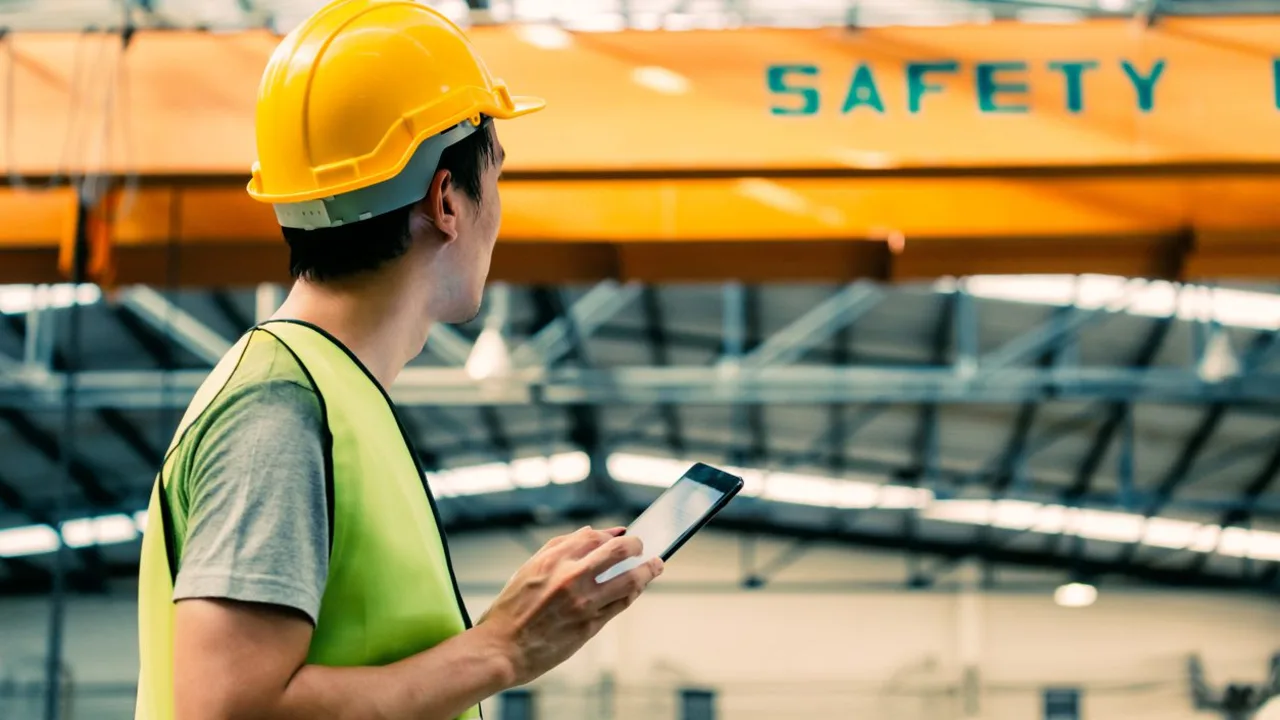
Workplace safety has always relied on a combination of rules, supervision, and training. Yet despite strict regulations and frequent audits, industrial accidents remain a persistent global challenge. In sectors such as construction, manufacturing, logistics, and heavy industry, risks are constant and conditions change by the minute. Traditional safety systems—manual inspections, CCTV cameras, and compliance checklists—are often reactive. They document incidents after they occur rather than preventing them in real time.
This is where computer vision safety is transforming the equation. By combining artificial intelligence with real-time video analysis, companies can now detect unsafe behavior, monitor hazard zones, and automate PPE detection before incidents escalate. Instead of waiting for accidents, organizations can intervene instantly, significantly strengthening incident prevention strategies.
What Is Computer Vision Safety?
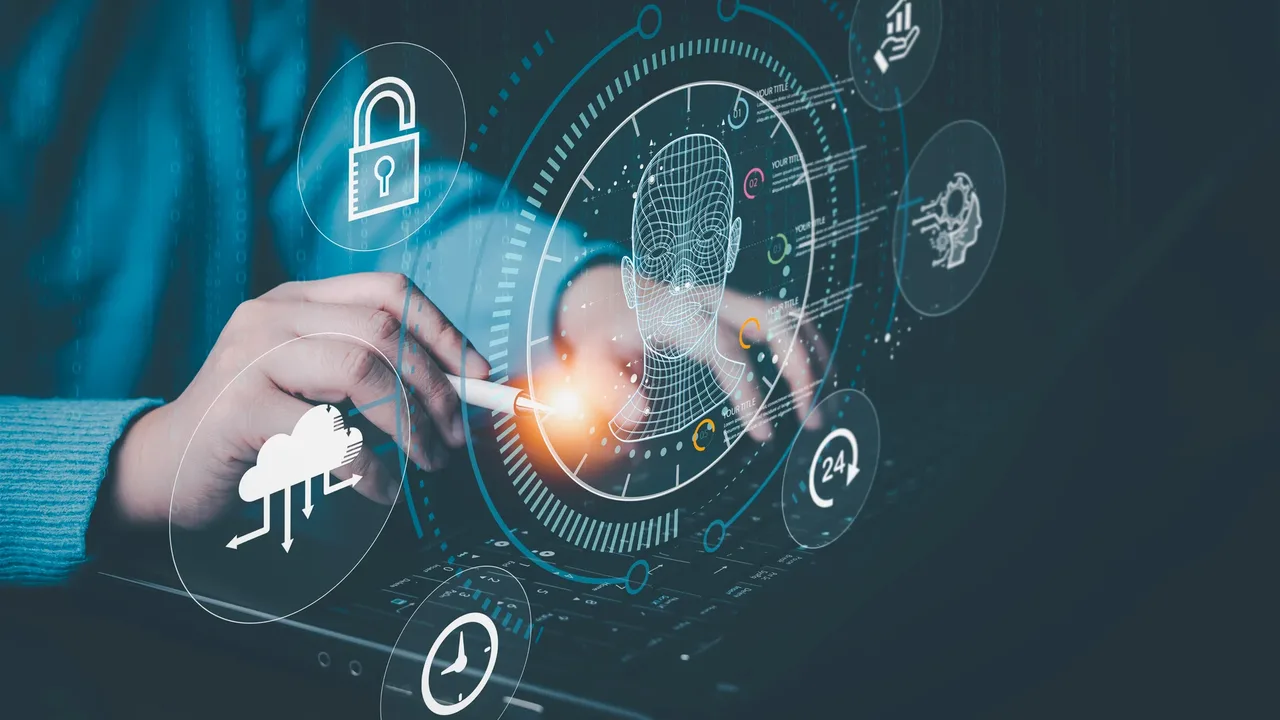
Computer vision safety refers to the use of AI-powered image recognition systems to monitor environments and identify safety risks automatically. Unlike conventional CCTV systems that require human observation, computer vision systems analyze video feeds in real time using deep learning algorithms. These systems can recognize objects, track movement, detect patterns, and trigger alerts within seconds.
The process typically works as follows:
- Cameras capture continuous video streams.
- An AI model processes the visual data.
- Objects such as helmets, vests, machinery, or people are identified.
- If unsafe conditions are detected, alerts are triggered immediately.
This automated approach transforms passive surveillance into active protection. Instead of relying on supervisors to watch multiple screens, the system flags potential risks automatically—reducing human fatigue and oversight errors.
Modern systems leverage convolutional neural networks (CNNs), the same foundational technology used in facial recognition and autonomous vehicles. According to research in artificial intelligence and computer vision frameworks developed by organizations such as NVIDIA’s computer vision platforms, real-time object detection models can process video frames with sub-second latency, making immediate risk detection feasible even in complex industrial environments.
PPE Detection: Automating Compliance Monitoring
One of the most practical applications of computer vision safety is automated PPE detection. Personal Protective Equipment—such as hard hats, safety vests, gloves, goggles, and face shields—is mandatory in most industrial settings. However, enforcing compliance consistently is challenging, especially on large sites with hundreds of workers.
Traditionally, safety officers conduct visual inspections or random checks. These methods are labor-intensive and inherently inconsistent. Workers may remove helmets temporarily, wear vests incorrectly, or forget protective eyewear when supervisors are not nearby.
AI-powered PPE detection addresses this gap by continuously monitoring whether workers are properly equipped. The system can:
- Detect the presence or absence of hard hats.
- Identify high-visibility safety vests.
- Recognize protective gloves and eye protection.
- Trigger alerts when non-compliance occurs.
For example, if a worker enters a restricted area without a helmet, the system can immediately send an alert to supervisors or activate an audible warning near the entry point. This immediate feedback loop significantly improves compliance rates.
| Parameter | Manual Monitoring | AI-Based PPE Detection |
|---|---|---|
| Coverage | Periodic checks | Continuous monitoring |
| Consistency | Variable | High and standardized |
| Response Time | Delayed | Real-time alerts |
| Labor Requirement | High | Lower after deployment |
The result is a safer workplace with measurable compliance improvements. Over time, consistent enforcement fosters stronger safety culture and reduces preventable injuries.
Hazard Zones and Real-Time Risk Identification
Beyond PPE compliance, computer vision safety systems excel at monitoring hazard zones. Industrial sites contain multiple high-risk areas—heavy machinery zones, crane operating radii, molten material sections, forklift pathways, and loading docks. Even experienced workers can misjudge distances or become distracted in dynamic environments.
Using geofencing techniques combined with object tracking, AI systems define virtual safety perimeters within camera views. When a worker crosses into a restricted zone without authorization—or when a vehicle approaches too closely—the system flags the event instantly.
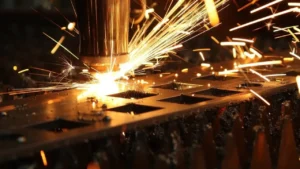
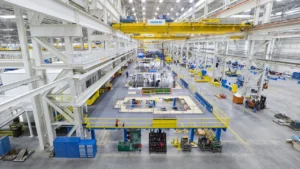
Consider a steel fabrication workshop where overhead cranes move large components. Computer vision can track both crane hooks and workers simultaneously. If a worker steps into the crane’s swing radius, the system identifies the proximity and generates a real-time alert. This proactive detection significantly reduces collision risks.
Similarly, in logistics facilities, AI can monitor forklift–pedestrian interactions. By calculating movement trajectories, the system detects near-miss patterns and warns operators before contact occurs. This capability turns surveillance into predictive hazard management.
Incident Prevention Through Predictive Monitoring
Detection alone is not enough. The real power of computer vision safety lies in its contribution to incident prevention. By analyzing patterns over time, AI systems can identify recurring unsafe behaviors and structural risk factors.
For example:
- Repeated failure to wear PPE in a specific zone.
- Frequent congestion near machinery during shift changes.
- Unsafe body posture while lifting heavy loads.
- Near-miss forklift interactions in tight corridors.
When these patterns emerge, safety managers can adjust workflows, redesign site layouts, or conduct targeted training sessions. Instead of reacting to accidents, organizations proactively mitigate risks.
Some advanced systems also apply behavior analytics to generate risk scores for specific areas. If a zone accumulates multiple near-miss events, the platform flags it as high risk, prompting management intervention. Over time, this data-driven strategy significantly strengthens incident prevention programs.
Applications Across Industries
Construction Sites
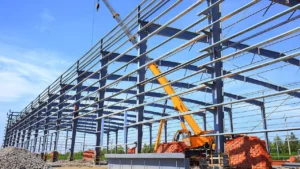
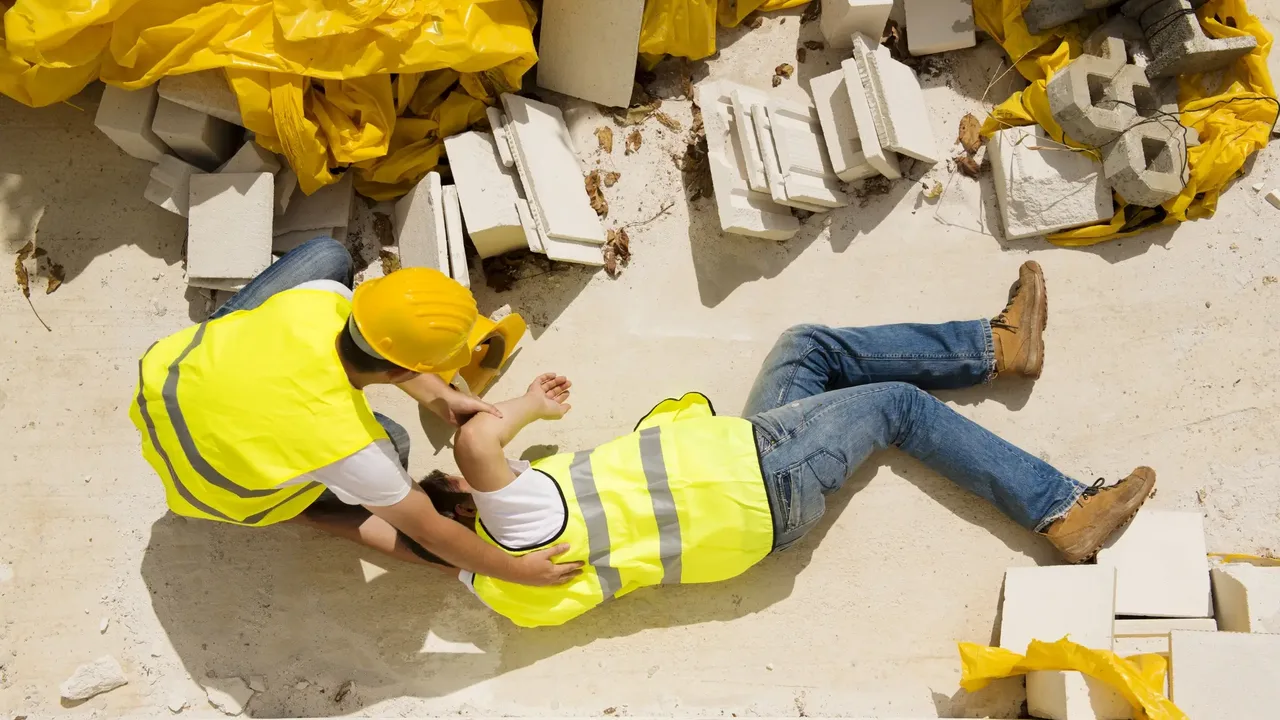
Construction environments are unpredictable and fast-moving. Computer vision safety systems can detect falls from heights, monitor scaffold integrity, and ensure PPE compliance across sprawling worksites. With real-time alerts, site supervisors gain visibility without physically inspecting every corner.
Manufacturing and Heavy Industry
In manufacturing plants and steel facilities, hazard zones are often tied to heavy equipment and high temperatures. AI-powered monitoring enhances PPE detection, tracks worker proximity to dangerous machinery, and reduces exposure to heat-intensive processes.
Warehousing and Logistics
Warehouses prioritize efficiency, but speed can increase accident risk. Computer vision safety systems help prevent forklift collisions, monitor loading dock operations, and maintain safe pedestrian pathways. By detecting unsafe patterns in real time, facilities maintain productivity without compromising safety.
System Architecture: How Computer Vision Safety Works in Practice
Implementing computer vision safety requires more than just installing cameras. A complete system integrates hardware, AI processing, and response mechanisms into a unified safety ecosystem. While configurations vary depending on site complexity, most deployments include the following core components:
- High-resolution IP cameras positioned strategically across hazard zones.
- Edge or cloud AI processors that analyze video streams in real time.
- Centralized monitoring dashboard for safety managers.
- Alert systems such as SMS notifications, warning lights, or audible alarms.
Edge computing has become increasingly popular because it minimizes latency. Instead of sending video feeds to a remote server for analysis, edge devices process data locally—often achieving detection speeds of under one second. This speed is critical in high-risk environments where a delayed alert could mean the difference between prevention and injury.
Cloud-based systems, on the other hand, allow multi-site operations to centralize data and perform broader analytics. Large enterprises often combine both approaches: edge devices handle real-time PPE detection and hazard monitoring, while cloud platforms analyze long-term incident prevention trends across facilities.
Data storage and privacy considerations are equally important. Many systems are designed to analyze video without permanently storing identifiable footage, instead logging metadata such as timestamps, event type, and risk category. This approach balances safety benefits with employee privacy protection.
Measuring ROI: Is Computer Vision Safety Worth the Investment?
For decision-makers, the question often comes down to return on investment. Deploying computer vision safety systems requires upfront spending on cameras, software licenses, and integration. However, the financial impact of workplace incidents is far greater than many organizations realize.
The direct and indirect costs of accidents include:
- Medical expenses and compensation claims.
- Operational downtime and lost productivity.
- Regulatory penalties and legal exposure.
- Increased insurance premiums.
- Reputational damage.
Consider a manufacturing plant where a single serious injury results in $150,000 in combined direct and indirect costs. If AI-powered monitoring prevents even one major incident per year, the system effectively pays for itself. Over time, reduced incident frequency can lower insurance premiums and improve compliance ratings.
| Cost Factor | Without AI Monitoring | With Computer Vision Safety |
|---|---|---|
| Incident Frequency | Higher | Reduced |
| Insurance Premium | Increasing annually | Potentially stabilized or lowered |
| Compliance Violations | Reactive corrections | Proactive detection |
| Operational Downtime | Unpredictable | Minimized |
Beyond financial savings, many companies see improvements in ESG performance metrics. Demonstrating strong incident prevention initiatives supports sustainability reporting and enhances stakeholder confidence.
Limitations and Ethical Considerations
Despite its advantages, computer vision safety is not without limitations. False positives—such as misidentifying shadows as safety violations—can create unnecessary alerts. Conversely, false negatives may occur if lighting conditions are poor or camera angles are obstructed.
Privacy concerns also deserve careful attention. Workers may initially perceive AI monitoring as intrusive. Clear communication about system purpose, data handling policies, and safety objectives is essential to build trust. Transparent governance ensures that technology supports workers rather than surveils them unfairly.
Organizations must also comply with regional data protection laws. Proper anonymization, limited data retention policies, and secure storage protocols help align safety innovation with regulatory frameworks.
Future Trends in Computer Vision Safety
The evolution of computer vision safety is accelerating alongside broader Industry 4.0 transformation. Emerging developments promise even more advanced capabilities:
- Self-learning AI models: Systems that continuously improve detection accuracy based on site-specific data.
- Wearable integration: Smart helmets and vests transmitting location data to enhance hazard zone awareness.
- 3D vision and LiDAR: Depth sensing technologies that improve distance measurement and collision prediction.
- Behavior-based analytics: Scoring systems that evaluate cumulative safety risk patterns over time.
As these technologies mature, the focus will shift further from reactive compliance to predictive risk management. Instead of merely detecting unsafe actions, systems will anticipate them—transforming incident prevention into a continuous, adaptive process.
From Surveillance to Prevention
The transition from passive monitoring to proactive protection marks a fundamental shift in workplace safety strategy. Computer vision safety enables organizations to automate PPE detection, monitor hazard zones, and implement intelligent incident prevention in real time. By leveraging AI-driven analysis, companies gain visibility that human supervisors alone cannot provide.
In high-risk industries, every second matters. Real-time detection empowers faster intervention, reduces accidents, and builds a culture of accountability. While technology alone cannot eliminate all risks, it significantly strengthens the safety framework that protects workers daily.
As industries continue digitizing operations, computer vision will increasingly become a cornerstone of modern safety management—turning cameras from passive observers into active guardians of the workplace.