Choosing Roof and Wall Panels for Harsh Industrial Environments
Industrial buildings are exposed to some of the harshest conditions imaginable—corrosive chemicals, extreme temperatures, humidity, dust, and UV radiation. In these environments, the wrong choice of roof or wall panels can lead to early degradation, leaks, or even structural failure. Smart industrial roof wall panel selection is therefore more than a design decision—it’s a risk management strategy that protects assets, reduces maintenance, and improves energy efficiency.
Whether you are building a coastal factory, a chemical warehouse, or a power plant, choosing the right panels involves balancing multiple factors: strength, corrosion resistance, thermal insulation, and moisture control. This article explains how to evaluate those parameters and make informed, cost-effective decisions for industrial durability.
Understanding Industrial Roof and Wall Panel Selection
In simple terms, industrial roof wall panel selection refers to identifying the most suitable combination of materials, coatings, and insulation for the project’s specific environment. A good panel system does more than cover a building—it defends it against heat, corrosion, and water intrusion, while maintaining long-term structural performance.
Selection typically includes these core criteria:
- Mechanical strength: Ability to withstand wind, snow, or machinery-induced vibration.
- Corrosion resistance: Protection against chemicals, salt, and humidity.
- Thermal performance: Preventing energy loss and maintaining stable internal temperature.
- Condensation control: Managing moisture accumulation inside the roof or wall layers.
Different environments demand different material responses. A cold-storage facility may require high insulation and vapor barriers, while a fertilizer plant needs superior anti-corrosion coatings. International standards such as ASTM A792 (for Al-Zn coatings) or ISO 12944 (for corrosion protection) guide manufacturers and engineers in specifying proper panel systems for industrial applications.
Environmental Challenges in Industrial Construction
Industrial panels operate under tough, relentless exposure. The environmental stressors affecting them can be grouped into four main categories:
- Moisture and humidity: Persistent condensation can corrode metal surfaces or saturate insulation, leading to structural weakness.
- Chemical exposure: Fumes from acids, fertilizers, or cleaning agents can accelerate metal corrosion and paint degradation.
- Thermal stress: Constant expansion and contraction from temperature changes weaken joints and coatings.
- Particulate and UV damage: Dust, sand, and radiation wear down coatings and reduce reflectivity over time.
Every site poses a unique mix of these stressors. For example, coastal plants face salt-laden air that attacks steel coatings, while inland facilities often deal with high dust abrasion. Understanding these variables is essential before deciding on the right panel system.
Corrosion Resistance: The First Line of Defense
Among all performance factors, corrosion resistance is arguably the most important in panel selection. Once corrosion begins, it spreads quickly—compromising both appearance and structural stability. Choosing materials with high resistance to corrosion ensures a longer service life and lower maintenance costs.
Different environments call for specific metal types and coatings:
- Galvanized steel: Coated with zinc for basic protection; suitable for dry or mildly humid areas.
- Al-Zn alloy steel (Galvalume®): Excellent balance of strength and corrosion resistance; ideal for coastal or high-humidity zones.
- Stainless steel: Maximum protection against chemicals and acids; best for fertilizer, food processing, and wastewater facilities.
- Aluminum panels: Lightweight and corrosion-proof, used widely in marine or aviation environments.
Surface coatings play an equally critical role. PVDF paints offer outstanding UV resistance, while epoxy or ceramic layers protect against chemicals. The combination of substrate and coating determines how long the panel can endure without repainting or replacement.
| Material Type | Environment Suitability | Expected Lifespan (Years) |
|---|---|---|
| Galvanized Steel | Dry industrial zones | 10–15 |
| Al-Zn Alloy Steel (Galvalume®) | Coastal, humid climates | 25–30 |
| Stainless Steel | Chemical, food, marine | 35–50 |
| Aluminum | Marine, aerospace | 30–40 |
It’s also vital to consider fasteners and sealants. Incompatible materials can cause galvanic corrosion, where two metals react electrochemically. Always pair panel substrates with matching or neutral fasteners and non-reactive sealants.
Thermal Insulation and Energy Efficiency
Thermal performance is another critical part of industrial roof wall panel selection. In manufacturing plants, stable indoor temperatures can protect machinery, ensure worker comfort, and cut energy costs. The insulation core used in sandwich panels largely determines this performance.
Common insulation cores include:
- PUR (Polyurethane): High insulation value, moderate fire resistance.
- PIR (Polyisocyanurate): Enhanced fire resistance and higher temperature tolerance.
- Rock wool: Excellent fireproofing, sound insulation, and moisture resistance.
- EPS (Expanded Polystyrene): Low cost and lightweight but lower fire resistance.
Below is a comparison of thermal resistance (R-value) per thickness:
| Insulation Core | R-Value (m²·K/W per 100 mm) | Fire Rating |
|---|---|---|
| PUR | 4.5 | B2 |
| PIR | 5.0 | B1 |
| Rock Wool | 3.2 | A1 |
| EPS | 2.8 | B3 |
In regions with extreme temperatures or significant temperature fluctuation, high R-value materials reduce cooling and heating loads substantially. Insulated sandwich panels with properly sealed joints can cut energy consumption by up to 30% compared to uninsulated systems. Moreover, many advanced coatings reflect solar radiation, helping maintain cooler roof surfaces in hot climates.
Condensation Control and Moisture Management
Moisture buildup is one of the silent killers of metal panel systems. Condensation occurs when warm, humid air meets a cold surface, forming water droplets that corrode metal or damage insulation. Proper condensation control is therefore a key design aspect in industrial facilities.
Effective methods include:
- Installing vapor barriers or underlays on the interior side of the panel.
- Adding air gaps or ventilated cavities to allow moisture evaporation.
- Applying anti-condensation coatings that absorb and later release moisture safely.
- Integrating humidity sensors to monitor interior climate conditions.
Panel profiles also influence moisture management. Deep-ribbed profiles help channel condensation away from joints, while concealed fasteners prevent water ingress. In large industrial facilities, designers often integrate roof ventilation systems to balance internal humidity levels throughout the year.
Failure to manage condensation can lead to corrosion from the inside out—an issue much harder to detect and repair than external damage. Proactive design at the selection stage minimizes long-term maintenance costs and extends panel lifespan.
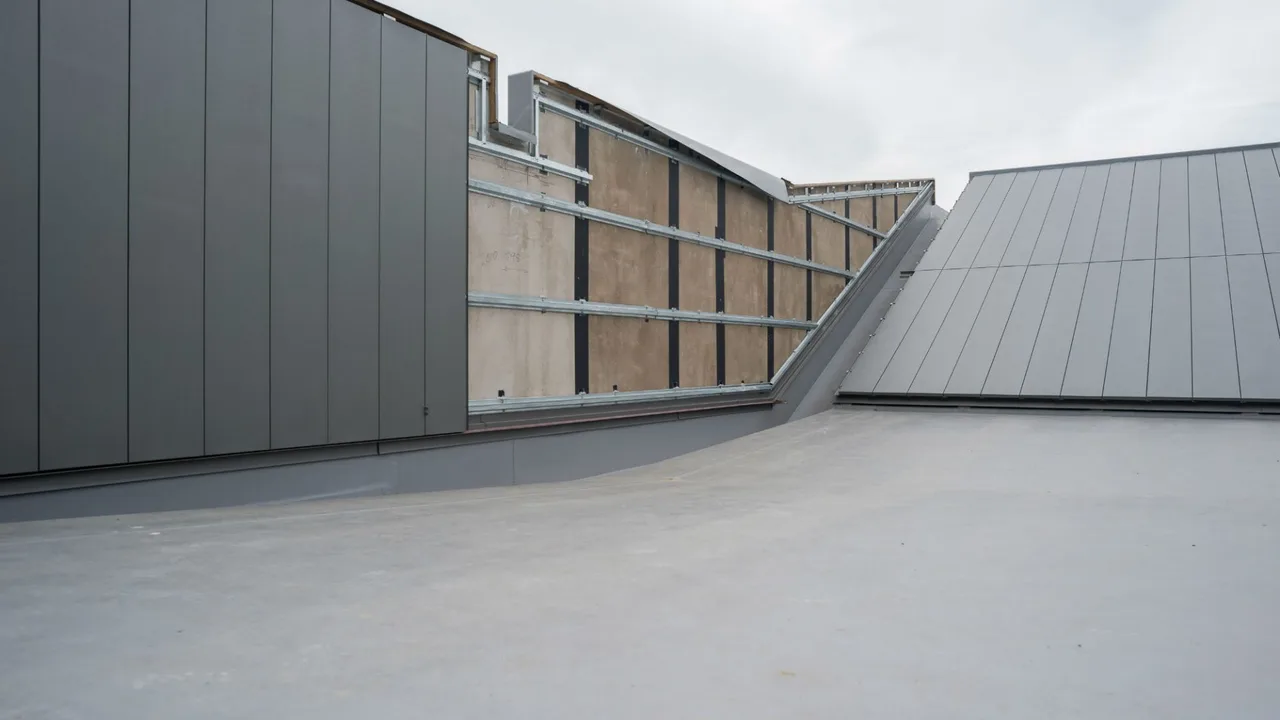
Mechanical Strength and Structural Performance
In harsh environments, the strength of the panels themselves plays a vital role in building resilience. A well-chosen industrial roof wall panel selection should not only resist corrosion but also withstand wind pressure, mechanical impact, and vibrations from heavy equipment. The structural profile—rib height, spacing, and gauge thickness—determines how panels distribute loads across the building frame.
For example, a 0.6 mm thick panel with deep ribs can span longer distances and resist uplift forces better than a thinner, flat panel. Engineers rely on international testing standards such as ASTM E1592 and EN 508-1 to evaluate panel strength under simulated real-world conditions. These standards ensure performance consistency across climates and applications.
Designing for resilience also means anticipating load combinations: wind plus rain, or snow plus suction pressure. Reinforcing purlins, adding intermediate supports, or selecting stiffer profiles can significantly extend panel lifespan and minimize deflection.
Fire Resistance and Safety Considerations
Fire performance is often overlooked until it’s too late. Yet in industrial facilities, where high temperatures and flammable substances are common, fire-rated panels can save lives and protect infrastructure. Insulation type and joint design are key to ensuring adequate fire protection.
Among the available materials, mineral wool (rock wool) stands out for its superior fire resistance. It can withstand temperatures exceeding 1,000°C without melting, while PIR cores provide a balance between insulation efficiency and moderate fire performance. Additionally, noncombustible coatings and ceramic finishes help delay flame spread and reduce toxic emissions.
Fire-rated assemblies are typically tested according to ASTM E119 or EN 13501, classifying panels from A1 (noncombustible) to B3 (combustible). Using A1 or B1-rated panels in high-risk zones such as chemical or energy plants greatly improves building safety. Proper detailing at joints and sealants ensures that the barrier remains continuous, preventing fire from penetrating between panels.
Lifecycle Cost Analysis and Maintenance Planning
When evaluating industrial roof wall panel selection, the cheapest option isn’t always the most economical. Lifecycle cost analysis (LCCA) helps compare the total expense of different materials over time—including installation, maintenance, and potential replacement. A panel that costs 20% more initially but lasts twice as long offers better value in the long run.
Maintenance frequency, coating durability, and insulation stability all influence lifecycle costs. PVDF-coated Al-Zn steel panels, for instance, can remain maintenance-free for decades, whereas low-grade galvanized panels may require repainting every five years. By quantifying these differences, engineers and project owners can make informed investment choices that align with operational goals.
A simple ROI calculation illustrates the point:
ROI = (Lifetime Savings − Additional Initial Cost) ÷ Additional Initial Cost × 100%
If a high-performance panel saves $200,000 in maintenance over 20 years while costing $50,000 more upfront, the ROI is 300%. This type of analysis shifts the decision-making process from short-term budgeting to long-term performance strategy.
Integration with Building Systems and Sustainability Goals
Modern industrial facilities demand more than protection—they must align with environmental and operational efficiency standards. Integrating roof and wall panels with ventilation, lighting, and water management systems enhances overall building performance. Many high-end panels now include integrated daylighting options, reflective coatings, and rainwater drainage features.
From a sustainability standpoint, recyclable materials and low-VOC coatings reduce environmental impact during both construction and disposal. Panels with high solar reflectivity (cool roofs) lower energy loads and qualify for green building certifications like LEED or BREEAM. For additional insight, resources such as the Building Enclosure portal provide expert analysis on envelope design and sustainable cladding technologies.
These considerations not only support corporate sustainability goals but also improve working conditions inside the facility by stabilizing temperature, humidity, and air quality.
Case Study: Harsh-Environment Facilities Done Right
Consider a petrochemical warehouse located near a coastal port—an environment combining humidity, salt air, and chemical fumes. The facility originally used basic galvanized steel panels that corroded within seven years. After a retrofit using Al-Zn alloy panels with PVDF coatings and rock-wool cores, corrosion dropped by 90%, and internal temperatures stabilized within ±2°C year-round.
Maintenance costs were reduced by half, while the building’s lifespan effectively doubled. The success of this upgrade highlights the importance of comprehensive industrial roof wall panel selection that considers both external and internal conditions from the start.
Similar outcomes have been observed in power plants, cold-storage depots, and water-treatment facilities, proving that strategic material selection delivers measurable operational advantages across industries.
Conclusion: Building for Durability and Efficiency
Every harsh industrial environment tells the same story: materials matter. Effective industrial roof wall panel selection ensures protection against corrosion, optimizes energy performance, and reduces maintenance over the structure’s lifetime. By prioritizing corrosion resistance, insulation value, and moisture control, designers can extend service life while keeping operational costs low.
Ultimately, selecting the right roof and wall panels isn’t just about compliance—it’s about building smarter, safer, and more efficient facilities that can thrive under pressure. When materials, coatings, and systems work together, industrial buildings achieve resilience that pays for itself many times over.
In an era where sustainability and reliability define industrial success, making informed panel choices today lays the foundation for decades of performance tomorrow.