Nesting Software Explained: How Shops Reduce Scrap
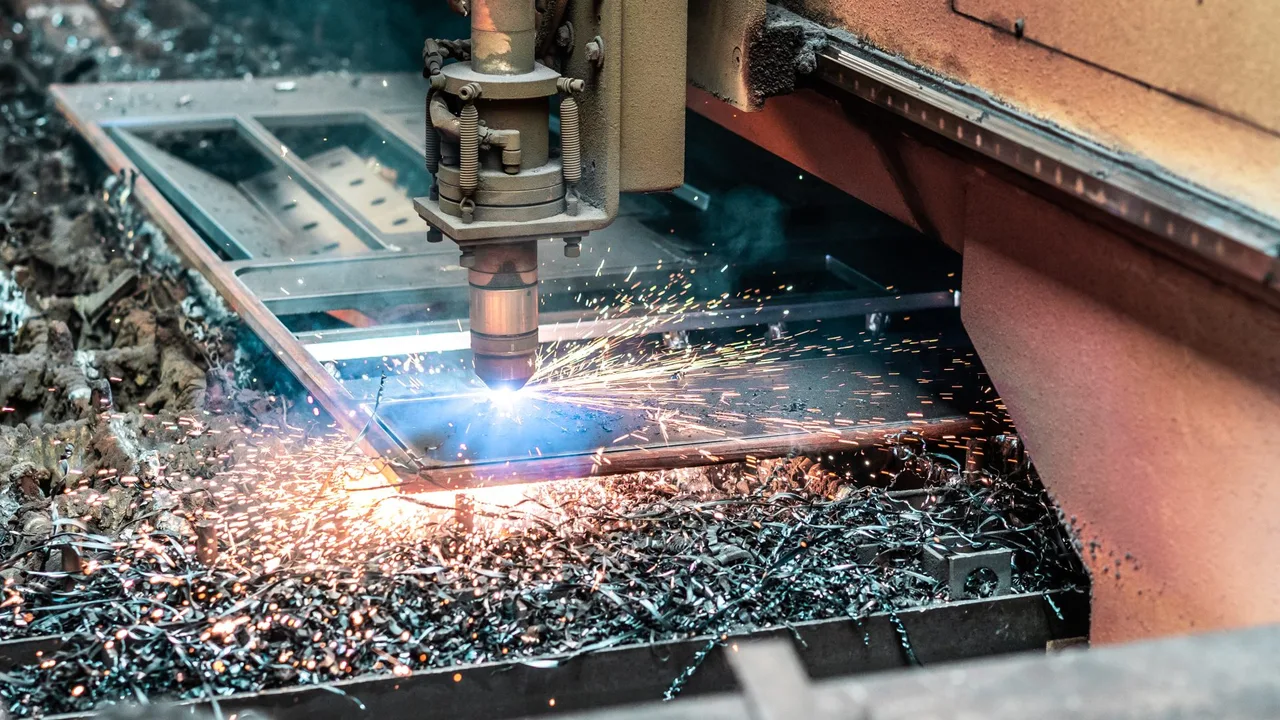
In the fast-paced world of metal fabrication, even small inefficiencies can erode profit margins. One of the most significant hidden costs in this industry is scrap material waste. Every plate or sheet that’s not fully utilized represents lost revenue, wasted energy, and reduced sustainability. To combat this, manufacturers are increasingly turning to nesting software for steel cutting—a digital solution designed to optimize layouts, improve yield, and minimize waste.
This article dives deep into how nesting technology works, why it’s become indispensable in steel fabrication, and what measurable benefits it brings to cutting shops worldwide.
The Cost of Waste in Steel Fabrication
Steel fabrication is inherently material-intensive. For every project, whether it’s producing heavy beams, flanges, or sheet components, the cost of raw materials can account for up to 60–70% of total production expenses. Inefficient cutting plans or poor nesting layouts can lead to 10–25% material loss, directly impacting profitability. In competitive markets, these losses can mean the difference between success and survival.
Beyond cost, waste also affects environmental sustainability. Unused offcuts and oversized remnants contribute to excess storage, recycling expenses, and carbon emissions from reprocessing. As steel fabrication shifts toward lean manufacturing, the adoption of data-driven nesting systems has become essential to reduce waste and improve both yield and sustainability performance.
Understanding Nesting Software for Steel Cutting
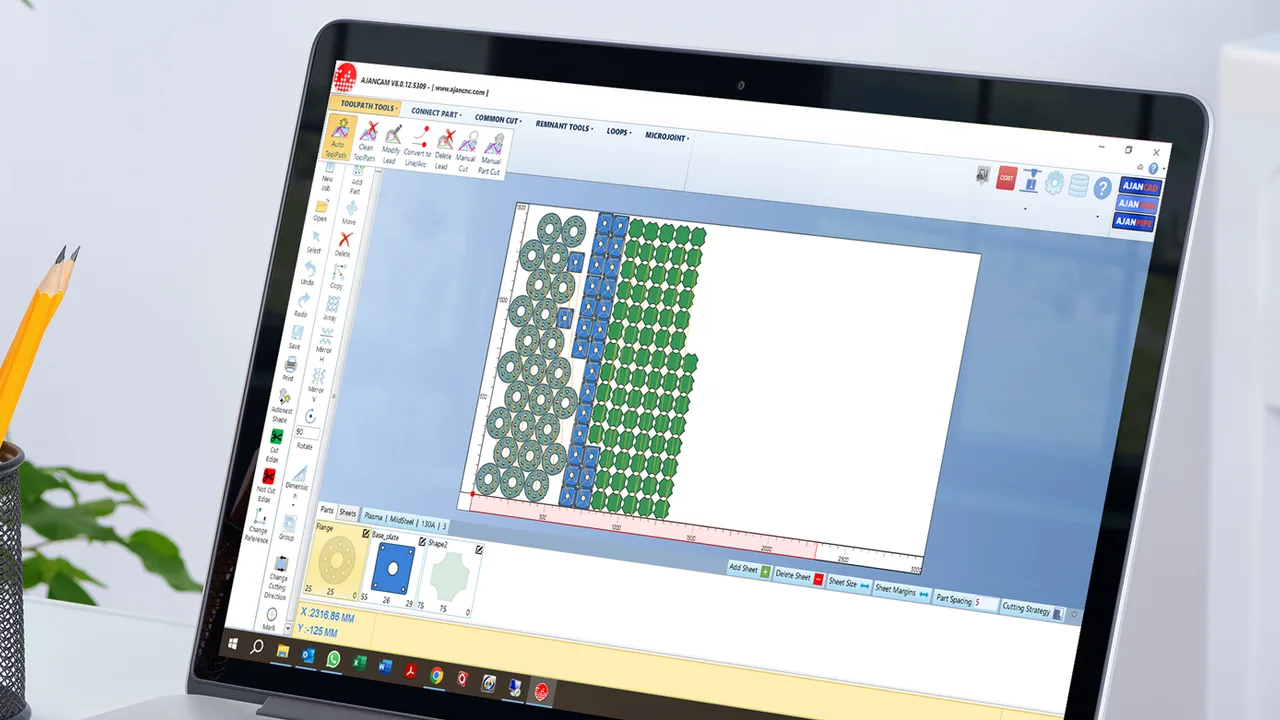
Nesting software for steel cutting is a specialized type of CAD/CAM application that determines the most efficient way to arrange multiple parts on a raw material sheet or plate. The goal is simple but powerful: maximize material utilization while minimizing scrap. Using complex algorithms—often based on artificial intelligence or heuristic optimization—the software automatically generates cutting layouts that fit as many parts as possible into each plate.
In traditional fabrication, operators manually arrange parts on sheets, often relying on experience and visual judgment. While effective for simple jobs, manual nesting becomes impractical when dealing with hundreds of parts or irregular shapes. By automating the nesting process, the software ensures that every square inch of material is used intelligently.
For example, when cutting components for structural assemblies or prefabricated modules, nesting programs automatically consider part geometry, grain direction, cutting kerf, and machine constraints. The result is an optimized cutting plan ready to send directly to CNC plasma, laser, or oxy-fuel systems.
Why Nesting Matters: The Economics of Material Utilization
Every ton of steel saved directly translates into reduced production costs and increased profitability. Material utilization—the percentage of a raw plate that becomes usable parts rather than scrap—is the core metric that determines efficiency in steel fabrication. Higher utilization rates mean fewer sheets purchased, less inventory, and reduced environmental footprint.
Consider this simplified example:
- Manual layout: 70% utilization (30% waste)
- Software-based nesting: 92% utilization (8% waste)
For a plant processing 100 tons of steel per month at $800 per ton, improving utilization by 20% saves approximately $16,000 monthly—nearly $200,000 annually. These savings compound further when factoring in reduced handling time, less scrap storage, and smoother logistics. In short, effective nesting transforms material management from a cost center into a profit lever.
Core Features of Modern Nesting Software
The latest generation of nesting software for steel cutting integrates multiple intelligent features that make it indispensable in modern fabrication workflows:
- Automatic nesting algorithms: Using AI or heuristic-based optimization, the software calculates the best possible layouts for varying part sizes and shapes, minimizing leftover space.
- Cutting path optimization: Smart sequencing of tool movements reduces machine idle time, cutting distance, and heat distortion, resulting in cleaner edges and longer consumable life.
- Material library and plate inventory: Tracks available sheet sizes and thicknesses, ensuring that the system automatically selects the right plate for each job.
- Remnant management: Stores data for leftover material (remnants) and reuses them for future projects, pushing material utilization even higher.
- ERP/MRP integration: Links nesting data with enterprise systems to improve inventory visibility, job costing, and real-time scheduling.
These capabilities not only boost production efficiency but also create a seamless digital thread from design to manufacturing, ensuring data consistency across departments.
How Cutting Plans Improve Yield and Efficiency
At the core of every nesting process is the cutting plan—the digital roadmap that guides CNC machines during the fabrication process. Cutting plans define not only the layout of parts on the plate but also the sequence, direction, and path of the cutting head. By optimizing this plan, nesting software minimizes material waste, reduces machine movement, and ensures balanced thermal distribution.
The workflow typically follows this sequence:
- Import CAD drawings or DXF files of the required parts.
- The software automatically nests all components into available plate sizes.
- Cutting plans are generated and sent to the CNC controller.
- Operators verify the layout, make minor adjustments if necessary, and begin cutting.
For high-volume fabrication shops, this process can save hours of setup time daily. The software even accounts for past cutting data—tracking leftover material or remnant patterns—to continuously refine the layout for future jobs.
Practical Comparison: Manual vs. Software-Based Nesting
To understand the practical advantages, it’s useful to compare traditional manual nesting with software-based approaches:
| Parameter | Manual Nesting | Software-Based Nesting |
|---|---|---|
| Time per job | 3–4 hours | 30 minutes or less |
| Material utilization | 70–75% | 90–95% |
| Error rate | High | Minimal |
| Flexibility for remnant use | Low | High |
| Operator skill dependency | High | Low |
The contrast is clear: automation not only saves time but also increases consistency and reliability. A well-implemented nesting system can effectively standardize results across shifts and operators, ensuring predictable quality and throughput.
Many advanced fabrication firms, including global leaders in modular steel structures, have already adopted digital nesting as part of their smart manufacturing strategy. These systems have become as vital as CNC machinery itself, driving both economic and sustainability goals across the sector.
Integration with Steel Production Systems
In modern manufacturing environments, nesting software for steel cutting rarely operates in isolation. It’s part of a wider digital ecosystem that connects design, planning, and production. When properly integrated with ERP (Enterprise Resource Planning) and MES (Manufacturing Execution Systems), the software becomes a core data hub for all fabrication activities.
For instance, when a production order is created in the ERP system, the nesting software automatically accesses the job data, material type, and plate dimensions. Once the nesting layout and cutting plan are generated, the information flows back to MES to schedule machine operations. This seamless exchange minimizes manual data entry, reduces human error, and ensures that each plate used on the shop floor matches the most recent design specifications.
Integration also supports real-time material tracking. When a plate is consumed or a remnant is created, the system updates the material inventory instantly. This visibility helps planners decide when to reorder materials, optimize stock levels, and forecast usage with high accuracy—critical for large fabrication facilities that process hundreds of tons of steel monthly.
Reducing Scrap, Improving Yield: Quantifying the Gains
One of the most compelling advantages of implementing nesting software is its measurable impact on yield. Shops that rely on these systems typically report:
- 5–10% reduction in material waste.
- 15–25% improvement in cutting speed and throughput.
- Shorter setup times and faster quotation cycles.
Let’s put this into perspective with a simple simulation. Suppose a fabrication company processes 100 tons of steel sheets each month, with an average yield of 80%. By improving nesting efficiency to 90%, the company effectively saves 10 tons of material. At $800 per ton, that’s $8,000 saved every month—or nearly $100,000 annually—without increasing production capacity or labor.
These savings can be reinvested into better machinery, automation upgrades, or training programs, further enhancing the company’s competitive position. Additionally, less scrap means lower recycling costs and reduced environmental impact—key priorities in modern industrial sustainability initiatives.
In practical terms, yield optimization also improves scheduling efficiency. With more predictable material usage, planners can commit to tighter deadlines and more consistent delivery schedules. This reliability is particularly critical in industries such as shipbuilding, construction, and prefabricated steel module production.
Choosing the Right Nesting Software
Not all nesting systems are created equal. Selecting the right solution for your fabrication shop depends on multiple factors such as equipment compatibility, workflow complexity, and budget. Here are some essential considerations:
- Machine compatibility: Ensure the software supports your cutting technology—whether it’s plasma, laser, waterjet, or oxy-fuel. Multi-machine compatibility allows centralized nesting for diverse operations.
- Integration capabilities: The best systems connect smoothly with CAD, ERP, and MES platforms, eliminating the need for redundant data handling.
- Algorithm performance: Look for solutions that use advanced AI-driven or adaptive algorithms to continually improve layout efficiency as your part database grows.
- Ease of use: User-friendly interfaces and visual nesting previews help operators make quick decisions and minimize learning curves.
- Licensing and support: Evaluate total cost of ownership, including updates, training, and after-sales service. Cloud-based models are often more scalable for growing shops.
Some fabricators choose to develop custom modules for their workflow, while others adopt commercial platforms with ready integration features. Either way, the key is to treat nesting software not as a standalone tool but as a strategic investment in production efficiency and resource management.
Future Trends in Nesting and Digital Fabrication
As digital transformation reshapes global manufacturing, nesting software for steel cutting continues to evolve beyond simple layout optimization. Several trends are defining the next generation of nesting technology:
- AI-driven optimization: Machine learning models can now analyze historical cutting data to predict the most efficient arrangements, adapt to changing material dimensions, and even learn from operator feedback.
- Cloud-based collaboration: Cloud nesting systems allow multi-site factories to share material libraries and cutting data in real time, improving coordination and reducing redundancy across locations.
- IoT and machine connectivity: Integration with IoT-enabled CNC machines provides live feedback on cutting performance, helping the software fine-tune layouts for better accuracy and reduced wear.
- Sustainability analytics: Emerging solutions can calculate CO₂ savings from reduced waste, supporting ESG reporting and sustainability certifications.
These innovations align with the broader vision of smart manufacturing—where data, automation, and human expertise merge to create leaner, more adaptive production ecosystems. As steel fabrication becomes increasingly digital, companies that embrace these tools will gain a decisive competitive edge in quality, speed, and sustainability.
Conclusion: Smarter Cutting, Leaner Production
The age of manual layout and trial-and-error cutting is ending. Today, nesting software for steel cutting stands at the core of efficient fabrication, transforming how workshops manage materials, plan jobs, and measure success. By reducing scrap, improving yield, and integrating seamlessly into digital production lines, these systems enable smarter, leaner, and more profitable operations.
Whether you’re a small fabrication shop or a large industrial manufacturer, adopting advanced nesting tools isn’t just a matter of convenience—it’s a strategic move toward operational excellence and sustainable growth in a resource-conscious world.
For manufacturers exploring modular construction or large-scale steel fabrication, digital nesting is no longer optional; it’s the standard for competitive survival and continuous improvement. As automation deepens and algorithms grow smarter, the future of steel cutting will belong to those who optimize every millimeter of material.
External Reference: Learn more about the mathematical foundations of the nesting problem and its application in industrial optimization.