Digital Twins for Facilities: Hype vs Real Operations Value
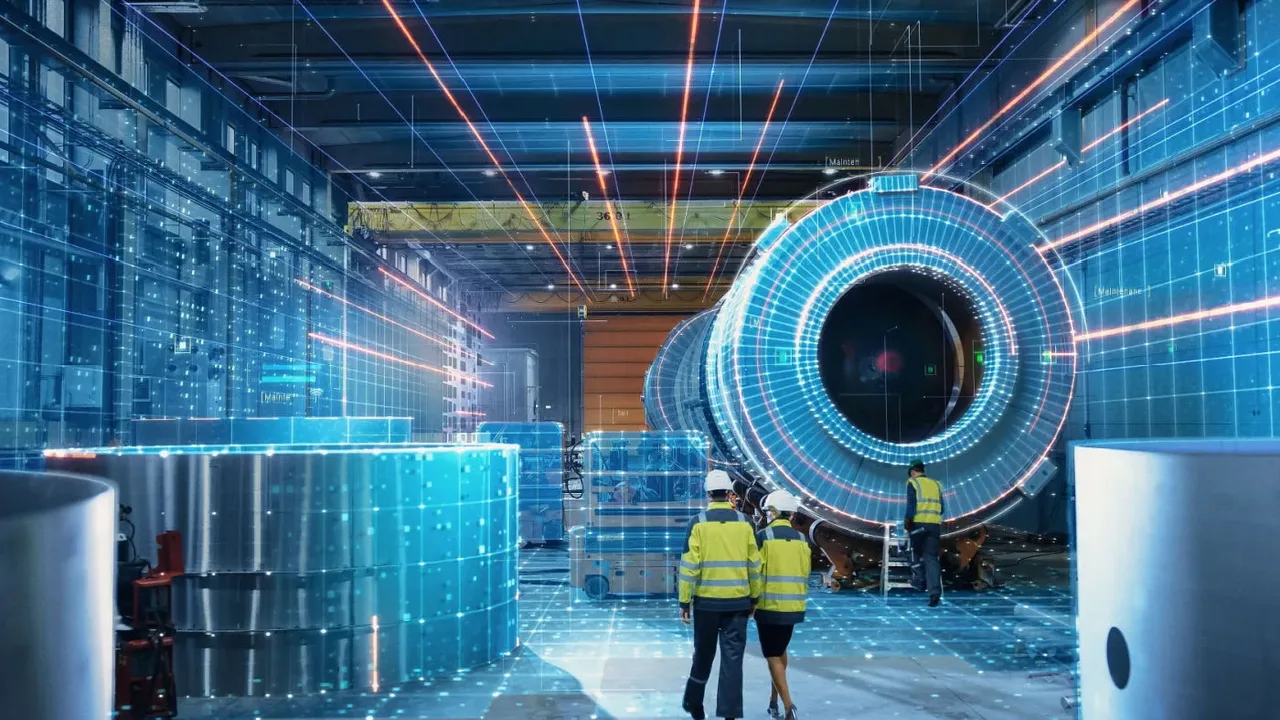
Over the last decade, the term digital twin has become one of the most talked-about technologies in architecture, engineering, and facility management. Vendors promise real-time 3D visualization, predictive analytics, and automated decision-making that can revolutionize how buildings operate. But amid the excitement, many facility owners are still asking the same question: is the digital twin for facilities truly delivering measurable value, or is it just another layer of tech hype?
To answer that, we need to separate marketing buzzwords from the tangible operational benefits that a well-implemented digital twin can bring. This article explores how digital twins have evolved, what real problems they solve, and how companies can unlock value in areas like asset modeling, maintenance planning, and energy optimization.
What Is a Digital Twin for Facilities?
In simple terms, a digital twin for facilities is a dynamic digital replica of a physical building or infrastructure asset. Unlike a static 3D model, a true digital twin connects real-time data from sensors, equipment, and operational systems to create a living, evolving representation of the facility. It allows operators to monitor, simulate, and predict performance across mechanical, electrical, and environmental systems.
Digital twins combine three layers of technology:
- Data integration: real-time feeds from IoT sensors, meters, and automation systems.
- 3D/semantic model: a detailed, object-based model representing each asset, room, and subsystem.
- Analytics layer: software tools that use the data for prediction, optimization, and visualization.
While Building Information Modeling (BIM) focuses on design and construction phases, digital twins extend this concept into operations. A digital twin continuously updates as the building operates, capturing real-time status of HVAC units, elevators, lighting, and occupancy. The result is a platform for smarter decision-making across the facility’s lifecycle.
From 3D Models to Live Assets: The Evolution of Digital Twins
The concept of digital twins originally emerged from the aerospace industry, where engineers needed to simulate and monitor complex systems like aircraft engines. Over time, the same principles found their way into manufacturing, power generation, and eventually, building management. In facilities, digital twins evolved from static BIM models into connected, sensor-driven systems capable of mirroring real-time conditions.
This evolution wasn’t simple. Most organizations face major challenges when attempting to move from 3D visualization to true operational integration:
- Data silos: Building systems—like lighting, HVAC, and security—often operate on separate software that doesn’t communicate easily.
- Incomplete sensor coverage: Not every legacy building has IoT infrastructure or smart meters.
- Cost and complexity: Building an enterprise-grade digital twin requires integration, training, and data governance.
As technology matured, interoperability standards improved, making it easier to connect BIM, IoT, and analytics platforms. What was once a futuristic concept is now a realistic, scalable solution for owners who focus on use cases rather than buzzwords.
The Business Case: Where Digital Twins Create Real Value
Beyond the visual appeal, digital twins create measurable value when they’re tied to specific operational objectives. For facility managers, the most impactful applications revolve around three core areas: maintenance planning, energy optimization, and asset lifecycle management.
- Maintenance Planning: Predicting when equipment will fail instead of waiting for breakdowns. The twin uses live data (temperature, vibration, current draw) to identify anomalies and trigger preventive actions.
- Energy Optimization: Analyzing real-time energy consumption to adjust settings, detect inefficiencies, and simulate savings scenarios.
- Asset Lifecycle Management: Tracking how systems age and degrade over time to inform capital replacement decisions and budgeting.
For example, a large office complex equipped with a digital twin might reduce annual maintenance costs by 20% and lower energy use by 15%. The return on investment (ROI) comes not from the 3D model itself but from the data analytics that support better decisions every day.
Maintenance Planning: Predict Before It Breaks
Traditionally, maintenance in facilities has been either reactive (“fix it when it breaks”) or scheduled (“check it every six months”). Both methods are inefficient—one causes downtime, the other wastes resources. A digital twin for facilities changes that by enabling predictive maintenance, powered by sensor data and analytics.
Imagine a chilled-water pump instrumented with vibration and temperature sensors. The twin receives these inputs continuously, comparing them with historical performance data. If vibration readings exceed normal thresholds, the system issues a maintenance alert before failure occurs. This predictive insight helps avoid costly downtime while optimizing labor and spare parts use.
| Maintenance Type | Trigger | Typical Cost Impact | Downtime Risk |
|---|---|---|---|
| Reactive | After equipment fails | High | High |
| Scheduled | Fixed time interval | Moderate | Medium |
| Predictive (Digital Twin) | Sensor-based condition alerts | Low | Low |
By connecting maintenance data to a Computerized Maintenance Management System (CMMS), the twin automates work orders and tracks performance over time. It essentially turns maintenance from a reactive expense into a proactive investment in reliability.
Energy Optimization: Data-Driven Efficiency
Energy costs are one of the largest operational expenses for any facility, often accounting for 30–40% of total running costs. A properly configured digital twin for facilities gives energy managers a powerful lens to identify inefficiencies and improve sustainability performance.
By aggregating live data from HVAC, lighting, occupancy sensors, and metering systems, the twin can map where and when energy is consumed. Through simulations and predictive models, it can test “what-if” scenarios—such as lowering cooling loads by adjusting setpoints or optimizing equipment runtime during off-peak hours.
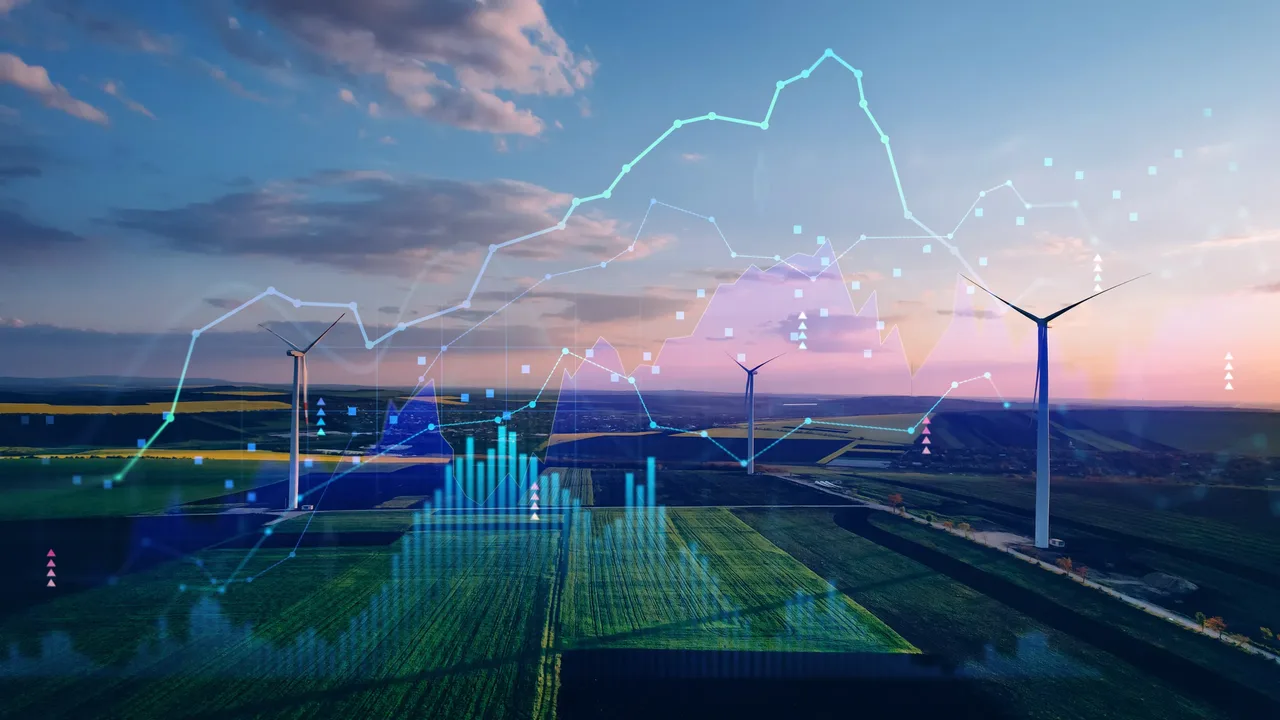
Real-world applications show how facility operators achieve 15–25% energy savings through data-driven optimization. Some digital twin platforms also integrate with smart grid systems, automatically adjusting consumption based on external conditions like weather forecasts or energy pricing trends. Studies by organizations like the International Energy Agency show that such digital control strategies contribute directly to carbon reduction and long-term operational savings.
In essence, energy optimization through digital twins isn’t about visualization—it’s about continuous improvement. Each data loop makes the facility slightly more efficient, a compounding effect that builds meaningful value over time.
Asset Modeling: Building a Living Database
One of the most overlooked advantages of a digital twin for facilities is its role as a continuously evolving asset model. Instead of treating asset information as static records buried in spreadsheets or PDF manuals, the digital twin consolidates every piece of operational data into one dynamic environment. Each mechanical or electrical component within the model becomes a living data point—complete with maintenance history, operating condition, and performance metrics.
This level of visibility allows facility managers to identify underperforming systems quickly. For instance, if a specific chiller consistently consumes more power than others, the digital twin highlights it as an anomaly. Integration with enterprise systems like ERP or IoT dashboards means data updates automatically as the facility changes. The twin essentially becomes a single source of truth for both technical teams and management.
When implemented effectively, asset modeling transforms from documentation to decision support. Teams can visualize complex relationships between systems, evaluate repair-or-replace scenarios, and simulate budget outcomes. Over time, this approach increases transparency and reduces information silos that typically hinder operational efficiency.
Overcoming the Implementation Gap
Despite its potential, many digital twin initiatives fail to deliver their promised results. The gap between concept and execution usually stems from three recurring challenges:
- Lack of ROI focus: Projects often start with a technology-first mindset rather than a problem-solving approach. Without clear business metrics, it’s hard to measure success.
- Data fragmentation: Buildings use multiple proprietary systems that can’t easily communicate, preventing full integration.
- Complexity and cultural resistance: Teams may lack digital training or confidence in automated analytics.
The solution is to start small—deploy a pilot on a single building or subsystem, measure the outcomes, and scale gradually. Choosing open standards and vendor-neutral platforms ensures long-term interoperability. The most successful organizations are those that prioritize usability and measurable KPIs over flashy visualizations.
Integration with Facility Management Systems
A digital twin’s full potential emerges only when it connects seamlessly with other operational systems. In a typical facility, this means integration across three main layers:
- CMMS (Computerized Maintenance Management System): Automates work orders, logs repairs, and links performance data to maintenance history.
- BMS (Building Management System): Controls HVAC, lighting, and security subsystems; the twin overlays analytics and visualization on top.
- IoT and analytics platforms: Collect and process live sensor data to predict faults and optimize performance.
When all these systems operate under a unified digital twin, the result is a truly smart facility. Operators can move from reactive decisions to predictive and prescriptive management. Dashboards display live energy use, temperature, or asset health in one view, turning complexity into clarity.
For example, a manufacturing facility using integrated twins across multiple plants can monitor energy intensity per production line. This real-time insight enables managers to balance loads, reduce waste, and align operations with sustainability targets—transforming facility data into strategic advantage.
Case Example: Digital Twin in a Smart Industrial Facility
Consider a large industrial campus managing 300 pieces of active equipment. Before digital twin adoption, downtime averaged 18 hours per month due to unscheduled maintenance. Energy costs also fluctuated because of inefficient HVAC operation. After implementing a connected digital twin for facilities integrated with IoT sensors and CMMS software, the results were measurable within six months:
- Downtime reduced by 18%.
- Energy consumption decreased by 12%.
- Predictive maintenance accuracy improved by 30%.
The twin also generated detailed reports linking operational KPIs to asset-level data, providing management with a clear view of ROI. Maintenance teams could visualize every pump, valve, and motor in 3D, instantly checking condition and maintenance history. This eliminated paper-based inspections and cut diagnostic time dramatically.
These outcomes demonstrate that the true value of a digital twin isn’t in its graphical sophistication but in how it integrates data to enable faster, better-informed decisions.
Future Outlook: From Digital Twin to Autonomous Operations
The next evolution of digital twin technology goes beyond visualization and monitoring. As artificial intelligence matures, facilities are moving toward autonomous operations—systems that not only detect inefficiencies but correct them automatically. AI-driven twins can simulate operational strategies, optimize settings in real time, and even predict sustainability targets months ahead.
Cloud computing is another game-changer. Cloud-hosted twins allow multi-site organizations to manage hundreds of buildings through a single platform, ensuring consistency in data, analytics, and governance. This democratizes access to advanced analytics for small and medium facilities, not just large corporations.
Moreover, combining twins with augmented reality (AR) and robotics can transform maintenance practices. Technicians can use AR headsets to visualize hidden equipment layers or receive guided repair steps while viewing live sensor data. Robotics can perform inspections autonomously, feeding information back into the twin for continuous learning.
As these technologies converge, the line between physical and digital operations continues to blur. Facilities will gradually evolve into adaptive environments capable of self-optimization—a future where buildings not only “know” their own condition but act on it.
Conclusion: Moving Beyond Hype
The excitement around digital twins is justified—but only when implemented with clear objectives. A digital twin for facilities isn’t just a 3D model or a dashboard; it’s a strategic tool for operational intelligence. Its real power lies in integrating data, enabling predictive maintenance, optimizing energy use, and supporting long-term asset decisions.
By focusing on measurable outcomes—like lower downtime, reduced energy costs, and longer asset life—organizations can move beyond the hype and realize true operational value. Digital twins represent the bridge between data and decision, turning facility management into a proactive, insight-driven discipline rather than a reactive one.
As technology matures and integration barriers fall, the digital twin will become as essential to facilities as BIM was to design. Those who invest early, experiment intelligently, and align technology with business goals will lead the next generation of high-performance buildings and sustainable infrastructure.