Trade Corridors to Watch: Where New Industrial Demand Forms
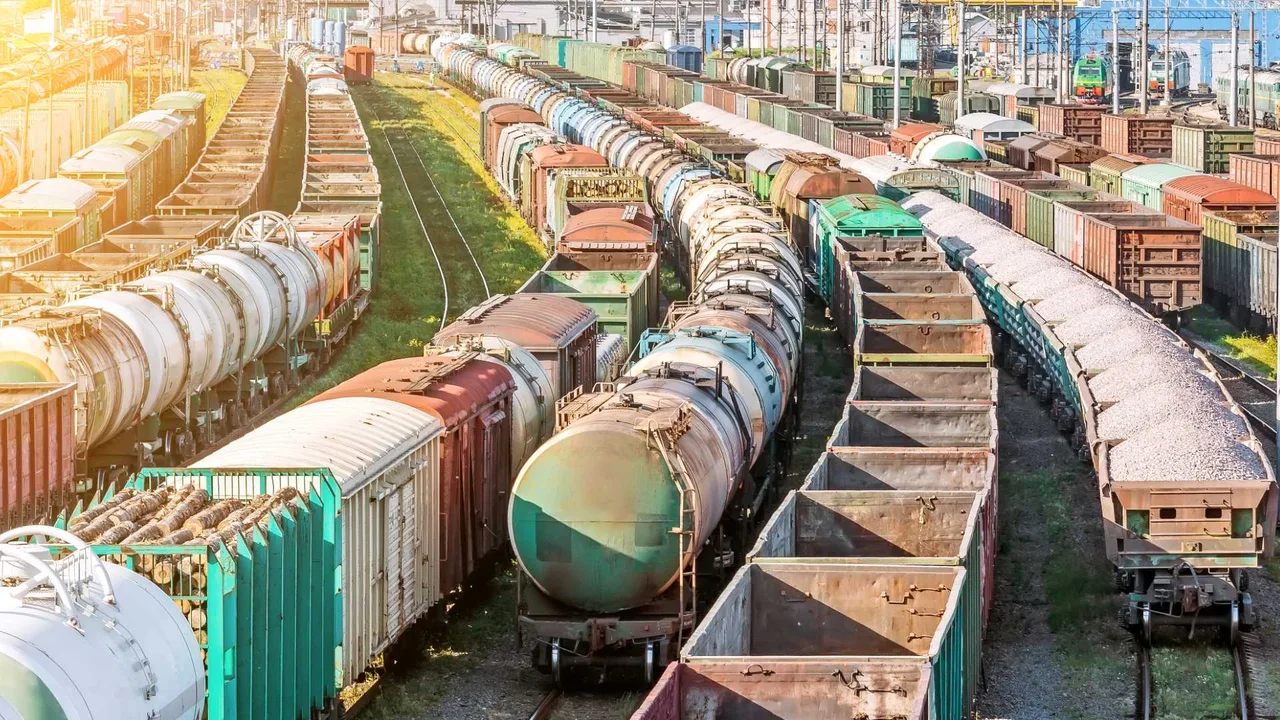
Industrial expansion rarely happens in isolation. It follows movement—of goods, capital, and infrastructure investment. When logistics routes strengthen, factories cluster nearby. When ports expand and rail lines connect inland zones, manufacturing capacity often follows. Understanding trade corridors industrial dynamics provides early signals of where the next wave of production and steel-intensive development may emerge.
In today’s environment of supply chain reconfiguration, nearshoring, and infrastructure stimulus, monitoring corridor shifts has become a strategic advantage for industrial firms. Corridors are not just transport pathways; they are economic arteries shaping regional trade, investment flows, and long-term industrial allocation.
What Defines an Industrial Trade Corridor?
A shipping route alone does not create sustained industrial growth. An industrial corridor combines multiple reinforcing elements:
- Deep-water ports connected to global shipping lanes
- Rail and highway infrastructure linking inland markets
- Manufacturing clusters and supplier ecosystems
- Energy reliability and utility capacity
- Policy incentives such as special zones
When these components align, capital investment accelerates. The result is a structured trade corridors industrial environment where logistics efficiency lowers production costs and attracts large-scale facilities.
Unlike temporary trade spikes, corridors produce durable industrial ecosystems. Steel demand, warehousing development, fabrication yards, and logistics hubs often expand in parallel.
The Link Between Regional Trade and Industrial Expansion
Industrial geography increasingly reflects shifts in regional trade agreements and geopolitical alignment. Trade blocs influence tariff structures, sourcing strategies, and supply chain resilience planning.
Recent trends include:
- Nearshoring to reduce dependency on distant suppliers
- Friend-shoring aligned with geopolitical partnerships
- Tariff-driven relocation of assembly operations
- Intra-Asia production realignment
As companies diversify supply bases, production facilities migrate closer to end markets or trusted partners. This movement reinforces emerging trade corridors industrial clusters, particularly where infrastructure investment supports efficient movement.
Corridors supported by favorable trade agreements tend to experience faster industrial park development and warehousing growth.
Shipping Lanes as Early Industrial Indicators
Changes in global shipping lanes frequently precede visible industrial expansion. Port throughput data, container volume growth, and dry bulk movement provide quantitative signals of corridor momentum.
For example:
- Rising container volumes often correlate with assembly manufacturing growth.
- Increased dry bulk movement may indicate rising steel and raw material demand.
- Port expansion announcements suggest long-term capacity planning.
According to trade flow analyses published by organizations such as UNCTAD, maritime transport trends strongly influence regional industrial competitiveness. Ports that integrate logistics technology and hinterland connectivity typically anchor broader industrial clusters.
When evaluating trade corridors industrial signals, tracking both containerized and bulk cargo movement provides a more complete view of structural demand shifts.
Special Economic Zones and Industrial Clusters
Policy intervention plays a central role in corridor development. Governments frequently establish special zones offering tax incentives, simplified customs procedures, and infrastructure support to attract manufacturers.
These zones often include:
- Reduced corporate tax rates
- Duty exemptions for imported inputs
- Streamlined regulatory approvals
- Integrated logistics facilities
When located along major shipping lanes or connected rail corridors, such zones accelerate the formation of manufacturing ecosystems. The clustering effect lowers supplier costs and increases economies of scale.
As a result, trade corridors industrial growth frequently correlates with targeted policy incentives layered on top of logistics advantages.
Asia: Corridor Expansion and Manufacturing Realignment
Asia remains a focal point for corridor-driven industrial expansion. Southeast Asia has experienced accelerated manufacturing relocation as companies diversify supply chains.
Key drivers include:
- Integration of ASEAN markets enhancing regional trade
- Port-led industrialization models
- Cross-border rail connectivity initiatives
- Growth of export-oriented special zones
Industrial estates near deep-water ports have seen increased steel-intensive development, including warehouses, fabrication facilities, and assembly plants. These trends reinforce the strategic importance of monitoring trade corridors industrial shifts rather than focusing solely on national GDP growth.
Middle East and Africa: Logistics as an Industrial Catalyst
The Middle East continues investing in logistics hubs positioned between Asia, Europe, and Africa. Enhanced port capacity and free trade areas support industrial diversification beyond energy exports.
Meanwhile, parts of Africa are emerging as gateway corridors linking inland markets to global shipping lanes. Infrastructure upgrades—including rail modernization and port deepening—are reshaping long-term production potential.
Where corridor infrastructure aligns with stable policy frameworks and targeted special zones, industrial capacity typically expands over time.
In these regions, trade corridors industrial development is often tied to strategic infrastructure investment rather than purely organic market growth.
North America: Reshoring and Cross-Border Corridors
In North America, reshoring and nearshoring trends have reshaped regional trade patterns. The United States–Mexico corridor, in particular, has strengthened as manufacturers rebalance supply chains closer to end markets.
Improved highway and rail links, combined with industrial park expansion near border crossings, have reinforced this trade corridors industrial dynamic. Automotive, heavy equipment, and appliance manufacturing have expanded in zones that offer logistical proximity to U.S. consumption centers.
Infrastructure modernization—such as port upgrades along the Gulf Coast and intermodal rail investments—continues to support corridor depth. As freight volumes grow, adjacent industrial real estate and fabrication demand typically follow.
Infrastructure Investment as a Leading Indicator
Large-scale infrastructure announcements often precede visible industrial growth. Monitoring public and private capital allocation provides early insight into emerging trade corridors industrial clusters.
Key signals include:
- Deep-water port expansions
- Rail corridor electrification or capacity upgrades
- New logistics parks near major shipping lanes
- Government-backed special zones with integrated utilities
Infrastructure projects reduce transport friction, improve reliability, and attract long-term manufacturing commitments. Once logistics reliability increases, industrial investors often move quickly to secure land and develop facilities.
How Industrial Firms Should Read Corridor Signals
For manufacturers, EPC contractors, and steel suppliers, corridor analysis should be part of strategic planning. Rather than reacting to demand once factories are announced, firms can anticipate growth by monitoring:
- Port throughput data
- Growth in cross-border regional trade
- Expansion of bonded industrial estates
- Shifts in global shipping lanes
When multiple indicators align, the probability of sustained industrial demand increases. Warehousing, fabrication yards, and processing facilities typically expand in tandem with corridor strengthening.
Understanding trade corridors industrial evolution allows companies to position assets ahead of peak demand cycles.
Case Comparison: Mature vs Emerging Corridor
Comparing an established corridor with a developing one illustrates how investment dynamics differ.
| Factor | Mature Corridor | Emerging Corridor |
|---|---|---|
| Land Cost | Higher | Lower |
| Logistics Reliability | Highly predictable | Improving but variable |
| Industrial Ecosystem | Well-established clusters | Developing supplier base |
| Growth Potential | Stable, incremental | Higher upside, higher risk |
Mature corridors provide operational certainty, while emerging ones offer cost advantages and expansion potential. In both cases, the underlying structure of trade corridors industrial growth is rooted in connectivity and policy alignment.
Risks in Following Corridor Trends
Although corridors attract capital, they also carry risk. Industrial investors should assess:
- Geopolitical volatility affecting regional trade
- Policy reversals impacting special zones
- Port congestion or infrastructure delays
- Environmental and regulatory tightening
Overconcentration in a single route may expose firms to unexpected disruptions. Diversified corridor strategies can mitigate these risks.
Logistics Maps Predict Industrial Maps
Industrial expansion follows connectivity. Where shipping lanes intensify, where regional trade agreements strengthen, and where governments establish competitive special zones, manufacturing capacity typically grows.
Monitoring trade corridors industrial dynamics enables firms to anticipate where capital investment, warehouse development, and steel demand will concentrate next.
For market-focused organizations, logistics maps are often the earliest predictors of industrial maps.