Ports, Rail, Roads: Logistics Infrastructure That Shapes Industry
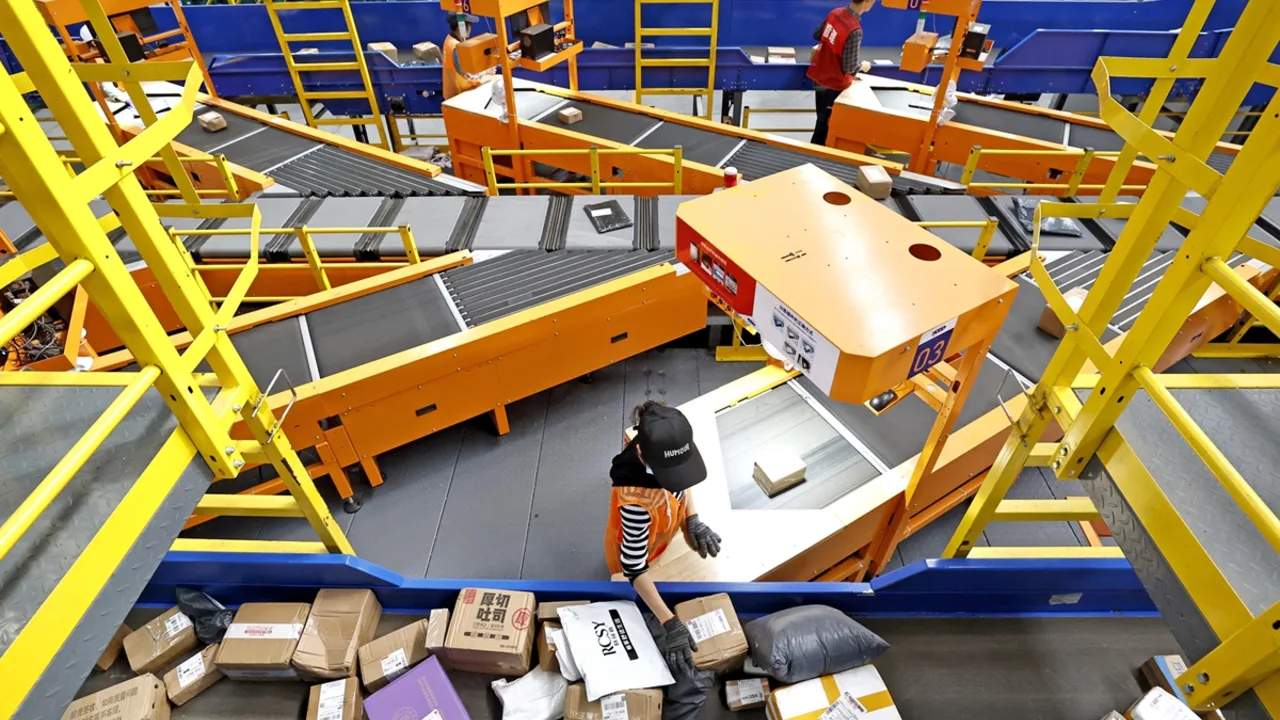
Every industrial economy depends on movement—of goods, materials, and people. Without reliable logistics networks, factories can’t source raw materials, exporters can’t ship finished goods, and retailers can’t restock shelves. In short, logistics is the bloodstream of modern commerce. The strength of that system—its ports, railways, and highways—defines how fast and competitively an industry can operate. Understanding the logistics infrastructure impact on industry reveals why some nations thrive in manufacturing and trade while others struggle with inefficiency and high costs.
From the efficiency of port cranes to the connectivity of rail corridors and the condition of trucking routes, every link in the logistics chain influences industrial productivity. In this article, we explore how infrastructure shapes economic outcomes, where the bottlenecks often arise, and why investment in logistics is now a defining factor for global competitiveness.
Understanding the Logistics Infrastructure Ecosystem
Logistics infrastructure encompasses the entire physical network that enables goods to flow from point of production to point of consumption. It includes seaports, rail corridors, highways, warehouses, and intermodal hubs where cargo shifts between transport modes. The more synchronized these systems are, the lower the costs and the faster goods reach markets.
In high-performing economies, logistics operates like a well-tuned machine: ports handle containers quickly, trains run on time, and trucking routes connect seamlessly to industrial zones. By contrast, in developing regions where bottlenecks persist—congested ports, aging railways, or poor road maintenance—industries face higher operating expenses and longer delivery times. These inefficiencies ripple through supply chains, raising product costs and eroding competitiveness.
The modern economy depends on multimodal logistics—integrating ports, rail, and road into one cohesive system. When this network functions efficiently, it doesn’t just move goods; it stimulates investment, creates jobs, and accelerates national development.
Ports: Gateways of Trade and Industrial Growth
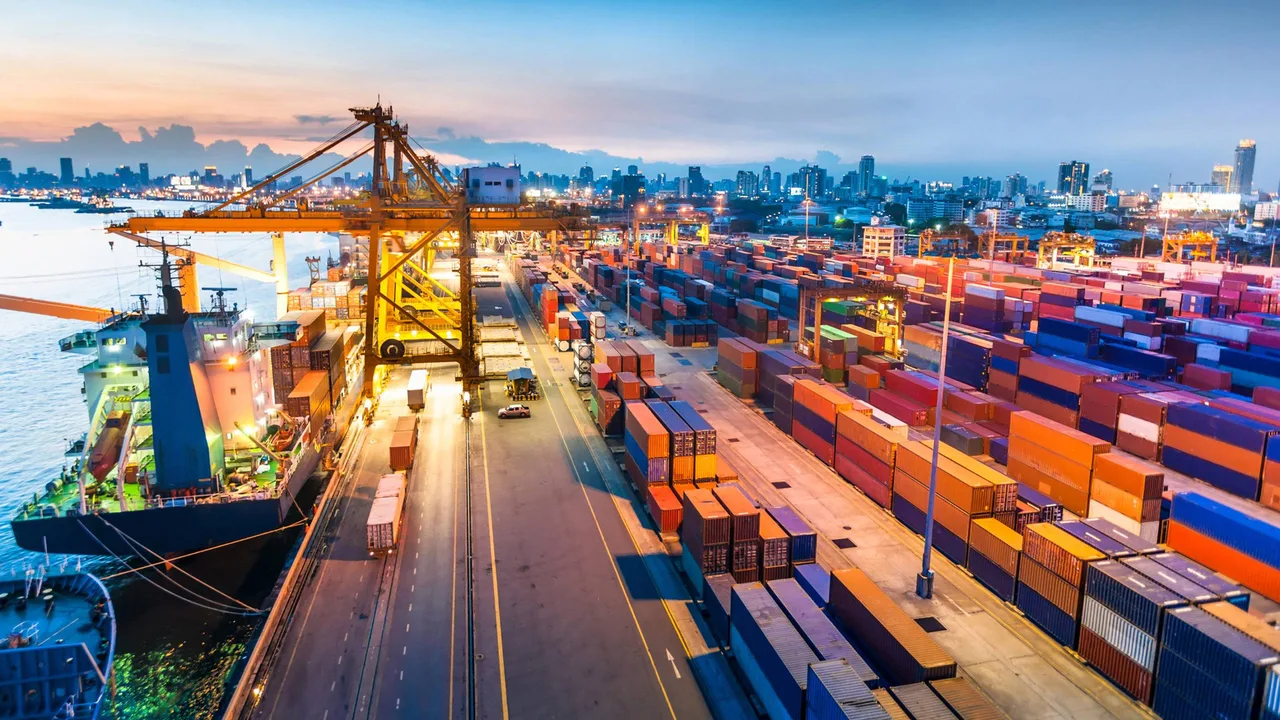
Seaports sit at the heart of the global trading system. Nearly 90% of world trade by volume moves through them. Their efficiency—measured by port capacity, turnaround time, and handling cost—directly determines the speed and price of trade. A port that unloads a container in 24 hours versus 72 hours can transform the economics of an entire region.
Consider Singapore and Rotterdam, two ports consistently ranked among the most efficient globally. Their advanced automation systems and real-time logistics platforms allow ships to dock, unload, and depart faster than competitors. This speed cascades through industries: manufacturing firms near these ports enjoy lower inventory costs and faster access to raw materials.
On the other hand, congestion at underdeveloped ports can have severe consequences. Delays in unloading iron ore or construction materials can idle entire factories. A single day of port backlog can cost millions in lost production. Expanding port capacity and digitizing operations are therefore not luxuries—they’re prerequisites for industrial stability.
Industrial clusters tend to form around ports for this reason. Manufacturers want proximity to efficient gateways, minimizing inland transport and export costs. A port’s infrastructure quality can dictate where industries locate and how fast they grow.
Rail Corridors: Connecting Production Hubs and Ports
Railways are the silent engine of industrial connectivity. They link inland production centers to coastal ports and distribution hubs, moving bulk materials like coal, steel, cement, and agricultural commodities. Well-designed rail corridors reduce trucking congestion, lower carbon emissions, and improve freight reliability.
For long-distance and high-volume transport, rail remains the most cost-effective mode. It can move one ton of goods nearly three times farther per liter of fuel compared to trucking. That efficiency translates into substantial savings for industries dependent on heavy materials. When rail lines connect seamlessly to ports and dry inland terminals, logistics costs can drop by as much as 30%.
Take China’s Belt and Road Initiative (BRI) as an example. Its network of freight rail corridors between inland industrial zones and European ports has shortened delivery times for exporters from 45 days by sea to under 20 days by rail. This integration has helped inland provinces like Chongqing and Chengdu become global manufacturing bases despite being thousands of kilometers from the coast.
Similarly, in Europe, the Trans-European Transport Network (TEN-T) is upgrading critical freight corridors linking Poland, Germany, and the Netherlands. By harmonizing rail infrastructure standards and scheduling, the EU aims to reduce freight costs and increase industrial competitiveness across borders.
Below is a simplified comparison illustrating why rail remains a preferred choice for industrial logistics:
| Parameter | Rail Transport | Trucking |
|---|---|---|
| Cost per ton/km | $0.03–$0.05 | $0.08–$0.12 |
| Fuel efficiency | High (low per ton) | Moderate |
| Carbon emissions | Low | High |
| Ideal for | Bulk, long-distance | Short, flexible routes |
The advantages of rail corridors go beyond cost—they help industries decentralize. Inland cities gain access to export markets, and manufacturing spreads beyond congested coastal areas, balancing economic growth across regions.
Roads and Trucking: The Final-Mile Backbone
Even with strong ports and railways, every supply chain depends on roads. Trucks handle the final mile—delivering from factories to warehouses and customers. In most countries, road transport accounts for 60–80% of domestic freight movement. The condition and reach of the road network therefore play a decisive role in logistics efficiency and trucking cost.
Trucking is flexible, fast, and indispensable for just-in-time manufacturing systems. However, it’s also expensive. Rising fuel prices, driver shortages, and toll fees continually push costs upward. Poor road quality adds maintenance and delay costs. For manufacturers that ship thousands of tons monthly, even a small fluctuation in trucking expenses can affect margins significantly.
Upgrading highway systems delivers immediate benefits to industry. A new expressway can reduce transit times by half, expand delivery reach, and lower inventory costs by improving reliability. Governments and private investors recognize this: major economies are funding express logistics corridors to connect industrial zones directly with ports and airports. In Southeast Asia, such projects have already cut transport times by more than 30% between manufacturing hubs and export gateways.
Efficient trucking networks not only cut costs—they improve market responsiveness. Fast delivery means faster turnover, which boosts competitiveness in industries from consumer goods to construction materials. The challenge for policymakers is ensuring that roads evolve alongside industry growth, not lag behind it.
How Infrastructure Efficiency Impacts Industrial Competitiveness
The relationship between logistics performance and industrial output is direct and measurable. Countries with efficient logistics networks consistently outperform others in manufacturing exports, productivity, and GDP growth. The logistics infrastructure impact on industry is not just about moving goods faster—it’s about enabling entire ecosystems of suppliers, assemblers, and distributors to operate in sync.
For example, when a port expands its capacity or a new rail corridor opens, industries downstream often experience reduced lead times and inventory costs. A factory that once held 30 days’ worth of materials might now operate with just 10, freeing up working capital. Similarly, shorter trucking routes or fewer border delays can improve a company’s “time-to-market,” making it more responsive to customer demand and price changes.
The World Bank’s Logistics Performance Index (LPI) regularly demonstrates this correlation. Countries with higher LPI scores—like Germany, Japan, and Singapore—also rank high in manufacturing competitiveness. The reason is simple: efficient logistics lowers the cost per unit produced, amplifying export competitiveness without necessarily lowering wages.
Port Capacity and Industrial Clusters
Industrial clusters rarely emerge by chance. They grow where logistics flows are strong, particularly near major ports with high throughput and advanced handling systems. A well-planned port capacity expansion not only attracts shipping lines but also anchors supply chains around it—shipyards, refineries, construction-material depots, and even tech manufacturers.
Consider the Rotterdam Port Zone in the Netherlands. Its seamless intermodal integration allows goods to move from ship to rail or barge within hours. The port’s advanced automation, storage yards, and customs systems have transformed it into a magnet for manufacturing and distribution facilities. Similar effects can be seen in Asia’s Jebel Ali Free Zone, where industrial tenants locate near ports to minimize import-export friction and reduce costs.
When ports function at high capacity and efficiency, industries can scale more confidently. Supply interruptions decline, export timelines tighten, and operating margins improve. Conversely, underdeveloped ports can become bottlenecks that deter investment, no matter how favorable other business conditions are.
Rail Corridors and the Rise of Inland Manufacturing
For decades, coastal regions dominated industrial activity due to proximity to ports. But improved rail corridors have begun shifting this dynamic. As logistics connections deepen inland, new industrial zones are emerging far from traditional coastal hubs.
Take Central China, for instance. Modern rail corridors now link inland cities such as Wuhan and Zhengzhou directly with maritime ports and even Europe via freight trains. This connection has enabled large-scale steel fabrication, automotive, and machinery manufacturing to thrive inland, reducing pressure on coastal cities. In North America, similar growth can be seen along the Chicago–Houston and Toronto–Montreal rail corridors, which move massive volumes of industrial goods efficiently across regions.
This trend benefits national economies by decentralizing development. Land costs are lower inland, and infrastructure investments yield higher returns when railways connect these regions to export gateways. The result is more balanced industrial growth and broader economic inclusion.
Trucking Costs and Supply Chain Agility
While rail and ports move bulk volumes, trucking defines responsiveness—the ability to fulfill demand quickly. The trucking cost component often represents 40–60% of total logistics expenses, especially for short-haul or domestic industries. Every improvement in road quality, vehicle technology, or routing software directly enhances industrial agility.
Modern digitalization tools have significantly reduced these costs. Fleet management platforms and AI-powered route optimization allow companies to minimize empty runs and fuel consumption. Electric trucks, though still emerging, are cutting emissions and maintenance expenses. For instance, logistics providers in Europe have reported up to 15% cost savings and 25% faster delivery times after adopting integrated digital routing systems.
Infrastructure quality still matters. No software can fully offset poor roads, overloaded highways, or inconsistent regulations. Governments that synchronize logistics policy with industrial planning achieve the strongest outcomes, ensuring that road networks expand in tandem with manufacturing zones and export centers.
| Factor | Before Upgrades | After Upgrades |
|---|---|---|
| Average trucking cost (per ton/km) | $0.11 | $0.08 |
| Average delivery time (regional) | 6 hours | 4 hours |
| Fuel efficiency | Base level | +18% |
These improvements might look modest, but across thousands of daily shipments, they translate to millions in savings and better industrial resilience. The ripple effect of reduced trucking costs boosts production capacity, lowers consumer prices, and stimulates new investments.
Case Example: Southeast Asia’s Logistics Transformation
Southeast Asia illustrates how infrastructure investments reshape entire economies. Vietnam, Indonesia, and Thailand have all prioritized upgrades to ports, highways, and railways in the past decade. These projects have lowered logistics costs and boosted export competitiveness across manufacturing sectors.
Vietnam’s expansion of Hai Phong and Cai Mep ports increased container throughput by over 40%, enabling factories in northern industrial zones to export directly without rerouting through distant hubs. Indonesia’s “sea toll” initiative linked remote islands via modern shipping lines and expanded road corridors across Java and Sumatra, reducing inter-island freight costs by 20%.
According to the World Bank Logistics Performance Index, these improvements have directly elevated the region’s trade efficiency and industrial investment appeal. Faster customs clearance, improved port turnaround times, and new expressways have together shortened average delivery times by days. The combination of improved connectivity and policy reform has turned the region into a key supply chain hub for electronics, construction materials, and consumer goods.
Conclusion: Building the Framework of Industry
Every nation that hopes to industrialize or maintain competitiveness must invest in logistics as much as it does in production. Ports, railways, and highways aren’t just infrastructure—they’re strategic assets that define how efficiently an economy functions. The logistics infrastructure impact on industry determines not only who can produce efficiently but also who can deliver reliably to global markets.
As industries grow more interconnected and supply chains more time-sensitive, logistics efficiency will continue to separate winners from laggards. Countries and companies that treat logistics as a long-term strategic priority will achieve sustainable industrial growth, resilience against shocks, and stronger global influence.
In essence, logistics is no longer an afterthought—it’s the foundation on which modern industry stands. From smart ports to high-speed rail and green trucking corridors, the future of industrial success lies in building, connecting, and optimizing the networks that move the world.