Industrial Land Prices and the Hidden Cost of Expansion
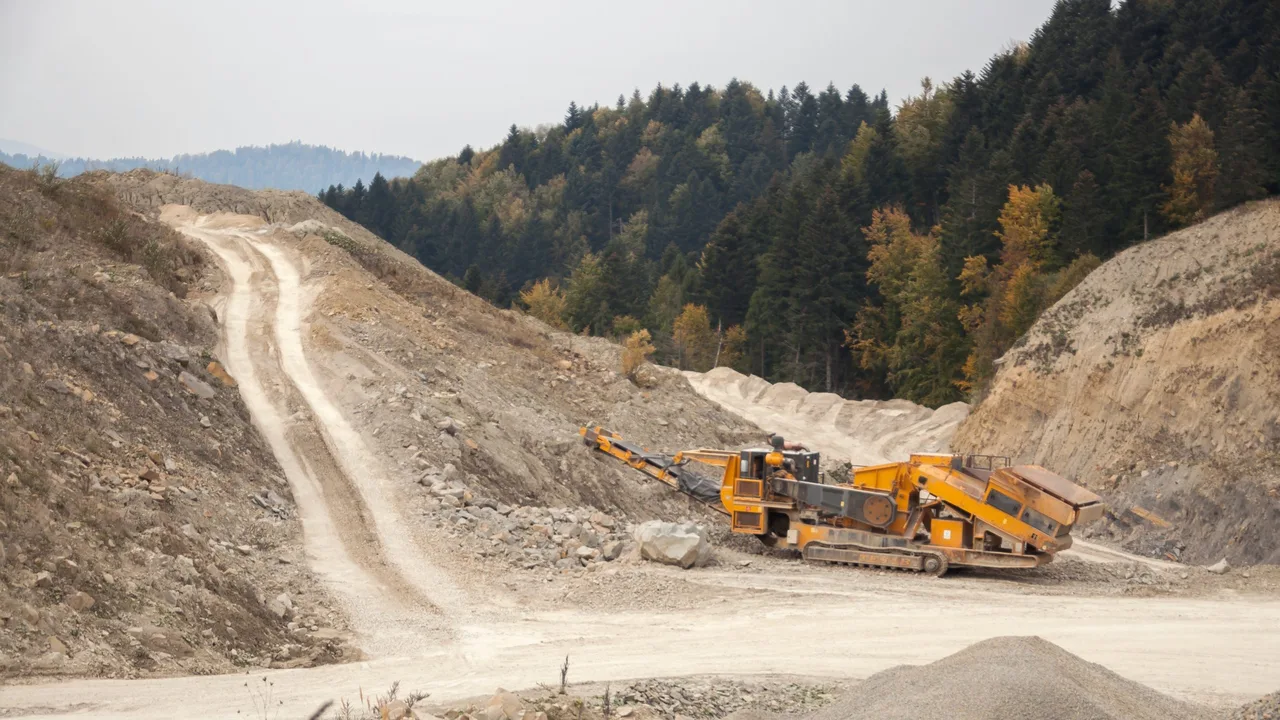
Industrial land price trends are increasingly shaping how manufacturers, logistics operators, and industrial developers plan expansion in today’s market. In many regions, rising land prices are no longer just a real estate concern—they have become a strategic constraint that directly influences capital allocation, site selection, and long-term operational flexibility.
Yet despite growing awareness, many expansion decisions still focus narrowly on land acquisition cost per square meter. This approach often overlooks a broader set of financial and operational consequences that emerge only after development begins. As a result, companies underestimate the true cost of expansion, especially in competitive industrial zones.
Understanding industrial land price trends requires moving beyond headline prices and examining how land cost interacts with infrastructure readiness, zoning restrictions, and capital expenditure planning. In 2026, the hidden costs associated with land decisions can outweigh the initial purchase price itself.
Understanding Industrial Land Price Trends in Global Markets
Over the past decade, industrial land price trends have followed an upward trajectory across most major manufacturing and logistics hubs. Urban expansion, infrastructure investment, and supply chain restructuring have intensified competition for well-located industrial land.
Several macro factors continue to push prices higher:
- Nearshoring and reshoring, increasing demand for land close to consumer markets.
- Infrastructure-led development, where new ports, highways, and rail hubs raise surrounding land values.
- Industrial clustering, concentrating demand in established zones.
- Regulatory barriers, limiting the release of new industrial land.
These forces mean that industrial land price trends are no longer cyclical in the traditional sense. Instead, they reflect structural changes in how industrial activity is distributed globally.
Why Industrial Land Price Trends Vary by Region
While the overall direction is upward, industrial land price trends vary significantly by region. Mature industrial markets often experience steady but high baseline prices, driven by limited land availability and strict zoning controls.
In contrast, emerging industrial zones may initially offer lower prices, but often come with infrastructure gaps, permitting uncertainty, or limited expansion capacity. These differences highlight why price comparisons alone can be misleading when evaluating expansion opportunities.
The Illusion of Cheap Land: What Buyers Often Miss
One of the most common expansion mistakes is equating low land prices with low project cost. In reality, so-called “cheap land” frequently carries hidden expenses that surface later in the development cycle.
Buyers often underestimate costs related to:
- Site preparation and ground improvement
- Utility extensions and capacity upgrades
- Access roads and logistics connections
- Environmental mitigation and compliance
When these factors are considered, the apparent advantage suggested by industrial land price trends can quickly disappear. What seemed affordable at acquisition stage becomes expensive once development begins.
Price per Square Meter vs Total Expansion Cost
Focusing on price per square meter obscures the true financial picture. Total expansion cost includes not only land acquisition, but also the time value of capital, construction delays, and operational inefficiencies.
In high-growth regions, industrial land price trends often correlate with rising indirect costs, making early-stage due diligence critical for realistic budgeting.
Site Selection as a Strategic Decision, Not a Real Estate Deal
As land prices rise, site selection has evolved from a transactional real estate decision into a strategic business function. In 2026, choosing where to expand affects workforce access, logistics performance, regulatory exposure, and long-term scalability.
Effective site selection requires interpreting industrial land price trends in context. A higher-priced site with strong infrastructure and flexible zoning may deliver lower total cost of ownership than a cheaper site with hidden constraints.
This shift mirrors broader market insights reported by CBRE, which highlight how logistics efficiency and infrastructure readiness increasingly outweigh raw land cost in industrial investment decisions.
How Poor Site Selection Amplifies Expansion Costs
Poor site selection magnifies the hidden costs of expansion. Sites with limited expansion room, restrictive zoning, or inadequate utilities force companies into expensive retrofits or premature relocation.
In these cases, unfavorable industrial land price trends act as an early warning signal rather than the root cause. The real issue lies in misaligned strategic planning.
CapEx Planning Under Rising Industrial Land Prices
Rising land costs directly influence capital expenditure planning. When land consumes a larger share of total investment, less capital remains for buildings, equipment, and future upgrades.
Companies that fail to integrate industrial land price trends into CapEx planning often under-budget expansion projects, leading to phased delays or compromised facility performance.
Front-Loaded vs Deferred Capital Expenditure
In high-price land markets, developers face a strategic choice: front-load capital investment to secure long-term flexibility, or defer spending and risk higher costs later.
Understanding industrial land price trends helps decision-makers evaluate this trade-off realistically, balancing short-term affordability against long-term resilience.
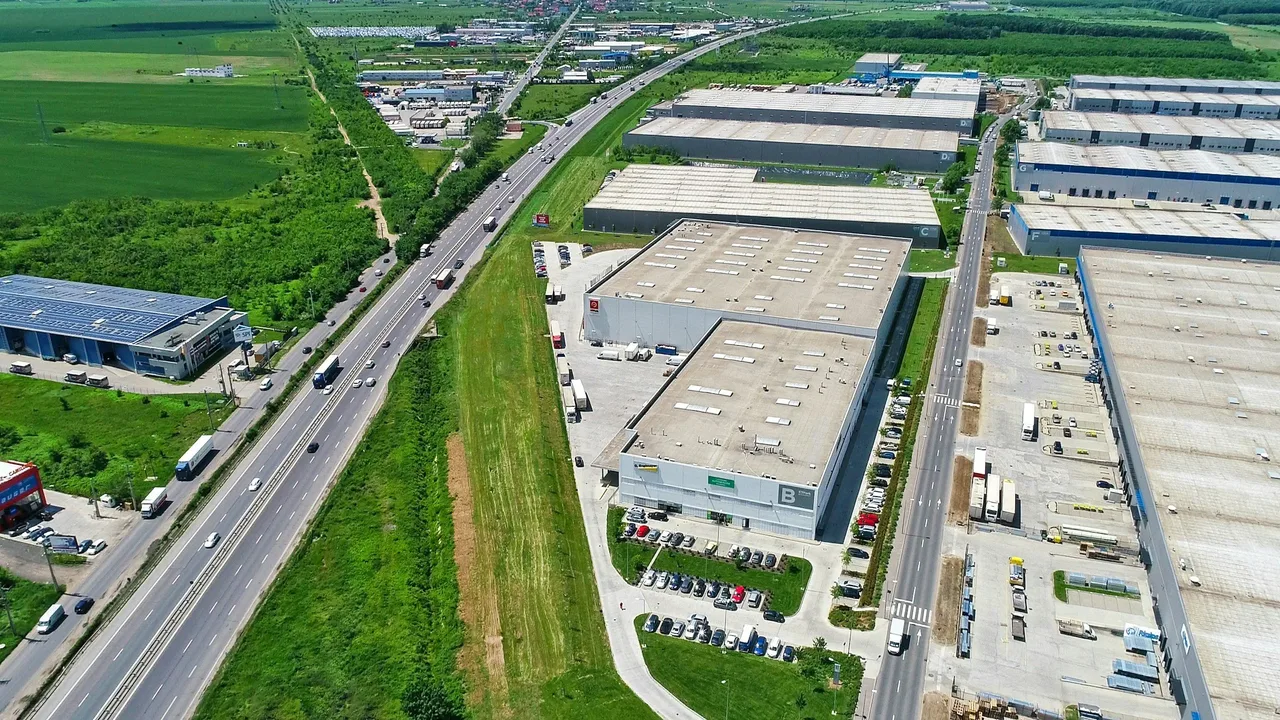
Zoning Regulations and Their Cost Implications
Beyond acquisition price, zoning regulations play a decisive role in determining the true cost of industrial expansion. In many markets, zoning constraints quietly shape industrial land price trends by limiting what can be built, how quickly approvals can be secured, and whether future expansion is even possible.
Zoning issues rarely appear in headline land prices, yet they often introduce delays, redesign costs, and compliance expenses that significantly affect project economics. Developers who fail to assess zoning compatibility early may find themselves paying a premium for land that cannot support their operational needs.
As industrial land becomes scarcer, zoning rigidity increasingly separates functional sites from speculative ones, reinforcing the importance of regulatory due diligence.
When Zoning Limits Expansion Potential
Zoning limitations often surface only after land is acquired. Common constraints include height restrictions, floor-area ratios, usage classifications, and environmental buffers.
When expansion demand arises, these limitations force companies to pursue costly workarounds or seek additional land elsewhere. In such cases, unfavorable industrial land price trends are compounded by regulatory inflexibility, amplifying the total cost of growth.
Expansion Timing: Buying Land Too Early vs Too Late
Timing is one of the most underestimated variables in industrial expansion strategy. Companies that secure land too early may tie up capital in underutilized assets, while those that wait too long risk entering the market at peak pricing.
Interpreting industrial land price trends helps organizations balance these risks. Stable upward trends may justify early acquisition, while volatile or speculative markets require more cautious timing.
The challenge lies in aligning expansion timelines with market signals, operational forecasts, and financing capacity.
Market Volatility and the Compounding Cost of Delay
Market volatility adds another layer of complexity to land-based expansion decisions. Construction inflation, regulatory changes, and infrastructure bottlenecks can quickly transform modest delays into major cost overruns.
In volatile markets, industrial land price trends often move faster than internal decision cycles. Delayed approvals or prolonged negotiations may result in significantly higher entry costs, eroding the financial rationale for expansion.
For this reason, many organizations now treat land decisions as part of broader risk management rather than isolated real estate transactions.
Rethinking Expansion Strategy in High-Cost Land Markets
As land prices continue to rise, companies are increasingly rethinking traditional expansion models. Instead of acquiring new land, many explore alternatives such as densification, vertical development, or phased facility upgrades.
These strategies reduce exposure to escalating industrial land price trends while maximizing the productivity of existing sites. In constrained markets, optimizing current assets often delivers higher returns than pursuing new land acquisitions.
This shift reframes expansion as an optimization challenge rather than a purely geographic one.
Final Thoughts: Reading Industrial Land Price Trends Beyond the Numbers
Industrial expansion decisions cannot be reduced to land prices alone. While industrial land price trends provide valuable signals, they represent only one dimension of a complex cost structure.
The true cost of expansion emerges from the interaction between land price, zoning, infrastructure readiness, timing, and capital planning. Organizations that recognize these interdependencies are better equipped to manage risk and sustain long-term growth.
In increasingly competitive industrial markets, success depends not on finding the cheapest land, but on understanding the full economic landscape behind every expansion decision.