Energy Prices and Factory Expansion: The Link Most Plans Ignore
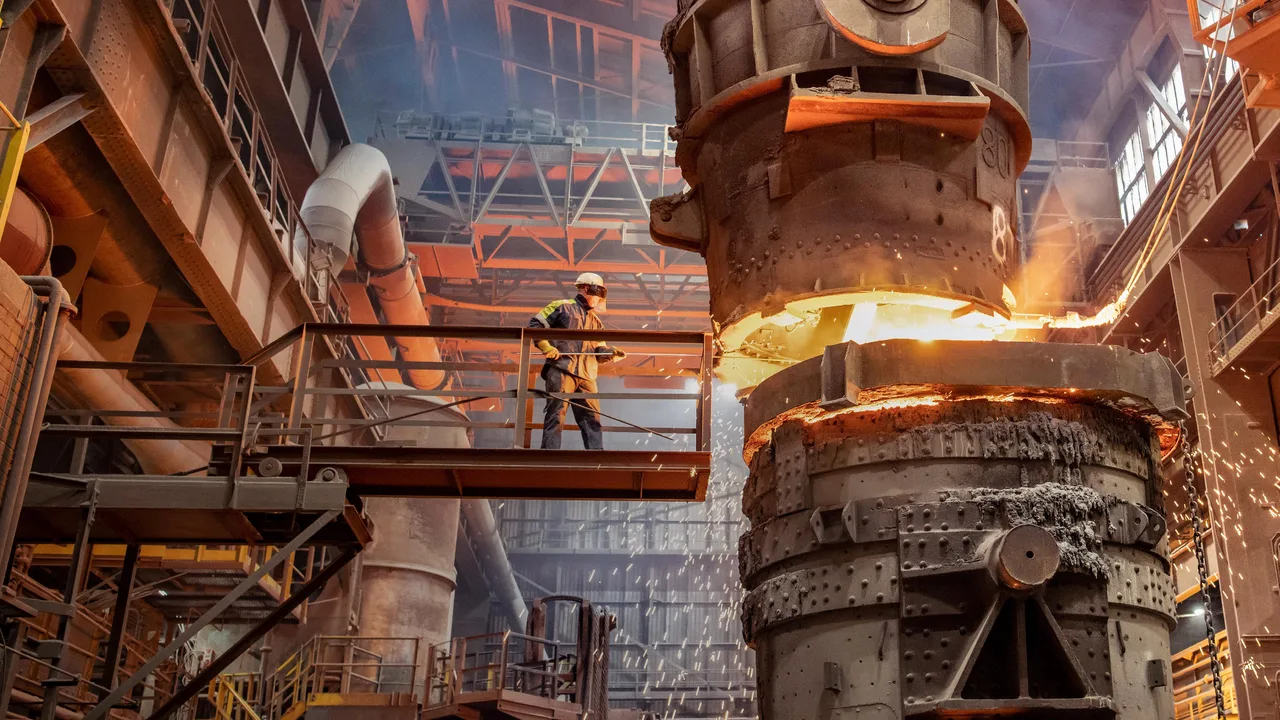
When global manufacturers plan to expand, they often obsess over land prices, tax incentives, and workforce availability. Yet one critical factor can make or break those calculations: energy costs. In a world where electricity and gas prices fluctuate wildly, ignoring this variable can derail even the most sophisticated business plan. Understanding the energy prices impact manufacturing expansion is no longer optional—it’s essential for long-term industrial survival.
Energy is the hidden currency of manufacturing. Every process, from smelting and welding to automation and logistics, depends on a stable and affordable energy supply. Rising energy prices not only shrink profit margins but also influence where factories are built, how they operate, and how quickly investors expect returns. The following sections explore how electricity, gas, and energy security shape the real economics behind global factory growth.
The Energy–Manufacturing Connection
Energy and manufacturing share a direct, measurable relationship. In most heavy industries, energy represents between 25% and 40% of total production costs. The more energy-intensive the process, the greater the exposure to volatility. When energy costs spike, factories slow down, delay expansion, or even relocate production to cheaper regions. This domino effect cascades across the entire supply chain—from component suppliers to exporters.
Global steel, cement, and chemical producers have long treated energy as a strategic variable. For example, during the European gas crisis of 2022, numerous metal-processing plants temporarily shut down because their operating costs exceeded product prices. Meanwhile, manufacturers in Asia with access to cheaper power accelerated expansion, capturing market share. These contrasting outcomes underscore how deeply energy prices impact manufacturing expansion on a global scale.
Energy doesn’t just determine profitability—it dictates competitiveness. Countries with abundant and reliable energy attract more factories and foreign investment. Those without it struggle to retain industrial momentum, regardless of labor advantages.
Electricity Cost and Production Efficiency
Electricity is the lifeblood of modern industry. From automated assembly lines to temperature-controlled environments, almost every function depends on consistent electrical power. When electricity cost rises, operational efficiency falls, and project feasibility shifts. For energy-intensive facilities—like foundries, fabrication shops, and high-precision manufacturing plants—a sudden 15–20% increase in electricity tariffs can erode margins overnight.
In Southeast Asia, for instance, several industrial zones have postponed expansion projects after local utility prices surged in 2023. Investors revised their models, realizing that higher energy costs could add millions to annual operating expenses. Conversely, regions offering stable electricity prices quickly became preferred destinations for new factory investments.
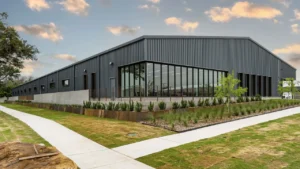
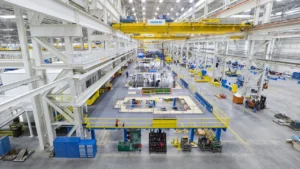
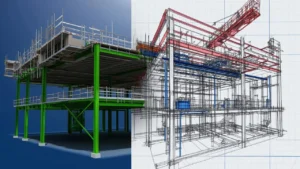
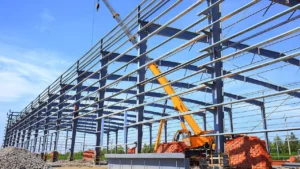
One of the most effective ways to offset high energy costs is through smart facility design. Modern projects increasingly adopt steel structure construction—a method known for its speed, lightweight framing, and thermal efficiency. By optimizing ventilation and insulation, these buildings reduce energy used for lighting and temperature control, helping factories save on electricity while remaining structurally durable. The connection between construction technology and energy consumption has made design choices an unexpected but critical part of industrial cost management.
Gas Price and Industrial Competitiveness
Gas remains another major input for manufacturing, especially in sectors such as glass, ceramics, fertilizer, and petrochemicals. Changes in gas price ripple through the economy, influencing everything from raw material costs to export competitiveness. When gas becomes expensive, production shifts toward countries with cheaper or subsidized supplies.
The European gas crisis provides a stark lesson. As natural gas prices tripled in 2022, many energy-intensive manufacturers shut down operations, cut output, or moved production abroad. In contrast, Asian economies with long-term LNG contracts or domestic reserves maintained steady supply, allowing factories to continue expanding. These dynamics highlight how energy costs—not just demand—determine where industries cluster geographically.
Manufacturers now diversify energy sources to shield themselves from volatility. Some build captive power plants or switch to hybrid systems combining solar and natural gas. Others lock in long-term energy purchase agreements to maintain predictable input costs. The goal is simple: make expansion decisions based on stability, not speculation.
Energy Security as a Strategic Factor
Beyond price, energy security defines whether a region can sustain manufacturing growth over time. Energy security encompasses three key dimensions—availability, affordability, and reliability. Without all three, industrial planning becomes fragile.
Countries with dependable power grids, diversified energy portfolios, and transparent policy frameworks are magnets for foreign investment. Take Vietnam, for example: its government’s investment in grid infrastructure and renewable energy attracted multiple electronics and automotive manufacturers despite relatively modest tax incentives. Conversely, regions facing blackouts, import dependency, or unstable pricing discourage expansion regardless of other benefits.
Energy security also shapes how investors perceive political stability. For global manufacturers, knowing that power will remain available tomorrow is as valuable as knowing labor will show up today. Reliable energy is both an operational and psychological foundation for confidence in industrial policy.
The Hidden Link: Energy Policy and Industrial Planning
Government policies often define how energy prices impact manufacturing expansion. Subsidies, taxes, and environmental regulations directly influence whether new factories can operate profitably. Unfortunately, many expansion plans ignore this connection. A policy change that raises power tariffs by just a few cents per kilowatt-hour can wipe out the projected returns of multi-million-dollar projects.
For example, when several European countries reduced industrial energy subsidies after 2021, dozens of metalworking projects were delayed or canceled. In contrast, emerging markets with supportive energy policies saw record investment inflows. These shifts reveal that energy strategy is not merely an environmental issue—it’s an industrial one.
Successful factory planning, therefore, demands coordination between industrial and energy ministries. Projects that align with renewable targets, grid modernization, and efficient building standards are more likely to receive government backing. This collaboration turns energy awareness into a competitive advantage rather than a constraint.
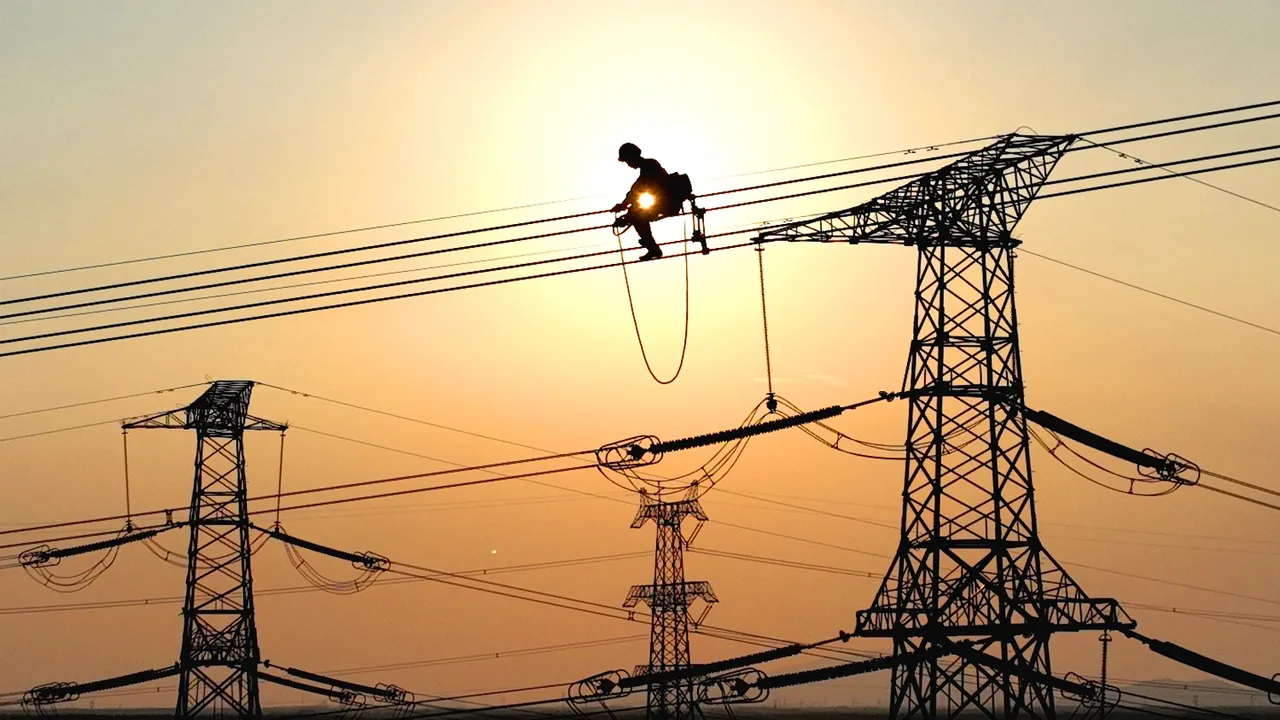
Case Study: When Energy Prices Decide Factory Location
Imagine two neighboring countries—each offering similar labor costs, tax breaks, and infrastructure quality. The only significant difference lies in energy pricing: one pays 30% less for industrial electricity. For a mid-sized manufacturer consuming 50 GWh per year, that pricing gap translates into hundreds of thousands of dollars in annual savings. Over a decade, the energy-efficient location gains a decisive edge in profitability and expansion potential.
When companies model long-term feasibility, they often underestimate this compounding effect. A small price gap per kilowatt-hour can define whether a factory becomes a cost leader or struggles to remain competitive. The same logic applies to gas price fluctuations—especially in industries like steel and cement, where thermal energy accounts for much of total costs. In several regions, including North Africa and Southeast Asia, investors have adjusted plant sites based primarily on energy availability and price stability rather than labor cost advantages.
The lesson is simple: expansion planning that overlooks energy price dynamics is like sailing without reading the wind. Smart manufacturers study energy trends as closely as they study market demand, knowing that every kilowatt saved today secures profit tomorrow.
Resilient Manufacturing Through Energy Efficiency
Energy efficiency has become the new competitive currency in global manufacturing. As energy costs rise, factories must learn not just to buy cheaper energy—but to use less of it. This shift is reshaping both operations and design. Advanced equipment, smart controls, and heat recovery systems now form the foundation of cost-optimized production environments.
One transformative approach is to improve the physical design of factory buildings. Facilities built using steel structure construction can drastically cut energy consumption. Their lightweight frames allow for better ventilation and natural lighting, while insulation systems minimize heating and cooling losses. The result is lower electricity bills and improved workplace comfort. Many companies now consider energy performance during the construction stage, treating it as an investment rather than an added cost.
In parallel, the adoption of renewable sources such as solar panels, wind turbines, and microgrids helps factories stabilize their power supply. Combined with digital monitoring tools, these systems create “smart factories” capable of adjusting energy use in real time. This resilience not only supports sustainability goals but also shields manufacturers from sudden price shocks.
Global Trends: Energy Transition and Manufacturing Relocation
The global energy transition is rewriting the map of industrial geography. As countries move toward renewable energy, the distribution of low-cost power is changing—and so are factory locations. Regions with access to clean, stable energy are fast becoming magnets for new industrial investment.
In recent years, Mexico, Vietnam, and Indonesia have attracted multinationals seeking both cost efficiency and energy reliability. Their combination of growing renewable capacity and flexible energy policies makes them ideal for long-term manufacturing bases. Meanwhile, Europe and Japan are investing heavily in green hydrogen and energy storage technologies to reduce import dependency and stabilize prices.
This transition is not just environmental—it’s economic. Energy competitiveness now defines industrial competitiveness. Nations that manage to combine affordable electricity, reliable grids, and transparent pricing structures will dominate the next decade of manufacturing growth. Conversely, those lagging behind in energy reform risk deindustrialization as producers relocate to more stable markets.
Future Outlook: Decoding the Next Decade of Industrial Expansion
Looking ahead to 2030 and beyond, the energy prices impact manufacturing expansion equation will grow more complex. Carbon pricing, green regulations, and global competition for clean energy resources will all affect where factories are built. The future winners will be those who treat energy strategy as part of their core business plan, not a side consideration.
Artificial intelligence and advanced analytics will further refine expansion planning. Predictive energy models already allow investors to simulate different cost scenarios, compare regional energy mixes, and identify the most resilient options. In short, factory development will evolve from static feasibility studies to dynamic, data-driven strategies.
As more companies integrate sustainability metrics into their financial models, understanding the balance between cost, reliability, and carbon intensity will become standard. The factories of the future will not simply run on electricity—they will run on insight.
Conclusion: Energy Awareness as a Competitive Advantage
For decades, manufacturing strategies have focused on wages, logistics, and market access. But as the global economy becomes more electrified, the true driver of competitiveness is energy. Recognizing how energy prices impact manufacturing expansion gives decision-makers a clear edge in planning, risk management, and capital allocation.
Energy isn’t just a line item in the budget—it’s the heartbeat of every production plan. By incorporating energy analysis into site selection, construction design, and long-term operations, manufacturers build resilience into their business model. Those who fail to adapt will face higher costs, lower margins, and shrinking market share.
In the modern industrial landscape, success belongs to the energy-aware. Factories that design with efficiency in mind, invest in renewable integration, and secure stable energy supply will lead the next era of global manufacturing. Energy awareness, once a niche consideration, has become the defining trait of smart, future-ready industry.
For deeper insights into regional energy cost trends and policy analysis, readers can explore the latest data from the International Energy Agency and other authoritative market research sources, which provide valuable context for understanding the evolving balance between power prices and industrial expansion.