Delivery Sequencing 101: Packing Steel for Faster Installation
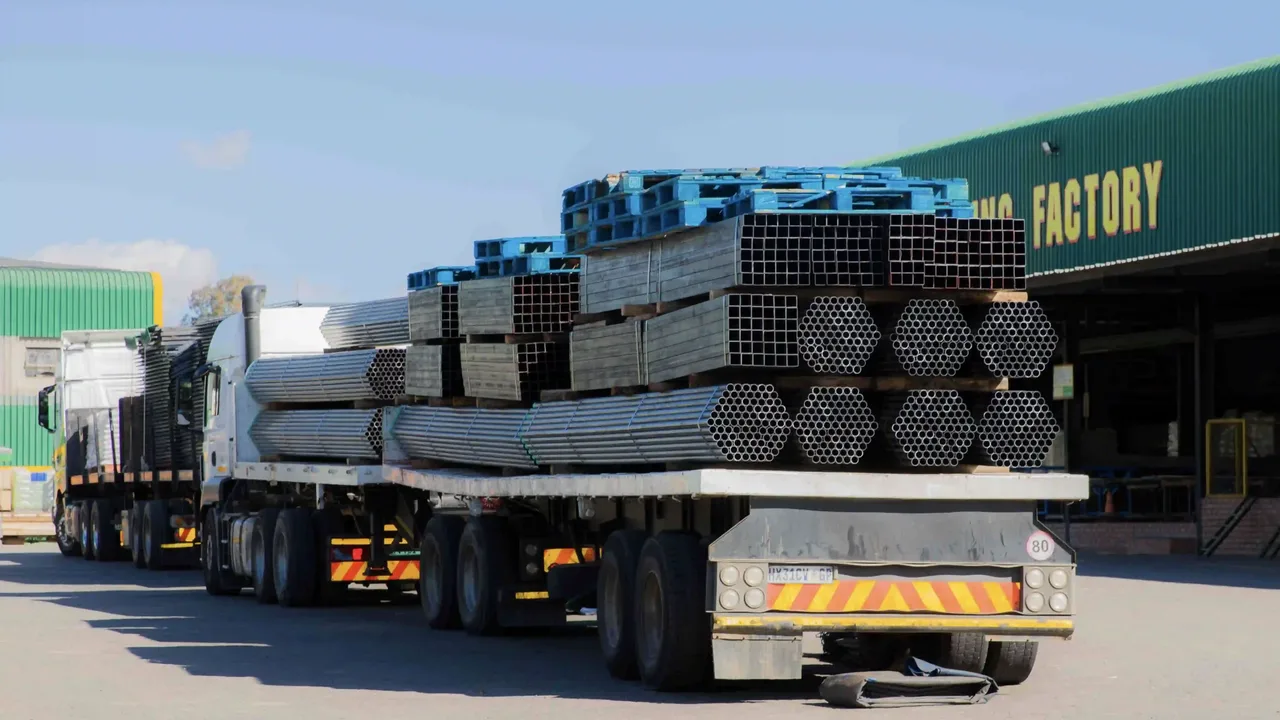
Steel projects are often judged by fabrication quality and structural precision. Yet many installations slow down for a far simpler reason: materials arrive in the wrong order. Beams are buried under columns. Bracing needed for the first bay is trapped at the bottom of a truckload. Crews spend hours searching instead of erecting.
This is where steel delivery sequencing becomes critical. Proper sequencing aligns fabrication output, transport logistics, and erection planning so that steel arrives in the exact order required for installation. When done correctly, it reduces crane idle time, eliminates double handling, and accelerates project schedules.
Why Poor Sequencing Slows Down the Site
On many projects, steel is fabricated according to shop efficiency, not installation logic. While this may optimize workshop throughput, it can create chaos at the jobsite.
Common site problems caused by poor steel delivery sequencing include:
- Crane downtime while crews search for the correct member
- Double or triple handling of heavy components
- Congested laydown areas
- Increased risk of damage during re-stacking
Consider a crane costing $400–$800 per hour. If improper sequencing wastes even two hours per day, the financial impact escalates quickly. Add labor inefficiency and potential schedule penalties, and the true cost becomes substantial.
Effective steel delivery sequencing addresses these issues before the first truck leaves the fabrication yard.
What Is Steel Delivery Sequencing?
Steel delivery sequencing is the structured coordination of fabrication output, truck loading, and jobsite installation order. It ensures that steel components are packed, transported, and unloaded according to the erection sequence rather than fabrication convenience.
There are three distinct sequences in any structural steel project:
- Fabrication sequence – The order in which components are manufactured.
- Delivery sequence – The order in which materials are loaded and transported.
- Installation sequence – The order in which components are erected on site.
Problems arise when these sequences are misaligned. Fabrication may finish roof beams first, but the site may need ground-floor columns. Without coordination, trucks arrive filled with materials that cannot be immediately installed.
The goal of steel delivery sequencing is to align all three sequences into one logical flow.
The Link Between Fabrication and Site Unloading
Delivery sequencing is not just a logistics issue—it is a coordination exercise between multiple stakeholders:
- Project management
- Fabrication shop supervisors
- Logistics coordinators
- Site erection teams
When communication breaks down, materials are shipped based on availability rather than priority. This directly impacts site unloading efficiency.
If install-first members are buried beneath later-phase components, crews must offload everything just to access a few pieces. This creates unnecessary ground stacking and increases the risk of misplacement.
Strong steel delivery sequencing ensures that truck loading reflects site priorities. Ideally, steel is unloaded and lifted directly into position without interim storage.
Packing Strategy: Building Loads by Installation Zone
A disciplined packing strategy is central to effective sequencing. Instead of grouping steel randomly, loads should be organized by installation zone, grid line, or floor level.
Common approaches include:
- Zone-based packing: All members for Grid A–C loaded together.
- Floor-by-floor sequencing: Lower floors delivered before upper structures.
- Bay-by-bay grouping: Structural bays shipped in erection order.
Within each truckload, weight distribution must also be considered. Heavier members typically go at the bottom for stability. However, install-first components should remain accessible.
A written packing strategy avoids last-minute loading decisions driven by yard convenience. It ensures the fabrication yard and logistics team understand site sequencing priorities.
Labeling System That Prevents On-Site Confusion
Even with strong sequencing, poor identification can disrupt installation. A structured labeling system ensures that each component is easily traceable from fabrication to final position.
Effective labeling includes:
- Clear, durable piece marks
- Zone or grid reference identifiers
- Color coding for installation phase
- Weather-resistant tags
Advanced projects may integrate barcodes or QR codes that link directly to erection drawings and digital schedules. When combined with strong steel delivery sequencing, a reliable labeling system reduces search time and installation errors.
Without proper identification, even well-packed loads can become confusing once unloaded onto a busy jobsite.
Steel Delivery Sequencing vs Just Shipping Everything
Some projects adopt a “ship everything as soon as it’s ready” approach. While this may simplify yard operations, it often creates downstream inefficiencies.
| Approach | Advantages | Disadvantages |
|---|---|---|
| Bulk Shipment | Clears fabrication yard quickly | Site congestion, re-handling, higher risk |
| Phased Steel Delivery Sequencing | Faster installation, lower crane idle time | Requires coordination and planning |
The comparison highlights the value of structured steel delivery sequencing. While phased sequencing requires more planning, it directly improves installation speed and cost efficiency.
Optimizing Site Unloading for Crane Efficiency
Crane efficiency is one of the biggest financial variables in structural steel erection. Effective site unloading practices aim to minimize ground storage and double handling.
Best practices include:
- Scheduling deliveries according to erection timeline
- Pre-assigning unloading zones
- Coordinating truck arrival windows
- Direct lifting from trailer to final position whenever possible
When steel delivery sequencing is aligned with site unloading plans, installation flows continuously. Crews move from one bay to the next without interruption.
In contrast, poor coordination forces crews to pause while searching for members or rearranging stacked components.
Digital Tools Supporting Delivery Sequencing
Modern projects increasingly use digital tools to strengthen steel delivery sequencing. These tools include:
- ERP-integrated shipping schedules
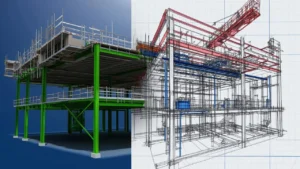
- 3D erection sequence modeling
- Delivery tracking applications
- RFID or barcode scanning systems
According to logistics efficiency analyses published by organizations such as McKinsey & Company, improved coordination between planning and execution can significantly enhance construction productivity. Sequencing steel deliveries is one practical application of this principle.
By integrating fabrication schedules with erection plans, digital tools provide visibility that supports better packing strategy, stronger labeling system implementation, and smoother site unloading.
Sequencing for Multi-Phase Projects
Large industrial and commercial projects are rarely built in a single continuous phase. Warehouses may be erected in bays. Industrial plants may be constructed area by area. Multi-story buildings may follow vertical sequencing. In these environments, steel delivery sequencing must reflect phased construction logic.
For example, an industrial plant may require structural steel for the primary process area before auxiliary structures. Delivering secondary steel too early increases laydown congestion and complicates site unloading. A phased packing strategy ensures that only materials required for the current erection window are shipped.
Some projects adopt a just-in-time (JIT) approach, delivering steel only when crews are ready to install it. While JIT reduces storage needs, it demands highly accurate scheduling and coordination. If fabrication or transport is delayed, erection progress may stall.
Strong steel delivery sequencing balances flexibility with reliability, ensuring materials arrive neither too early nor too late.
Case Scenario: Warehouse Project Comparison
Consider a 25,000 m² warehouse project requiring 1,200 tons of structural steel.
Scenario A: No Structured Sequencing
- Steel shipped as soon as fabricated
- Minimal coordination with erection team
- Mixed zones loaded randomly
Result:
- Crane idle time increases by 20%
- Frequent ground re-stacking
- Installation duration extended by 10 days
Scenario B: Structured Steel Delivery Sequencing
- Loads organized by grid line and bay
- Clear labeling system with zone coding
- Coordinated site unloading schedule
Result:
- Minimal crane idle time
- Direct lift-to-install in many cases
- Installation completed on schedule
| Performance Factor | No Sequencing | Structured Sequencing |
|---|---|---|
| Crane Idle Time | High | Low |
| Material Re-Handling | Frequent | Minimal |
| Installation Duration | Extended | Optimized |
| Site Congestion | Severe | Controlled |
This comparison demonstrates how disciplined steel delivery sequencing directly improves installation efficiency and cost control.
Common Mistakes in Steel Delivery Sequencing
Even experienced teams can undermine sequencing efforts through avoidable errors:
- Fabrication-driven delivery: Shipping based on yard readiness instead of erection sequence.
- No coordination meeting: Failing to align logistics with site supervisors.
- Weak labeling system: Inconsistent or unreadable piece marks.
- No contingency planning: Ignoring weather or schedule shifts.
- Overloading site storage: Delivering too much steel at once.
Each of these mistakes disrupts site unloading efficiency and increases the likelihood of double handling.
Best Practices Checklist
To implement effective steel delivery sequencing, project teams should follow a structured checklist:
- Hold a pre-delivery coordination meeting with fabrication and erection teams.
- Confirm installation sequence and priority zones.
- Finalize a documented packing strategy for each truckload.
- Implement a consistent labeling system with zone references.
- Schedule delivery windows aligned with crane availability.
- Assign a sequencing coordinator on site.
Consistency and communication are as important as logistics. A documented plan prevents last-minute improvisation that often leads to inefficiency.
Sequence Before You Ship
Fabrication excellence alone does not guarantee installation efficiency. Without structured steel delivery sequencing, even perfectly manufactured components can create delays on site.
By aligning fabrication output with erection order, implementing a disciplined packing strategy, applying a clear labeling system, and optimizing site unloading, project teams reduce crane idle time and accelerate progress.
In competitive industrial markets, installation speed directly affects profitability. Sequence before you ship—and let logistics become a strategic advantage rather than a bottleneck.