How Coating Systems Extend the Life of Steel Structures Near the Coast
Few environments test the durability of steel as harshly as coastal regions. The combination of humidity, salt spray, ultraviolet radiation, and fluctuating temperatures accelerates corrosion and threatens the structural integrity of everything from bridges to port warehouses. To combat these aggressive conditions, engineers rely on steel coating systems for coastal projects—specialized protection strategies that extend service life, reduce maintenance costs, and preserve safety in demanding marine climates.
This article explores how protective coatings work, what types are best suited for salt-laden environments, and how proper application can prevent costly degradation. Understanding coating science is no longer optional for coastal developers; it’s a vital part of asset management and structural design.
Coastal Conditions and the Challenge of Steel Durability
Salt is the natural enemy of steel. In marine and nearshore zones, airborne chlorides penetrate unprotected metal surfaces and react with oxygen and moisture, triggering a rapid oxidation cycle. Even stainless steel isn’t immune—given enough exposure, salt ions can attack the passive oxide layer that usually prevents rust. The result is pitting, flaking, and eventual loss of cross-sectional area that compromises strength and appearance.
Structures near the ocean—ports, offshore platforms, industrial hangars, or coastal bridges—face constant exposure to these elements. Routine repainting or surface treatment might slow the process, but without a properly designed coating system, the damage simply returns. That’s why investing in high-performance steel coating systems for coastal projects is considered one of the most cost-effective methods of corrosion prevention.
Understanding the Corrosion Process in Marine Environments
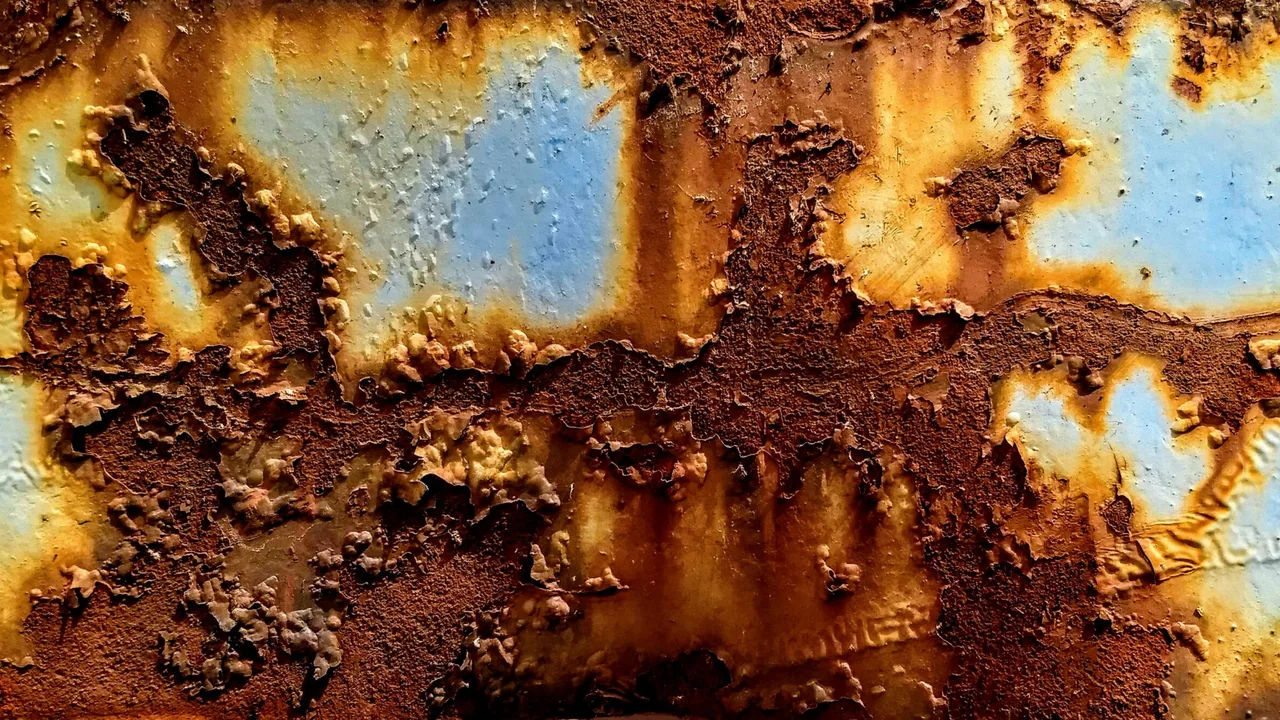
Corrosion in steel occurs when iron atoms react with oxygen and water to form iron oxide (rust). In coastal conditions, this reaction is accelerated by salt ions, which act as electrolytes that facilitate electron transfer. The more humid and saline the air, the faster the corrosion rate. For instance, a bare steel surface near the shore can start rusting within hours after exposure.
This process is further intensified by cyclic wetting and drying. When saltwater droplets evaporate, chloride crystals remain on the surface, continuing to attract moisture and reinitiate corrosion. Over time, these reactions undermine paint films, delaminate coatings, and reduce load-bearing capacity. Engineers call this phenomenon salt corrosion—a complex, self-sustaining cycle that requires chemical and physical barriers to stop.
Case in point: coastal infrastructure failures in humid tropical ports often trace back to poor coating selection or improper surface preparation. Once corrosion starts beneath the film, repairs become exponentially more difficult and costly.
What Are Steel Coating Systems for Coastal Projects?
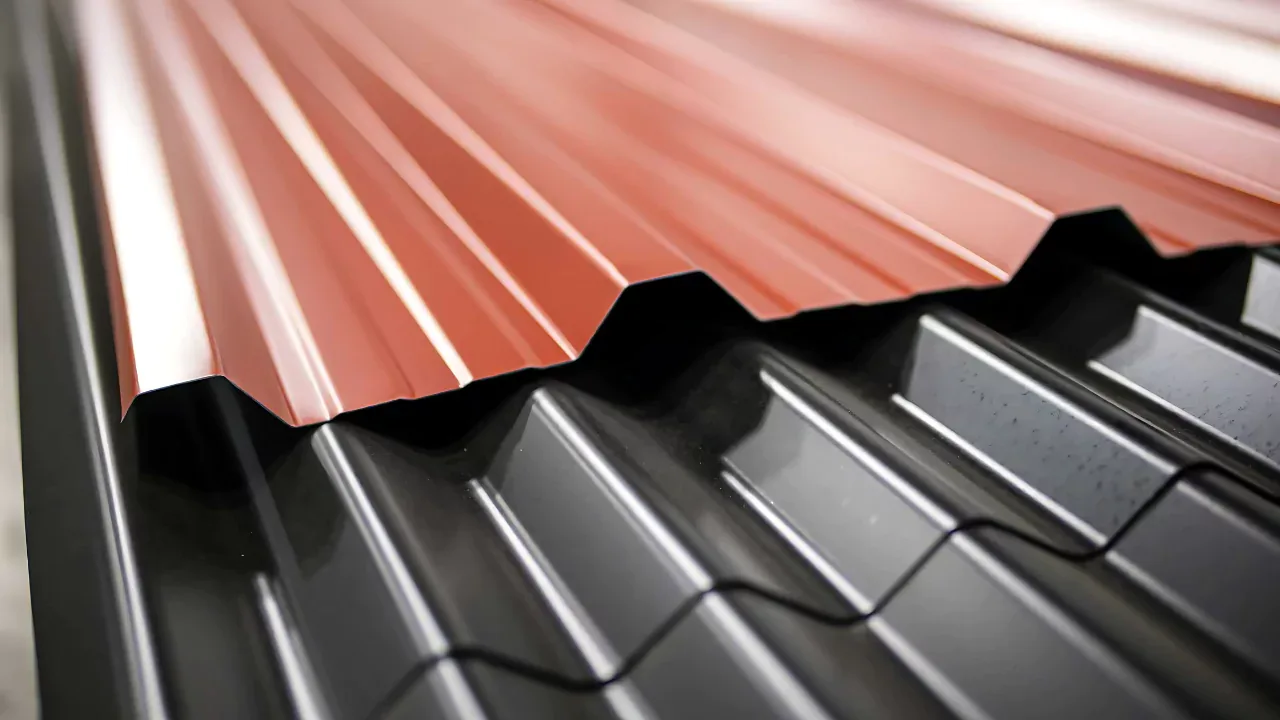
A coating system is a combination of multiple layers—each with a specific purpose—that collectively protect steel from environmental attack. A typical steel coating system for coastal projects includes a primer, intermediate layer, and topcoat. Together, they form a durable barrier that prevents water and salts from reaching the steel substrate.
Here’s how a standard system functions:
- Primer layer: Provides adhesion to the metal surface and resists corrosion through active inhibitors or chemical bonding.
- Intermediate layer: Adds film thickness and mechanical resistance, increasing the diffusion path for moisture.
- Topcoat: Shields against ultraviolet rays, abrasion, and chemical pollutants.
These systems are carefully formulated to match the environment’s corrosion category (from C1 for low-risk indoor areas to C5-M for marine and offshore). Selecting the wrong combination can lead to premature failure even if applied correctly. Many coastal projects follow guidelines such as ISO 12944-9 for durability in marine zones.
| Coating Layer | Material Type | Function |
|---|---|---|
| Primer | Epoxy zinc-rich / inorganic zinc | Adhesion, corrosion resistance |
| Intermediate | Epoxy high-build / micaceous iron oxide | Film thickness, chemical barrier |
| Topcoat | Polyurethane / acrylic aliphatic | UV and weather resistance |
Each coating layer works synergistically to protect the substrate and maintain its mechanical and visual performance even under constant salt and sun exposure.
Types of Protective Coatings and Their Mechanisms
Galvanizing (Zinc Coating)
Among the oldest and most reliable protection methods, galvanizing involves applying a zinc layer—either through hot-dip or spray coating. Zinc acts as a sacrificial anode, meaning it corrodes before the underlying steel does. This provides both barrier and electrochemical protection. In coastal regions, galvanizing is often used for structural columns, transmission towers, and marine frames where long-term durability and low maintenance are priorities.
Epoxy Primer Systems
Epoxy coatings are the workhorses of marine protection. As a base coat, epoxy primer provides exceptional adhesion and resistance to water permeation. It bonds tightly to blasted steel surfaces and resists salt corrosion even under full immersion. For critical facilities like shipyards or port terminals, epoxy-based primers are considered the gold standard for protective underlayers.
Polyurethane and Acrylic Topcoats
Topcoats based on polyurethane or acrylic resins enhance color stability and UV protection. Coastal exposure often involves intense sunlight that can chalk or fade regular coatings. Polyurethane’s flexibility and weather resistance make it ideal as the finishing layer for long-lasting aesthetic and mechanical performance. When combined with epoxy primers, it creates a hybrid system proven to last decades in coastal applications.
Thermal Spray Zinc (TSZ) Coatings
For extreme environments like offshore platforms, thermal spray metal coatings (especially zinc or aluminum) offer unmatched resilience. The process involves melting the metal wire with a high-temperature flame and spraying it onto the prepared surface. The result is a dense metallic layer that resists corrosion even under direct saltwater exposure. TSZ coatings are often sealed with epoxy or polyurethane topcoats to improve longevity.
Choosing the right system depends on multiple factors—environmental severity, budget, and required maintenance intervals. Engineers often rely on international specifications such as SSPC and NACE standards to determine the right coating thickness and surface preparation profile.
Comparing Coating System Performance in Coastal Projects
Performance comparison among coating systems highlights the trade-offs between cost, longevity, and maintenance needs. The following table summarizes general expectations:
| System Type | Expected Service Life | Maintenance Interval | Typical Application |
|---|---|---|---|
| Hot-Dip Galvanizing | 25–40 years | Minimal | Structural frames, bridges |
| Epoxy + Polyurethane | 20–30 years | Recoat every 10–15 years | Industrial tanks, piers, cranes |
| Thermal Spray Zinc + Sealer | 30–50 years | Minimal to none | Offshore platforms, pipelines |
The table demonstrates how modern steel coating systems for coastal projects provide multi-decade protection when applied and maintained correctly. The initial investment might be higher, but the savings in reduced downtime, labor, and material loss far outweigh the costs of premature corrosion.
Proper selection also depends on design detailing—drainage, ventilation, and accessibility for maintenance all affect coating performance. Even the best coating can fail if crevices trap saltwater or if surfaces are not properly blasted before application.
Application Process and Surface Preparation
The effectiveness of steel coating systems for coastal projects depends heavily on how the surface is prepared and how each layer is applied. According to industry experts, surface preparation determines up to 70% of a coating system’s success. Without proper cleaning, even the most advanced epoxy or galvanizing process will fail prematurely.
The typical workflow includes:
- Surface Cleaning: Removing dirt, oil, and old paint using detergents or degreasing solutions.
- Abrasive Blasting: Using sand, steel grit, or shot blasting to achieve the required anchor profile (usually Sa 2½ or Sa 3 per ISO 8501-1).
- Priming: Applying an epoxy or zinc-rich primer within hours after blasting to prevent flash rusting.
- Intermediate Coating: Adding thickness and mechanical resistance using high-build epoxy or micaceous iron oxide.
- Topcoating: Finishing with a polyurethane or acrylic layer to resist UV degradation and enhance appearance.
Environmental conditions—temperature, humidity, and dew point—must be monitored carefully during application. Even minor deviations can cause poor adhesion, blistering, or uneven curing. Quality control teams use dry film thickness gauges and holiday detectors to ensure every layer meets specifications.
Maintenance and Inspection of Coated Steel Structures
Coatings are not “apply-and-forget” solutions. Regular maintenance and inspection are crucial to extending their lifespan. For structures in marine zones, inspections are typically scheduled every six months for fully exposed areas and every 12 months for partially sheltered zones. These inspections check for blistering, chalking, cracks, or signs of underfilm corrosion.
When damage is detected, corrective action can include surface cleaning and touch-up painting or, in severe cases, full recoating. Modern inspection tools such as ultrasonic gauges and adhesion testers help maintenance teams detect problems early before structural damage occurs. Consistent upkeep can double the life expectancy of a well-designed coating system, preventing costly structural repairs.
Another vital factor is documentation. Keeping a maintenance log with coating type, application date, and inspection results ensures traceability—especially for industrial facilities requiring compliance with ISO 12944-9 and NACE SP0108 standards.
Economic Benefits of Effective Coating Systems
Although protective coatings add to initial construction costs, their long-term economic value is significant. Studies show that corrosion accounts for more than 3% of global GDP in direct and indirect losses. By implementing robust coating strategies, industries can recover a portion of that cost through asset longevity, reduced maintenance labor, and lower downtime.
Consider two coastal bridges with similar dimensions—one uncoated, one protected with a zinc-rich epoxy system. The uncoated structure requires partial replacement within 15 years, while the coated one remains operational for more than 30 years with minor recoating. Over its lifetime, the protected structure saves millions in repair and replacement costs.
In addition to financial savings, these systems support sustainability initiatives. Prolonging the life of steel structures reduces waste, conserves raw materials, and cuts emissions associated with manufacturing replacements. In other words, investing in coating technology aligns both economic and environmental goals.
Standards and Best Practices for Coastal Protection
Global standards ensure consistent quality and performance across coating applications. The ISO 12944 series remains the most widely adopted framework, specifying corrosion categories (C1–C5, with C5-M for marine) and corresponding coating systems. Other key references include ASTM A123 for galvanizing, SSPC-SP10 for surface preparation, and NACE SP0108 for marine coating selection.
Professional organizations such as AMPP (Association for Materials Protection and Performance)—formerly NACE International—provide comprehensive guidelines and training for corrosion control in coastal environments. These resources help specifiers and contractors design coating systems tailored to environmental conditions like salinity, humidity, and temperature fluctuation.
Best practices recommend site-specific testing before large-scale application. For instance, applying sample panels and exposing them to real coastal conditions helps verify the system’s resistance to salt corrosion before full deployment. Documentation, adherence to standards, and trained applicators are the pillars of a reliable protection program.
Case Study: Extending Structural Life at a Coastal Port
At a major logistics port in Southeast Asia, steel loading cranes and pier columns faced severe rust within eight years of operation. The cause: thin paint layers and inadequate surface preparation. Engineers initiated a restoration program using a hybrid coating system combining thermal spray zinc, epoxy intermediate, and polyurethane topcoat.
The process began with abrasive blasting to white metal finish (Sa 3), followed by immediate application of zinc spray coating at 150 microns. A high-build epoxy barrier and a glossy polyurethane topcoat completed the system. After five years, inspections revealed minimal rusting—less than 0.01% surface deterioration—and the expected service life increased by at least 20 years.
The success of this project demonstrates that properly applied steel coating systems for coastal projects not only prevent corrosion but also restore structural value. The additional cost of preparation and quality control paid for itself in under three years through reduced maintenance downtime.
Conclusion: Coating Systems as the First Line of Defense
For coastal engineers and asset owners, coatings represent the first—and often most critical—line of defense against salt corrosion. They transform vulnerable steel into a resilient, low-maintenance material suitable for the world’s toughest environments. Modern steel coating systems for coastal projects combine advanced chemistry, precision surface preparation, and strict quality control to deliver protection lasting decades.
Ultimately, the right coating strategy isn’t just a design specification; it’s a financial and safety investment. From galvanizing to epoxy-polyurethane hybrids, every project near the sea benefits from a well-engineered coating system. In coastal construction, success is measured not by how fast a structure is built—but by how long it stands strong against the tide.