How to Present a Facility Expansion Plan to Stakeholders
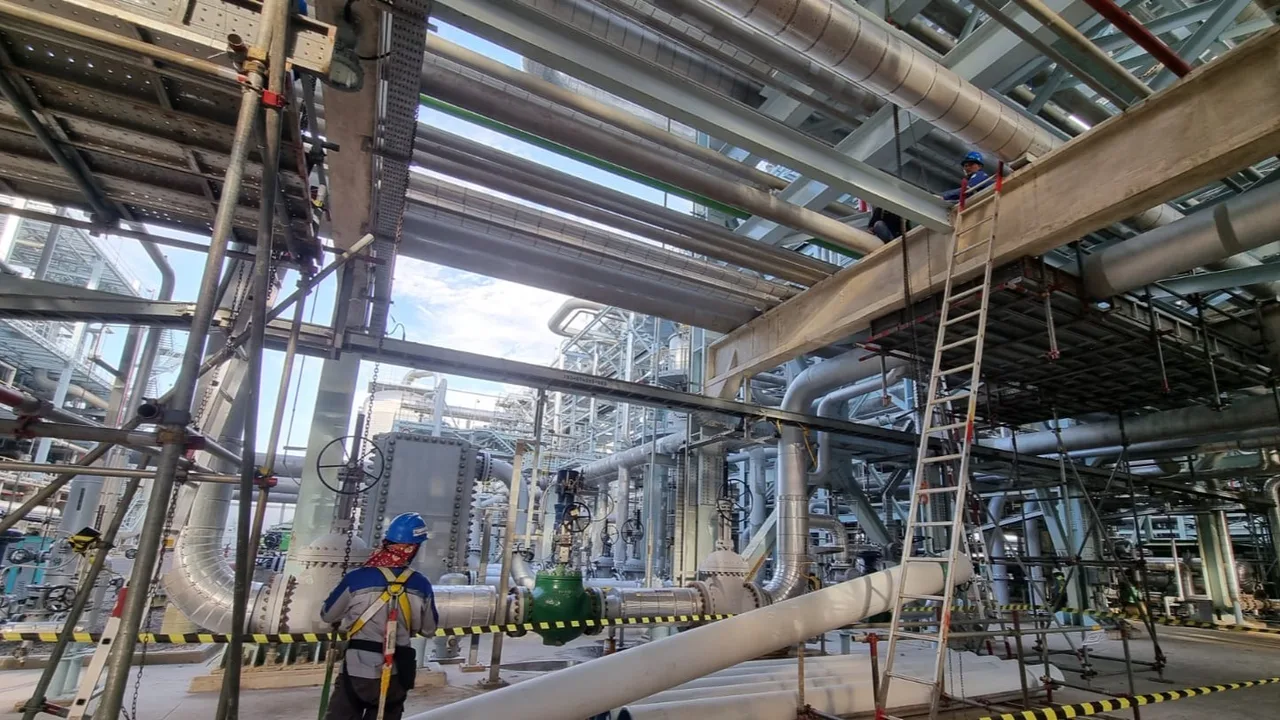
Every major business reaches a point where growth demands more space—whether it’s a larger factory, new logistics hub, or a modernized production line. But securing approval for that expansion isn’t just about having a good idea. It’s about convincing decision-makers that the plan delivers measurable value, aligns with strategy, and manages risk responsibly. A strong facility expansion business case transforms technical ambition into a persuasive narrative that wins stakeholder confidence.
Presenting an expansion proposal is part art, part science. Executives expect rigorous numbers—capital budgets, payback periods, ROI projections—but they also want a story that connects those numbers to the company’s long-term vision. This article explains how to structure and present a compelling case, from capex justification and ROI modeling to timeline storytelling that builds trust.
Understanding the Facility Expansion Business Case
A facility expansion business case is the strategic and financial justification for increasing operational capacity. It’s more than a budget document; it’s a roadmap that explains why the expansion is needed, what benefits it will deliver, and how risks will be mitigated. A complete business case connects capital spending with productivity, competitiveness, and future growth.
The key components typically include:
- Capacity need: Demonstrate measurable bottlenecks—production, warehousing, or logistics—that justify expansion.
- Strategic alignment: Explain how the new facility supports corporate goals such as market expansion or cost efficiency.
- Financial justification: Include full CAPEX and OPEX projections with ROI expectations.
- Operational impact: Describe how the project improves throughput, safety, or quality metrics.
Many proposals fail because they focus solely on cost. Decision-makers rarely reject a plan because it’s expensive; they reject it when they can’t see its value. A well-crafted business case shifts the conversation from “how much will it cost?” to “how much will it deliver?”
Aligning Expansion Goals with Corporate Strategy
Stakeholders approve projects that clearly advance corporate objectives. That’s why the first question to answer in any facility expansion business case is: “How does this project serve our long-term strategy?” If the company’s priority is geographic growth, explain how the new location increases market access. If cost reduction is the goal, highlight logistics savings, energy efficiency, or automation improvements.
Strategic alignment also means understanding timing. Launching an expansion during strong demand or ahead of a product diversification push creates momentum. Supporting data—like regional market forecasts or customer demand trends—adds credibility. For example, a construction-equipment manufacturer justified its new assembly hall by showing how delayed deliveries had cost it 7% in lost orders the previous year. Linking the expansion directly to that problem reframed the proposal from “optional” to “urgent.”
Building a Compelling Capex Justification
At the heart of every expansion proposal lies the capex justification—the argument for investing capital. Stakeholders must see clear, quantifiable returns. The justification typically combines total project cost, expected revenue gains, and measurable efficiency improvements. Transparency is critical: break costs down into land, construction, machinery, and contingency reserves. Outline operational expenses (OPEX) over the first three years to show awareness of full lifecycle costs.
From a financial perspective, include three anchor metrics:
- ROI (Return on Investment): Expected annual return as a percentage of total capital deployed.
- Payback Period: How long it takes to recover the initial investment from cash inflows.
- NPV (Net Present Value): The present-day value of future cash flows, discounted for time and risk.
Visuals make this justification easier to absorb. Graphs comparing current versus expanded output, or charts showing cost-benefit ratios, communicate faster than spreadsheets. The most persuasive presenters use a “what if” narrative: show what happens if the project proceeds—and what’s lost if it doesn’t.
To benchmark assumptions, refer to reputable business-strategy sources outlines best practices in capital planning and stakeholder communication. External references like these reinforce that your assumptions follow industry standards, not guesswork.
Crafting the ROI Model Stakeholders Understand
ROI models often fail not because the math is wrong, but because stakeholders don’t understand the logic behind them. The key is clarity. Start with a simple formula that traces investment through to impact:
Investment → Efficiency Gain → Cost Reduction or Revenue Growth → Profit Improvement
For instance, if a $10-million expansion increases production by 20%, and each 1% boost yields $300,000 in additional margin, your annual benefit is $6 million. A three-year payback looks far more tangible when it’s explained in operational terms rather than abstract percentages.
Break the ROI into three scenarios:
- Conservative: Minimal volume growth and modest pricing improvement.
- Base Case: Realistic assumptions based on recent performance.
- Optimistic: Full capacity utilization with improved margins.
Presenting multiple scenarios builds confidence by acknowledging uncertainty. It shows you’ve tested the business case against both headwinds and tailwinds—something financial stakeholders always respect.
Presenting the Timeline Narrative
Even the best financial model needs a convincing timeline narrative. Stakeholders want to know not only what will happen, but when. A clear schedule demonstrates control, preparedness, and accountability. It’s your opportunity to show that execution risk is manageable.
Structure the story around four major phases:
- Feasibility and Design (Month 0–3): Site selection, regulatory reviews, and conceptual engineering.
- Procurement and Groundbreaking (Month 4–8): Contract awards and mobilization of construction teams.
- Construction and Equipment Installation (Month 9–16): Physical build and integration of production lines.
- Commissioning and Handover (Month 17–18): Testing, safety checks, and operational ramp-up.
Pair these milestones with a simple Gantt-style chart or roadmap. Add realistic buffers for permitting, weather, or supply-chain delays. Demonstrating foresight reassures executives that overruns are unlikely.
Finally, tie your timeline to financial outputs: show when cash outflows peak and when payback begins. Connecting schedule with ROI turns the project into a living, predictable story rather than an abstract spreadsheet.
Engaging Stakeholders Beyond the Numbers
Data alone rarely secures approval. Successful proposals appeal to both logic and emotion. Stakeholders must not only see the returns but believe in the vision. Begin by identifying each group’s motivation—finance wants assurance on ROI; operations seeks efficiency; HR cares about workforce impact; marketing looks for brand growth.
Address each interest area in your presentation. For example, highlight how the expansion improves working conditions or creates regional employment—an aspect that resonates with ESG-minded investors. Show that you’ve involved cross-functional teams early, so buy-in isn’t limited to finance. The best facility expansion business case presentations transform financial projections into a shared mission for the company’s future.
Using Visual Communication and Data Storytelling
Numbers can convince, but visuals make them memorable. A strong presentation of a facility expansion business case uses design as a storytelling tool—helping stakeholders connect data points to strategic meaning. Charts comparing current versus post-expansion productivity, heatmaps showing underutilized areas, and ROI progression curves all help the audience visualize impact.
Use a logical storytelling structure: setup → challenge → resolution. Begin with the current constraint—limited space, rising demand, or operational bottlenecks. Introduce the challenge: why continuing without expansion is unsustainable. Then, present the resolution—your plan, supported by visuals and data. This technique transforms financials into a narrative stakeholders can emotionally and logically follow.
When illustrating financial metrics, clarity beats complexity. Replace cluttered tables with single-line comparisons: “Current yield: 82% → Target yield after expansion: 94%.” The message should be absorbable in seconds. Studies from strategy consultancies such as Bain & Company have shown that concise data visuals increase decision-maker retention and confidence.
Anticipating Stakeholder Questions
No matter how well-prepared your slides are, questions will define the meeting. Anticipating them is a mark of professionalism. Common stakeholder questions include:
- “What if market demand drops?” → Have a conservative ROI scenario ready, showing breakeven even at lower utilization.
- “How does this affect ongoing operations?” → Present a phasing plan that prevents production downtime.
- “What’s our contingency if costs overrun?” → Explain the built-in 10–15% buffer and risk-management strategy.
- “How will this expansion strengthen our brand or sustainability goals?” → Link to metrics like reduced carbon footprint or community employment impact.
Stakeholders feel more confident approving projects when they see foresight and readiness. Anticipation of objections demonstrates that you’re managing risk, not ignoring it. One effective approach is to dedicate a hidden “Q&A backup deck” in your presentation, containing detailed spreadsheets, supplier quotations, and design renders. You may not show these slides, but having them ready signals mastery of the proposal.
Common Mistakes to Avoid in Expansion Proposals
Even the most promising projects can stumble if presented poorly. Avoid these common pitfalls when building your facility expansion business case:
- Focusing on cost instead of value: Stakeholders don’t invest in expenses—they invest in outcomes. Lead with benefits, not budgets.
- Omitting strategic linkage: Every dollar of spending must tie back to corporate objectives such as market growth, efficiency, or innovation.
- Unrealistic timelines: Overconfidence undermines credibility. Always include buffers and dependencies in your schedule.
- Ignoring stakeholder communication: Involve key departments early. Surprises at presentation time signal poor coordination.
- Weak external validation: Strengthen your assumptions by referencing reliable data or benchmarks, like industry analyses from Harvard Business Review or sector reports on capital investment performance.
These missteps can make even financially sound projects appear risky. A persuasive presentation combines confidence, realism, and clear acknowledgment of risk management.
Conclusion: Selling Vision with Data and Clarity
At its core, presenting a facility expansion proposal is about bridging logic and vision. Stakeholders want to see both a compelling financial case and a credible execution path. A well-developed facility expansion business case balances the two—quantifying benefits while painting a strategic picture of the company’s growth trajectory.
Lead your presentation with alignment: show how the expansion fits corporate goals. Follow with transparent capex justification, a clear ROI model, and a disciplined timeline. End with confidence in delivery and a call to shared ownership of success. When stakeholders understand not just the numbers, but the story behind them, approval becomes a natural next step.
Ultimately, effective communication determines whether a good idea becomes a funded reality. Present data with integrity, anticipate questions, and speak the language of outcomes. Facility expansion isn’t just about building more space—it’s about building trust, clarity, and conviction in the future of the business.