What CFOs Ask About Industrial Projects Before Approving Budget
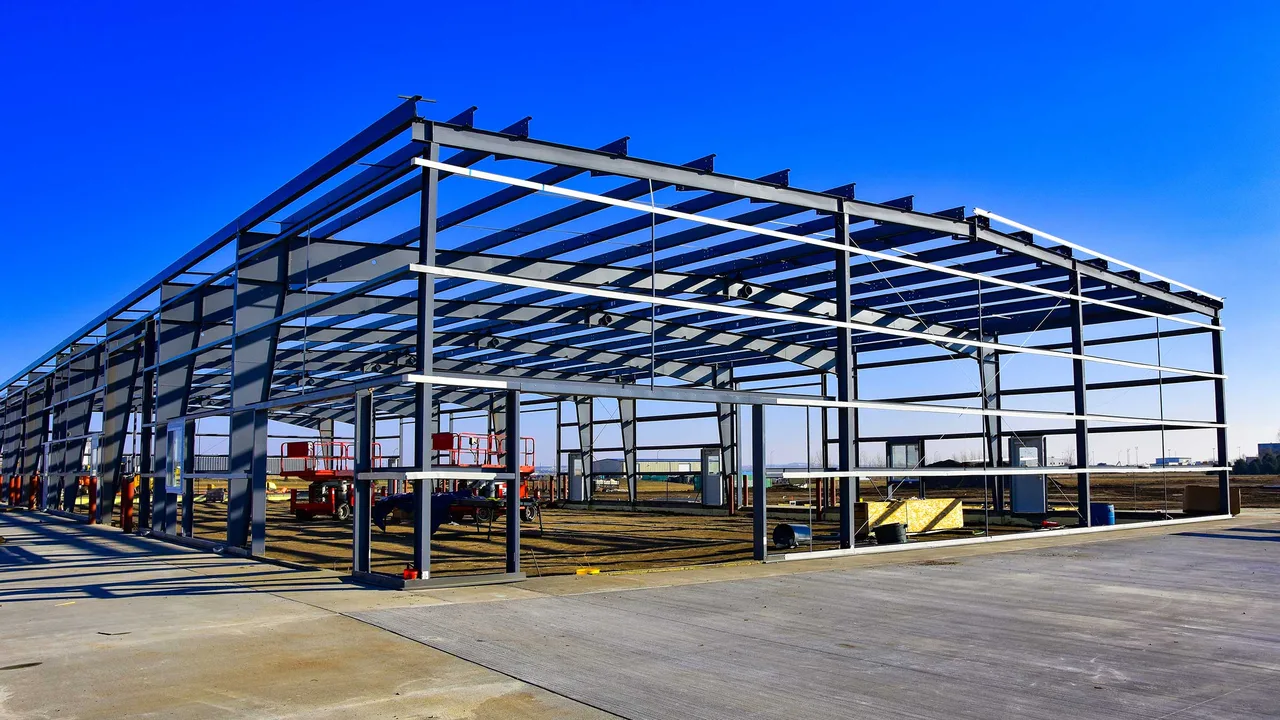
Every large industrial investment begins and ends with a single department — finance. While engineers focus on design and performance, the Chief Financial Officer (CFO) focuses on cost, cash flow, and long-term value. In many organizations, no industrial project moves forward until the CFO’s checklist is satisfied. Understanding what financial executives look for isn’t just about numbers; it’s about risk, timing, and credibility. Knowing the key CFO questions industrial project budget allows project teams to anticipate financial scrutiny before it becomes an obstacle.
This article explores the critical questions CFOs ask before signing off on an industrial project budget — from lifecycle cost and contingency planning to cash flow management and return on investment. By aligning technical plans with financial reasoning, project leaders can increase approval odds and strengthen strategic confidence.
The CFO’s Gatekeeping Role in Industrial Investment
In an industrial setting, the CFO is more than the keeper of capital — they are the ultimate gatekeeper of corporate risk. Every proposed facility, upgrade, or expansion represents a long-term commitment of resources. A CFO’s duty is to ensure that capital deployed today yields sustainable returns tomorrow. Whether the project involves new machinery, warehouse construction, or process modernization, financial approval depends on how well it aligns with company strategy and cash availability.
Many technical teams underestimate this gatekeeping role. They present beautiful blueprints and detailed engineering specifications but fail to answer the financial questions that matter most. To a CFO, even the most technically advanced project can appear risky if cost assumptions are vague or cash requirements unpredictable. That’s why preparing answers to these questions ahead of time is vital for securing funding.
Why CFO Questions Define Project Success
What a CFO asks often determines whether a project succeeds or fails. Each question reveals a deeper intent: ensuring profitability, preventing overruns, and protecting company balance sheets. These aren’t challenges to authority—they’re mechanisms of corporate survival. In capital-intensive industries such as energy, manufacturing, or construction, a single misjudged budget can erode margins for years.
When CFOs ask tough questions about contingencies, ROI, or lifecycle costs, they aren’t doubting the project team’s competence—they’re ensuring financial sustainability. The sooner teams integrate these financial perspectives into planning, the smoother the approval process becomes.
Question 1: What Is the Full Lifecycle Cost of This Project?
One of the first CFO questions industrial project budget focuses on lifecycle cost — not just how much it costs to build, but how much it costs to operate and maintain over time. A common mistake in project proposals is to emphasize capital expenditure (CAPEX) while downplaying operating expenditure (OPEX). For a CFO, both matter equally.
Lifecycle cost analysis covers every phase: design, procurement, construction, commissioning, operation, maintenance, and decommissioning. It measures the total cost of ownership (TCO). A cheaper design today might lead to higher maintenance expenses later, which can quietly destroy project profitability. CFOs therefore want models showing projected costs across a 10–20-year span, not just the first construction phase.
For example, imagine a factory expansion that uses low-efficiency machinery. The capital cost may be 10% lower than premium alternatives, but energy consumption doubles. Within five years, operating costs exceed the initial savings. From a CFO’s viewpoint, this is an expensive oversight — one that could have been avoided with proper lifecycle costing. Teams that demonstrate a full TCO model earn more credibility in budget meetings.
Question 2: How Do We Manage Contingencies and Risks?
Even the best-engineered project is subject to uncertainty. Material price spikes, labor shortages, logistics disruptions, or regulatory changes can all derail budgets. This is why CFOs insist on clear contingency strategies. A typical contingency reserve ranges between 5% and 15% of total project cost, depending on risk exposure.
The key is not just adding a contingency number, but explaining the logic behind it. CFOs want to know: Which risks were considered? How were probability and impact calculated? What happens if those assumptions change? Well-prepared teams use risk matrices and scenario analysis to answer these questions. A transparent risk register, reviewed regularly, signals strong project governance.
In industrial construction, steel price volatility is a classic example. When the market fluctuates by 8–10% within a single quarter, uncontrolled procurement timing can destroy profit margins. A well-documented mitigation plan — such as locking prices early with a trusted steel structure manufacturer — demonstrates financial discipline and risk foresight. For CFOs, that’s the difference between confidence and hesitation.
Question 3: What’s the Project’s Impact on Cash Flow?
Even profitable projects can strain liquidity if cash flows are misaligned. CFOs analyze how project spending unfolds over time — how much cash leaves and when revenue begins to enter. A mismatch between outflows and inflows can create working capital pressure, forcing the company to draw on credit lines or delay other strategic investments.
Project teams must show cash flow projections that detail when supplier payments, contractor milestones, and financing obligations occur. The timing of these transactions affects short-term liquidity, debt utilization, and internal cash rotation. For example, an Engineering–Procurement–Construction (EPC) contract might frontload payments for materials, while a Design-Build structure spreads them more evenly. CFOs often prefer payment schedules that mirror project progress rather than lump-sum settlements at the end.
To visualize this, many teams use S-curves that map cumulative spending over time. These charts help CFOs evaluate whether the company’s cash reserves can support the construction phase without jeopardizing daily operations. They also highlight potential bottlenecks — such as a surge in supplier invoices during peak fabrication — that can be negotiated or phased to maintain balance.
Question 4: How Reliable Are the Cost Assumptions?
Every CFO will probe the foundation of a cost estimate. “What are these numbers based on?” is a question that haunts every project planner. Inflated optimism or missing contingencies can erode confidence immediately. CFOs expect assumptions backed by market data, vendor quotations, and historical performance metrics.
Teams should clarify the sources of pricing: whether it’s a fixed vendor quote, a benchmark from previous projects, or an indexed market rate. In volatile sectors, cost escalation models should include inflation factors and currency risk buffers. CFOs may also ask for third-party validation or cost audits to confirm that internal estimates align with industry standards.
For example, if the labor cost escalation is assumed at 2% but regional wage data shows a 4% trend, the CFO will question why the projection is understated. Transparent documentation and benchmarking against comparable projects increase confidence and demonstrate due diligence.
Ultimately, reliable cost assumptions allow the CFO to evaluate sensitivity scenarios — what happens if steel prices rise by 5%, or delivery delays push back commissioning by two months. The goal is not perfection but preparedness.

Question 5: How Does the Project Affect Company Leverage and ROI?
Capital investments affect not only budgets but also balance sheets. CFOs measure every new industrial project in terms of how it changes company leverage and return on investment (ROI). A project that generates strong returns but increases debt risk may still be rejected if it weakens liquidity or credit ratios.
In reviewing an industrial project, a CFO typically evaluates indicators such as ROI, Internal Rate of Return (IRR), Net Present Value (NPV), and payback period. These financial metrics show how the project contributes to shareholder value. For example, a new production line that increases annual revenue by 15% might look promising, but if the payback period exceeds five years, it can create opportunity-cost concerns. CFOs prefer projects where returns arrive within a predictable window and risk exposure remains measurable.
It’s also common for CFOs to analyze the effect of project financing on debt-to-equity ratios. If a company must borrow heavily to fund expansion, the interest burden could offset the gains. Presenting multiple financing scenarios—such as a mix of internal funding and vendor credit—demonstrates flexibility and reduces perceived financial strain.
Question 6: How Will Project Execution Be Controlled?
Financial oversight doesn’t stop after budget approval. CFOs want assurance that project execution will stay under control once construction begins. This means establishing clear governance systems that track spending, schedules, and change orders in real time.
A common best practice is the creation of a Project Management Office (PMO) or similar oversight function that integrates engineering, procurement, and finance teams. CFOs pay close attention to control tools: cost-tracking dashboards, ERP modules, or construction management software that allows visibility across departments. Real-time reporting builds trust, ensuring that any deviation from the baseline budget is detected early and corrected quickly.
Transparency is key. When CFOs see regular reports with key metrics—earned value, forecast variance, contingency usage—they are far more likely to support future capital requests. Conversely, surprise overruns erode credibility and limit future funding flexibility.
Question 7: What Are the Strategic Benefits Beyond Financial Returns?
Not all value is financial. Modern CFOs increasingly consider how industrial projects align with broader corporate objectives such as sustainability, digitalization, or environmental compliance. These factors can influence investor perception, insurance costs, and even access to green financing.
For example, a project that uses energy-efficient equipment or recycled materials can improve a company’s ESG (Environmental, Social, and Governance) score, opening the door to sustainability-linked credit facilities. Similarly, projects that enhance supply chain resilience—such as building domestic manufacturing capacity—strengthen long-term competitiveness. CFOs evaluate these intangible gains as part of the total business case.
Demonstrating alignment with corporate strategy adds persuasive weight to any proposal. It shows that the project isn’t just a cost—it’s a strategic move that supports growth, compliance, and brand value.
Question 8: How Does This Project Compare to Alternative Investments?
Every project competes for the same corporate capital pool. Before allocating funds, CFOs will ask: “Is this the best use of our resources right now?” To answer, project teams must compare their proposal with other potential investments such as automation upgrades, mergers, or digital expansion.
Conducting an opportunity-cost analysis helps position the project within the wider portfolio. A side-by-side comparison of IRR and payback periods demonstrates why the project deserves priority. For example, if a factory expansion yields 12% ROI but a logistics automation project promises 16%, CFOs might favor the latter unless the expansion offers other strategic advantages, such as access to new markets or higher asset utilization.
Providing this context makes the approval conversation collaborative rather than confrontational. It allows the CFO to evaluate trade-offs transparently and strengthens the credibility of the project team.
Bridging Technical and Financial Perspectives
One of the biggest challenges in capital project approval lies in communication. Engineers speak in tons, torque, and tolerance; CFOs think in margins, ratios, and return periods. Bridging that gap is essential. Successful teams translate technical performance into financial impact—energy efficiency becomes reduced OPEX, automation becomes faster payback, and design optimization becomes higher ROI.
Creating this bridge requires cross-functional collaboration. Finance professionals should be involved early in design stages to align cost models with engineering realities. Likewise, technical teams must learn basic financial modeling to quantify benefits in CFO terms. When both sides speak the same language, the conversation shifts from “how much does it cost?” to “how much value does it create?”
Conclusion: Preparing Answers Before the CFO Asks
CFOs don’t reject projects because they dislike innovation—they reject uncertainty. Their questions about lifecycle cost, contingency, cash flow, and ROI are designed to protect the company’s capital from risk. For project managers and engineers, anticipating those questions is the smartest way to gain financial approval quickly.
Understanding the core CFO questions industrial project budget allows teams to present data-driven, risk-aware, and strategically aligned proposals. When financial and technical perspectives converge, decisions move faster, budgets stay controlled, and outcomes improve.
In the end, CFOs and project leaders share the same goal: predictable, profitable growth. By speaking each other’s language and answering the hard questions upfront, organizations can transform budget reviews from obstacles into opportunities for strategic alignment and long-term success.