Upgrading an Existing Plant: Steel Extensions That Don’t Stop Production
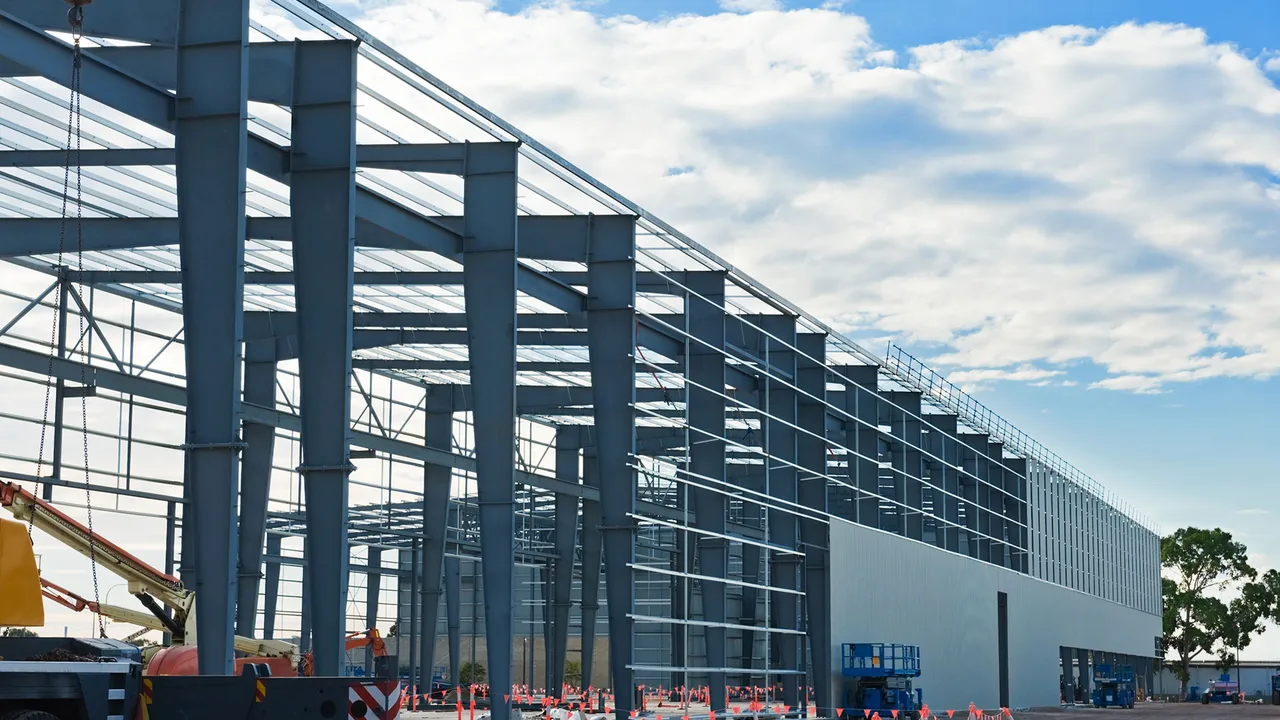
Steel building expansion is one of the most common solutions when industrial plants need more space but cannot stop production. Manufacturing facilities, warehouses, and processing plants often operate continuously, which makes full shutdown construction impractical. Instead of building a new facility, companies prefer extending the existing structure while keeping equipment running. This approach saves time, avoids relocation costs, and allows production to continue during the upgrade.
Expanding a working plant is very different from building on an empty site. Construction must be carefully planned to avoid interrupting operations, damaging equipment, or creating safety risks. Because of these constraints, plant upgrades usually rely on phased construction, strong temporary protection, and sometimes shift work to keep production active while new steel structures are installed.
Why Steel Building Expansion Is Common in Operating Plants
Industrial facilities are designed for long-term use, but production demands often change faster than buildings. A factory may need additional storage, larger production lines, or new equipment that was not part of the original design. Moving to a new site is expensive and disruptive, so many companies choose steel building expansion instead.
Steel structures make expansion easier because they can be extended without demolishing the entire building. Columns, beams, and roof systems can be connected to the existing frame, allowing the plant to grow step by step. This flexibility is one reason steel is widely used in industrial construction.
Another advantage is speed. Steel components can be fabricated in advance and installed quickly on site. When production must continue, shorter installation time reduces the risk of disruption. This is especially important in plants that operate around the clock.
Cost is also a factor. Expanding an existing building usually requires less investment than constructing a new facility. Even when special planning is needed to protect ongoing operations, the total cost is often lower than relocation.
Challenges of Expanding a Plant While Production Continues
Working inside an active industrial environment creates challenges that do not exist in normal construction projects. Equipment must remain operational, workers must stay safe, and the building must remain stable during the upgrade. These conditions make planning more complex.
One of the main risks is interference with production lines. Dust, vibration, or falling materials can damage equipment or affect product quality. Because of this, construction areas must be separated carefully from operating areas.
Space limitations are another problem. Industrial sites are often crowded with machines, storage, and utilities. Bringing in cranes, materials, and workers requires careful logistics planning.
Noise and movement can also affect operations. Some processes require stable conditions, and heavy construction nearby may cause problems. For this reason, many steel building expansion projects include special scheduling to reduce disturbance.
Safety rules are stricter when construction and production happen at the same time. Workers from different teams must coordinate closely, and access to certain areas may be restricted during critical operations.
Planning Steel Building Expansion Around Active Operations
Successful plant upgrades begin with detailed planning long before construction starts. Engineers must study the existing layout, identify sensitive areas, and decide how the new structure will connect to the old one. This stage is important because mistakes can be difficult to correct once production is involved.
One common approach is dividing the site into zones. Each zone is assigned a schedule so that construction can happen in one area while production continues in another. Clear boundaries help prevent accidents and keep work organized.
Temporary access routes are often needed so that materials can reach the construction area without blocking normal plant traffic. In some cases, special paths are built just for the expansion project.
Coordination with plant management is essential. Production schedules, maintenance periods, and safety procedures must all be considered. A well-planned steel building expansion project usually involves regular meetings between construction and plant teams to adjust the schedule when needed.
Phased Construction as the Key to Continuous Production
Phased construction is one of the most effective ways to upgrade a plant without stopping operations. Instead of building everything at once, the project is divided into smaller stages that can be completed one at a time. Each phase is planned so that the rest of the plant can continue working.
Typical phased construction steps may include:
- Building new columns and foundations outside the operating area
- Installing structural steel in sections
- Connecting new frames to the existing building
- Moving equipment only after the new space is ready
- Finishing walls and roof after structure is complete
This method allows production to continue while the building grows gradually. It also reduces risk because problems can be solved in one phase before the next begins.
Phased work requires careful scheduling and clear communication. Every step must be coordinated with plant operations so that construction does not interfere with critical processes. In most steel building expansion projects, phased construction is the only practical way to avoid a shutdown.
Temporary Protection for Equipment and Production Lines
When construction takes place near active machinery, protection is necessary to prevent damage. Dust, sparks, and weather exposure can affect both equipment and products, so temporary barriers are often installed before work begins.
Temporary protection may include:
- Protective walls or partitions
- Temporary roofing or covers
- Dust control systems
- Fire-resistant barriers
- Waterproof enclosures
These measures allow construction crews to work safely without affecting production quality. In some cases, temporary structures remain in place until the new building section is fully enclosed.
Protection planning must consider both construction risks and plant requirements. For example, some production lines cannot tolerate vibration, while others must remain clean. A well-designed steel building expansion project includes these conditions in the early design stage instead of solving them during construction.
Using Shift Work to Reduce Disruption
Another common method for keeping production running during construction is using shift work. Instead of working only during normal hours, construction teams may operate at night, on weekends, or during planned maintenance periods. This reduces the chance of interfering with daily operations.
Night work is often used when heavy lifting or noisy activities are required. By scheduling these tasks outside production hours, the project can move forward without affecting the plant. Weekend work may also be used when certain lines are stopped for maintenance.
Shift work increases labor cost, but it can still be cheaper than shutting down production. For many companies, the cost of stopping a factory for even one day is higher than the cost of working extra hours.
Because of this, many plant upgrades combine phased construction, temporary protection, and shift work to complete the steel building expansion while the facility continues to operate.
Why Steel Structures Work Well for Plant Expansion
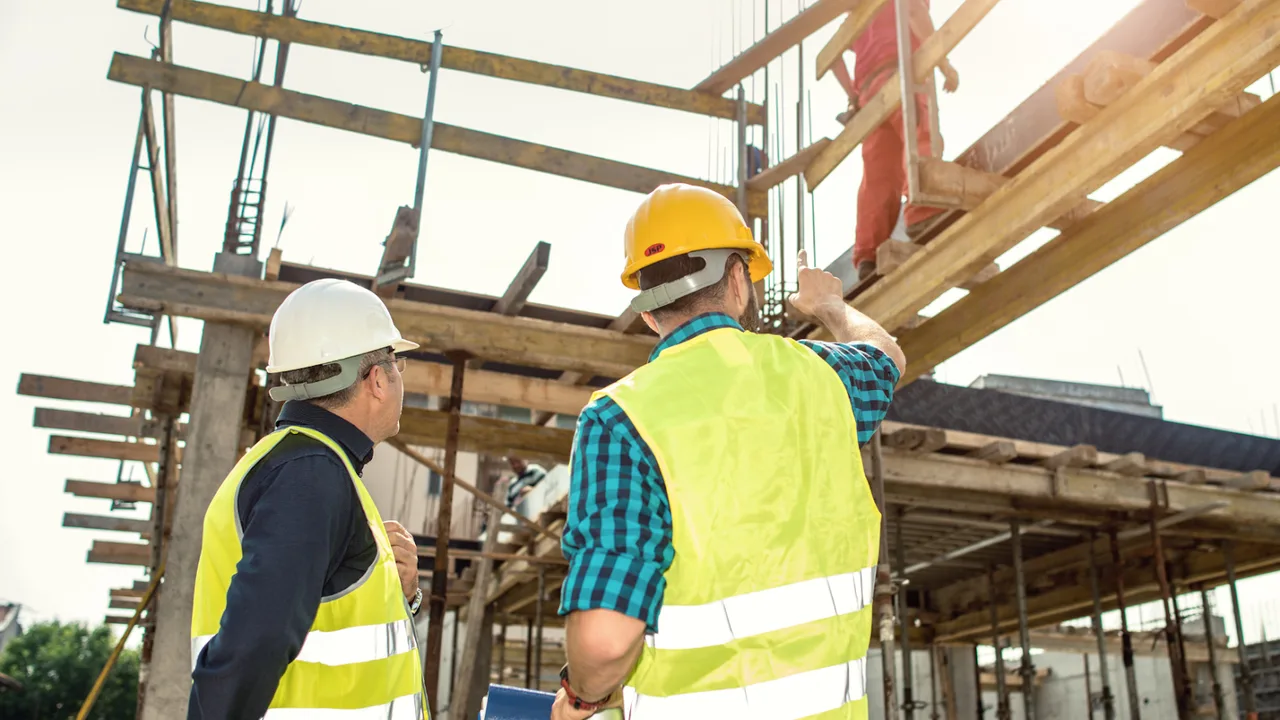
When upgrading an operating facility, steel is often the preferred material because it allows fast installation with minimal disruption. In a steel building expansion, most components can be fabricated off-site and delivered ready for assembly. This reduces the amount of cutting, welding, and heavy work that must be done near active production lines.
Prefabrication also improves accuracy. When columns and beams are produced in controlled factory conditions, they fit more easily with the existing structure. This is important when connecting new frames to an old building where dimensions may not be perfectly consistent.
Another advantage of steel is flexibility. Extensions can be designed to match the existing structure or to create a new layout without removing the old one. Because connections are bolted or welded, future modifications are also possible if the plant needs more expansion later.
For projects that must stay operational, these benefits make steel one of the most practical choices. The shorter installation time and reduced on-site work help keep the steel building expansion under control while production continues.
Structural Design Considerations for Extensions
Connecting a new structure to an existing building requires careful engineering. The original frame may not have been designed for expansion, so engineers must check whether the foundations, columns, and roof can support additional loads.
Load transfer is one of the main concerns. If the new extension relies on the existing structure for support, the old members must be strong enough to handle the extra weight. In some cases, new columns or independent frames are added so that the extension does not overload the original building.
Alignment is another important issue. Column spacing, roof height, and floor levels must match closely, otherwise installation becomes difficult. When the old building has small deviations, the new steel frame may need adjustable connections.
Expansion joints are often required when the extension is large. These joints allow the structures to move slightly due to temperature changes or settlement without causing damage. Proper design ensures that the steel building expansion remains stable for many years.
Safety Management During Steel Building Expansion
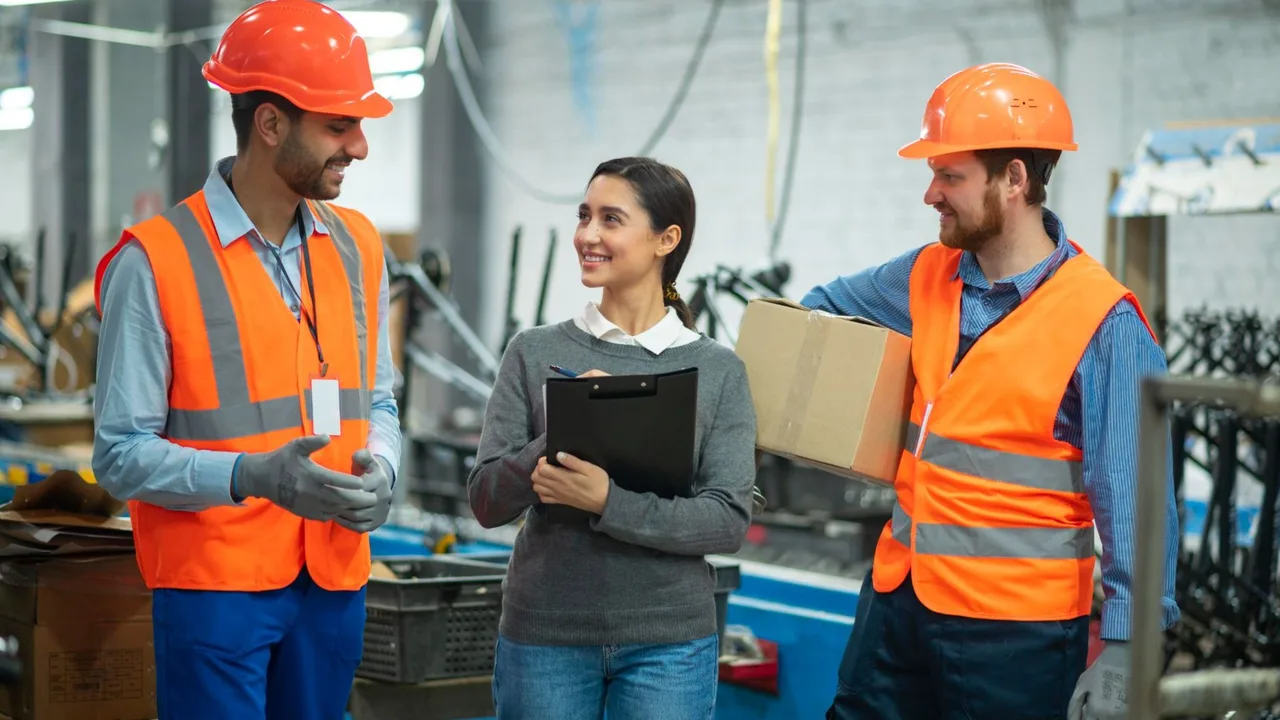
Safety planning becomes more complex when construction takes place inside an active plant. Workers, machines, and construction equipment must share the same space without interfering with each other. Clear rules are needed to prevent accidents.
One common practice is separating the construction zone from the operating zone with physical barriers. Only authorized workers can enter the work area, and special routes are used for materials and equipment.
Communication between teams is also important. Plant operators must know when heavy lifting or welding will happen, and construction crews must understand which areas cannot be disturbed. Regular coordination meetings help keep everyone informed.
In many projects, safety procedures include:
- Restricted access to active production areas
- Permit systems for hot work and lifting
- Extra supervision during critical operations
- Emergency plans shared by both teams
Strong safety management reduces risk and helps the steel building expansion proceed without interrupting production.
Logistics Planning in Limited Industrial Sites
Industrial plants rarely have extra space for construction work. Equipment, storage, and utilities often fill the site, leaving little room for cranes or material staging. Because of this, logistics planning is a major part of any expansion project.
Material delivery must be scheduled carefully so that trucks do not block plant traffic. In some cases, deliveries are made at night or during low production periods. Crane positions must also be selected to avoid power lines, pipelines, or existing buildings.
Temporary storage areas are sometimes created just for the project. Steel members may be delivered in small batches instead of all at once to reduce congestion. This requires close coordination between fabrication and installation.
Careful logistics planning keeps the steel building expansion moving while the plant continues normal operations.
When Plant Expansion Requires Temporary Structures
In some upgrades, temporary structures are needed to keep the plant running while the new building is installed. These structures may support equipment, protect production lines, or allow construction to proceed safely.
Temporary roofs are often used when part of the existing wall or roof must be removed. The temporary cover keeps the interior protected from weather until the new steel frame is complete. In other cases, temporary supports hold equipment in place while foundations are modified.
Modular platforms and temporary walkways may also be installed to keep workers safe during construction. These elements are removed after the expansion is finished, but they are essential during the project.
Planning temporary work in advance makes the steel building expansion smoother and reduces the chance of unexpected delays.
Cost Factors in Steel Building Expansion Projects
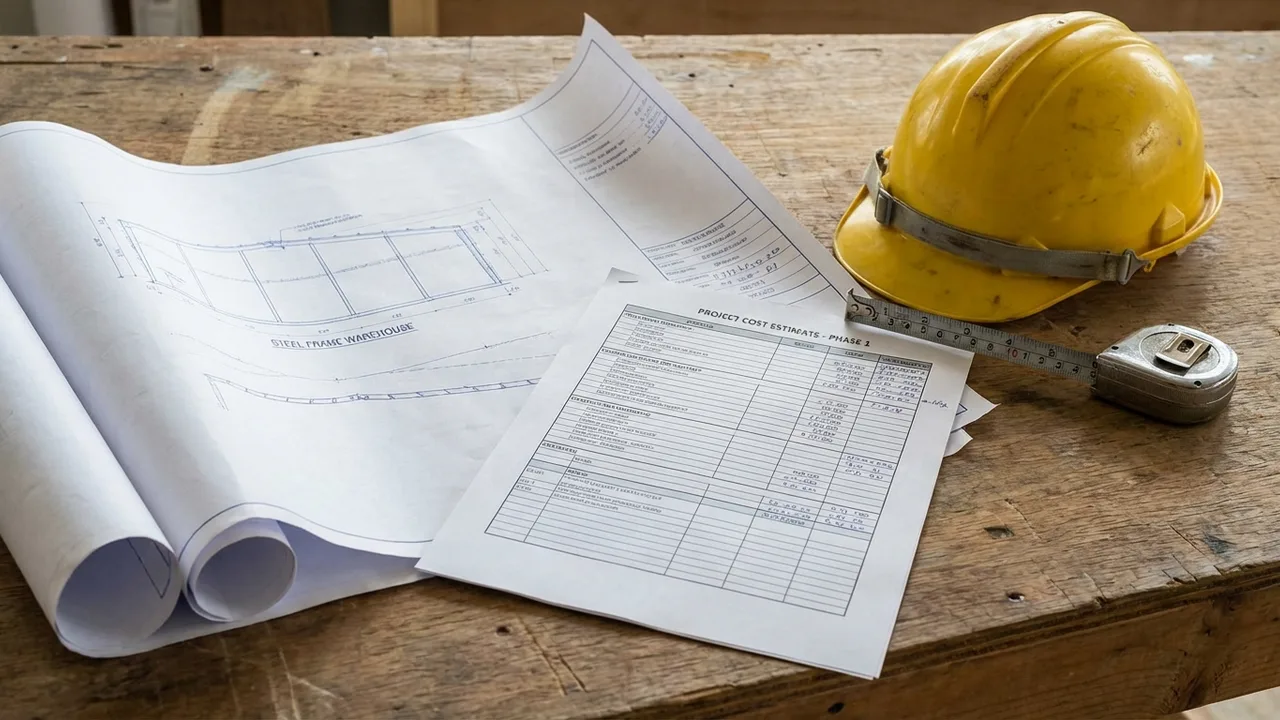
Expanding an operating plant often costs more than building on an empty site, but the total investment may still be lower than relocation. Several factors affect the final cost, and they must be considered during planning.
| Factor | Effect on Cost |
|---|---|
| Phased construction | Longer schedule but less production loss |
| Temporary protection | Extra materials and installation work |
| Shift work | Higher labor cost |
| Limited site space | More complex logistics |
| Safety requirements | Additional supervision and equipment |
Even with these extra costs, many companies prefer steel building expansion because stopping production can be far more expensive. Careful planning helps balance construction cost with operational needs.
Steel Building Expansion Without Production Shutdown
Expanding a plant while it continues to operate requires realistic expectations and detailed coordination. It is rarely possible to work without any disturbance, but with proper planning the impact can be minimized.
The most successful projects combine phased construction, strong temporary protection, and flexible scheduling. Experienced contractors who understand live-plant construction are especially valuable, because they know how to work safely in limited space.
Over time, the benefits of a well-planned steel building expansion are clear. The plant gains more capacity without relocation, production continues during construction, and the facility can be upgraded again in the future if needed.
Guidelines for working in operating industrial environments are often discussed in professional construction safety references such as OSHA construction safety guidance, which explains how to manage risk when construction and production activities take place at the same time.