How Insurance Costs Are Changing Project Feasibility

Insurance cost impact has become a major factor in determining whether industrial and construction projects move forward or stop at the planning stage. In the past, insurance was often treated as a secondary expense compared to engineering, materials, and labor. Today, rising premiums, stricter underwriting rules, and higher coverage requirements mean that insurance can significantly change the total cost of a project. In some cases, the difference in insurance pricing alone can decide whether a project is financially viable.
Developers, contractors, and lenders are paying closer attention to risk than before. Large projects now require multiple layers of coverage, and insurers are more selective about the types of work they are willing to support. Because of this, the insurance cost impact is no longer limited to accounting. It affects feasibility studies, financing approval, contractor selection, and even the overall project pipeline.
Why Insurance Now Plays a Bigger Role in Project Planning
Insurance has always been part of project budgets, but its importance has increased as projects become larger and more complex. Industrial plants, infrastructure works, and large construction contracts involve higher values and greater potential losses. When the exposure increases, insurers respond by raising premiums and tightening requirements.
Another reason insurance plays a bigger role today is the change in global risk conditions. Natural disasters, supply chain disruptions, and large liability claims have made insurers more cautious. As a result, companies must spend more time and money securing coverage before construction can begin.
The insurance cost impact becomes especially visible during early planning. When feasibility studies are prepared, insurance is now included as a key cost category alongside materials, labor, and financing. If premiums are higher than expected, the entire budget may need to be revised.
This shift means that project teams must consider insurance much earlier than before. Waiting until the contract stage to arrange coverage can create delays or unexpected expenses that affect the project schedule.
Understanding Insurance Cost Impact on Project Feasibility
Project feasibility is the process of determining whether a project can be completed within acceptable cost, risk, and time limits. Insurance directly affects this calculation because it changes both the budget and the level of financial protection required by investors.
When insurance costs rise, the total investment increases even if the design remains the same. Higher premiums reduce expected profit, which may cause developers to reconsider the project. In some cases, lenders will not approve financing unless certain coverage limits are in place, which can make the project more expensive.
The insurance cost impact is not always obvious at first. A project may appear profitable based on construction cost alone, but once insurance, risk reserves, and financing conditions are added, the margin becomes too small. This is one reason why feasibility studies today include more detailed risk analysis than in the past.
Insurance also affects the timeline. If coverage cannot be arranged quickly, the project may be delayed while negotiations continue. For large industrial works, these delays can increase cost even further.
What Drives Risk Premiums Higher
Insurance premiums are based on risk, and several factors can cause risk premiums to increase. Understanding these factors helps explain why the insurance cost impact varies from one project to another.
- Project type – Heavy industry, energy, and infrastructure often carry higher risk
- Location – Areas exposed to earthquakes, storms, or political instability cost more to insure
- Contractor experience – Companies with strong records usually receive better rates
- Project size – Larger contracts require higher coverage limits
- Safety performance – Poor safety history increases premiums
- Claims history – Previous losses may affect future insurance pricing
Insurers evaluate these elements carefully before offering coverage. Even a well-designed project may receive high premiums if the contractor has a weak safety record or limited experience with similar work.
Because premiums depend on many variables, the insurance cost impact can change quickly when project conditions change. A different location, contractor, or contract structure may produce a very different insurance price.
Coverage Limits and Why They Matter More Than Before
In addition to premiums, coverage limits have become an important factor in project feasibility. Many owners and lenders now require higher limits to protect against large losses. These requirements increase the cost of insurance even if the project risk has not changed.
Higher limits are common in industrial projects where equipment, materials, and potential liability values are very high. A single accident can create losses far beyond the construction cost, so insurers and lenders demand stronger protection.
The insurance cost impact is often linked to these limits. When coverage must be increased, premiums usually rise as well. In some cases, insurers may require multiple policies or shared coverage between several companies, which adds complexity.
Project teams must balance protection and cost. Too little coverage may prevent financing, while too much coverage may make the project too expensive to justify.
How Claims History Affects Future Project Costs
A company’s past performance has a strong influence on insurance pricing. Insurers review previous accidents, delays, and liability claims when deciding how much to charge for new projects. A poor claims history can increase premiums even if the current project is well planned.
This is one reason why experienced contractors often have an advantage. Companies with strong safety programs and low loss records are considered lower risk, which can reduce insurance cost. Over time, this difference can make their bids more competitive.
The insurance cost impact related to claims history may continue for several years. A major incident can affect premiums long after the project is finished. Because of this, many organizations invest heavily in risk management and safety systems to maintain good insurance ratings.
For large industrial projects, the difference between a good and bad claims record can change the feasibility calculation. Higher premiums may reduce profit margins or require additional financing, which can make investors more cautious.
Insurance Cost Impact on Financing and Investment Decisions
Insurance is closely connected to project financing. Banks and investors want to protect their capital, so they often require specific types of coverage before approving loans. If insurance cannot be arranged at a reasonable price, funding may not be available.
This is where the insurance cost impact becomes critical. Higher premiums increase the total project cost, which reduces expected return. At the same time, stricter coverage requirements may limit the number of contractors who qualify for the work.
Insurance conditions can also affect the project schedule. Financing agreements may require proof of coverage before construction begins. If negotiations with insurers take longer than expected, the start date may be delayed.
Because of these connections, insurance is now considered part of the core feasibility model. Developers must evaluate premiums, coverage limits, and risk conditions at the same time they evaluate design and construction cost.
High-Risk Sectors Facing Rising Insurance Costs
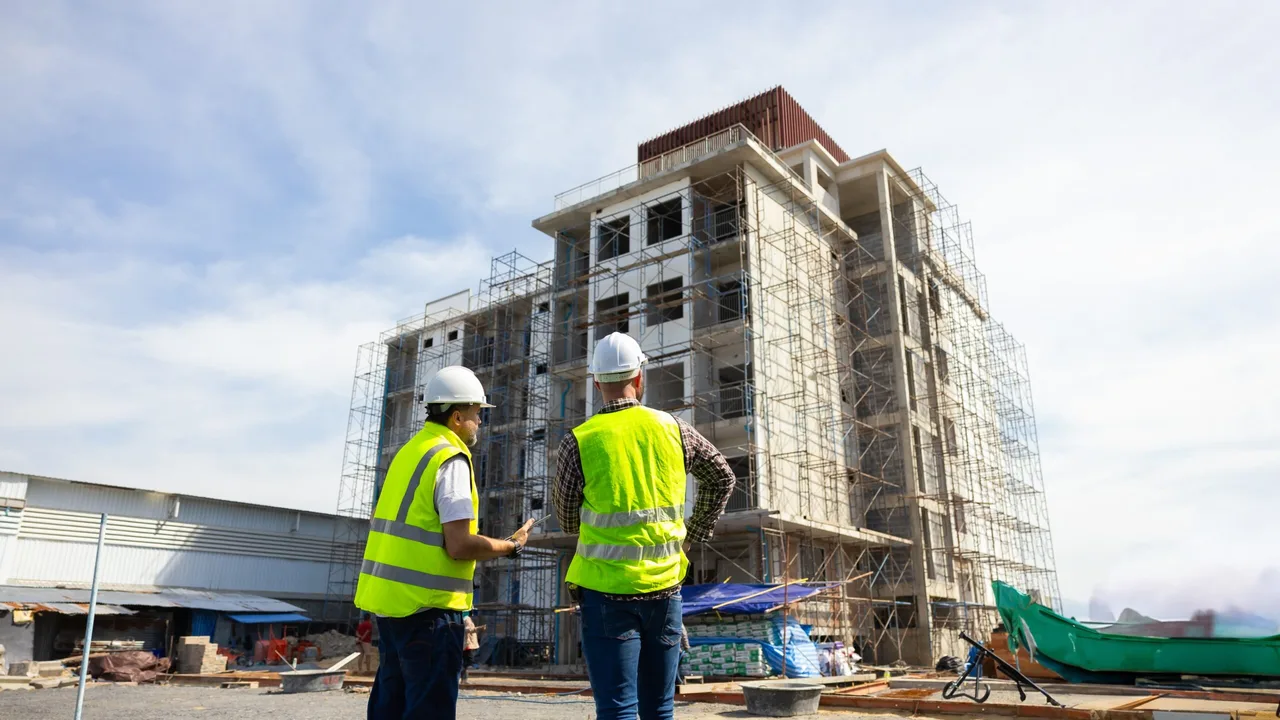
Not all industries experience the same insurance cost impact. Some sectors are considered higher risk by insurers because of the scale of investment, the technical complexity, or the potential for large losses. Projects in these categories often face higher premiums, stricter conditions, and more detailed underwriting reviews.
Energy projects, for example, usually require extensive coverage because equipment values are high and downtime can be expensive. Infrastructure works such as bridges, ports, and transportation systems also carry significant liability exposure, which increases insurance requirements.
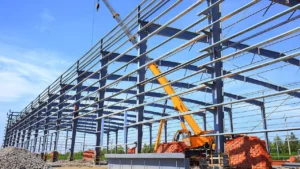
Heavy industrial construction is another area where risk premiums tend to rise. Large factories, processing plants, and steel structures involve lifting operations, complex installation work, and coordination between multiple contractors. Each of these factors increases the level of risk that insurers must evaluate.
International projects can also face higher costs, especially when work is located in regions with unstable regulations or higher environmental exposure. In these cases, the insurance cost impact may include both higher premiums and additional policy conditions.
How Risk Premiums Change Contractor Selection
Insurance pricing does not only affect the project budget. It can also influence which contractors are allowed to participate. Insurers often review the experience, financial strength, and safety record of the companies involved before agreeing to provide coverage. If a contractor does not meet the required standard, the premium may increase or coverage may be refused.
This situation means that project owners sometimes choose a contractor based on insurability rather than price. A company with a strong track record may cost more at first, but the overall project may still be cheaper because insurance rates are lower.
The insurance cost impact becomes clear when comparing bids. Two contractors may offer similar construction prices, but the one with a better safety record may result in lower total cost after insurance is included. For large projects, this difference can be significant.
Because of this, many developers review contractor qualifications together with insurance conditions instead of treating them as separate decisions.
Strategies Companies Use to Control Insurance Costs
As premiums increase, companies look for ways to reduce risk and make projects easier to insure. Insurers often offer better pricing when they see strong risk management programs and clear safety procedures. These measures do not eliminate the insurance cost impact, but they can make the difference between acceptable and excessive premiums.
| Strategy | Effect on Insurance Cost |
|---|---|
| Strong safety management system | Lower risk rating and better premium terms |
| Experienced contractors | Improved underwriting confidence |
| Higher deductibles | Lower annual premium |
| Clear contract responsibility | Reduced liability disputes |
| Detailed project documentation | Faster insurance approval |
Choosing the right strategy depends on the project size and risk level. Some companies prefer higher deductibles to reduce premiums, while others focus on strict safety control to maintain a good claims history. In either case, planning insurance early helps avoid unexpected cost increases later.
Insurance Cost Impact on Contract Structure
The structure of a contract can change how risk is shared between the owner, contractor, and suppliers. This distribution of responsibility affects how insurers evaluate the project and how much coverage is required.
In EPC contracts, one contractor may take responsibility for design, procurement, and construction. This can simplify insurance because the risk is concentrated in one party, but it may also require higher coverage limits. In split contracts, risk is shared between several companies, which can reduce exposure for each participant but increase coordination complexity.
The insurance cost impact is often connected to these decisions. If liability is unclear, insurers may increase premiums to protect themselves. Clear contract terms usually make underwriting easier and help keep costs under control.
Indemnity clauses, warranty conditions, and responsibility for delays all influence insurance pricing. Because of this, legal and insurance reviews are often part of the feasibility stage for large projects.
Why Some Projects No Longer Move Forward
In recent years, some projects have been cancelled or postponed because insurance costs became too high. Even when engineering and financing look acceptable, the total budget may exceed limits once premiums and coverage requirements are included.
This situation is more common in projects with high technical risk or uncertain operating conditions. If insurers believe the probability of loss is too high, they may offer coverage only at very high cost, or they may refuse to insure the project at all. Without insurance, lenders usually will not provide funding.
The insurance cost impact can therefore stop a project before construction begins. Developers may decide to redesign the project, choose different contractors, or move the work to another location where insurance conditions are more favorable.
In some cases, projects are delayed until market conditions change and premiums become lower. This shows how strongly insurance now influences the project pipeline.
Future Trends in Insurance and Project Development
Insurance markets continue to change as projects become more complex and global risks increase. Insurers are asking for more documentation, more detailed risk analysis, and stronger safety programs before they agree to provide coverage. This trend means that project teams must prepare more information during the planning stage.
Digital tools are also becoming part of risk evaluation. Some insurers use monitoring systems, data analysis, and performance records to calculate premiums more accurately. Projects with better data and clear procedures may receive better conditions.
The insurance cost impact is likely to remain an important factor in future development. As requirements become stricter, companies will need to include insurance planning in early feasibility studies instead of treating it as a final step.
Organizations that understand underwriting expectations and maintain strong safety records will usually have an advantage when negotiating coverage.
Insurance Cost Impact as a New Feasibility Factor
Project feasibility used to focus mainly on engineering, schedule, and construction cost. Today, insurance must be considered at the same level. Premiums, coverage limits, and risk premiums all influence whether a project can meet financial targets.
The growing insurance cost impact means that developers must evaluate risk from the beginning. Decisions about location, contractor selection, and contract structure can all change the final insurance price. Ignoring these factors until late in the process can create major problems.
As industrial projects become larger and more complex, insurance will continue to play a bigger role in investment decisions. Understanding how premiums are calculated, how claims history affects pricing, and how coverage requirements influence financing helps companies plan projects more realistically.
Public industry reports such as those published by Marsh construction risk insights often show how underwriting trends, risk premiums, and claims history affect the cost of large industrial and construction projects worldwide.