What “Interoperability” Means for Project Software Stacks
Interoperability in project software has become one of the most important factors in modern project execution, especially in industries that rely on multiple digital tools at the same time. Engineering, construction, manufacturing, and infrastructure projects rarely use a single software platform. Instead, teams depend on a stack of applications for design, scheduling, cost control, procurement, and documentation. When these systems cannot communicate properly, the result is lost time, duplicated work, and higher risk of errors.
Because of this, companies are paying more attention to how different tools connect with each other. The concept of interoperability is not only about whether software can run on the same computer, but whether it can exchange data correctly, consistently, and without manual work. As projects become more complex, interoperability in project software directly affects efficiency, collaboration, and long-term data reliability.
Understanding Interoperability in Project Software
Interoperability refers to the ability of different software systems to work together by sharing data in a usable format. In project environments, this means that information created in one tool can be read, updated, and reused in another tool without needing to be recreated. This capability is essential in workflows where multiple teams use different applications for different tasks.
It is important to distinguish between compatibility and interoperability. Compatibility usually means that software can run in the same environment, while interoperability means that the systems can exchange information correctly. A program may be compatible with another platform but still require manual data transfer, which slows the workflow.
The importance of interoperability in project software becomes clear in large projects where hundreds of files, drawings, schedules, and reports must remain consistent. Without proper integration, even small changes can create confusion across teams.
Why Modern Projects Depend on Multiple Software Systems
Most modern projects require a combination of specialized tools rather than a single all-in-one solution. Design teams may use CAD or BIM software, project managers rely on scheduling platforms, finance departments work with ERP systems, and contractors use separate tools for procurement and site management. Each of these systems is built for a specific purpose, which means they do not always share the same data structure.
This multi-platform environment makes integration planning necessary from the beginning of a project. When teams select software without considering how the systems will connect, they often discover problems later. Files may need to be exported and re-entered manually, which increases the chance of mistakes.
Another challenge is that different vendors store information in different formats. Without proper integration, the same data may exist in several places, and updates in one system may not appear in another. These inconsistencies slow decision making and reduce confidence in the accuracy of project information.
Because of these issues, companies increasingly evaluate new tools based not only on features, but also on how well they support interoperability in project software.
The Role of APIs in Connecting Project Platforms
One of the key technologies that makes interoperability possible is the use of APIs. An API, or Application Programming Interface, allows one software system to communicate with another by sending and receiving structured data. Instead of transferring files manually, systems can exchange information automatically.
In project environments, APIs are used to connect scheduling tools with cost control systems, design software with fabrication platforms, and document management systems with field reporting applications. When APIs are available, developers can create direct connections between programs, reducing the need for manual work.
For example, a change in a design model can automatically update quantities in a cost estimation system. Without API connections, the same information would need to be entered twice, increasing the risk of error. This is why APIs are considered one of the foundations of interoperability in project software.
However, not all software vendors provide open APIs. Some platforms restrict access to their data, which makes integration more difficult. When planning a software stack, companies often prefer systems that support open interfaces, because they allow more flexibility in the future.
Data Standards and Why They Matter
Another important element of interoperability is the use of shared data standards. A data standard defines how information is structured so that different systems can understand it. When software uses the same standard, data can move between platforms without losing meaning.
In engineering and construction projects, open formats are often used to allow collaboration between companies that use different tools. Instead of relying on a proprietary format, teams can exchange files using a common structure that all systems can read.
Data standards also help prevent vendor lock-in. When information is stored in a closed format, it may be difficult to move the data to another system later. With open standards, companies keep control of their project information and can change tools without losing history.
The connection between standards and interoperability in project software is direct. Even if two systems have APIs, they may not communicate correctly unless the data format is consistent. This is why many organizations define standard data structures before selecting software.
Integration Planning as Part of Project Strategy
Integration planning is often overlooked during the early stages of a project, but it becomes critical once work begins. Choosing software based only on individual features can create problems later if the tools cannot exchange data smoothly. For this reason, many companies now include integration planning as part of their overall project strategy.
Effective integration planning starts by identifying what information must flow between systems. Project schedules may need to connect with procurement data, design models may need to connect with fabrication systems, and cost reports may need to connect with accounting platforms. Once these connections are defined, teams can select tools that support the required interfaces.
Another consideration is long-term data use. Project information is often needed after construction is complete, especially for maintenance, operation, and future expansion. If the software stack does not support interoperability in project software, valuable data may become difficult to access later.
Companies that plan integration early usually experience fewer delays and fewer data errors. Instead of solving problems during construction, they build a system that allows information to move smoothly from the beginning.
Common Problems When Software Is Not Interoperable
When interoperability is missing, the most obvious problem is repeated manual work. Data must be entered into multiple systems, and every update must be copied again. This increases the chance of mistakes and consumes time that could be used for actual project tasks.
Version conflicts are another common issue. If different teams work with different copies of the same file, changes may not be synchronized. This can lead to incorrect drawings, outdated schedules, or inaccurate cost reports.
Decision making also becomes slower when information is scattered across platforms. Managers may need to collect data from several systems before they can understand the current project status. In fast-moving projects, this delay can create serious risks.
These problems explain why interoperability in project software is now considered essential rather than optional. As projects become larger and more digital, the ability to connect systems reliably has a direct effect on cost, schedule, and quality.
Interoperability in Large Industrial and Construction Projects
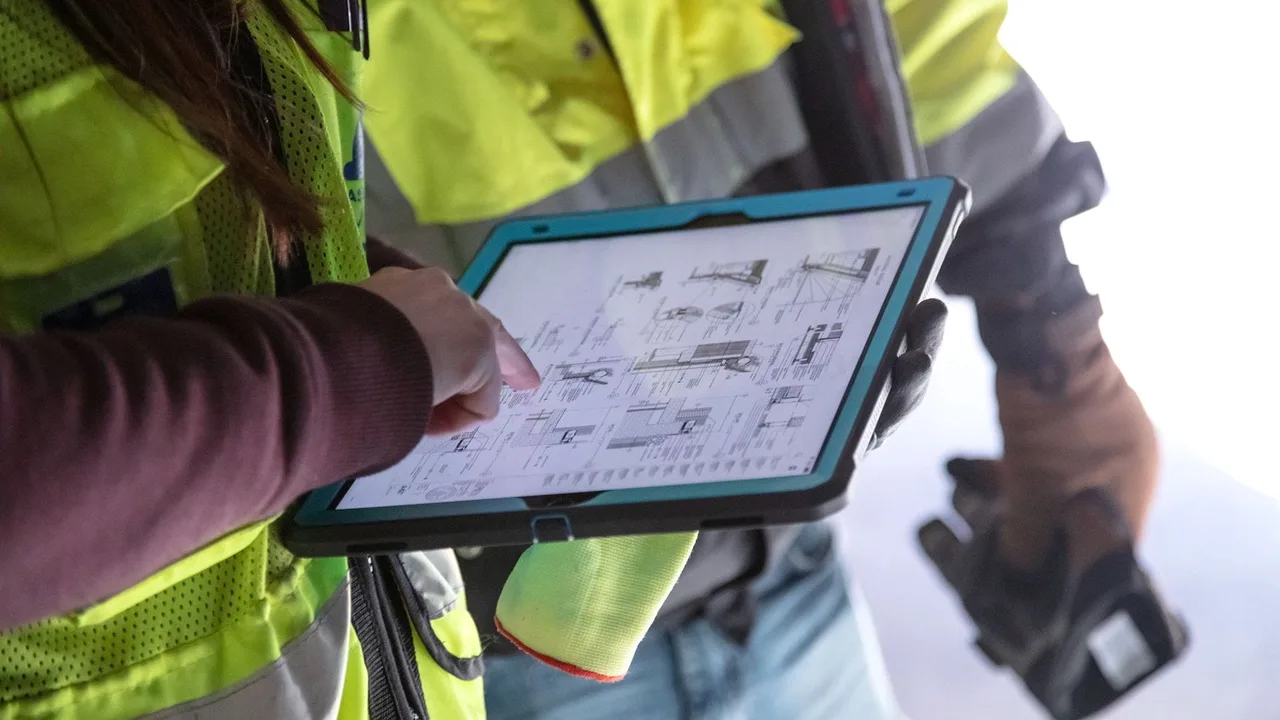
Large industrial and construction projects often involve dozens of companies working together, each using different software tools. Designers, contractors, suppliers, consultants, and owners may all rely on separate platforms for their daily work. In this environment, interoperability in project software becomes critical because project data must move between organizations without losing accuracy.
For example, design teams may create BIM models, contractors may use scheduling software, procurement teams may work in ERP systems, and fabrication companies may use production management tools. If these systems cannot exchange data efficiently, information must be converted manually, which slows the workflow and increases the chance of errors.
Industrial projects are especially sensitive to this problem because they often include complex equipment, custom structures, and strict coordination between disciplines. A small change in one system may require updates in several others. Without reliable integration, the risk of inconsistency grows as the project becomes larger.
This is why many organizations now require integration capability as part of their software selection process. Instead of choosing tools independently, they evaluate how each platform fits into the overall stack.
Cloud Platforms and the Push for Open Integration
The move toward cloud-based software has increased the importance of interoperability. Modern project tools are often delivered as online services, which means they must connect through web interfaces rather than local files. This change has encouraged vendors to provide better APIs and more flexible integration options.
Cloud platforms make it possible for different teams to access the same information in real time, but only if the systems can communicate properly. When integration is missing, cloud software can still create isolated data, which defeats the purpose of digital collaboration.
Because of this, many companies now prefer tools that support open integration rather than closed ecosystems. When systems allow data exchange through APIs and shared formats, it becomes easier to build a reliable workflow. This trend has strengthened the role of interoperability in project software as a key requirement for modern project management.
Software vendors are also responding to customer demand by providing developer tools, connectors, and integration libraries. These features allow companies to link platforms without modifying the original software.
How Data Standards Improve Collaboration
Collaboration between multiple companies is easier when everyone follows the same data standards. A standard defines how information is organized, named, and stored so that different systems can interpret it correctly. When teams use consistent structures, files can move between platforms without losing meaning.
In international projects, data standards are particularly important because participants may use different software in different countries. Without a shared format, exchanging models, drawings, or schedules becomes complicated.
Standards also help maintain long-term data quality. Projects often last for years, and information may need to be accessed long after the original software is replaced. When data follows an open standard, it can be reused even if the tools change.
The connection between standards and interoperability in project software is clear. Integration works best when both the interface and the data structure are designed to support sharing.
Vendor Lock-In vs Open Systems
One of the risks in building a software stack is becoming dependent on a single vendor. When all project data is stored in a proprietary format, switching to another system can be difficult or expensive. This situation is often called vendor lock-in.
Closed platforms may offer strong features, but they sometimes limit integration with other tools. If a system does not support open APIs or standard formats, companies may be forced to keep using it even when better options exist.
Open systems reduce this risk by allowing data to move freely between applications. When software supports APIs, data standards, and flexible export options, companies can build their own workflows without depending on a single provider. This flexibility is one of the main reasons why interoperability in project software is becoming more important.
Many organizations now include integration capability as a requirement when purchasing new software. Instead of focusing only on features, they evaluate how easily the system can connect to other tools.
Future Trends in Project Software Integration
Project software continues to evolve as digital technology becomes more advanced. New tools for automation, artificial intelligence, and real-time monitoring all depend on reliable data exchange. Without integration, these technologies cannot deliver their full value.
One emerging trend is the use of digital twins, where a virtual model of a facility is connected to real-world data. To make this possible, design software, sensors, maintenance systems, and management platforms must all share information. This requires strong integration planning from the beginning of the project.
Another trend is the connection between supply chains and project management systems. Fabrication schedules, material deliveries, and installation progress can now be tracked automatically when software platforms are linked through APIs. This level of coordination is only possible when interoperability in project software is part of the system design.
Automation also depends on consistent data. When information flows smoothly between tools, repetitive tasks can be handled by scripts or workflows instead of manual work. This reduces errors and allows teams to focus on decision making.
Why Interoperability Is Becoming a Requirement, Not a Feature
In the past, interoperability was often considered an extra feature that only large projects needed. Today, even medium-sized projects use multiple digital tools, which makes integration necessary. As schedules become shorter and projects become more complex, disconnected systems create delays that companies cannot afford.
Clients also expect better transparency. Owners want to see real-time progress, accurate cost reports, and updated schedules. Providing this information requires data to move quickly between systems, which is only possible when the software stack is designed for integration.
Because of this, interoperability in project software is now treated as a basic requirement when selecting tools. Companies that ignore integration often discover problems later, when changing systems becomes more difficult.
Industry standards and government requirements are also encouraging open data exchange. In some sectors, projects must provide digital records in specific formats, which makes interoperability necessary for compliance.
Interoperability in Project Software and Long-Term Data Value
Project data does not lose value when construction ends. Information created during design and execution is often needed for maintenance, operation, and future upgrades. If the software stack does not support data exchange, this information may become difficult to use later.
Facilities with long lifecycles, such as factories, infrastructure, and energy plants, depend on accurate historical data. Maintenance teams need access to drawings, equipment specifications, and previous changes. When systems are interoperable, this data can remain useful even if the original software is replaced.
Long-term data value is one of the strongest reasons to plan integration early. Choosing tools that support open formats, APIs, and shared standards helps ensure that information can be reused for many years.
The growing complexity of modern projects means that interoperability in project software is no longer optional. It affects daily workflow, collaboration between companies, and the long-term usability of project data. Organizations that invest in integration planning are more likely to complete projects efficiently and maintain reliable information throughout the entire lifecycle.
Additional information about software interoperability and open data standards can be found in public technical resources such as
NIST interoperability guidelines, which discuss how systems exchange data in complex engineering and project environments.