Remote Site Monitoring: Cameras, Drones, and Reporting Workflows
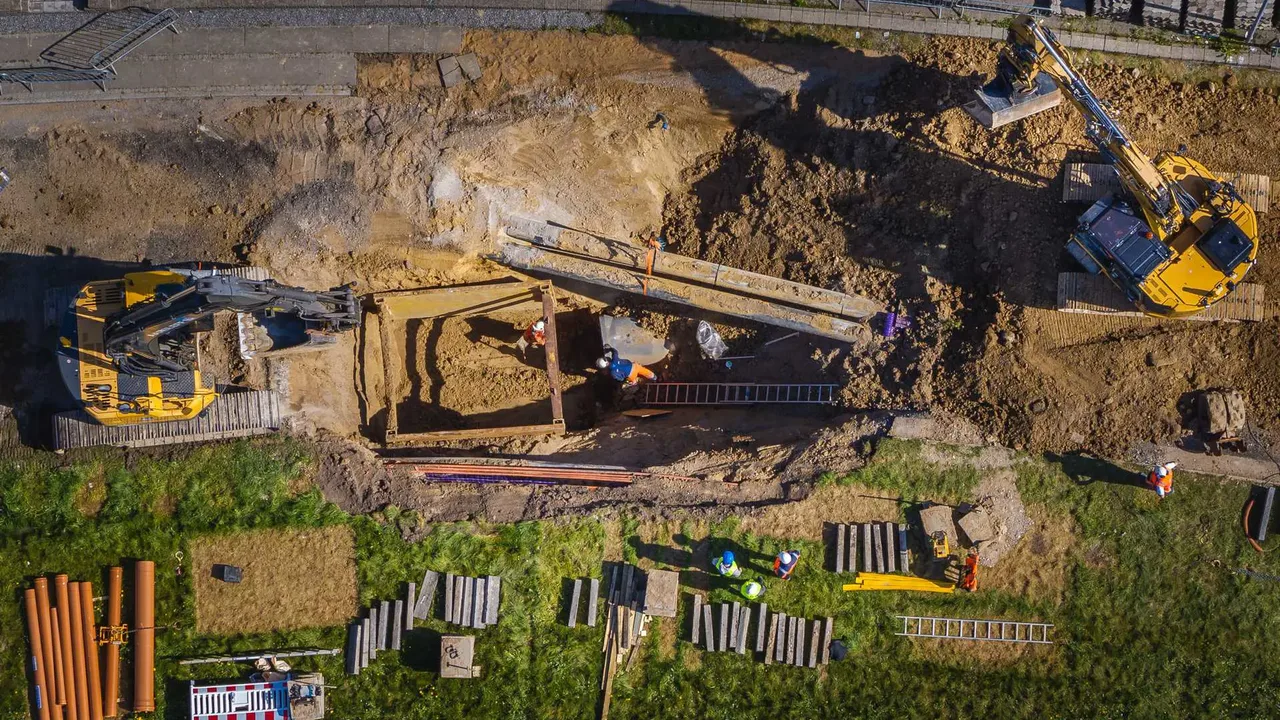
Industrial projects no longer happen in one place, under one roof, with everyone physically present. Construction sites, energy facilities, logistics hubs, and fabrication yards are increasingly spread across regions—sometimes across countries. This geographic dispersion has made traditional supervision models inefficient and expensive. As a result, companies are redesigning how they oversee operations by building a structured remote site monitoring workflow that delivers visibility without constant on-site presence.
Remote monitoring is no longer just about installing a camera and checking it occasionally. Today, it combines visual data capture, aerial inspections, structured reporting, and decision-making loops that turn raw observations into operational control. When done right, this workflow improves progress tracking, strengthens safety monitoring, and produces reliable daily reports that management can trust.
Understanding the Remote Site Monitoring Workflow
A remote site monitoring workflow is a defined process that governs how site data is captured, transmitted, reviewed, and converted into actions. Unlike ad-hoc monitoring—where images or updates are shared irregularly—a workflow ensures consistency, accountability, and comparability over time.
At a high level, the workflow consists of four core stages:
- Data capture: Visual and sensor data collected via cameras, drones, or mobile devices.
- Data transmission: Secure transfer of data to cloud platforms or centralized servers.
- Analysis and validation: Reviewing visuals against schedules, safety rules, or quality benchmarks.
- Reporting and decisions: Converting findings into daily reports, alerts, or corrective actions.
This structure matters because visibility without interpretation creates noise. A disciplined workflow filters that noise, ensuring the right information reaches the right people at the right time.
Cameras as the Foundation of Continuous Monitoring
Fixed cameras form the backbone of most remote monitoring setups. Installed strategically around a site, they provide continuous visual records of ongoing work. Unlike manual inspections, cameras create an objective timeline that can be reviewed at any moment.
Common camera types used in remote monitoring include:
- Fixed-position cameras: Ideal for monitoring entrances, laydown areas, or critical work zones.
- PTZ (pan–tilt–zoom) cameras: Allow remote operators to adjust angles and zoom into details.
- Time-lapse cameras: Capture periodic images that visually summarize progress over weeks or months.
From a workflow perspective, cameras support continuous progress tracking. Managers can verify whether structural assembly, equipment installation, or earthworks align with the planned schedule—without relying solely on verbal updates. This visual confirmation reduces disputes and increases confidence in reported progress.
Cameras also play a role in compliance documentation. Visual records are often used to validate completed milestones, support payment claims, or review incidents retrospectively. However, fixed cameras have limitations: blind spots, static viewpoints, and reduced effectiveness across large or complex sites.
Drones for Dynamic and Aerial Site Visibility
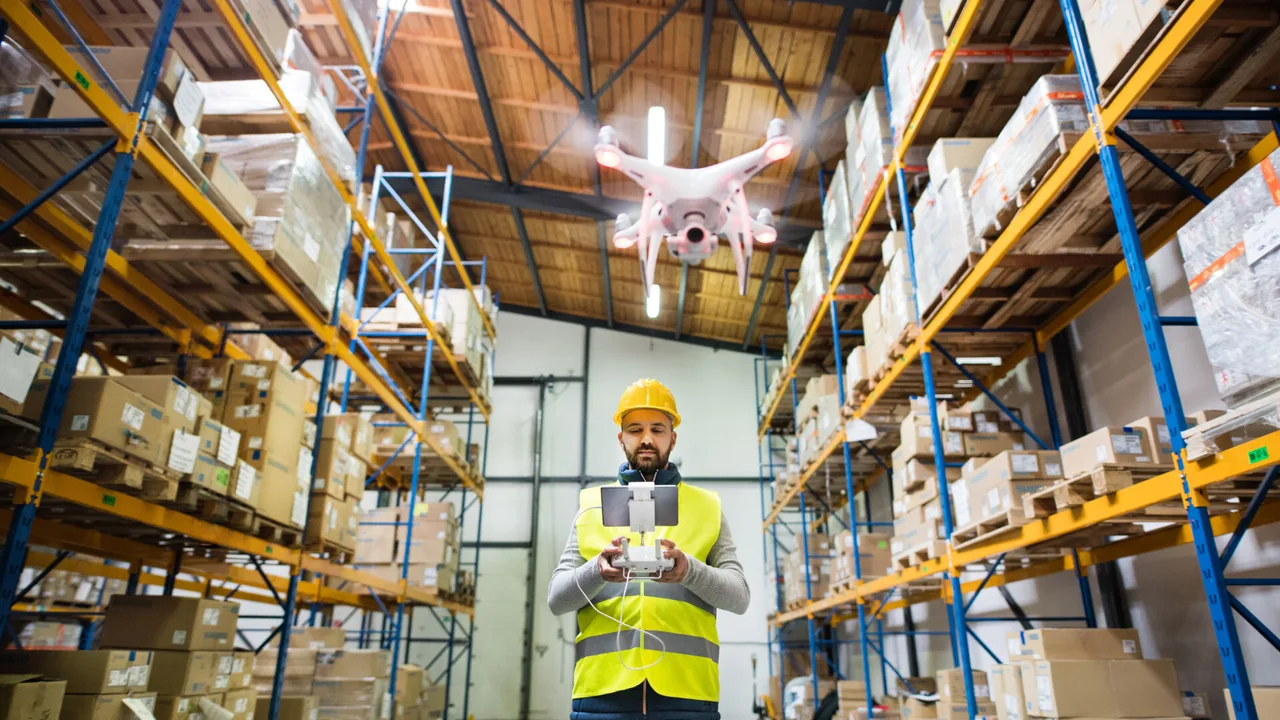
Drones address many of the limitations inherent in fixed cameras. By capturing aerial and mobile perspectives, they provide context that static systems cannot. In a mature remote site monitoring workflow, drones are typically used on a scheduled basis—daily, weekly, or at key milestones—rather than continuously.
Key use cases for drones include:
- Surveying large or remote project areas.
- Inspecting elevated or hard-to-reach structures.
- Tracking earthworks volume and site layout changes.
- Providing panoramic progress overviews for stakeholders.
Drone imagery is especially valuable during early-stage construction or large infrastructure projects, where spatial context matters more than fine detail. By comparing aerial images week over week, teams can quickly identify deviations from planned sequencing or detect delays before they escalate.
That said, drones introduce new challenges. Regulatory requirements, weather dependency, and data processing overhead mean they must be integrated thoughtfully. Successful teams treat drones as strategic data inputs, not replacements for continuous camera-based monitoring.
Progress Tracking Through Visual and Data-Based Evidence
Progress tracking is one of the most immediate benefits of remote monitoring. Instead of relying on percentage estimates or narrative updates, teams can validate progress against visual evidence. A structured remote site monitoring workflow aligns images and footage directly with project milestones.
For example, weekly progress reviews might involve:
- Comparing time-lapse camera images against the baseline schedule.
- Reviewing drone footage to confirm completion of major work packages.
- Flagging discrepancies between reported and observed progress.
This approach creates a single source of truth. Visual data reduces ambiguity and makes discussions more objective, particularly when multiple contractors or subcontractors are involved. Over time, consistent visual tracking also improves forecasting accuracy, as teams learn how actual progress compares to planned rates.
Safety Monitoring Without Constant On-Site Presence
Beyond productivity, safety is a critical driver of remote monitoring adoption. With fewer supervisors physically present, companies need alternative ways to maintain oversight. Visual monitoring supports safety monitoring by identifying unsafe behaviors, access violations, or hazardous conditions early.
Remote safety monitoring commonly focuses on:
- Use of personal protective equipment (PPE).
- Restricted-area access control.
- High-risk activities such as lifting or working at height.
When integrated into daily workflows, visual observations can be logged and reviewed alongside established safety standards, such as those outlined by occupational safety authorities like OSHA regulations. This alignment helps ensure that remote oversight supports—not replaces—formal safety management systems.
Importantly, the goal is not surveillance for its own sake. Effective safety monitoring workflows focus on prevention and improvement, using visual data to reinforce safe practices rather than assign blame.
Daily Reports as the Output of the Workflow
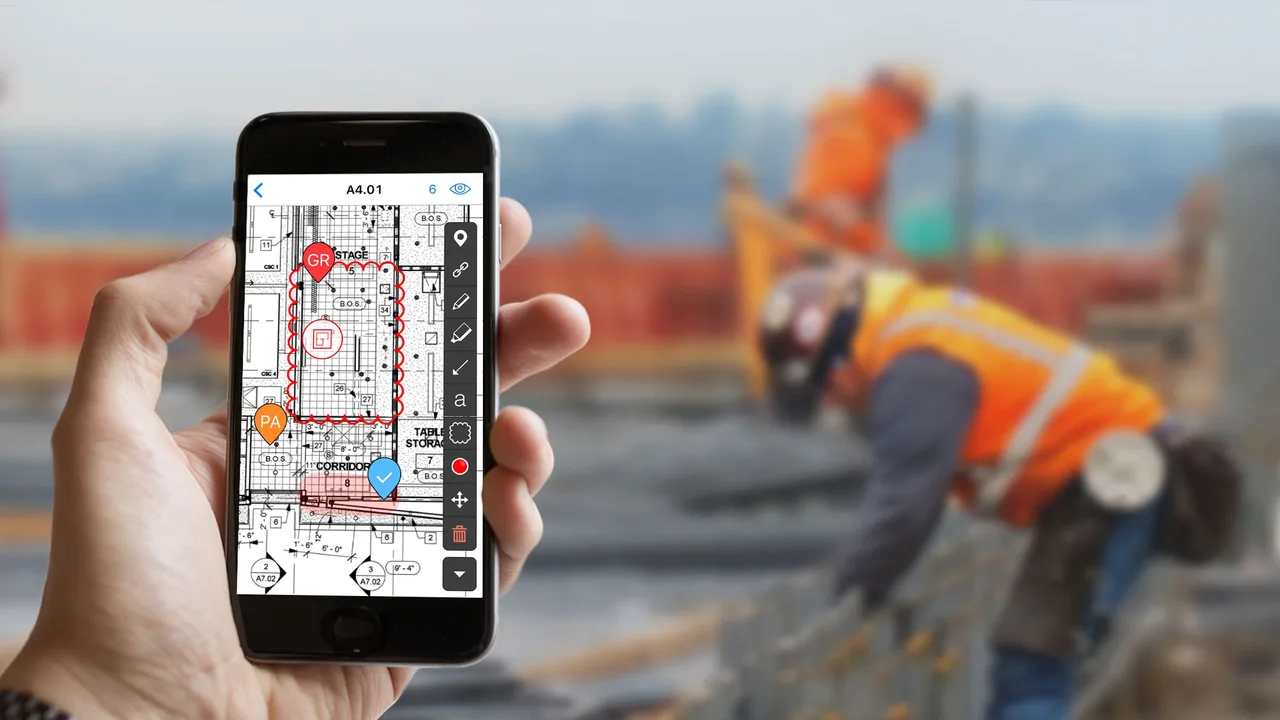
All monitoring efforts ultimately converge in reporting. Daily reports are the primary output of a remote site monitoring workflow, transforming raw visuals into structured insights. Modern reports combine images, short annotations, and status indicators to provide a concise snapshot of site conditions.
An effective daily report typically includes:
- Key visual snapshots from cameras or drones.
- Progress status versus plan.
- Safety observations and flagged risks.
- Issues requiring follow-up or escalation.
When generated consistently, these reports become a powerful management tool. They create continuity across shifts and locations, support transparent communication with stakeholders, and enable faster, more confident decision-making.
Integrating Cameras, Drones, and Reporting Systems
The real value of remote monitoring emerges when cameras, drones, and reporting tools operate as a single system rather than isolated technologies. A mature remote site monitoring workflow connects these components through a clear data pipeline, ensuring that information flows smoothly from capture to decision-making.
In practice, the integration typically follows a simple but disciplined sequence. Visual data is first captured on-site through fixed cameras and scheduled drone flights. That data is then uploaded to a centralized cloud platform, where it is organized by date, location, and activity. From there, supervisors or project controls teams review the visuals, annotate key observations, and feed them directly into daily or weekly reports.
This integration reduces delays and miscommunication. Instead of waiting for site updates to be manually compiled, decision-makers receive near real-time visibility into progress and risks. When issues arise—such as delayed installations or unsafe conditions—the workflow enables rapid escalation and corrective action.
Common Challenges in Remote Site Monitoring
Despite its advantages, remote monitoring is not without challenges. One of the most common problems is data overload. Continuous cameras and frequent drone flights can generate thousands of images, overwhelming teams that lack clear review criteria.
Other frequent challenges include:
- Inconsistent reporting: Different teams interpret visuals differently, leading to subjective assessments.
- Connectivity limitations: Remote sites may suffer from unstable internet access, delaying uploads.
- Resistance from site teams: Field personnel may view monitoring tools as intrusive rather than supportive.
These issues are rarely caused by technology itself. In most cases, they stem from unclear processes. Without defined review rules, reporting formats, and escalation paths, even the best tools fail to deliver value.
Best Practices for Building a Reliable Remote Monitoring Workflow
Organizations that succeed with remote monitoring follow a few consistent principles. First, they prioritize workflow design over tool selection. Before deploying hardware, they define what needs to be monitored, how often, and who is responsible for reviewing the data.
Key best practices include:
- Start with critical zones or activities rather than monitoring everything.
- Standardize reporting templates to ensure consistency across sites.
- Align visual checkpoints with project milestones and safety plans.
- Train both site and office teams on how monitoring supports—not replaces—field expertise.
Another important factor is cadence. Daily reporting works well for fast-moving projects, while weekly summaries may suffice for long-duration works. The goal is to establish a rhythm that balances visibility with practicality.
Future Trends in Remote Site Monitoring Technology
As digital construction and industrial management continue to evolve, remote monitoring workflows are becoming more intelligent and automated. One major trend is the use of AI-based video analytics, which can automatically detect anomalies such as missing PPE, unauthorized access, or stalled progress.
Predictive analytics is another emerging area. By analyzing historical visual data alongside schedules, systems can flag potential delays before they become critical. Integration with project management platforms further strengthens this capability, linking visual evidence directly to tasks, budgets, and timelines.
Over time, these advancements will reduce manual review effort and shift remote monitoring from a reactive function to a proactive management tool.
Conclusion: Visibility Without Presence
Remote monitoring has fundamentally changed how projects are supervised. With a well-designed remote site monitoring workflow, organizations can maintain control, accountability, and safety across dispersed locations without constant physical presence.
By combining fixed cameras for continuous oversight, drones for dynamic visibility, and structured reporting for decision-making, teams gain a clearer, more objective understanding of what’s happening on-site. The result is fewer surprises, faster responses, and more predictable outcomes.
As projects grow larger and more complex, visibility will no longer depend on who is physically on-site—but on how effectively information flows. In that shift, remote monitoring workflows are becoming not just a convenience, but a core capability for modern operations.