Inflation and Construction Budgets: What Actually Changes First

Inflation affects nearly every corner of the global economy, but in construction, its impact follows a unique sequence. Unlike consumer goods where prices change overnight, project budgets react in layers—materials spike first, labor follows later, and contingency funds stretch to absorb the rest. Understanding this timing is essential for developers, contractors, and engineers navigating volatile markets. By analyzing the inflation impact construction chain, industry professionals can predict cost pressure before it derails entire projects.
In this article, we’ll break down what happens first when inflation hits: from material escalation and labor rate adjustments to how contingency reserves quietly shift behind the scenes. More importantly, we’ll explore how to manage these fluctuations with data, strategy, and transparency.
Understanding the Inflation Impact on Construction
Inflation is the rate at which the general level of prices for goods and services rises, eroding purchasing power. In construction, the effect is amplified because projects rely heavily on materials, energy, and skilled labor—all cost categories sensitive to global supply chain shocks. But the inflation impact construction doesn’t occur all at once. Each cost component reacts at a different pace depending on its exposure to commodity markets, labor contracts, and procurement terms.
Let’s outline the typical structure of a project budget:
- Materials: steel, cement, glass, aggregates, and other physical inputs.
- Labor: skilled and unskilled workforce costs, including benefits.
- Equipment and fuel: machinery operation and transportation expenses.
- Overheads and contingency: administrative, financing, and buffer costs.
These categories don’t all move together. Typically, materials rise first (often within weeks of inflation trends), while wages and contingency adjust after several months. This staggered pattern means that a project’s “real” inflation exposure evolves continuously during its lifecycle.
Material Escalation: The First Shockwave
The first and fastest reaction to inflation comes from materials. Prices for steel, cement, aluminum, and imported finishes rise almost immediately when inflation expectations increase. Because these commodities are traded globally, construction costs mirror fluctuations in international pricing and shipping rates. Steel, in particular, serves as a bellwether for construction inflation—when steel goes up, everything else soon follows.
Between 2021 and 2022, the world saw a dramatic example of material escalation. Global steel prices jumped nearly 50% as post-pandemic demand surged while supply chains remained constrained. Cement and copper soon joined the rally. Contractors who had signed fixed-price contracts faced severe margin erosion as purchase orders placed months earlier no longer matched market prices.
To mitigate these risks, many firms now include escalation clauses in their contracts, allowing price adjustments based on verified market indices. Others lock in supplier agreements early or source locally to reduce exposure to currency swings. Some even adopt cost modeling software that forecasts inflation impact based on commodity trend data.
| Material Type | Pre-Inflation Cost Index (2020) | Peak Inflation Cost Index (2022) | % Change |
|---|---|---|---|
| Steel | 100 | 152 | +52% |
| Cement | 100 | 128 | +28% |
| Copper | 100 | 146 | +46% |
This data demonstrates how quickly material escalation sets the tone for project economics. Once base materials increase in cost, the ripple effect spreads downstream to labor and logistics.
Labor Rates: The Second Wave
While materials react quickly, wages take longer to adjust. The labor market tends to absorb inflation gradually, reflecting contractual obligations and wage negotiations. Workers feel the squeeze of rising living costs first, and only after sustained inflation do they demand higher pay.
Historically, the lag between material and labor inflation can range from three to six months. For example, when construction material costs in the United States surged in early 2022, average hourly earnings for skilled trades didn’t rise significantly until the third quarter. In developing regions, this delay can be even longer due to informal labor systems and weaker collective bargaining.
However, once labor costs begin climbing, they rarely fall back. Wage adjustments often stick permanently, meaning even when material prices stabilize, total project expenses remain elevated. This stickiness makes the second wave of inflation particularly difficult for long-term projects.
Contractors can prepare by incorporating flexible labor rate provisions in multi-year projects. Regional benchmarking also helps anticipate future adjustments—tracking indices such as the Employment Cost Index (ECI) or national construction wage reports can provide valuable foresight.
Contingency Budgets: The Hidden Buffer
Every experienced project manager knows that contingency isn’t optional—it’s the breathing room that keeps a project financially stable when things change unexpectedly. During inflationary periods, that breathing room tightens fast. What was once a 5% buffer on total cost may need to expand to 10% or more just to maintain the same level of risk protection.
In stable markets, contingencies usually cover unforeseen events like weather delays or minor design changes. But under inflation pressure, they become a primary defense against material and labor volatility. Forward-thinking companies now implement dynamic contingency planning, adjusting their buffer allocations quarterly or even monthly as prices shift.
| Year | Average Contingency (%) | Inflation Rate |
|---|---|---|
| 2019 | 5% | 1.6% |
| 2021 | 8% | 4.7% |
| 2023 | 12% | 6.8% |
This trend underscores how contingency evolves alongside inflation. The more unpredictable the market, the higher the percentage needed to maintain budget resilience. Estimators are also beginning to use probabilistic modeling tools that simulate inflation scenarios, offering clients clearer visibility on financial exposure.
Which Costs React First — and Why?
Inflation moves through a construction project like a wave—some costs crest early, others lag behind. Typically, the order unfolds as follows:
- Material escalation – happens within days or weeks of price shocks.
- Fuel and transportation – costs rise next as logistics absorb fuel surcharges.
- Labor rate adjustments – follow within three to six months as workers negotiate higher pay.
- Overheads and contingency – adjust later as managers recalibrate financial forecasts.
Each stage builds on the previous one. When steel or cement prices spike, it triggers higher logistics costs. When labor adjusts, project durations extend, affecting overheads. By the time the full effect reaches the contingency line, total budgets may have grown by double digits. Understanding this timeline helps planners decide when to lock contracts and when to renegotiate terms.
For developers and procurement teams, timing is everything. Recognizing that materials react first allows early purchasing strategies—bulk buying, supplier prepayment, or framework agreements—to cushion the first blow before it cascades through the rest of the project.
Supply Chain and Procurement Sensitivity
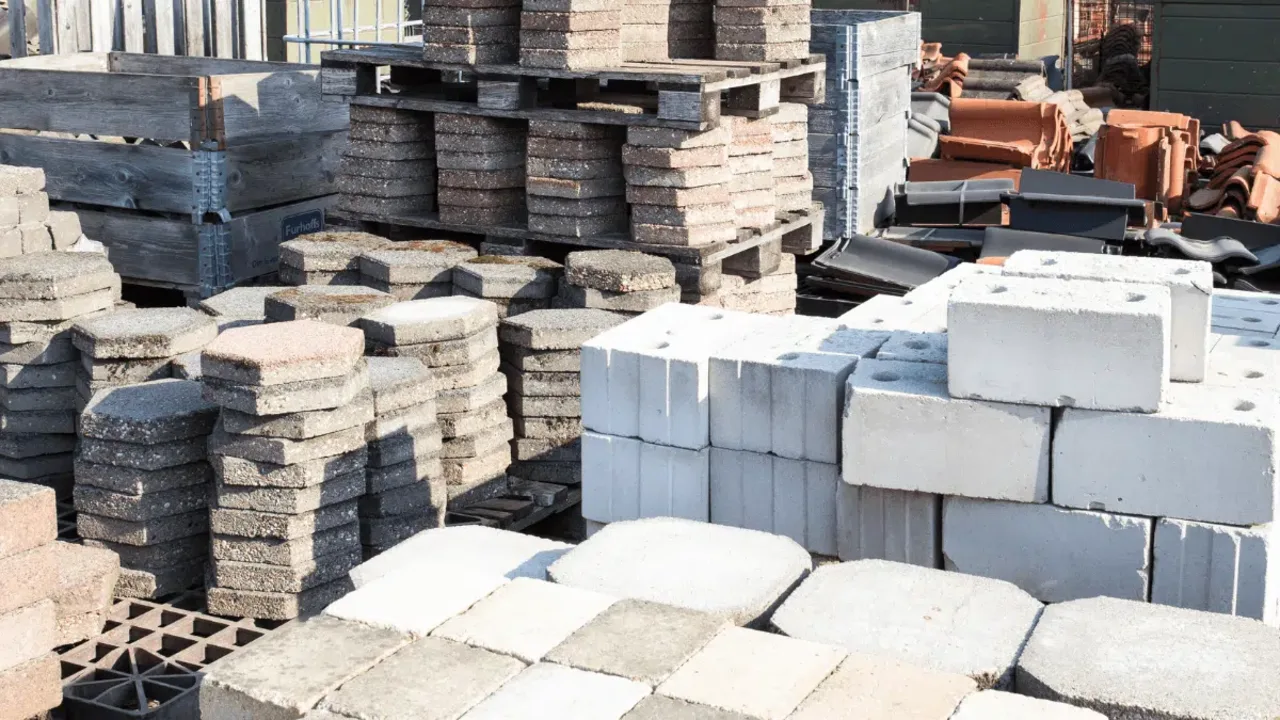
The strength and flexibility of a company’s supply chain often determine how severe the inflation impact construction becomes. Global projects that rely on imported materials are especially exposed to volatile exchange rates and freight costs. Inflation amplifies these pressures by pushing up the price of fuel, shipping containers, and customs fees, leading to compounding cost escalations.
Procurement strategy becomes critical during inflationary periods. Contractors using fixed-price supply contracts may find themselves locked into unfavorable terms when inflation spikes, while cost-plus or indexed contracts allow adjustments based on actual market changes. Many leading construction firms now diversify their sourcing strategies, splitting procurement between short-term purchases for flexibility and long-term framework agreements for stability.
In a 2023 market report by Construction Dive, analysts highlighted how contractors in the U.S. and Europe are rethinking supply agreements to include inflation clauses and risk-sharing mechanisms. The goal is not just to manage costs but to maintain relationships with suppliers who face the same economic pressures. Collaborative procurement—where both parties agree to adjust pricing transparently—can ensure projects remain viable even in high inflation cycles.
Impact on Project Scheduling and Bidding
Inflation doesn’t just influence prices; it reshapes project timing and bidding behavior. Developers often delay or phase projects when uncertainty rises, especially if financing costs increase alongside inflation. Each delay compounds cost escalation further as materials and wages continue to rise over time.
Contractors, meanwhile, respond by submitting higher bids to protect margins. A project estimated at $50 million might now require $55 million just to maintain profitability. According to recent industry surveys, average bid prices in major markets rose by more than 12% between 2021 and 2023, reflecting contractors’ attempt to stay ahead of material and labor inflation.
For public-sector projects, the impact is even more pronounced. Governments working with fixed annual budgets often have to reduce project scope or rebid entirely. This reshuffling creates a feedback loop—fewer awarded contracts mean slower economic activity, which can distort future demand forecasts for the construction industry.
Adapting to Inflation: Strategies for Resilience
Inflation can’t be eliminated, but it can be managed. Forward-looking companies treat inflation like a design constraint—something to plan around rather than react to. Several strategies have proven effective in mitigating cost volatility:
- Index-based contracting: Linking material prices to official indices ensures both parties adjust fairly to inflation without reopening the entire contract.
- Flexible procurement schedules: Splitting orders and timing purchases strategically helps balance risk and cash flow.
- Collaborative client relationships: Transparent discussions about inflation trends encourage shared solutions rather than disputes.
- Technology adoption: Real-time estimating platforms and data analytics improve forecasting accuracy and reduce reaction time.
In practice, the companies that weather inflation best are those with strong financial controls and digital tools. For example, project management platforms now allow estimators to update unit rates instantly when inflation data changes, maintaining accurate forecasts without manual recalculations. Combined with proactive communication between procurement, finance, and site teams, this approach keeps budgets aligned even in volatile conditions.
Case Study: A Year of Inflation in Real Projects
Consider a mid-sized commercial building project planned across 2022–2023. When initial bids were submitted in early 2022, the baseline estimate included 5% contingency and stable labor costs. However, within six months, material escalation—especially for structural steel and cement—had increased overall project costs by nearly 15%. By the end of the year, wage increases added another 6%, while contingency reserves were raised from 5% to 12% to cushion further uncertainty.
Here’s how the progression unfolded:
| Cost Category | Baseline (Q1 2022) | Revised (Q4 2022) | Change (%) |
|---|---|---|---|
| Materials | $20 million | $23 million | +15% |
| Labor | $10 million | $10.6 million | +6% |
| Contingency | $1.5 million | $3.6 million | +12% |
Despite the increases, the project still reached completion on schedule because the contractor anticipated escalation early and renegotiated supply contracts with indexed pricing. By embedding inflation considerations into every budget component, the project avoided the typical cost overruns that plagued others during the same period.
Conclusion: Managing What Changes First
Understanding the inflation impact construction is about more than tracking rising costs—it’s about recognizing the sequence in which those changes occur. Materials react first, setting off waves that affect transportation, labor, and finally contingency. By identifying which categories move fastest, construction professionals can deploy preemptive strategies like early purchasing, indexed contracts, and flexible scheduling to protect both profit and delivery timelines.
Inflation doesn’t have to derail a project. With structured forecasting, data-driven procurement, and proactive risk management, builders can transform volatility into a manageable variable. The companies that thrive in inflationary environments aren’t those that predict prices perfectly—they’re the ones that adapt fastest when prices start to move.
As the industry continues to face supply chain pressure and unpredictable cost cycles, staying informed and agile remains the most powerful defense. Inflation may change the rules, but those who understand the order of its impact keep building—profitably and sustainably.