Cybersecurity for Industrial Systems: The Basics That Matter
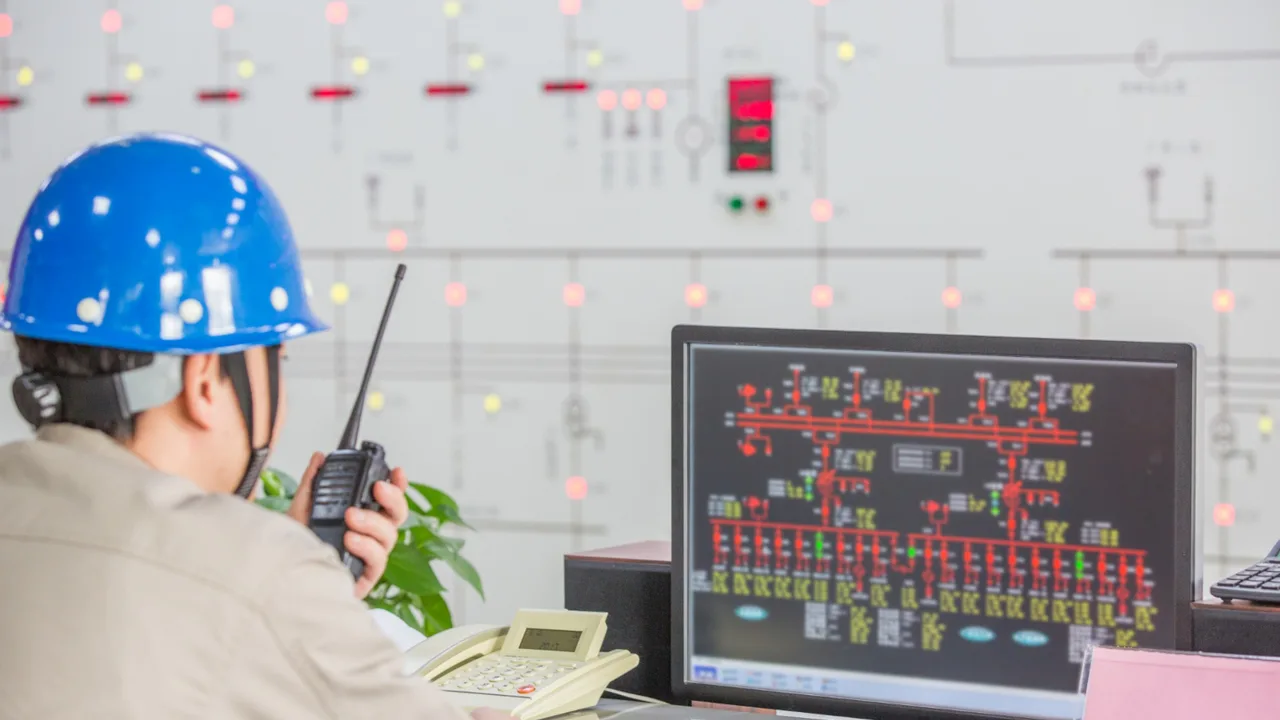
The rapid digitization of manufacturing and infrastructure has transformed how industries operate—but it has also opened new doors for cyber threats. In factories, refineries, and power grids, once-isolated control networks are now connected to corporate systems and the cloud. This convergence between IT (Information Technology) and OT (Operational Technology) has created unprecedented efficiency and visibility, but it also exposes critical equipment to hackers. Understanding cybersecurity for industrial systems is no longer a luxury; it’s a necessity for ensuring operational continuity and protecting national infrastructure.
From ransomware that halts production lines to remote access breaches that disable pipelines, industrial attacks have evolved from isolated disruptions into large-scale economic threats. To counter them, companies must establish robust defense mechanisms grounded in the fundamentals of OT security.
Understanding Cybersecurity for Industrial Systems
Cybersecurity for industrial systems focuses on protecting OT environments such as SCADA (Supervisory Control and Data Acquisition), PLCs (Programmable Logic Controllers), and ICS (Industrial Control Systems). Unlike IT systems that safeguard data confidentiality, OT systems prioritize uptime, safety, and physical process integrity. A successful cyberattack in these environments can stop production, damage machinery, or even endanger lives.
Industrial control systems were traditionally designed for reliability, not security. Many still operate on outdated firmware, lack encryption, or use legacy communication protocols that were never intended for internet exposure. As a result, attackers can exploit vulnerabilities through phishing, remote desktop connections, or compromised vendor software updates. Once inside, they can manipulate equipment commands, disable alarms, or hold entire systems hostage for ransom.
To prevent such outcomes, companies must adopt a layered security approach tailored to their specific industrial processes. OT security requires not only technology but also disciplined procedures, employee training, and collaboration between IT and operations teams.
Key Threats Facing Industrial Environments
Industrial networks face a distinct set of cyber threats compared to corporate IT. The consequences of an attack go far beyond stolen data—they can lead to production shutdowns or physical damage to assets. The most common threats include:
- Ransomware attacks: Malicious software that encrypts control servers or HMIs (Human Machine Interfaces), demanding payment to restore access. Notable incidents have caused multi-day halts in manufacturing and energy distribution.
- Insider threats: Employees or contractors with privileged access may unintentionally or deliberately disrupt systems. Weak access control policies amplify this risk.
- Remote access exploitation: Many industrial sites rely on VPNs for vendor maintenance. If improperly secured, these channels can be hijacked to deploy malware or exfiltrate data.
- Supply chain compromise: Attackers infiltrate trusted software vendors, distributing infected updates—a tactic used in several global breaches affecting industrial automation software.
A notable example is the Colonial Pipeline incident, where ransomware crippled a major U.S. fuel network and exposed the fragility of critical infrastructure. It served as a global wake-up call that cybersecurity lapses in industrial systems can ripple across entire economies.
Beyond ransomware, attacks targeting industrial protocols such as Modbus or DNP3 can manipulate equipment behavior directly. These assaults are often silent, remaining undetected until process deviations occur. That’s why effective defense strategies rely on both prevention and continuous monitoring.
How OT Security Differs from Traditional IT Security
While IT and OT security share the same goal—protection from cyber threats—their priorities diverge sharply. In IT environments, confidentiality and data protection come first. In OT environments, uptime and process stability are paramount. Shutting down a power plant or assembly line, even briefly, can cost millions of dollars per hour.
Additionally, OT systems operate under constraints that make conventional IT solutions hard to apply. Many industrial controllers run 24/7 and cannot be rebooted for updates. Firewalls and antivirus programs that work for office networks may disrupt time-sensitive machine communication. OT networks also use proprietary, non-encrypted protocols that traditional IT tools don’t understand.
The table below summarizes these distinctions:
| Aspect | IT Security | OT Security |
|---|---|---|
| Main Objective | Protect information confidentiality | Ensure continuous operation and safety |
| System Update Cycle | Frequent patches and reboots | Infrequent, due to process uptime requirements |
| Protocols Used | Standard TCP/IP, HTTP, SMTP | Modbus, DNP3, Profinet, OPC-UA |
| Impact of Downtime | Data loss or service disruption | Production halt or physical damage |
Because of these factors, effective OT protection requires customized network architecture, strict access controls, and constant coordination between IT and engineering teams.
The Role of Access Control in Industrial Cybersecurity
Access control lies at the core of every cybersecurity for industrial systems strategy. When hundreds of employees, contractors, and vendors connect to critical equipment, enforcing proper permissions becomes essential. Poorly managed access can turn a minor vulnerability into a full-scale incident.
Best practices include implementing Role-Based Access Control (RBAC)—where users receive permissions strictly aligned with their responsibilities—and the least privilege principle, which limits access to what’s necessary for a given task. Multi-factor authentication (MFA) adds another layer of defense against stolen credentials. Meanwhile, network segmentation ensures that control systems remain isolated from office IT or internet-facing devices.
For instance, consider a manufacturing plant where maintenance engineers remotely monitor PLCs. Without proper segmentation, malware entering through an office email could easily propagate to control networks. But with strict access zones and firewalls, lateral movement becomes nearly impossible.
Finally, access control policies should include logging and audits. Tracking every login attempt, configuration change, and privilege escalation provides valuable forensic data when investigating potential incidents.
Building a Defense-in-Depth Strategy
No single solution can protect an industrial system entirely. Instead, organizations rely on a “defense-in-depth” framework—multiple security layers that work together to detect, delay, and contain attacks. The goal is redundancy: if one layer fails, others remain active.
- Physical security: Control who can physically access control rooms and server racks.
- Network segmentation and firewalls: Divide networks by trust level and restrict data flow between them.
- Endpoint protection: Secure HMIs, engineering stations, and servers with appropriate anti-malware tools.
- Patch management: Keep firmware and software updated when operationally feasible.
- Incident response and recovery: Establish protocols for rapid containment and restoration of operations.
This layered approach mirrors the principles promoted by industrial security frameworks such as IEC 62443, which defines zones and conduits for risk reduction. It’s not about deploying the most expensive firewall, but about building consistent, overlapping defenses tailored to an industrial context.
When properly implemented, defense-in-depth strategies transform security from a reactive process into a resilient system capable of absorbing and recovering from attacks without catastrophic downtime.

Responding to Ransomware and Other Cyber Incidents
Even with layered security, breaches can still happen. Industrial cybersecurity demands well-defined response procedures that minimize downtime and protect safety. When ransomware or other cyber incidents occur, the first rule is containment. Infected systems should be isolated from the network immediately to prevent lateral spread. This could mean disconnecting an HMI, a control server, or even the plant network segment until the threat is analyzed.
Once contained, the next step is to identify the attack vector—how the malware entered the system. Was it through a phishing email, a compromised remote access session, or an infected vendor update? After identifying the source, organizations can deploy patches, change credentials, and restore data from offline backups. Having a tested incident response plan ensures that production can resume quickly and securely.
Effective response also involves transparent communication between IT, OT, and management teams. Operations personnel understand system behavior, while IT staff can perform forensic analysis. Together, they form the backbone of coordinated recovery. Many companies now run joint drills to simulate cyberattacks, improving readiness across departments.
Monitoring, Detection, and Continuous Improvement
Proactive monitoring is the most reliable way to catch early signs of compromise. Industrial facilities should deploy intrusion detection systems (IDS) or anomaly-based monitoring tools designed specifically for OT networks. These systems learn normal traffic patterns and raise alerts when unusual activity occurs—such as unexpected commands sent to a PLC or unauthorized file transfers.
Security Information and Event Management (SIEM) platforms further enhance visibility by aggregating logs from different devices and correlating them with known threat patterns. Modern SIEM systems now integrate OT protocols, allowing them to detect anomalies unique to industrial environments.
Continuous improvement is just as important as detection. After each incident or near miss, review what went right and wrong. Update procedures, patch vulnerabilities, and train employees on lessons learned. Over time, this cycle builds a culture of vigilance—an essential quality for sustainable cybersecurity for industrial systems.
Industry Standards and Best Practices
International standards serve as roadmaps for protecting industrial systems. Among the most recognized are:
- IEC 62443: A comprehensive framework for securing Industrial Control Systems (ICS). It introduces concepts like zones and conduits for managing risk and segmenting networks.
- NIST SP 800-82: Offers practical guidance for applying IT security principles to OT environments, including risk assessment and control system protection.
- ISO/IEC 27019: Focuses on energy-sector cybersecurity and how to secure process control systems in generation and distribution networks.
Compliance with these standards not only reduces the likelihood of incidents but also strengthens customer and regulatory trust. Regular audits, penetration testing, and third-party assessments can help verify adherence. Many organizations also reference reports from CISA (Cybersecurity and Infrastructure Security Agency) or regional bodies that publish threat advisories and sector-specific security recommendations.
Future Trends in Industrial Cybersecurity
The next phase of industrial protection involves automation, intelligence, and deeper IT–OT convergence. Artificial Intelligence (AI) and machine learning are increasingly used to detect threats that traditional tools might miss. These systems can identify subtle anomalies in control commands or network behavior and react instantly without human intervention.
Cloud adoption and remote connectivity are expanding, enabling smarter factories and predictive maintenance—but also widening the attack surface. Zero Trust Architecture (ZTA) is emerging as a powerful approach, enforcing continuous verification of every user and device, regardless of location. It eliminates the assumption of inherent trust within network perimeters.
Industrial Internet of Things (IIoT) devices will also require attention. Sensors and edge controllers that feed real-time data to the cloud need to be secured at the firmware level. With billions of connected devices expected in the next decade, scalable authentication and encryption will be critical. The combination of AI analytics, zero-trust policies, and IIoT hardening represents the future of industrial cybersecurity resilience.
Conclusion: Building Secure Operations for the Long Term
Strong cybersecurity for industrial systems isn’t achieved through a single tool or policy—it’s the result of disciplined strategy, collaboration, and continuous improvement. By blending OT security fundamentals with modern monitoring and response techniques, organizations can minimize risk while maximizing uptime.
The most successful companies treat security as an ongoing process, not a project. They invest in training, simulate attacks to test resilience, and stay aligned with international frameworks. As industrial ecosystems grow more connected, the line between digital and physical security blurs. Protecting data, equipment, and human safety must all be part of the same mission.
Ultimately, securing industrial operations means ensuring business continuity. Whether protecting a factory floor, a power grid, or a logistics network, robust defense practices create trust and reliability—the true currency of the modern industrial age.