Pre-Construction Meetings That Save Weeks Later
In every business — including construction project, no matter its size, succeeds or fails based on communication. Missed details, unclear responsibilities, or schedule gaps can snowball into costly delays once crews hit the job site. That’s why a pre construction meeting agenda isn’t just another bureaucratic checklist—it’s the framework for how an entire project will run. The more thorough the coordination before ground breaks, the smoother the months ahead will be.
This article explains how to build and execute a productive pre-construction meeting that aligns teams, clarifies expectations, and prevents rework. By mastering agenda design, roles definition, and workflow planning, contractors can save weeks—or even months—over the life of a project.
Understanding the Purpose of a Pre-Construction Meeting
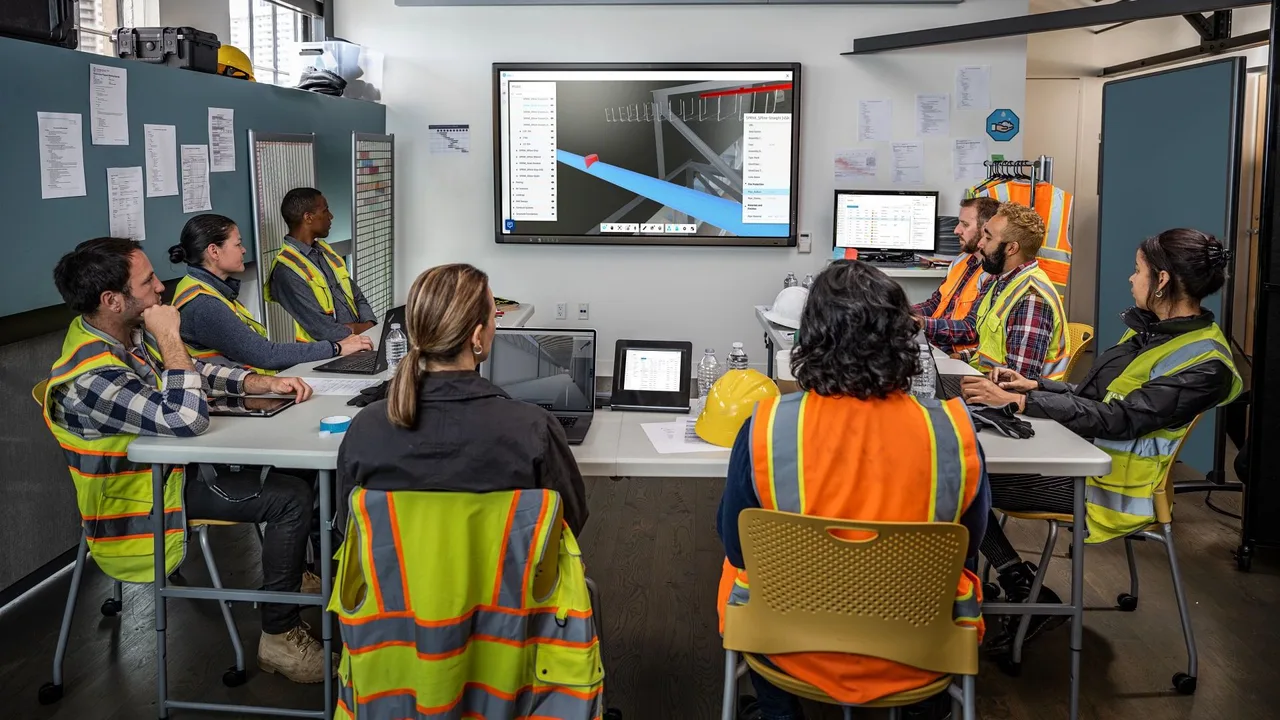
A pre-construction meeting sets the stage between design completion and physical execution. It’s where owners, architects, engineers, general contractors, subcontractors, and suppliers sit together to ensure that everyone shares a single understanding of scope, sequencing, and communication. The main purpose is to identify issues before they reach the field, when changes are far more expensive to implement.
Typical participants include project managers, superintendents, safety coordinators, quality inspectors, and procurement specialists. Each has a specific interest—owners want transparency, designers want compliance, and contractors want efficiency. The meeting ensures all these goals are compatible and documented through a structured agenda.
A well-defined pre construction meeting agenda keeps discussion focused. Instead of ad-hoc conversation, the agenda provides a roadmap: from project overview to scheduling, safety, logistics, and document control. The outcome isn’t just alignment but measurable commitments from each stakeholder.
What Makes a Strong Pre Construction Meeting Agenda
A successful pre-construction meeting depends on preparation. The agenda should cover both operational and strategic elements of the project. The following components are essential for creating an effective structure:
- Project Overview and Scope: Summarize goals, budget, and deliverables so all parties understand the big picture.
- Key Dates and Milestones: Define when design handovers, mobilization, and commissioning should happen.
- Roles & Responsibilities Matrix: Identify decision-makers and clarify reporting structures.
- Communication Protocols: Establish how RFIs, submittals, and changes are initiated and tracked.
- Safety and Logistics: Cover site access, work zones, crane operations, and emergency procedures.
- Quality Control: Set expectations for inspections, testing, and documentation.
This structure ensures no area of coordination is left to chance. A clear agenda also helps the meeting stay efficient—limiting time spent on tangents while focusing on actionable decisions.
Using a Roles Matrix to Clarify Accountability
Ambiguity is the enemy of productivity. One of the most powerful tools for eliminating confusion is a roles matrix—sometimes called a Responsibility Assignment Matrix or RACI chart. It maps who is Responsible, Accountable, Consulted, and Informed for each major task or deliverable.
For instance, if multiple subcontractors are involved in electrical and mechanical systems, a roles matrix prevents overlapping responsibilities or missing handoffs. Here’s an example:
| Activity | Responsible | Accountable | Consulted | Informed |
|---|---|---|---|---|
| Concrete foundation layout | Surveyor | General Contractor | Structural Engineer | Owner’s Rep |
| HVAC system installation | Mechanical Subcontractor | MEP Coordinator | Architect | QA/QC Team |
This visual clarity reduces confusion on site and strengthens accountability. Each trade knows where it stands, which avoids blame-shifting when timelines tighten.
Aligning Schedules Before Work Starts
Before any concrete is poured or steel is set, teams must ensure that all schedules align. Schedule alignment is one of the most critical discussion points in any pre-construction meeting. It’s where master schedules, subcontractor timelines, and procurement lead times meet reality.
Using tools such as Primavera P6 or Microsoft Project, contractors synchronize baseline schedules across trades. Each subcontractor submits activity durations and resource availability, which are then combined into the overall construction sequence. When done well, this process highlights potential clashes—such as overlapping crews or late material deliveries—before they disrupt field operations.
Aligning schedules early also strengthens relationships between the field and office teams. When foremen understand project milestones in advance, they can better sequence labor, equipment, and inspections. The meeting becomes less about control and more about shared accountability for delivering milestones on time.
Establishing the RFI Workflow and Communication Channels
Every construction project faces information gaps. The RFI, or Request for Information, process manages these gaps by creating a structured path for questions, clarifications, and approvals. However, without an agreed workflow, RFIs can quickly spiral into delays. That’s why defining the RFI workflow during the pre-construction meeting is essential.
A typical discussion includes: who can issue RFIs, how they’re logged, expected response times, and escalation procedures. A well-structured workflow ensures that questions reach the right parties without bottlenecks. Project management software like Procore or Autodesk Build allows teams to automate this process, maintaining transparency while saving administrative hours. For broader reference, industry guides such as ConstructConnect’s overview of RFI best practices provide valuable insight into optimizing communication in large-scale projects.
When RFIs are tracked and resolved efficiently, projects stay on schedule. The meeting should conclude this section with a documented agreement on communication hierarchy—identifying who handles RFIs, submittals, and change directives across each discipline.
Addressing Safety and Site Logistics Early
Pre-construction meetings also lay the foundation for safe and organized site operations. Discussing safety and logistics at this stage ensures compliance and coordination before crews arrive. Topics typically include PPE standards, emergency response plans, delivery routes, storage zones, and crane placement. Reviewing site maps and logistics diagrams together prevents confusion later, especially when multiple subcontractors share tight spaces.
Safety officers use this forum to explain inspection routines and reporting requirements. By agreeing on safety protocols early, teams avoid costly shutdowns and establish a culture of accountability from day one.

Document Control, Submittals, and Quality Coordination
Once construction begins, thousands of documents move between designers, contractors, and owners. Without a clear system, version errors and outdated drawings can wreak havoc on-site. That’s why every pre construction meeting agenda should include a detailed section on document control and submittal management.
The team must agree on how drawings, specifications, RFIs, and change orders will be distributed and tracked. Modern document control systems—like Aconex, Bluebeam, or SharePoint—allow teams to centralize information and maintain an audit trail of revisions. Establishing naming conventions, folder structures, and approval hierarchies prevents confusion later in the project. The project’s QA/QC manager typically oversees this system, ensuring that only current versions reach the field.
Equally important is the submittal process. Contractors should clarify deadlines for shop drawings, material approvals, and mock-ups. A good workflow assigns responsibility for reviewing and returning documents within set time frames, keeping procurement and fabrication aligned with the construction schedule.
Common Pitfalls and How to Avoid Them
Even experienced teams make mistakes when organizing a pre-construction meeting. Common pitfalls include:
- Lack of structure: Meetings without a defined agenda quickly devolve into side conversations.
- Incomplete attendance: Key stakeholders—like safety or procurement leads—are sometimes left out of critical decisions.
- No action tracking: If tasks aren’t documented with owners and deadlines, agreements fade quickly.
- Overlooking coordination items: Details such as temporary power, crane paths, or access roads are often missed, leading to rework later.
The solution is discipline and documentation. Assign a facilitator to keep discussions on track and a recorder to log minutes. At the end of the meeting, distribute an action list summarizing every decision, responsible person, and due date. This list becomes the operational blueprint for the project’s first few weeks.
Sample Pre-Construction Meeting Agenda
While every project has unique needs, the following sample agenda covers the most common and critical topics. It’s concise enough for one session yet comprehensive enough to guide follow-up discussions.
| Agenda Item | Discussion Points | Responsible Party |
|---|---|---|
| 1. Project Overview | Scope, budget, schedule summary | Owner / GC |
| 2. Roles Matrix | Clarify responsibilities (RACI) | Project Manager |
| 3. Schedule Alignment | Confirm baseline, milestones, critical path | Scheduler / Subcontractors |
| 4. RFI Workflow | Communication hierarchy, response times | Design Team / Contractor |
| 5. Safety & Logistics | Access, permits, crane setup, emergency plan | Safety Officer |
| 6. Document Control | Submittals, revision tracking, distribution | QA/QC Manager |
| 7. Quality Assurance | Testing standards, inspection frequency | QC Inspector |
| 8. Open Issues | Pending RFIs, unresolved design queries | All |
This agenda provides a repeatable framework for future projects. Each line item leads to concrete deliverables, whether it’s finalizing the roles matrix, confirming safety routes, or defining RFI turnaround times.
Technology as a Force Multiplier
Digital tools have changed the way pre-construction coordination works. Cloud-based management platforms now allow live editing of agendas, instant sharing of documents, and real-time progress tracking. Teams no longer need to rely solely on printed binders or email threads; they can collaborate within shared dashboards that link RFIs, drawings, and schedules together.
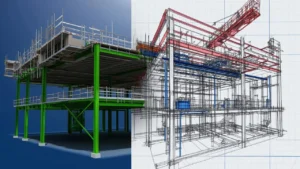
When digital systems are properly configured, they eliminate redundancy and reduce administrative overhead. Features such as automated notifications and document version control help ensure everyone stays on the same page—literally and figuratively. For many firms, integrating these systems with Building Information Modeling (BIM) further enhances visualization and clash detection before any physical work begins.
Conclusion: Time Saved in Preparation Is Time Earned in Construction
Construction success is rarely about reacting faster—it’s about preventing problems in the first place. A well-structured pre construction meeting agenda ensures that everyone on the project team starts with the same information, expectations, and accountability. By investing a few extra hours in detailed coordination, companies often save weeks in field execution.
The ultimate takeaway is simple: strong preparation creates predictable outcomes. When roles, schedules, and workflows are clearly defined before work starts, disputes and rework fade into the background. Projects move forward with fewer surprises and stronger collaboration.
Whether it’s a commercial high-rise, industrial plant, or infrastructure upgrade, early communication remains the cheapest insurance against delay. A thorough pre-construction meeting doesn’t just set the tone—it sets the pace for everything that follows.