IoT Sensors in Warehouses: Where They Actually Pay Back
The promise of smart technology in logistics has always sounded irresistible — machines that talk to each other, systems that predict failures before they happen, and warehouses that run with minimal waste. But while the concept is powerful, the real question for most operators is: does it actually pay back? The answer lies in how and where IoT sensors for warehouses are applied. Not every sensor delivers instant profit, yet certain use cases consistently show tangible returns on investment (ROI).
This article breaks down the most profitable applications of IoT sensors in warehouse environments, exploring how energy monitoring, asset tracking, and predictive maintenance turn data into measurable financial outcomes.
Understanding IoT Sensors for Warehouses
In essence, IoT sensors for warehouses are smart devices designed to collect and transmit data about environmental and operational conditions. Unlike traditional sensors that simply log information, IoT-enabled sensors communicate in real time through gateways and cloud systems. This allows warehouse managers to make informed decisions instantly — whether that’s adjusting temperature settings, scheduling maintenance, or tracking inventory movement.
Typical sensor categories include:
- Environmental sensors for temperature, humidity, and air quality monitoring.
- Energy sensors tracking electricity usage of lighting, HVAC, and machinery.
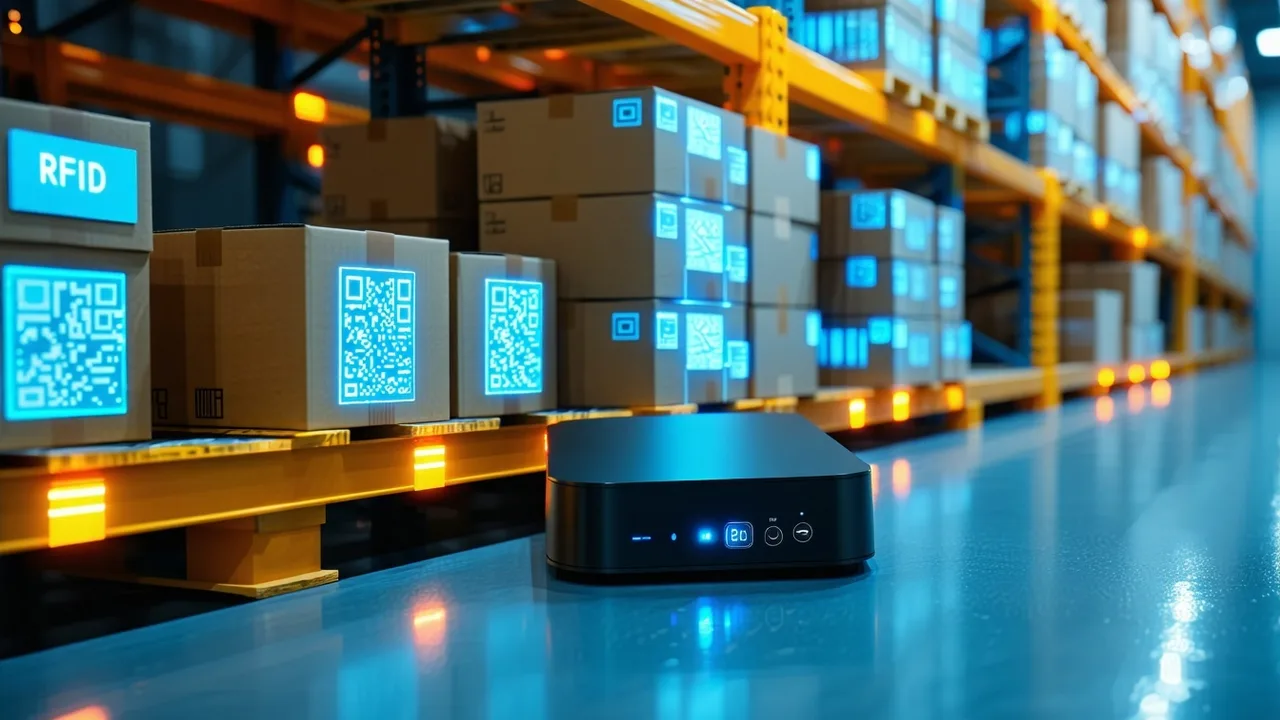
- Asset tracking sensors such as RFID or Bluetooth Low Energy (BLE) tags for pallets, forklifts, or equipment.
- Condition monitoring sensors that detect vibration, noise, or heat to prevent equipment failure.
The basic architecture follows a four-layer structure — sensor → gateway → cloud → analytics dashboard. Once data reaches the dashboard, it can trigger alerts, generate reports, or integrate directly into the Warehouse Management System (WMS) and ERP platforms for real-time visibility.
When implemented correctly, IoT technology transforms warehouses from reactive spaces into predictive and autonomous ecosystems. Yet, the return depends on focusing investment where operational inefficiencies are highest.
Key Business Drivers Behind IoT Adoption
Warehouses are under growing pressure to operate leaner, safer, and more sustainable. Rising energy costs, labor shortages, and customer expectations for faster delivery make IoT adoption almost inevitable. But beyond trend-chasing, businesses invest in IoT for four main reasons:
- Energy monitoring – tracking and reducing power consumption.
- Asset visibility – locating equipment and goods faster.
- Predictive maintenance – preventing downtime and repair costs.
- Regulatory compliance – ensuring safe and consistent conditions for products and workers.
During the pandemic, these drivers became even stronger. With remote work and automation rising, IoT provided the ability to monitor facilities from anywhere. Now, as supply chains face volatility and sustainability reporting becomes mandatory, smart sensor systems are no longer optional—they’re competitive necessities.
Energy Monitoring: The Fastest ROI Use Case
Among all use cases, energy monitoring delivers one of the fastest payback periods. Electricity is a major cost driver for large warehouses, especially those running heavy machinery and refrigeration units. IoT sensors measure consumption in real time and identify inefficiencies — for example, lighting systems running during daylight hours or idle conveyor belts consuming standby power.
When connected to cloud analytics platforms like those from leading industrial IoT vendors, energy sensors can automatically generate insights that guide cost-saving actions. By setting consumption benchmarks and comparing them with live readings, managers can quickly detect anomalies or wastage patterns.
Consider a mid-sized distribution center investing $20,000 in IoT sensors for lighting, air conditioning, and motorized equipment. Within the first year, it cuts annual energy usage by 15%, translating to savings of around $50,000. The investment pays for itself in less than six months — a remarkably short ROI window.
| IoT Energy Project | Initial Investment | Annual Savings | Payback Period |
|---|---|---|---|
| Medium Warehouse | $20,000 | $50,000 | 6 months |
| Large Distribution Hub | $80,000 | $160,000 | 9 months |
Beyond direct financial gain, energy monitoring supports sustainability goals by reducing emissions and improving efficiency metrics for environmental, social, and governance (ESG) reporting. Many warehouses now use IoT data to achieve ISO 50001 certification or track CO₂ reduction performance across sites.
Asset Tracking and Utilization Efficiency
Another proven area where IoT sensors for warehouses deliver measurable returns is asset tracking. With multiple forklifts, pallets, and trolleys constantly moving, locating and optimizing these assets can save significant time and labor. Bluetooth Low Energy (BLE) beacons and RFID tags transmit position data to a digital map, giving supervisors full visibility of asset locations in real time.
By implementing an asset-tracking solution, a logistics company can reduce search time for equipment by up to 40% and increase throughput capacity without expanding its workforce. It also helps prevent misplaced goods and accidental losses—two major hidden costs in large storage operations. A study by an international logistics institute found that warehouses using IoT-enabled asset tracking cut annual losses by more than 25%.
The same technology also supports utilization efficiency. For example, sensors can track how often forklifts are in motion, how long they idle, and where congestion occurs. This data helps managers redistribute workloads and eliminate bottlenecks. Over time, these adjustments result in faster material flow and higher daily throughput.
According to logistics analytics reports, combining RFID-based visibility with automation boosts on-time shipments by 15–20%. That performance improvement alone often justifies the initial investment. You can find similar case studies from industry analysts such as MHI.org, which frequently publishes ROI insights for warehouse technologies in logistics operations.
Predictive Maintenance: When Data Prevents Downtime
Equipment downtime is one of the costliest operational risks for warehouses. Conveyor motors, compressors, and HVAC units can fail unexpectedly, halting operations for hours or even days. IoT-based predictive maintenance flips this model from reactive to proactive by using vibration, temperature, and pressure sensors to detect early warning signs.
For instance, when a conveyor’s motor begins to vibrate beyond its normal pattern, a connected sensor flags it instantly. Maintenance teams can then schedule repairs before complete failure occurs. The result: fewer unplanned stoppages, extended equipment life, and predictable maintenance scheduling. Studies show predictive maintenance can reduce equipment downtime by 30–50% and maintenance costs by up to 40%.
Here’s a simplified comparison:
| Maintenance Strategy | Average Downtime per Year | Cost Impact | Reliability |
|---|---|---|---|
| Reactive | 80 hours | High (emergency repairs, delays) | Unpredictable |
| Preventive | 50 hours | Moderate | Stable |
| Predictive (IoT-enabled) | 25 hours | Low (planned intervention) | Highly reliable |
Beyond the numbers, predictive maintenance builds operational confidence. Teams move from firefighting mode to performance management, using insights from IoT data analytics to continuously improve system reliability. When combined with AI algorithms, these systems can even learn patterns unique to each facility, providing hyper-accurate predictions over time.
Cold Chain and Environmental Control
In temperature-sensitive industries such as food distribution, pharmaceuticals, and chemicals, environmental control is critical. IoT sensors for warehouses enable continuous monitoring of temperature, humidity, and air quality across every zone of a facility. These sensors instantly alert staff if conditions deviate from specified thresholds, helping to prevent spoilage and maintain compliance with safety regulations.
For cold storage warehouses, the ROI is immediate. Instead of relying on manual checks that may occur only once or twice per shift, IoT systems log readings every few seconds. This granular visibility allows operators to identify inefficiencies such as uneven cooling or door leaks, which can drive up energy costs. By maintaining optimal temperature balance, facilities can reduce energy usage by 10–15% and extend the lifespan of refrigeration equipment.
More importantly, automatic data logging ensures traceability. When audits occur, managers can instantly retrieve digital records proving that environmental standards were maintained continuously. This capability is a crucial differentiator for warehouses that must meet ISO, FDA, or HACCP standards.
Data Analytics and Integration with WMS/ERP
Collecting data is only the first step; extracting actionable insights is where the payoff truly occurs. When IoT sensors for warehouses connect directly to Warehouse Management Systems (WMS) and Enterprise Resource Planning (ERP) platforms, operations gain end-to-end visibility.
For instance, energy consumption data can be cross-referenced with order volumes to identify how operational intensity affects power usage. Similarly, asset tracking data can synchronize with inventory systems to verify whether misplaced items correspond with downtime spikes. These correlations help management teams make smarter decisions about layout design, shift scheduling, and equipment allocation.
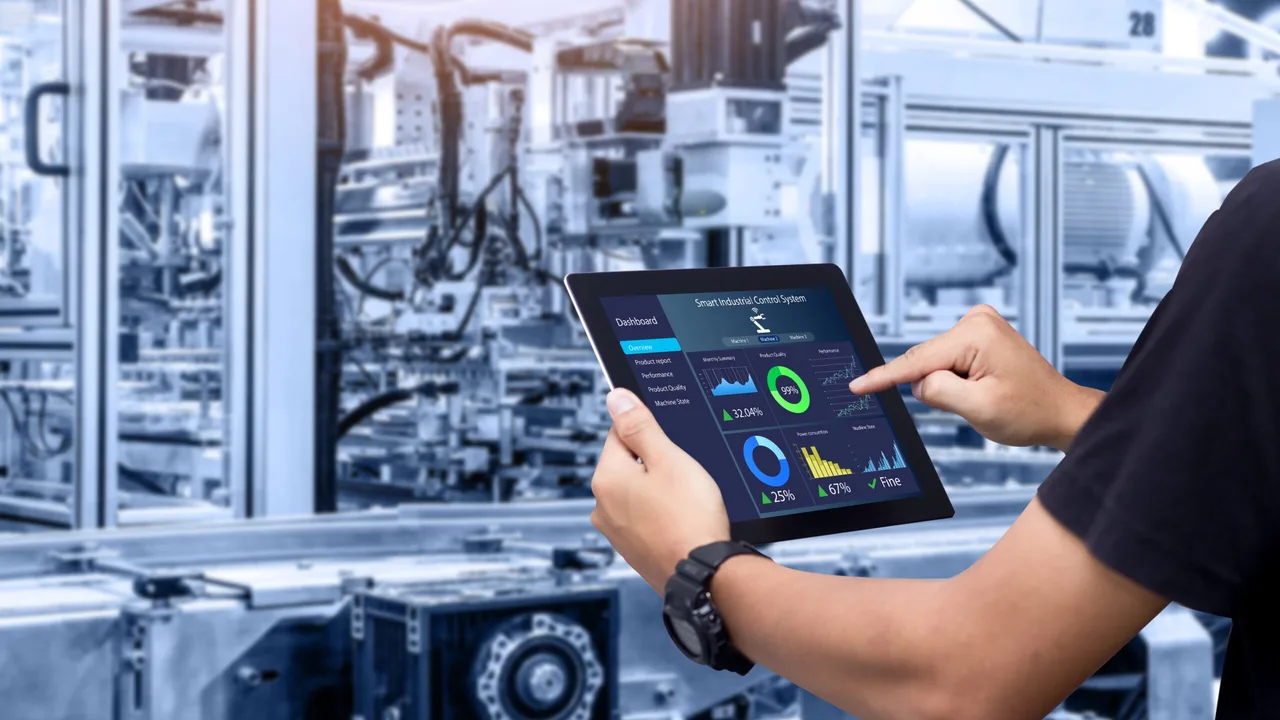
Modern IoT platforms also integrate with cloud analytics tools that visualize performance through dashboards and heat maps. This makes it easier to detect inefficiencies and prioritize improvements. Predictive models can forecast maintenance needs or power surges before they occur, helping teams allocate resources efficiently and reduce risk exposure.
Calculating ROI: From Cost to Payback Period
Calculating ROI for IoT adoption requires both quantitative and qualitative metrics. The financial formula is straightforward:
ROI (%) = (Savings – Cost) / Cost × 100
However, understanding what counts as “savings” goes beyond energy and labor costs. Reduced downtime, fewer product losses, and improved safety all contribute to financial return. Here’s a simplified example for a large logistics warehouse:
| Investment Type | Initial Cost | Annual Savings | Payback Period |
|---|---|---|---|
| Energy Monitoring | $40,000 | $75,000 | 7 months |
| Asset Tracking | $60,000 | $80,000 | 9 months |
| Predictive Maintenance | $50,000 | $65,000 | 10 months |
Beyond these direct returns, there are intangible benefits: better compliance, improved worker safety, and reduced carbon footprint. Each factor enhances the company’s brand and resilience in a competitive market.
Challenges and Misconceptions
Despite the advantages, some warehouses struggle to achieve expected ROI due to poor implementation. Common pitfalls include installing too many sensors without a clear purpose, neglecting network infrastructure, or failing to analyze the data collected. The key is to start small—pilot one or two high-impact use cases before scaling up.
Another misconception is that IoT systems are “set and forget.” In reality, maintaining calibration, data accuracy, and cybersecurity requires ongoing attention. Without proper management, false alerts or connectivity issues can lead to data fatigue and staff frustration. Therefore, organizations must treat IoT as a continuous improvement process, not a one-time upgrade.
Future Trends: Smarter, Smaller, and Cheaper Sensors
The evolution of IoT sensors for warehouses is accelerating fast. Miniaturized hardware and lower power requirements now allow sensors to last years on a single battery. Combined with advances in edge computing, data processing can occur directly at the device level, reducing bandwidth and latency issues.
Artificial intelligence is also transforming how IoT data is used. Smart algorithms analyze sensor patterns to detect anomalies, recommend operational changes, or even self-adjust environmental systems automatically. Meanwhile, digital twin technology—virtual replicas of real-world facilities—helps managers simulate layout changes or energy-saving strategies before implementing them in the field.
Market research from Statista projects that industrial IoT adoption will double by 2030, with warehouse automation accounting for a significant portion of that growth. As costs continue to fall, smaller facilities that previously couldn’t afford IoT deployment will soon find it economically viable.
Conclusion: Where IoT Truly Pays Off
The future of warehousing isn’t just connected—it’s intelligent. When deployed strategically, IoT sensors for warehouses provide real returns across energy, equipment, and inventory management. The key to success lies in focusing on high-impact areas such as energy monitoring, predictive maintenance, and asset tracking—each proven to deliver measurable savings within a year.
Ultimately, IoT’s value isn’t defined by how many devices you install, but how effectively you use their data. The warehouses that approach IoT adoption with a clear ROI mindset—aligning technology investment with operational pain points—will lead the next generation of efficient, data-driven logistics facilities.
In short, IoT pays back best when it transforms decision-making, not just technology. By combining smart sensors, analytics, and integration, modern warehouses can evolve from reactive operations to proactive, predictive systems that continuously deliver financial and operational value.