Quality Data Systems: Turning Inspection Logs Into Decisions

Every fabrication facility collects a mountain of quality data—inspection reports, weld logs, non-conformance notes, calibration sheets. Yet most of that information never turns into better decisions. It sits buried in folders or spreadsheets until an audit forces someone to dig it out. The challenge isn’t lack of data; it’s lack of insight. Modern fabrication shops are now embracing quality data management in fabrication systems that convert inspection records into real-time intelligence.
Instead of treating quality control as a compliance requirement, forward-thinking companies are turning it into a competitive advantage. With digital dashboards, automated analysis, and connected workflows, these systems reveal hidden patterns—helping managers reduce rework, cut scrap, and build a culture of continuous improvement.
The Role of Quality Data in Modern Fabrication
Quality data represents the fingerprints of every product made. In steel or metal fabrication, this includes inspection records for welding, cutting, assembly, and coating processes. Each dataset documents how closely a product adheres to engineering and safety standards. Properly collected and analyzed, this information tells a powerful story about operational efficiency, supplier reliability, and workforce performance.
Unfortunately, most workshops still store these logs on paper or in isolated spreadsheets. When issues arise—like repeated weld defects—finding the root cause can take days. A unified system changes that by centralizing all inspection data, creating traceability from the raw material to the finished component. It bridges the communication gap between production, engineering, and quality assurance.
Understanding Quality Data Management in Fabrication
Quality data management in fabrication refers to an integrated framework that captures, stores, and analyzes quality-related information across the production cycle. The system is typically composed of four pillars:
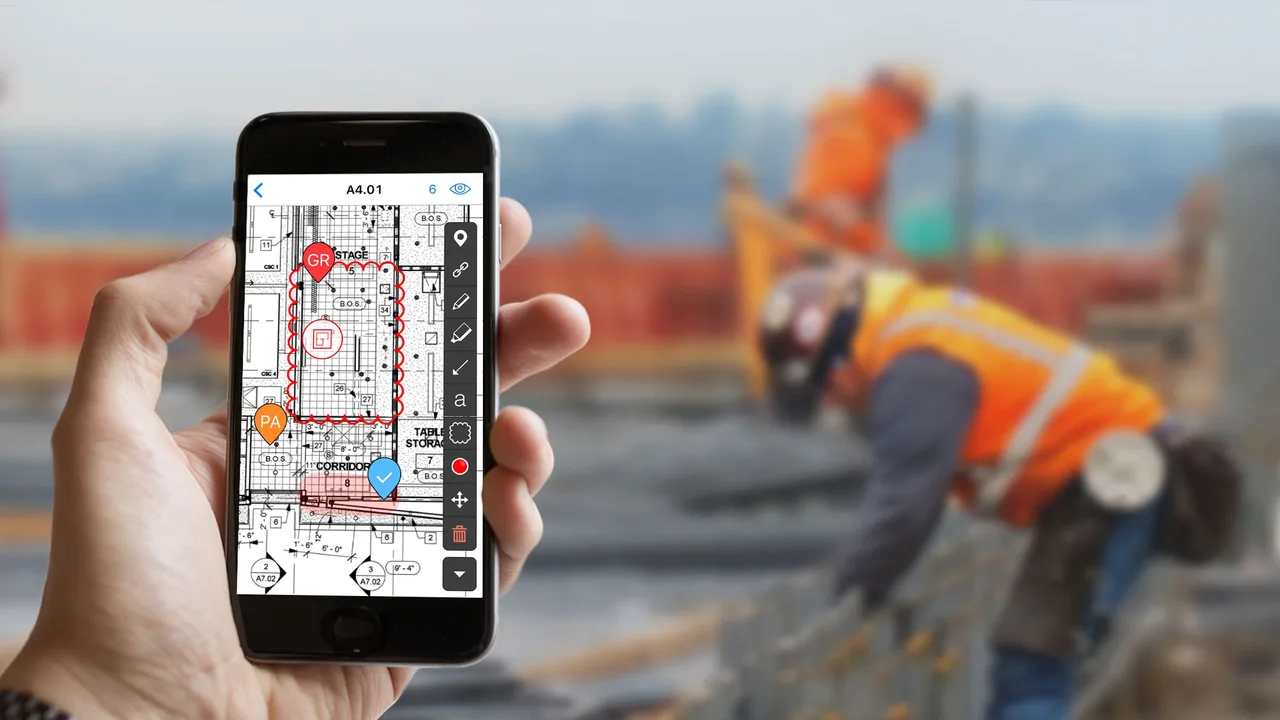
- Data Capture: Using digital inspection tools, tablets, or IoT sensors to collect information directly from the shop floor, eliminating transcription errors.
- Data Storage: Consolidating reports within a cloud platform or Manufacturing Execution System (MES) for quick retrieval and version control.
- Data Analysis: Applying algorithms and NCR trend analysis to identify recurring issues and process deviations.
- Decision Support: Visual dashboards and alert systems that translate statistics into actionable guidance.
When these elements work together, they deliver compliance, traceability, and faster corrective action. Standards such as ISO 9001 and API Q1 require documented control; a digital quality system makes that compliance automatic rather than manual.
From Inspection Records to Actionable Insights
Inspection forms have long been viewed as administrative paperwork, but digital transformation changes their purpose entirely. Each completed form becomes a data point in a growing analytics engine. By connecting inspection records to specific parts, machines, and operators, companies can detect patterns invisible to manual review.
Imagine a welding shop performing hundreds of inspections daily. A digital quality platform groups those results by joint type, material thickness, and welder ID. Within weeks, the system highlights that 70% of NCRs originate from two joint configurations on a particular shift. That kind of insight allows managers to retrain staff or adjust procedures before costs escalate.
The same logic applies to supplier control. When inspection data is linked to material certificates, a recurring issue with a single vendor becomes clear instantly. This not only strengthens internal quality but also builds a factual base for supplier discussions and procurement decisions.
Using NCR Analytics to Reduce Defects
Non-Conformance Reports (NCRs) often reveal where production inefficiencies hide. With NCR analytics, companies can go beyond counting incidents—they can understand them. Key metrics include defect type, detection stage, frequency, rework hours, and root cause category. Visualizing this data through Pareto charts or heatmaps identifies which 20% of issues cause 80% of quality losses.
For example, a fabrication yard analyzed a year of NCR data and discovered that 40% of rework stemmed from poor fit-up during assembly. By redesigning the jig layout and improving operator training, they reduced overall rework by 12% in the following quarter. Such insights turn the NCR process from a reactive blame exercise into a proactive improvement cycle.
Over time, aggregated NCR analytics become a strategic asset. Managers can benchmark performance across projects, set realistic quality KPIs, and forecast potential problem zones before they occur. The shift is from firefighting to foresight—transforming daily logs into long-term performance intelligence.
Dashboards: The Nerve Center of Quality Data Systems
At the heart of every effective system lies the dashboard. It turns raw numbers into stories. Instead of endless spreadsheets, a well-designed dashboard displays key metrics at a glance—defect rates, inspection backlog, audit pass percentage, and repair turnaround time. These visuals let supervisors act within minutes, not days.
Different roles use dashboards differently:
- QC Engineers monitor daily inspection completion and pending NCRs.
- QA Managers view trend lines to spot systemic problems across multiple projects.
- Executives see consolidated KPIs that show whether quality goals align with corporate strategy.
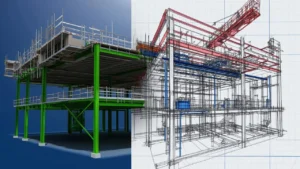
Advanced dashboards even link directly to 3D models or fabrication drawings, showing exactly where a defect occurs. Integration with ERP or MES systems ensures that when a non-conformance is closed, related purchase orders or production steps update automatically. According to studies by industry associations such as the American Society for Quality, companies using digital dashboards can cut report preparation time by more than 30% and shorten feedback loops dramatically.
Whether the goal is passing audits faster or driving continuous improvement, dashboards act as the nerve center that keeps data flowing between departments and decision-makers.

Benefits of Implementing Quality Data Management in Fabrication
Implementing quality data management in fabrication systems offers benefits that reach far beyond compliance. When inspection data, NCRs, and dashboards all live in one environment, quality becomes measurable in real time. Managers can identify bottlenecks instantly, supervisors can validate progress visually, and executives gain evidence-based insight for strategic decisions.
Operational advantages include:
- Faster root cause analysis: Engineers can filter inspection logs by process, material, or operator to pinpoint recurring issues.
- Reduced rework and scrap: Trend analysis highlights defect-prone zones before products leave the workshop.
- Audit readiness: Digital traceability ensures that all required documentation—test reports, calibration records, and NCR closures—are accessible within seconds.
- Cross-department alignment: Integrated systems connect design, procurement, and quality so that one update triggers notifications throughout the chain.
Strategically, the payoff is even greater. Data-driven quality management nurtures a culture of accountability, reduces guesswork in decision-making, and strengthens relationships with clients. When every discussion—whether with customers or regulators—is backed by verifiable data, credibility rises and disputes fall.
Challenges and Common Pitfalls
Despite its clear advantages, digital transformation in quality control isn’t automatic. Many fabrication facilities face challenges when adopting new systems. The most common hurdles include:
- Cultural resistance: Operators accustomed to manual forms may view digital inspections as extra work rather than efficiency tools.
- Data overload: Collecting more data without analysis leads to clutter instead of clarity.
- Integration gaps: Quality modules often operate separately from ERP or production software, creating duplicate entries.
- Insufficient training: Without user familiarity, dashboards remain underused and insights stay hidden.
To overcome these pitfalls, companies should start small—digitizing a few key inspection points—and scale gradually. Early wins, such as automatic NCR tracking or faster report generation, help build confidence across teams. The goal is evolution, not revolution.
Integration with Digital Fabrication and Smart Manufacturing
Modern factories no longer separate quality from production; both operate under one digital ecosystem. Within the framework of Industry 4.0, quality data management in fabrication becomes part of a continuous digital thread that links design, manufacturing, and inspection. This thread ensures every deviation detected during production feeds back to design and planning teams.
Integration with sensors and connected devices is expanding the horizon of predictive quality. IoT-enabled weld machines, for example, send real-time current, voltage, and temperature data to centralized dashboards. Algorithms analyze patterns to flag potential defects before human inspectors even arrive. Similar systems apply to coating lines, dimensional measurement, and material traceability.
Artificial intelligence amplifies these benefits by learning from historical data. AI models can predict which process parameters lead to NCRs or which suppliers deliver inconsistent materials. As the dataset grows, predictions improve, making inspections smarter and more targeted. Over time, this predictive capability helps organizations shift from reactive correction to proactive prevention—true smart manufacturing.
Real-World Example: From Logs to Leadership Decisions
Consider a mid-sized fabrication company producing modular steel structures. Before digitalization, its quality team spent nearly two weeks compiling monthly inspection summaries. Reports often contained errors, and managers had no clear visibility into which production lines drove most NCRs.
After adopting a cloud-based quality data platform, inspection results synced automatically with production orders. Dashboards displayed defect trends in real time, highlighting that 60% of NCRs originated from a single supplier’s plate materials. By sharing this data, the company negotiated corrective actions that cut rework hours by 25% and saved thousands in wasted steel.
The leadership team also benefited. Instead of static spreadsheets, they reviewed live dashboards in management meetings. This visibility turned quality from a reactive department into a strategic decision partner. It demonstrated that digital inspection systems aren’t just about compliance—they are management tools that align operations with business goals.
Conclusion: Building a Smarter Quality Culture
In an age where data defines performance, relying solely on manual inspection logs is no longer sustainable. A robust quality data management in fabrication framework transforms every inspection, NCR, and calibration report into strategic intelligence. It empowers teams to make faster, evidence-based decisions while maintaining compliance and reducing operational waste.
When companies integrate tech like analytics, dashboards, and AI-driven insight into daily operations, they move from documentation to transformation. Quality ceases to be a reactive function and becomes an active driver of efficiency, consistency, and trust. The result is a smarter, more agile fabrication environment—one where data doesn’t just record the past but predicts the future.