Export Growth in Industrial Components: Where Buyers Are Moving
Over the past few years, the global landscape of manufacturing and trade has undergone a major realignment. Factories have adapted to new cost structures, governments have shifted policies, and buyers are rethinking where they source essential materials. In this changing environment, export growth in industrial components has emerged as a key measure of how production networks are evolving worldwide. The movement of industrial parts—from precision machinery to prefabricated assemblies—reveals where buyers are heading and which regions are capturing the next wave of industrial opportunity.
For exporters, manufacturers, and procurement specialists, understanding these shifts is crucial. Markets are no longer defined by low-cost labor alone. Factors like logistics resilience, digital transparency, and trade policy are now shaping buyer decisions as much as price does. This article breaks down how and where global demand for industrial components is expanding, which regions are gaining new buyers, and what sourcing strategies are defining the next decade of industrial trade.
Understanding Export Growth in Industrial Components
Industrial components form the backbone of modern production. They include everything from fasteners, valves, and precision gears to large-scale fabricated assemblies used in power plants or modular construction. The global trade in these components exceeds hundreds of billions of dollars annually, connecting thousands of suppliers across multiple tiers of the supply chain.
Export growth in industrial components reflects how global manufacturing capacity responds to shifts in demand and competitiveness. Between 2020 and 2025, total export volumes have risen steadily despite temporary slowdowns from supply chain disruptions. Emerging economies have gained a greater share, while established exporters like China, Germany, and South Korea continue to dominate high-tech and value-added segments.
Several factors are driving this trend:
- Post-pandemic recovery: Accelerated investment in infrastructure and manufacturing revived demand for machinery and fabricated modules.
- Nearshoring and regionalization: Companies are diversifying sourcing closer to their end markets to reduce risk.
- Sectoral growth: Renewable energy, transportation, and industrial automation have spurred demand for specialized components.
- Digital integration: Improved transparency and data sharing across supply chains make it easier for smaller exporters to reach global buyers.
These drivers show that export performance is no longer dictated solely by scale or price. Agility, reliability, and digital readiness increasingly determine which suppliers attract long-term contracts.
Key Buyer Regions: Where the Demand Is Growing
The pattern of global buying has shifted noticeably since 2020. Traditional markets remain important, but emerging regions are taking on a larger role. Understanding where buyers are moving helps exporters align production and marketing strategies with the strongest growth areas.
- Southeast Asia: Nations like Vietnam, Indonesia, and Thailand are rapidly developing as export and reassembly hubs. Their integration into regional value chains has made them attractive to OEMs relocating production from China.
- Middle East: Massive infrastructure and energy projects—especially in Saudi Arabia and the UAE—are driving record demand for industrial steel, machinery, and prefabricated modules.
- Europe: The transition toward clean energy and high-tech manufacturing has created steady demand for precision and engineered components.
- North America: With the U.S. Infrastructure Investment and Jobs Act and nearshoring from Mexico, the region’s sourcing network has expanded closer to home.
Buyers are no longer pursuing a purely cost-based approach. They seek a mix of affordability, reliability, and logistical efficiency. Many prioritize suppliers who can ensure consistent delivery, certification compliance, and transparent supply chain tracking. Exporters who align with these priorities are capturing new long-term contracts in both developed and emerging markets.
| Region | Main Buyer Demand | Export Growth Outlook (2025–2028) |
|---|---|---|
| Southeast Asia | Machinery, modular steel structures, components for renewable energy | +7.5% CAGR |
| Middle East | Construction and energy infrastructure components | +6.8% CAGR |
| Europe | Precision parts, automation equipment | +4.3% CAGR |
| North America | Steel assemblies, fabricated systems, automotive components | +5.1% CAGR |
This data shows the dynamism of trade flows—buyers are diversifying their sources not only geographically but also by specialization. Southeast Asia is becoming the new low-to-mid-cost hub, while Europe and North America concentrate on advanced, niche segments.
Tracking Trade Flows in the Industrial Component Market
Monitoring trade flows is one of the most effective ways to anticipate where demand will expand next. Data from organizations such as the United Nations Comtrade Database shows how global shipments have evolved since the pandemic. The pattern is clear: trade routes are becoming shorter and more regionalized.
For example, China’s exports of fabricated metal parts to Vietnam and Malaysia have surged by over 30% since 2021, as those countries take on assembly work for global manufacturers. Similarly, European component suppliers have increased exports to the Middle East to meet demand from energy megaprojects. The Americas show a growing link between U.S. buyers and Mexican component factories—an effect of nearshoring and trade facilitation through updated regional agreements.
Key forces shaping these flows include:
- Freight and logistics costs, which determine competitiveness for long-distance suppliers.
- Trade tariffs and certification standards that favor regional sourcing.
- Geopolitical risk, influencing procurement diversification.
- Energy prices and local availability of inputs like steel and aluminum.
The new geography of trade emphasizes flexibility. Exporters who can shift production or logistics rapidly stand to capture new markets faster than those dependent on single-route distribution. The next phase of export growth in industrial components will depend heavily on how manufacturers adapt their supply chain configurations to these changing flows.
Buyer Behavior and Sourcing Strategy
Buyers have become far more analytical in their sourcing decisions. Instead of focusing purely on unit cost, they now prioritize risk mitigation, lead time, and total cost of ownership. This transformation has redefined the traditional sourcing strategy for industrial components. Procurement teams now evaluate supplier stability, digital capability, and ESG performance alongside pricing.
Current trends in buyer behavior include:
- Supplier diversification: Establishing multi-region sourcing to minimize dependence on one country.
- Long-term contracting: Reducing volatility by locking in predictable supply agreements.
- Data transparency: Preferring partners with integrated ERP and traceability systems.
- Collaborative planning: Involving suppliers earlier in product development to streamline customization.
This approach supports resilience but also demands that exporters modernize. Manufacturers adopting automation, lean production, and real-time logistics visibility are now favored in sourcing evaluations. As trade becomes increasingly digital, exporters who adapt fastest to these standards will lead future growth in the industrial component market.

Competitive Hubs and Emerging Exporters
One of the most striking outcomes of global realignment is the rise of new export hubs. Countries such as Vietnam, India, Turkey, and Indonesia are rapidly increasing their market share in industrial component exports. These nations benefit from a combination of strategic geography, competitive labor, and trade agreements that make them attractive to international buyers.
Vietnam has become a critical link between East Asia and Western markets, offering reliable port infrastructure and integration with global electronics and machinery supply chains. India’s export surge is powered by its engineering sector and policy incentives promoting industrial parks and special economic zones. Turkey continues to gain traction in Europe and the Middle East due to its dual access to both markets, while Indonesia’s growing fabrication and metalworking capabilities position it as a regional alternative for heavy components.
Meanwhile, traditional exporters like China, South Korea, and Germany maintain dominance in high-tech precision manufacturing but face cost and policy pressures that accelerate diversification among buyers. The global market is becoming less centralized, with multiple regional champions sharing growth.
| Country | Key Export Strengths | Growth Trend (2020–2025) |
|---|---|---|
| Vietnam | Machinery, electrical components, modular steel systems | +12% average annual growth |
| India | Valves, industrial castings, fabricated assemblies | +10% annual growth |
| Turkey | Precision metal parts, construction systems | +8% annual growth |
| Indonesia | Steel fabrications, machinery components | +9% annual growth |
This regional diversification is creating new trade corridors and challenging legacy assumptions about where industrial production “should” happen. Exporters who can integrate local cost advantages with digital process control are becoming the preferred partners for multinational buyers.
Supply Chain Realignment After 2020
The pandemic exposed how fragile global supply chains could be. Delays, shipping bottlenecks, and material shortages forced companies to rethink their procurement models. The new era of export growth in industrial components is defined by flexibility and redundancy—having multiple suppliers across regions rather than relying on one mega-factory.
Manufacturers are now building multi-source networks and establishing regional production clusters. For example, a U.S. company might maintain suppliers in both Mexico and Vietnam to balance proximity and cost. Digitalization plays a key role here: supply chain management platforms enable real-time visibility into inventories, production status, and shipping progress, making cross-border collaboration smoother than ever.
In logistics, shorter trade routes and more localized hubs are helping cut costs and improve lead times. While the old model focused on mega-scale manufacturing, the new strategy prioritizes adaptability and response speed—a shift that benefits mid-sized exporters able to adjust production lines quickly.
Trade Policy, Tariffs, and Logistics Constraints
Government policies continue to influence trade flows for industrial components. Shifts in tariffs, certification rules, and carbon border adjustments affect how exporters plan their market strategies. For example, the European Union’s carbon border adjustment mechanism encourages suppliers to demonstrate lower-emission manufacturing. In contrast, tariff adjustments between the U.S. and Asia have redirected portions of trade toward countries like Vietnam and India, where favorable trade conditions exist.
Exporters who proactively monitor regulatory changes can pivot faster than competitors. Many firms now maintain in-house trade compliance teams or partner with logistics specialists who track customs rules and documentation standards. By combining local production insight with agile trade operations, they avoid shipment delays and maintain customer confidence.
Technology and Process Innovation Driving Export Growth
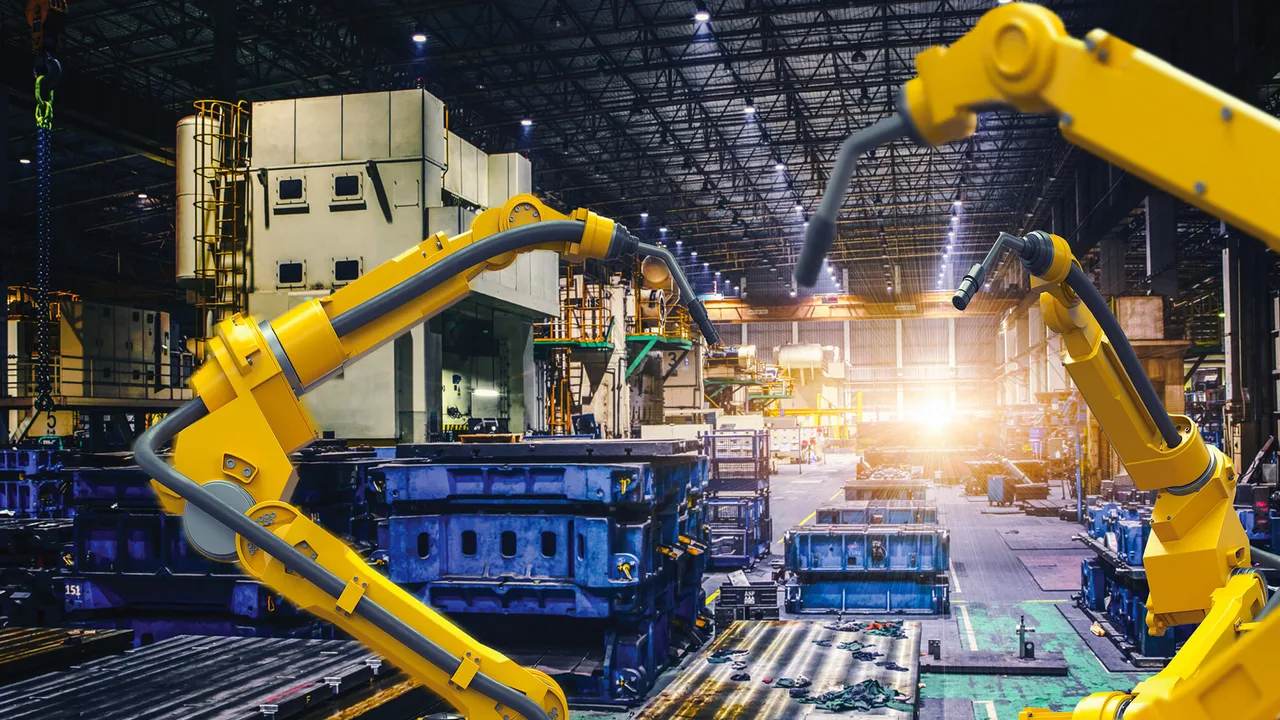
Technological innovation is the hidden catalyst behind rising export competitiveness. Automation, robotics, and digital fabrication allow manufacturers to produce higher-quality industrial components faster and with lower defects. Exporters integrating data-driven quality control and IoT-enabled machinery gain a distinct advantage in international bidding processes.
Additionally, additive manufacturing and advanced machining reduce lead times by localizing part production near final assembly sites. This flexibility improves responsiveness to buyer demand while lowering shipping costs and environmental impact. In this sense, technology isn’t just a production tool—it’s a strategic enabler for growth and market expansion.
Many successful exporters are investing heavily in supply chain transparency and traceability. Buyers increasingly demand proof of origin, sustainability data, and ethical sourcing practices. Companies that provide these details digitally strengthen their credibility and win contracts in markets with strict compliance requirements.
Case Study: Regional Shifts in Buyer Patterns
Consider a case involving a European machinery OEM that once sourced 70% of its fabricated assemblies from East Asia. After repeated shipping disruptions and higher freight costs, the company diversified its supplier network, redirecting 40% of orders to Southeast Asia and the Middle East. Within a year, total lead time dropped by 20%, and cost variance stabilized due to improved logistics efficiency.
This transition mirrors a larger market reality: buyer decisions increasingly weigh risk factors over nominal price differences. The ability to guarantee continuous supply now outweighs a 2–3% cost advantage. Regional partnerships and shared digital production systems are becoming the cornerstone of modern sourcing strategy.
| Supplier Region | Share of Orders (Before) | Share of Orders (After) | Resulting Change |
|---|---|---|---|
| East Asia | 70% | 40% | Reduced dependency, improved logistics control |
| Southeast Asia | 15% | 35% | Stronger resilience, moderate cost increase |
| Middle East | 5% | 15% | Faster delivery for regional projects |
This example demonstrates how reallocation strategies not only enhance supply reliability but also support export diversification. For both buyers and exporters, flexibility and regional presence define success in the current market cycle.
Conclusion: Adapting to the New Global Export Landscape
The future of industrial trade is being rewritten. The steady export growth in industrial components shows how markets are becoming more interconnected yet decentralized. Instead of relying on a single source, buyers are spreading risk across multiple hubs while exporters compete on agility, transparency, and technology rather than cost alone.
To thrive in this evolving ecosystem, exporters must focus on three imperatives: building digitally integrated supply networks, aligning production with sustainable trade policies, and cultivating partnerships that span regions. Those who succeed will not just follow buyer movements—they will lead them.
In a world where supply chains are in constant motion, adaptability is the new currency of global competitiveness. Exporters ready to innovate and reconfigure will define the next era of industrial trade growth.