Barcode Tracking in Fabrication: Real Benefits and Pitfalls
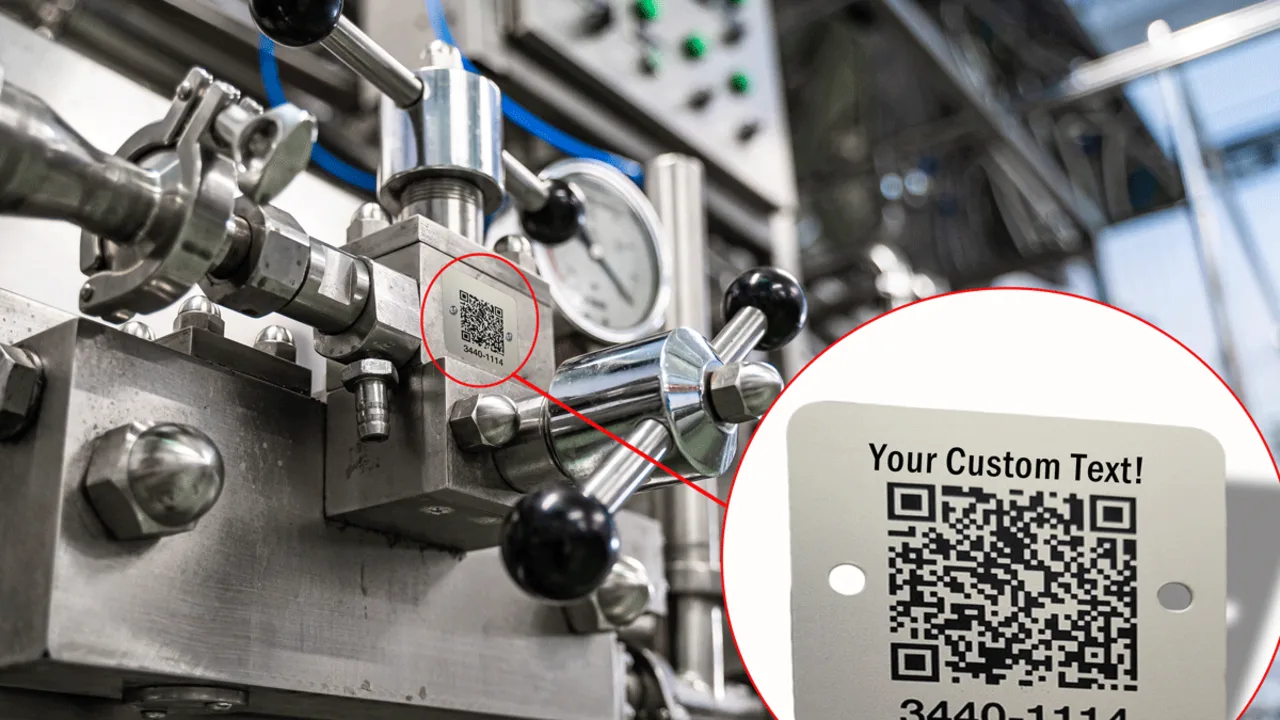
As fabrication shops become more digitized, keeping track of thousands of components across multiple production stages has never been more critical. Manual recordkeeping—whether through paper job cards or Excel sheets—can’t keep up with the speed and complexity of modern manufacturing. This is why many facilities are shifting toward barcode tracking fabrication systems that provide real-time visibility, control, and traceability across every work cell.
From steel structure workshops to precision machining plants, barcode tracking is transforming the way fabricators manage their operations. It allows managers to see where every part is, who worked on it, and when it moves from one station to another. But as with any digital transformation, the benefits come with learning curves and risks that need to be understood clearly.
What Is Barcode Tracking in Fabrication?
Barcode tracking fabrication refers to the use of scannable identification labels to monitor components throughout the manufacturing process. Each material, sub-assembly, or finished product receives a unique barcode label linked to a central database. Every time a worker scans that label—during cutting, welding, painting, or inspection—the system records the timestamp, operator ID, and workstation location.
At its core, the system creates a digital “fingerprint” for each part, ensuring that no step in production goes undocumented. This approach has become essential in industries like structural steel, shipbuilding, and heavy equipment manufacturing, where project complexity and compliance standards demand precise traceability.
Barcode tracking also connects closely to WIP tracking (Work-In-Progress), providing real-time updates about how far each job has progressed. When linked with an ERP or MES platform, this data enables live dashboards that visualize throughput, bottlenecks, and downtime causes. Compared to RFID systems—which use radio signals—barcodes are cheaper, simpler, and easier to implement at scale.
How Barcode Tracking Improves Traceability
Traceability in fabrication means knowing exactly where each component came from, how it was processed, and where it ends up. A good traceability system ensures that if a defect appears, the source can be identified quickly without halting entire production lines. Barcode tracking plays a central role in achieving this.
Every scan event becomes a traceable record. When a plate is cut, the system logs its source material, operator, and machine parameters. Later, when that plate becomes part of a welded assembly, the system links all previous data to the new barcode for the assembly. By the time the finished structure leaves the shop, managers can trace its entire fabrication history in seconds.
This level of digital documentation not only simplifies internal audits but also supports certification requirements such as ISO 9001, ASME, and EN 1090. Inspectors can access digital reports instead of searching through physical documents—saving hours of manual effort and reducing errors. In short, barcode tracking transforms traceability from a burden into a strategic advantage.
Benefits of Barcode Tracking in Fabrication Workflows
Implementing barcode systems delivers measurable operational improvements, particularly in productivity, accuracy, and decision-making. Here are the core benefits that fabrication shops often experience:
- Improved WIP tracking: Every component is visible in real time, allowing planners to monitor progress without manual updates.
- Fewer production delays: Missing or misplaced materials are instantly flagged, reducing idle machine time and rework.
- Enhanced quality control: Each part’s inspection and test record is digitally linked, enabling faster root cause analysis.
- Data-driven decision-making: With accurate production data, managers can identify bottlenecks and improve resource allocation.
- Reduced paperwork: Manual forms and handwritten logs are replaced by automatic digital entries, improving clarity and compliance.
To illustrate the difference, the table below compares typical fabrication workflows before and after barcode adoption:
| Parameter | Manual Tracking | Barcode Tracking |
|---|---|---|
| Part identification | Handwritten tags or job sheets | Printed barcode labels linked to database |
| WIP visibility | Limited (requires phone calls) | Real-time, digital dashboard |
| Error rate | High due to manual entry | Minimal thanks to automated scanning |
| Data accuracy | Inconsistent | Consistent and standardized |
| Paper use | Extensive | Almost eliminated |
Even small fabrication shops find that barcode systems reduce chaos and improve accountability. Supervisors no longer chase operators for updates; they can see live progress from their office screens.
Scanning Workflow: How It Works in a Typical Fabrication Shop
A well-designed scanning workflow ensures that the barcode system enhances production instead of slowing it down. Here’s how it typically unfolds in a steel fabrication environment:
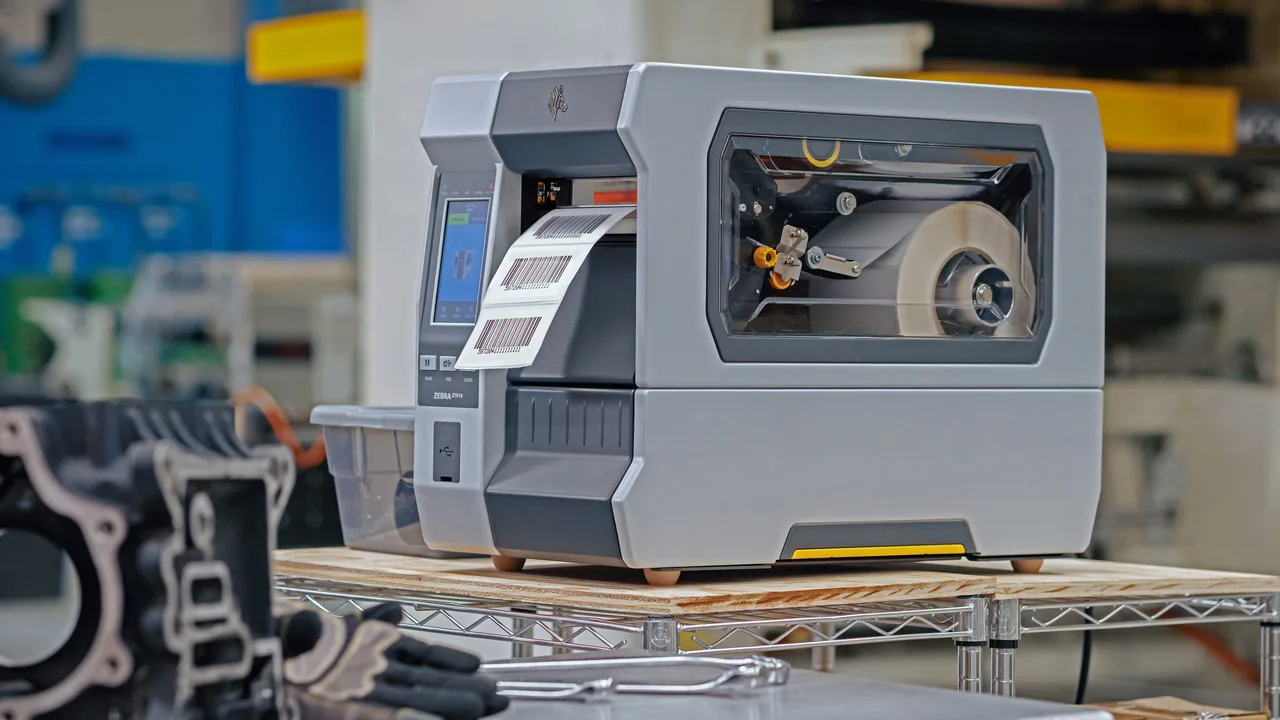
- Labeling: Barcodes are printed and attached to raw materials or pre-cut pieces. Some companies use metal or heat-resistant labels for durability.
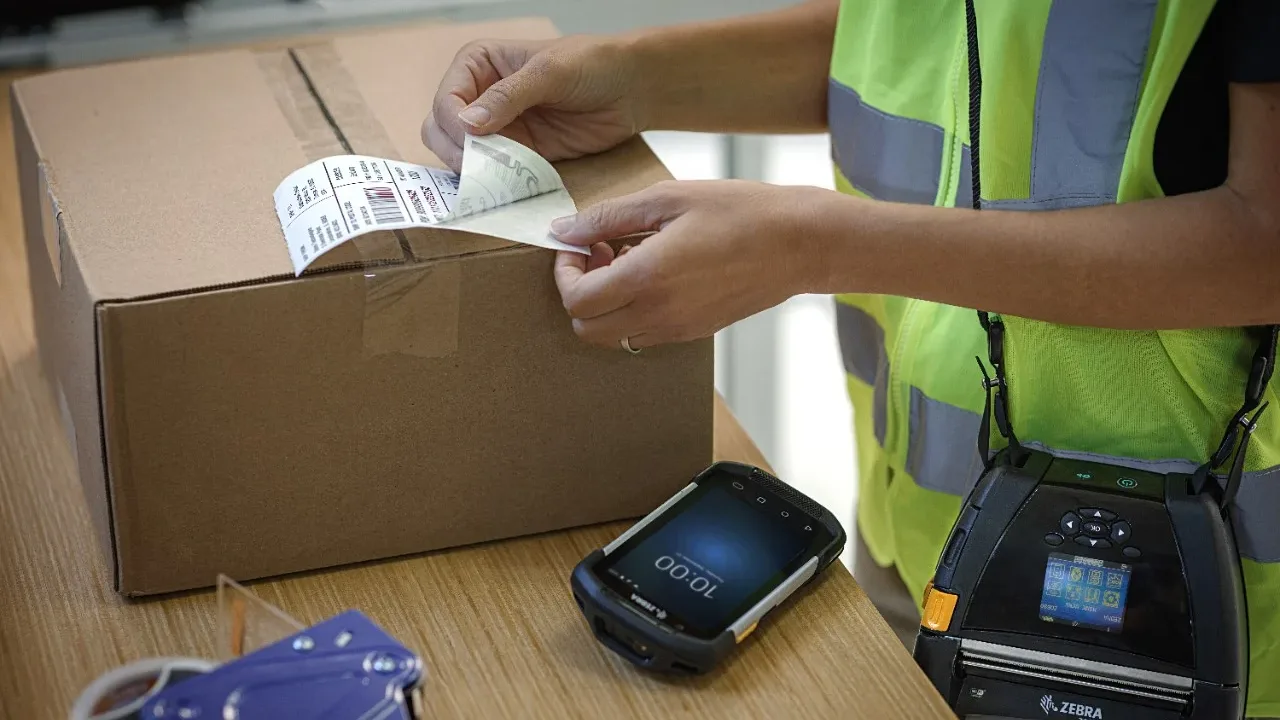
- Scanning at each stage: Operators scan the part’s barcode before and after performing a task—cutting, fitting, welding, grinding, or painting. This records time spent and job completion.
- Data synchronization: The system uploads data automatically to a central server. If Wi-Fi is unreliable, scanners store data locally and sync later.
- Integration with MES/ERP: All scan data flows into production management systems, updating work orders, inventory, and performance metrics automatically.
The simplicity of this process is what makes barcode tracking so widely adopted. Workers need minimal training, and the scanning step adds only seconds to each task. Managers, on the other hand, gain comprehensive visibility into progress and performance.
Case Example: Implementing Barcode Tracking in a Steel Fabrication Plant
Consider a mid-sized structural steel fabrication company that decided to implement barcode tracking across its 12,000-square-meter workshop. Before the upgrade, supervisors relied on manual logs and verbal reports, leading to frequent confusion about material location and job completion status. By adopting a barcode-based WIP tracking system, the company aimed to eliminate uncertainty and improve throughput.
During the first month, challenges appeared—label durability under high heat, scanner misreads near reflective surfaces, and operator hesitation. But after proper training and better labeling materials, data consistency improved rapidly. Within six months, measurable results emerged:
- Average lead time per job dropped by 18%.
- Production errors fell by 25%.
- Inventory accuracy increased from 82% to 95%.
The success demonstrated that digital systems deliver results only when integrated with proper workflow discipline. The company also found that scanning data provided unexpected benefits: predictive maintenance insights, improved job costing accuracy, and more reliable client reporting.
Barcode tracking has thus evolved from being a shop-floor accessory into a strategic production management tool, improving both operational efficiency and customer satisfaction.
Common Pitfalls in Barcode Tracking Fabrication
While the advantages are compelling, adopting barcode tracking fabrication is not without challenges. Several common pitfalls can undermine a project if not addressed early. Understanding them helps prevent expensive downtime or data chaos once the system is live.
- Label degradation: In fabrication environments, heat, dust, oil, and paint can damage printed barcodes. When scanners can’t read them, traceability breaks down. The solution is to use durable, laminated, or metal tags and apply them on protected surfaces.
- Scanner fatigue: If scanning interrupts the operator’s rhythm, compliance drops. Designing efficient workflows—such as placing scanners near workstation entry points—keeps productivity high.
- Integration errors: Linking barcode data to ERP or MES systems requires consistent naming conventions and part IDs. Small mismatches can create duplicate records or lost history.
- Training neglect: Many projects fail because teams aren’t trained to understand why scanning matters. Ongoing coaching and KPI dashboards encourage adoption and accountability.
Each of these issues can disrupt traceability and data reliability if not handled with care. Periodic audits, automated validation checks, and preventive maintenance on scanners help maintain long-term stability of the system.
Comparing Barcode Tracking with RFID and QR Systems
Barcode systems remain the standard for industrial tracking, but they’re not the only option. Some shops explore QR or RFID technology to increase automation. Here’s how they compare in a fabrication context:
| Feature | Barcode | QR Code | RFID |
|---|---|---|---|
| Cost | Low | Moderate | High |
| Read Range | Line-of-sight, up to 30 cm | Line-of-sight, short | Non-line-of-sight, several meters |
| Durability | Moderate | Good | Excellent (sealed tags) |
| Ease of Integration | Simple | Simple | Complex, requires readers and middleware |
Although RFID allows long-range scanning without direct visibility, it often costs 10 times more to implement and maintain. For most fabrication environments—where parts are large, visible, and move predictably—barcodes offer the best balance between cost and control. When integrated properly into the scanning workflow, they deliver 90% of the benefits at a fraction of the investment.
Choosing the Right Barcode Tracking System
Before implementing a solution, managers should carefully evaluate system capabilities and compatibility with existing processes. The best software is one that adapts to your workflow—not the other way around. Here are key considerations:
- ERP/MES integration: The system should communicate smoothly with your existing resource planning tools to avoid data silos.
- Label durability: Choose printers and materials that can withstand welding spatter, heat, and humidity typical in steel fabrication shops.
- Custom reporting: Look for solutions offering API access or customizable dashboards for performance metrics.
- Offline functionality: In areas with poor connectivity, scanners should store data locally and sync later.
- User experience: Simple interfaces ensure operators stay compliant with minimal resistance.
When evaluating vendors, request pilot programs and test how the system handles your real production conditions. Some leading solutions, such as those discussed in automation and traceability case studies, highlight the value of end-to-end visibility. The goal is not to buy software but to implement a sustainable traceability framework that supports continuous improvement.
The Future of Barcode Tracking: Toward Full Digital Fabrication
Barcode systems are evolving rapidly. In the coming years, they’ll merge with IoT and AI-driven analytics to form fully connected digital ecosystems. Every scanned event will contribute to predictive insights: machine utilization, operator performance, and even maintenance forecasting.
As sensors and barcode scanners become smarter, fabrication plants will gain deeper visibility across their entire value chain. Future systems could auto-generate work orders, reorder consumables, or alert supervisors when certain tasks deviate from standard cycle times. The role of barcode tracking will shift from reactive monitoring to proactive optimization.
This evolution mirrors the broader Industry 4.0 trend—integrating machines, humans, and data. For small and medium manufacturers, adopting barcode tracking today creates a digital foundation for future automation and competitiveness.
Conclusion: Traceability Without Complexity
The journey toward digital transformation doesn’t have to start with robots or full automation. For most shops, implementing barcode tracking fabrication offers a practical first step toward smart manufacturing. It enhances traceability, minimizes waste, and enables accurate decision-making—all with technology that’s affordable and proven.
Yet, success depends on thoughtful execution: durable labeling, consistent scanning discipline, and effective data integration. When these elements align, barcode tracking becomes more than a tracking tool—it becomes the nervous system of a connected factory.
In the end, the greatest advantage of barcode tracking lies in its simplicity. It delivers traceability without complexity, helping fabrication businesses of all sizes move confidently toward a more data-driven future.