How Mobile Apps Improve Site Reporting Quality
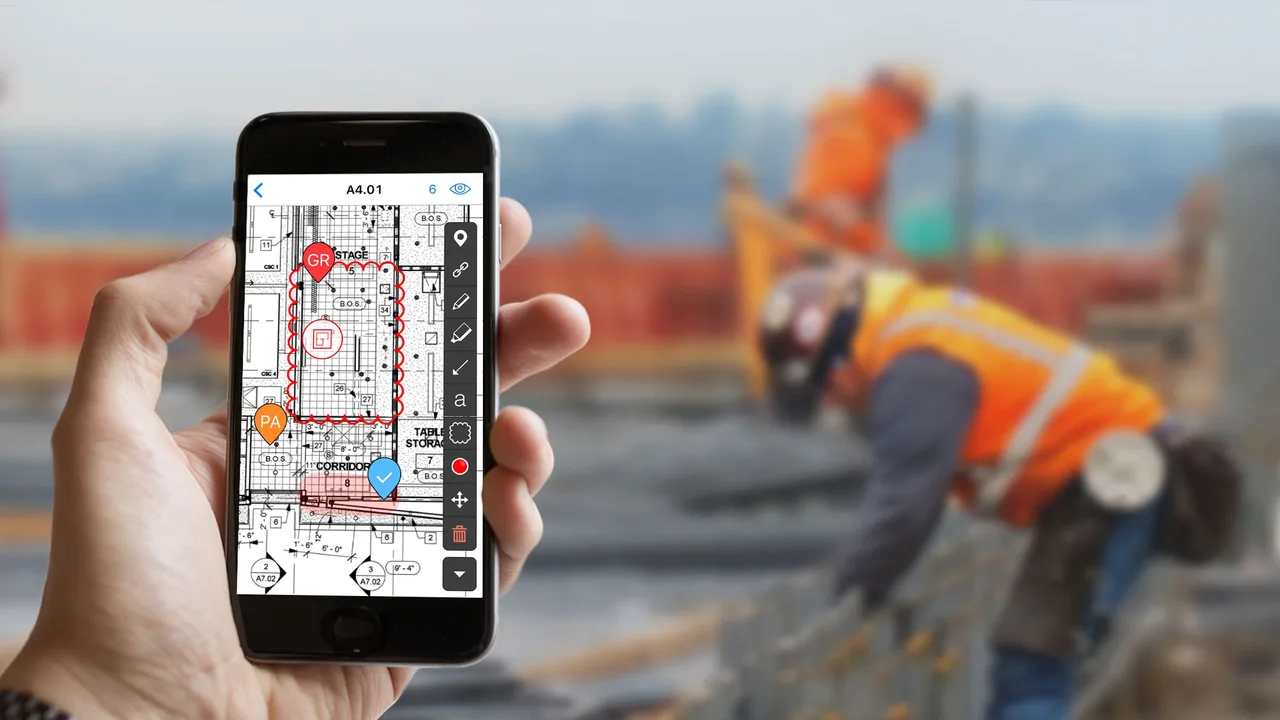
Mobile apps for site reporting are changing how construction and industrial teams capture, share, and use information directly from the field. Instead of relying on handwritten notes, delayed reports, or fragmented communication, project teams now use mobile tools to record site activity in real time. This shift is not only about convenience—it directly affects reporting quality, accuracy, and how quickly decisions can be made.
On many projects, reporting has traditionally been treated as a secondary task. Site supervisors complete logs at the end of the day, often based on memory rather than real-time input. Photos are stored separately, punch lists are tracked manually, and communication between field and office is inconsistent. As a result, even well-managed projects can suffer from incomplete or unreliable records.
Why Site Reporting Still Breaks Down on Real Projects
Despite advances in project management systems, reporting problems remain common on construction sites. The issue is not always a lack of tools, but how those tools are used in practice. Field teams are focused on execution, and reporting often becomes an additional burden rather than an integrated part of the workflow.
Some of the most common breakdowns include:
- Reports completed hours after work is finished
- Missing details due to reliance on memory
- Inconsistent formats between different team members
- Photos stored without clear reference to activities
- Delayed communication between site and office
These issues affect more than documentation. When reporting quality is low, project managers cannot fully understand site conditions, which makes planning and coordination more difficult. This is where mobile apps for site reporting begin to create measurable improvements.
Mobile Apps for Site Reporting: What Actually Changes
The introduction of mobile reporting tools changes the timing and structure of how data is captured. Instead of writing reports at the end of the day, field teams record information as work happens. This simple shift improves accuracy because details are captured immediately, without relying on memory.
Another key difference is structure. Mobile apps typically guide users through predefined formats, ensuring that important information is not missed. For example, daily logs may require entries for workforce numbers, equipment usage, weather conditions, and completed tasks.
This structured approach reduces variation between reports and makes data easier to analyze later. The mobile apps for site reporting approach also allows supervisors to attach photos, notes, and status updates directly to specific tasks or locations.
In practice, this leads to a more consistent and reliable reporting system, where information is captured once and shared instantly with all relevant stakeholders.
From Daily Logs to Real-Time Data Streams
Daily logs have always been a core part of construction reporting, but their usefulness depends on how accurately they reflect actual site activity. Traditional logs are often completed at the end of the day, which introduces gaps and inconsistencies.
With digital tools, daily logs become part of a continuous data stream rather than a single summary document. Each entry is time-stamped and linked to specific activities, making it easier to track progress and identify delays.
This shift has several advantages:
- More accurate tracking of work completed during the day
- Clear record of who performed specific tasks
- Immediate visibility for project managers
- Better alignment with project schedules
Instead of reviewing information after the fact, teams can monitor progress as it happens. This improves coordination and allows faster response to issues on site.
Photo Records as a Core Reporting Tool
Images have become one of the most valuable components of site reporting. While written descriptions can provide context, photos offer direct visual evidence of site conditions, completed work, and potential issues.
Modern reporting systems treat photo records as structured data rather than simple attachments. Each image can be tagged with location, time, task, and responsible team, creating a searchable and organized database.
This approach improves reporting quality in several ways:
- Clear documentation of work progress
- Reduced ambiguity in communication
- Stronger support for inspections and audits
- Better protection in case of disputes
For example, industry practices around digital documentation increasingly emphasize structured image capture, as outlined in resources like
construction documentation guidelines, which highlight the role of visual records in project accountability.
By integrating photos directly into reporting workflows, mobile apps for site reporting make it easier to maintain consistent documentation without additional effort from field teams.
Punch Lists Become Faster and More Actionable
Punch lists are essential for tracking incomplete or defective work, but traditional methods often rely on spreadsheets, paper notes, or email communication. These approaches make it difficult to track status and ensure that issues are resolved efficiently.
Mobile tools transform punch lists into dynamic workflows. Issues can be created directly on site, assigned to specific teams, and updated in real time as work progresses. Each item can include photos, descriptions, deadlines, and status updates.
This improves both speed and accountability. Instead of waiting for periodic updates, project managers can see which issues are open, in progress, or completed at any time.
The impact of mobile apps for site reporting is especially visible during project closeout, where efficient punch list management can significantly reduce delays.

Where Reporting Quality Improves the Most
The shift to digital tools doesn’t just make reporting faster—it changes the quality of information across several key areas. Instead of inconsistent notes and scattered files, project teams begin working with structured, time-stamped, and connected data.
| Area | Before Mobile Apps | After Mobile Apps |
|---|---|---|
| Daily Logs | Delayed, incomplete entries | Real-time, standardized input |
| Photo Records | Unorganized and disconnected | Tagged, searchable, traceable |
| Punch Lists | Manual tracking, unclear status | Live updates with accountability |
| Communication | Fragmented across channels | Centralized and consistent |
These improvements are the direct result of how mobile apps for site reporting integrate reporting into daily site activity rather than treating it as a separate task.
Why Field Teams Adopt Mobile Reporting Faster Than Expected
One assumption often made by project managers is that field teams will resist new technology. In reality, adoption is usually faster than expected—especially when the tools reduce workload instead of adding to it.
Mobile reporting apps eliminate repetitive paperwork and reduce the need to re-enter the same information multiple times. Instead of writing reports after work hours, supervisors can capture data during the day with minimal effort.
- Less time spent on end-of-day reporting
- Fewer duplicate entries across systems
- Faster communication with office teams
- Immediate visibility of issues and progress
This efficiency is one of the reasons why mobile apps for site reporting are quickly becoming standard tools on modern projects. When tools align with how work actually happens on site, adoption becomes natural.
Integration with Project Software Systems
Reporting does not exist in isolation. Data collected on site often needs to connect with scheduling systems, cost tracking tools, and document management platforms. Without integration, even high-quality reports may not be fully utilized.
This is where system connectivity becomes important. Mobile reporting tools that integrate with broader project platforms allow information to flow automatically between teams. For example, progress recorded on site can update project schedules, while issue tracking can link directly to procurement or cost systems.
The effectiveness of mobile apps for site reporting increases significantly when they are part of a connected software ecosystem rather than standalone tools.
Common Mistakes When Implementing Mobile Reporting
Despite the benefits, not all implementations deliver the expected results. Some projects introduce mobile tools without proper planning, which can limit their impact on reporting quality.
Typical mistakes include:
- Using overly complex apps that slow down field teams
- Lack of training or onboarding for site personnel
- No standard format for reports across the project
- Ignoring integration with existing systems
When these issues occur, the tools may be used inconsistently, and reporting quality may not improve. Successful implementation requires clear workflows, simple interfaces, and alignment between field and office teams.
How Mobile Reporting Affects Project Transparency
Transparency is one of the most immediate benefits of digital reporting. When information is captured and shared in real time, all stakeholders gain better visibility into project status. This reduces misunderstandings and helps teams respond quickly to changes.
For example, project owners can review progress without waiting for weekly reports, while contractors can identify delays before they affect the schedule. This level of visibility improves coordination and reduces the likelihood of disputes.
Because data is recorded consistently, it also becomes easier to verify what happened on site at any given time. This makes mobile apps for site reporting valuable not only for daily operations but also for long-term accountability.
Long-Term Value of Digital Site Records
Site reporting is often viewed as a short-term requirement, but the data collected during construction can have long-term value. Digital records created through mobile tools can be stored, organized, and reused long after the project is complete.
These records support several important functions:
- Maintenance planning and facility management
- Review of past construction methods and performance
- Legal documentation in case of disputes
- Future upgrades or expansion projects
When reporting is consistent and structured, this information becomes easier to access and use. The long-term benefit of mobile apps for site reporting is not only better daily reporting, but also stronger data continuity across the entire lifecycle of a facility.
Future Trends in Mobile Site Reporting
Mobile reporting continues to evolve as new technologies are introduced into the construction industry. Tools are becoming more intelligent, allowing teams to capture and process information with even less effort.
Some emerging developments include:
- AI-assisted report generation based on field inputs
- Automatic tagging of images using recognition technology
- Voice-to-text reporting for faster data entry
- Integration with sensors and IoT devices on site
These innovations will further enhance reporting accuracy and reduce manual work. As systems become more connected, the role of mobile apps for site reporting will expand beyond documentation to become part of a fully integrated project workflow.
As construction projects continue to adopt digital tools, reporting is no longer a passive activity. It becomes an active source of insight, helping teams manage performance, improve coordination, and deliver better project outcomes.