Estimating Tools Explained: From Takeoffs to Cost Databases
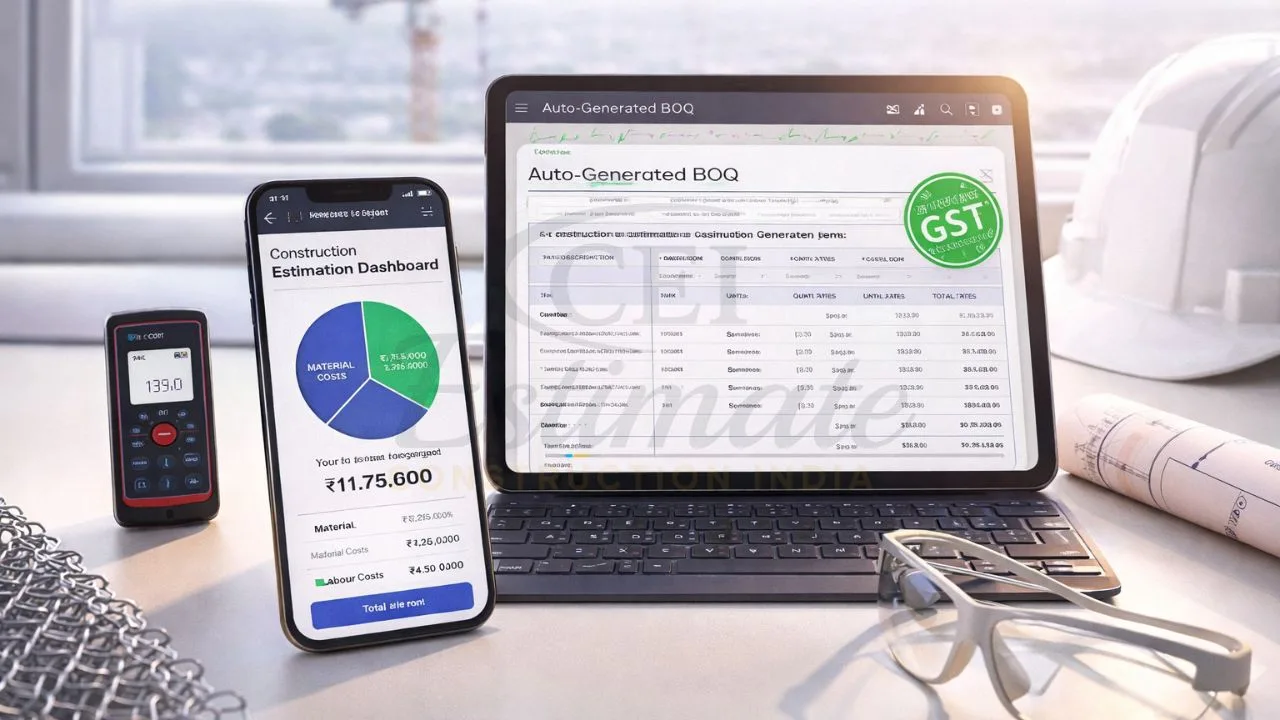
Construction estimating tools are now a core part of how modern projects are planned, priced, and approved. In construction and industrial work, estimating is not only about calculating cost. It determines whether a project can move forward, whether a bid is competitive, and whether the final result will stay within budget. As projects become larger and more complex, manual calculations are no longer enough. Digital systems are used to perform quantity takeoffs, manage pricing data, and improve bid accuracy.
Today, estimating is closely connected to scheduling, procurement, and project management software. Information must move quickly from drawings to numbers, and from numbers to financial decisions. Because of this, companies rely on construction estimating tools to reduce errors, standardize calculations, and make cost planning more reliable.
Why Construction Estimating Tools Matter More Today
In the past, estimates were often prepared using spreadsheets or even paper calculations. This approach worked for small projects, but it became difficult to manage when projects involved thousands of components and multiple suppliers. Even a small mistake in quantity or price could create a large difference in the final cost.
Modern projects also move faster than before. Owners expect quick budgets, contractors must prepare bids under tight deadlines, and developers need accurate numbers before approving investment. Without digital support, estimating teams may not have enough time to review every detail.
This is one reason why construction estimating tools have become standard in many companies. Software helps organize drawings, calculate quantities, and connect costs to real data instead of rough assumptions. When estimates are more accurate, project decisions become more reliable.
Another reason estimating tools are more important today is the increased focus on risk control. Investors, lenders, and project owners want to understand the cost before work begins. A detailed estimate supported by digital data gives more confidence than a simple manual calculation.
What Construction Estimating Tools Actually Do
Estimating software is designed to turn technical information into cost information. The process usually begins with drawings or models and ends with a complete budget. Between these two steps, the software performs several tasks that would otherwise require many hours of manual work.
One of the main functions is quantity calculation. The program reads drawings or digital models and measures lengths, areas, and volumes. These quantities are then connected to unit prices stored in the system.
Another function is cost calculation. Once quantities are known, the software multiplies them by material, labor, and equipment costs. This creates a detailed estimate that can be adjusted if prices change.
Modern construction estimating tools also help track revisions. When drawings are updated, the quantities can be recalculated automatically, which prevents outdated numbers from being used in the final estimate.
In addition, estimating tools often connect with other systems. Cost information may be linked to procurement software, scheduling platforms, or accounting programs. This integration allows project teams to use the same data throughout the entire workflow.
Digital Takeoff: The First Step in Modern Estimating
The first stage of most estimates is the takeoff, which means measuring quantities from drawings. In the past, this work was done manually using printed plans and calculators. Today, many companies use digital takeoff tools to speed up the process and reduce mistakes.
Digital takeoff allows estimators to measure directly on screen. Lines, areas, and volumes can be calculated automatically, and the results are stored in the project file. This makes it easier to update the estimate when drawings change.
Common advantages of digital takeoff include:
- Faster measurement compared to manual methods
- Better accuracy when drawings are complex
- Easy revision when new drawings are issued
- Direct connection to estimating software
- Clear record of how quantities were calculated
Because the takeoff stage affects every number that comes later, improving this step has a strong influence on the final result. When construction estimating tools include reliable takeoff functions, the entire estimate becomes more consistent.
How Cost Databases Improve Estimate Reliability
After quantities are calculated, the next step is assigning prices. This is where the cost database becomes important. A cost database is a collection of material prices, labor rates, and equipment costs that can be used to build estimates quickly.
Instead of entering prices manually for every project, estimators can select items from the database. This makes the process faster and helps keep estimates consistent across different jobs. When prices change, the database can be updated without rebuilding the entire estimate.
Cost databases often include historical information from previous projects. This allows estimators to compare current prices with past results and identify unusual changes. Using real data improves bid accuracy and reduces the risk of underestimating cost.
Regional differences are another reason databases are useful. Material and labor costs may vary depending on location, so the database can store different values for different regions. This makes it easier to prepare estimates for projects in multiple countries or markets.
Reliable pricing data is one of the main reasons companies invest in construction estimating tools. Without accurate cost information, even the best quantity calculations cannot produce a correct budget.
From Drawings to Numbers: The Estimating Workflow
The estimating process usually follows a clear sequence. First, the estimator reviews the drawings or digital model. Next, quantities are measured using digital takeoff. After that, unit prices are applied from the cost database, and the total cost is calculated.
When this workflow is handled manually, each step requires separate files and calculations. This increases the chance of errors, especially when drawings change. Modern construction estimating tools connect these steps so that information flows automatically.
For example, when a wall length changes in the drawing, the quantity updates in the takeoff, and the total cost changes in the estimate. This automatic update helps maintain consistency between design and budget.
The workflow also makes it easier to review the estimate. Because every number is linked to a quantity and a price, the estimator can check where each cost comes from. This transparency improves confidence in the final result.
Bid Accuracy and Why It Determines Project Success
In competitive projects, the quality of the estimate often decides who wins the contract. If the bid is too high, the company may lose the job. If the bid is too low, the project may lose money. This balance makes bid accuracy one of the most important goals of estimating.
Accurate bids depend on good quantities, reliable prices, and careful review. When any of these elements is missing, the estimate may not reflect the real cost of the work. Digital systems help reduce this risk by organizing data and checking calculations automatically.
Using construction estimating tools does not guarantee perfect results, but it makes errors easier to find. When the estimate is built from structured data instead of manual notes, the team can review each part and correct mistakes before the bid is submitted.
For companies that work on large industrial or infrastructure projects, improving bid accuracy can make the difference between profit and loss. This is why estimating software is now considered a strategic tool rather than only a technical one.
Integration Between Estimating Tools and Project Systems
Modern projects rarely use estimating software alone. Cost information must connect with scheduling, procurement, and financial systems so that the same data can be used throughout the project lifecycle. Because of this, many companies choose construction estimating tools that support integration with other platforms.
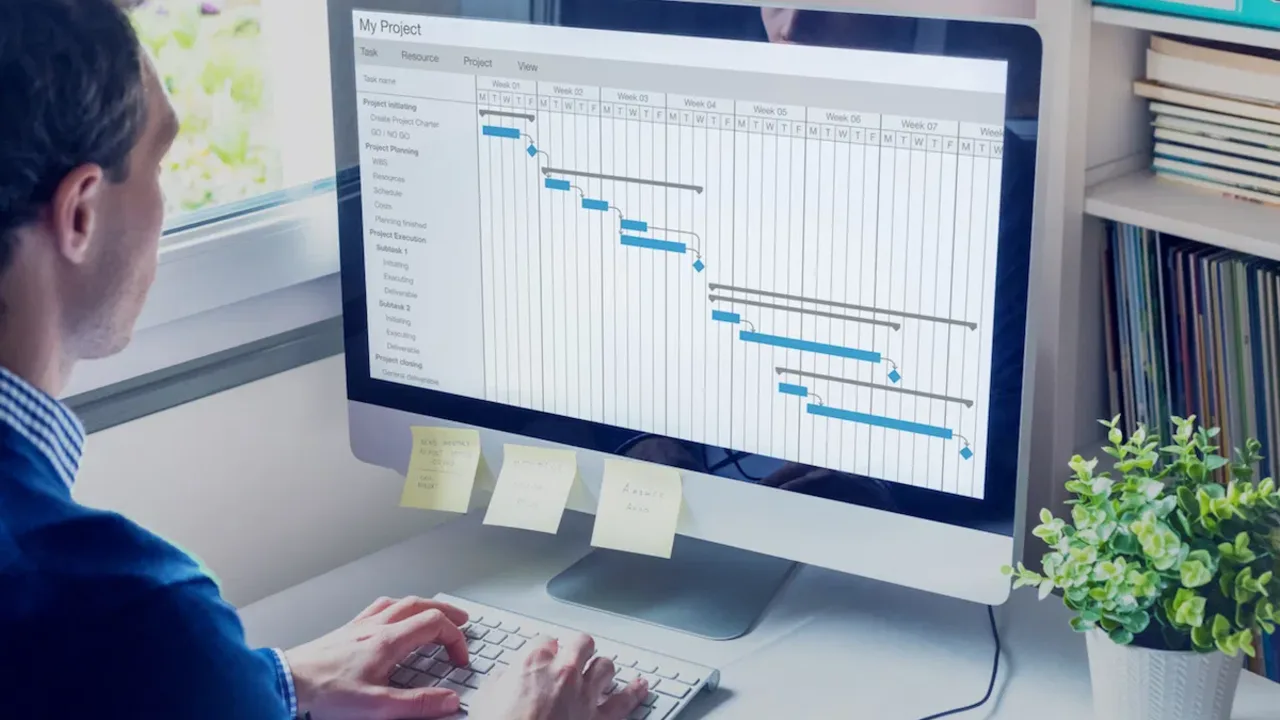
When estimating tools are connected to scheduling software, quantities and costs can be linked to project timelines. This allows teams to see how changes in schedule affect the budget. If a delay increases labor time, the estimate can be updated automatically instead of recalculated manually.
Integration with procurement systems is also important. Material quantities from the estimate can be used to create purchase plans, and actual prices can be compared with the original budget. This helps control cost during construction and reduces the chance of unexpected expenses.
Some companies also connect estimating tools with BIM or design software. When the model changes, quantities update in the estimate, which keeps the budget aligned with the latest drawings. This workflow makes construction estimating tools part of a larger digital environment instead of a separate task.
Common Mistakes When Using Estimating Software
Even with advanced software, estimating can still produce incorrect results if the data is not managed carefully. One common mistake is using outdated prices in the cost database. Material and labor costs change over time, and estimates based on old data may not reflect current market conditions.
Another problem occurs when quantities are incomplete. If items are missing during digital takeoff, the estimate may look accurate but still be wrong. This is especially risky in large projects where small omissions can add up to significant cost differences.
Incorrect assumptions are another source of error. Estimators may use standard values even when the project requires special conditions. Transportation cost, site difficulty, or unusual equipment can all affect the final price.
Organization also matters. When project files are not structured clearly, it becomes difficult to review the estimate. Good construction estimating tools help manage data, but the team must still follow a consistent method.
These mistakes show that software improves accuracy only when it is used with proper procedures and careful review.
Construction Estimating Tools in Large Industrial Projects
Industrial projects often involve more disciplines than ordinary building work. A single project may include structural steel, mechanical equipment, electrical systems, and civil works. Each discipline has different materials, labor rates, and installation methods, which makes estimating more complex.
In these situations, construction estimating tools allow different teams to work on the same project while keeping the data consistent. Each discipline can prepare its own quantities and costs, and the software combines them into one total estimate.
Large projects also require detailed tracking of revisions. When the design changes, the estimate must be updated quickly to keep the budget accurate. Digital tools make this possible by linking quantities to drawings and prices to the cost database.
Because industrial projects often involve high value contracts, accurate estimating is essential for both owners and contractors. Reliable numbers help investors decide whether the project is feasible and help contractors prepare competitive bids.
Cloud-Based Estimating and Team Collaboration
Many companies now use cloud-based platforms for estimating instead of local software. Online systems allow multiple users to work on the same project at the same time, which is useful for large teams or projects in different locations.
Cloud estimating also makes it easier to share a central cost database. Instead of storing prices on individual computers, the company can maintain one database that everyone uses. When prices are updated, the change applies to all estimates automatically.
Another advantage is version control. When several people work on the same estimate, the system keeps track of changes so that errors can be corrected. This reduces confusion and improves bid accuracy.
Collaboration features have made construction estimating tools more important than before, because estimating is no longer done by one person. It is part of a team process that includes engineering, procurement, and project management.
Choosing the Right Estimating Tools for a Company
Different companies need different types of estimating software. Small contractors may only need basic tools for quantity takeoff and cost calculation, while large organizations may require full integration with accounting, scheduling, and procurement systems.
Project type also affects the choice. Companies that work on industrial or infrastructure projects often need more detailed cost control, while residential builders may prefer simpler systems that are easier to use.
When selecting construction estimating tools, companies usually consider several factors:
- Ability to perform accurate digital takeoff
- Quality and flexibility of the cost database
- Integration with other project software
- Ease of use for the estimating team
- Support for large or multi-discipline projects
The best tool is not always the most complex one. The goal is to choose software that matches the company’s workflow and allows estimates to be prepared quickly without losing accuracy.
Industry references and software providers often publish guidance on modern estimating methods, such as the resources available from RSMeans construction cost data, which show how cost databases and digital takeoff systems are used to improve estimate reliability in professional projects.
Future Trends in Construction Estimating Tools
Estimating technology continues to develop as projects become more digital. New systems can read information directly from 3D models, reducing the need for manual measurement. Artificial intelligence is also being used to suggest prices based on past projects and current market data.
Real-time cost updates are another trend. Instead of using static price lists, some systems connect to online data sources so that the estimate reflects current market conditions. This helps improve bid accuracy, especially when material prices change quickly.
Automation is also increasing. Repetitive tasks such as quantity calculation or report generation can be handled by software, allowing estimators to focus on analysis instead of manual work.
As these technologies develop, construction estimating tools will become more closely connected to the rest of the project workflow. Estimating will not only support bidding, but also planning, scheduling, and cost control.
Why Estimating Tools Are Now Part of Strategic Planning
Estimating used to be seen mainly as preparation for bidding, but today it is part of strategic decision making. Developers use estimates to study feasibility, contractors use them to plan resources, and investors use them to evaluate risk.
Accurate estimates help companies decide which projects to pursue and which ones to avoid. When numbers are based on reliable data, decisions can be made with more confidence. This is why many organizations treat construction estimating tools as an essential part of their business systems.
Estimating is also connected to long-term planning. Cost information from previous projects can be stored in the cost database and used for future work. Over time, this data becomes one of the most valuable resources a company has.