CNC Cutting Basics: What Non-Engineers Should Know

CNC cutting basics are essential knowledge for anyone involved in manufacturing decisions, even if they are not engineers. In 2026, procurement managers, project leaders, founders, and operations teams are increasingly expected to understand how cutting processes influence cost, quality, and delivery timelines.
CNC cutting often happens behind the scenes, yet it directly affects everything that follows—from welding and assembly to surface finishing and final inspection. A small misunderstanding at the cutting stage can multiply into delays, rework, and budget overruns later in the production cycle.
This guide explains CNC cutting basics in clear, non-technical language. Instead of focusing on machine specifications, it looks at how CNC cutting influences real business outcomes, helping non-engineers make better-informed decisions when reviewing quotes, timelines, and supplier capabilities.
Why CNC Cutting Matters Even If You’re Not an Engineer
Many non-engineers assume that cutting is a simple, standardized step: you provide drawings, and the material is cut accordingly. In reality, CNC cutting decisions shape cost structure, production speed, and final accuracy.
Understanding CNC cutting basics matters because cutting quality determines how smoothly downstream processes operate. Poor cutting accuracy can cause fit-up issues, welding distortion, or assembly delays, all of which increase labor hours and risk.
For decision-makers, CNC cutting influences:
- Lead time – inefficient cutting slows the entire workflow.
- Cost predictability – rework and scrap inflate budgets.
- Supplier reliability – cutting capability reflects process maturity.
- Production scalability – repeatability supports volume growth.
Without a basic understanding of CNC cutting, non-engineers often struggle to evaluate why two suppliers quote different prices for what appears to be the same job.
Where CNC Cutting Fits in the Manufacturing Workflow
CNC cutting sits at the intersection of design and fabrication. It translates digital drawings into physical components that must align precisely with subsequent processes.
If cutting errors occur, they propagate forward. Welding tolerances tighten, assembly takes longer, and corrective work becomes necessary. This is why mastering CNC cutting basics early helps prevent compound issues later in production.
CNC Cutting Basics: What the Process Actually Does
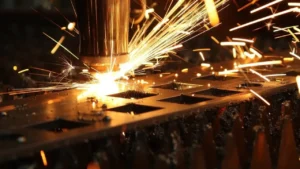
At its core, CNC cutting is a computer-controlled process that moves a cutting tool along programmed paths to separate material with high consistency. The CNC system controls motion, speed, and positioning based on digital input.
Unlike manual cutting, CNC cutting removes human variability from the equation. Each part is cut following the same instructions, which is critical for batch production and repeatability.
Understanding CNC cutting basics means recognizing that the machine itself is only one part of the system. Software, material preparation, and operator setup all influence the final result.
Common CNC Cutting Methods Explained Simply
There are several CNC cutting methods commonly used in industrial fabrication. Non-engineers do not need to master technical details, but understanding the logic behind each method is useful.
- Flame cutting – suitable for very thick plates, slower, and heat-intensive.
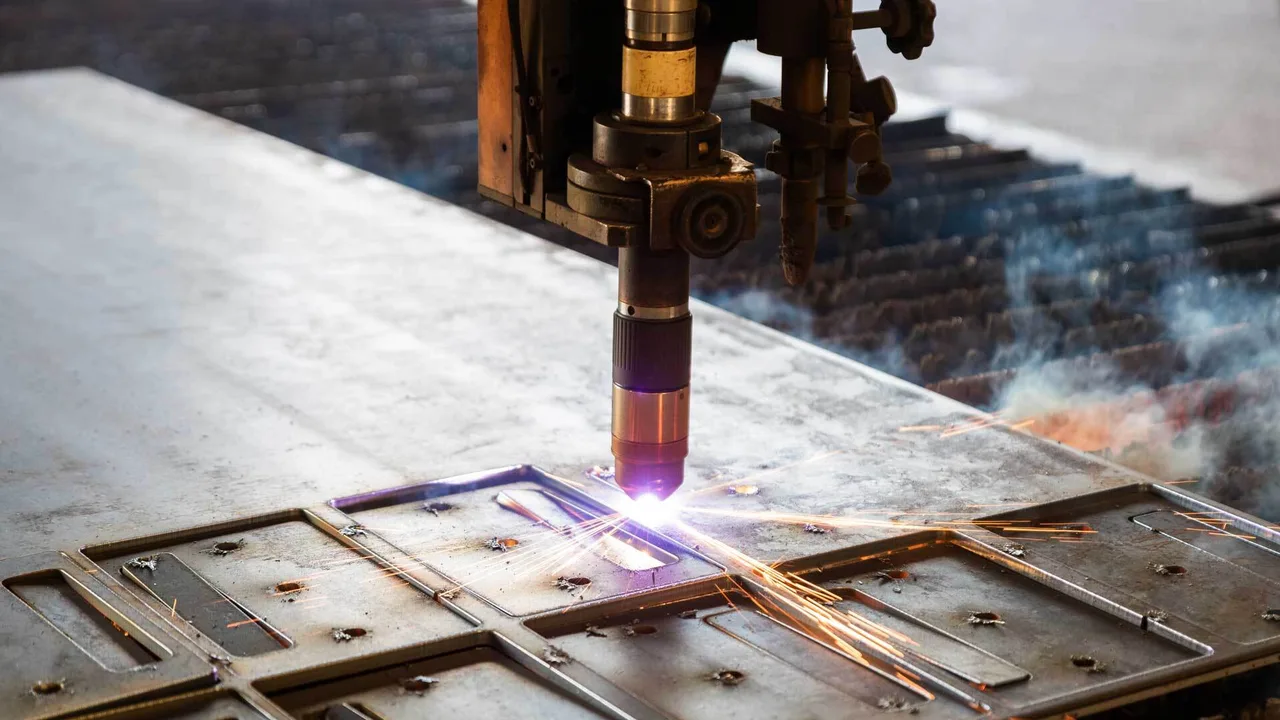
- Plasma cutting – faster, versatile, and widely used for structural components.
- Laser cutting – high precision, clean edges, typically for thinner plates.
Each method balances speed, accuracy, and cost differently. Knowing CNC cutting basics helps non-engineers ask the right questions when a supplier recommends one method over another.
Plate Cutting: Why Material Type Changes Everything
Plate cutting is one of the most common CNC cutting applications in industrial manufacturing. It involves cutting flat steel plates into specific shapes and dimensions before further processing.
Many non-engineers underestimate how much material characteristics affect plate cutting outcomes. Thickness, steel grade, and surface condition all influence cutting speed and accuracy.
In practical terms, CNC cutting basics include understanding that plate cutting is not just about geometry. Material behavior under heat and stress plays a major role in final quality.
Thickness, Heat, and Deformation Risks
As plate thickness increases, heat input becomes more significant. Excessive heat can cause warping or distortion, affecting dimensional accuracy.
For non-engineers, the key takeaway from CNC cutting basics is that tighter tolerances and thicker plates often increase cost and lead time. These trade-offs should be evaluated early rather than discovered during production.
Accuracy: What It Really Means (and What It Doesn’t)
Accuracy is one of the most misunderstood aspects of CNC cutting. Many assume that higher accuracy is always better, regardless of application.
In reality, accuracy must be defined in context. Extremely tight tolerances increase cutting time, setup complexity, and inspection requirements. In some cases, this level of precision adds cost without improving final performance.
Understanding CNC cutting basics allows non-engineers to distinguish between necessary accuracy and over-engineering.
When Higher Accuracy Actually Creates Problems
Over-specifying accuracy can slow production and increase rejection rates. Suppliers may need to reduce cutting speed or add secondary processes, driving up cost.
By applying CNC cutting basics pragmatically, non-engineers can align accuracy requirements with functional needs rather than theoretical perfection.
Nesting Software: The Hidden Cost Saver in CNC Cutting
One of the least visible yet most influential elements of CNC cutting basics is nesting software. While machines execute the cuts, nesting software determines how efficiently material is used before cutting even begins.
Nesting software arranges individual parts on a plate to minimize waste, reduce cutting time, and optimize machine movement. For non-engineers, this step often goes unnoticed, yet it directly affects material cost, production speed, and overall pricing.
In practical terms, better nesting means fewer plates consumed, less scrap generated, and shorter machine runtime. These efficiencies compound quickly in large production batches, making nesting a critical component of effective CNC cutting basics.
How Nesting Decisions Affect Final Pricing
Two suppliers can receive identical drawings and still quote very different prices. One common reason is how well each supplier uses nesting software.
Efficient nesting reduces material waste and machine hours, both of which are major cost drivers. Poor nesting, on the other hand, leads to higher scrap rates and longer cutting cycles. Understanding this aspect of CNC cutting basics helps non-engineers recognize that pricing differences often reflect process efficiency rather than arbitrary markups.
Common Misunderstandings Non-Engineers Have About CNC Cutting
Many misconceptions about CNC cutting persist outside engineering teams. These misunderstandings can lead to unrealistic expectations, misaligned specifications, and strained supplier relationships.
- “All CNC cutting is the same.” In reality, machine condition, software capability, and operator experience vary widely.
- “Higher price always means higher accuracy.” Cost often reflects setup complexity, batch size, and nesting efficiency rather than precision alone.
- “Cutting is just a preliminary step.” Errors at this stage affect every downstream process.
Clarifying these points is a core goal of learning CNC cutting basics, especially for non-engineers involved in procurement or project coordination.
How CNC Cutting Basics Improve Decision-Making
When non-engineers understand CNC cutting basics, conversations with suppliers become more productive. Instead of focusing solely on unit price, decision-makers can evaluate process capability, risk, and scalability.
This knowledge improves several areas of decision-making:
- RFQ evaluation – understanding why certain assumptions affect cost.
- Timeline negotiation – recognizing realistic production constraints.
- Supplier comparison – distinguishing efficiency from overengineering.
- Change management – anticipating the impact of design revisions.
Rather than replacing engineering expertise, CNC cutting basics empower non-engineers to ask better questions and avoid preventable misunderstandings.
CNC Cutting as a Repeatable Process, Not a One-Off Task
In modern manufacturing, CNC cutting is rarely a one-time activity. It is a repeatable process that must deliver consistent results across batches, projects, and timelines.
From this perspective, CNC cutting basics emphasize process stability over isolated performance. Repeatability, documentation, and digital control are often more valuable than marginal gains in speed or precision.
For organizations scaling production, this mindset reduces operational risk and supports long-term planning.
Accuracy, Efficiency, and the Trade-Off Mindset
One of the most valuable insights from CNC cutting basics is understanding trade-offs. Accuracy, speed, and cost are interconnected, and optimizing one often affects the others.
Non-engineers who recognize these trade-offs are better positioned to align technical decisions with business priorities. Instead of defaulting to the tightest tolerances, they can evaluate what level of accuracy is truly necessary for the application.
This balanced approach prevents over-specification and supports smoother collaboration between technical and commercial teams.
Final Thoughts: CNC Cutting Basics as Business Knowledge
CNC cutting may appear technical, but its impact is fundamentally commercial. Cost efficiency, lead time reliability, and product consistency all begin at the cutting stage.
By understanding CNC cutting basics, non-engineers gain insight into how manufacturing decisions are made and why certain constraints exist. This awareness leads to better planning, clearer communication, and more realistic expectations.
Ultimately, CNC cutting is not just about machines and software—it is about building predictable, scalable processes that support long-term business outcomes.