Handover Documentation That Prevents Warranty Disputes in Steel Projects
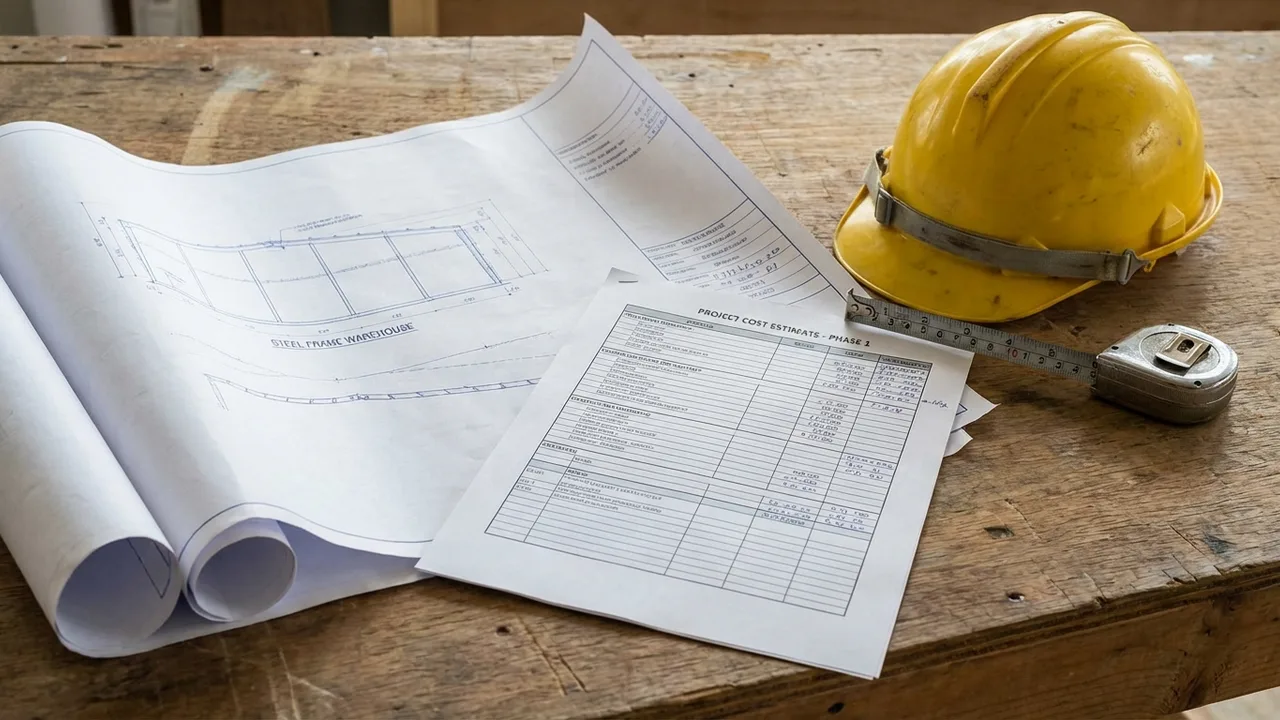
Steel project handover documents define how responsibility shifts from contractor to owner, but more importantly, they determine whether future warranty claims become straightforward or turn into disputes. In steel construction, where fabrication precision, installation sequencing, and material performance all intersect, incomplete documentation can quickly create confusion about what was delivered versus what was specified.
Unlike general construction, steel projects rely heavily on recorded evidence. Fabrication tolerances, welding quality, coating systems, and structural alignment all need verification. If these records are missing or inconsistent, even minor defects can escalate into contractual disagreements during the defect liability period.
Why Steel Project Handover Documents Matter More Than People Think
The transition from construction industry to operation is not just a physical handover—it is a legal and technical boundary. Once a project is handed over, the owner assumes operational responsibility, while the contractor remains liable for defects defined under warranty terms. This boundary is only as clear as the documentation that supports it.
In practice, many disputes are not caused by actual structural failure, but by unclear records. Without proper steel project handover documents, it becomes difficult to determine whether an issue originated from design, fabrication, installation, or maintenance.
This is why experienced developers treat documentation as part of risk management, not as an administrative task at the end of the project.
What Typically Goes Wrong During Project Handover
Despite its importance, the handover stage is often rushed. Projects are under pressure to close, and documentation becomes a secondary priority. This leads to gaps that may not be visible immediately but create problems later.
- As-built drawings do not reflect actual site conditions
- Inspection reports are incomplete or missing signatures
- Punch list items remain unresolved but are marked as closed
- Material certificates are not properly compiled
- Different document versions exist without clear control
These issues are common across projects and often become the starting point of warranty disputes. The absence of clear steel project handover documents makes it difficult to verify what was actually delivered at the time of completion.
Core Components of Steel Project Handover Documents
A complete handover package is not a single file but a structured collection of records that together describe the finished project. Each document serves a specific purpose and provides evidence for different aspects of the work.
| Document Type | Purpose | Risk if Missing |
|---|---|---|
| As-built drawings | Show actual constructed conditions | Incorrect maintenance or future modification errors |
| Inspection reports | Verify quality and compliance | Disputes over workmanship and defects |
| Material certificates | Confirm material specifications | Uncertainty about structural performance |
| Welding records | Track welding quality and procedures | Liability issues in structural joints |
| Punch list records | Document unresolved items and corrections | Confusion about completion status |
Each of these elements contributes to the overall reliability of steel project handover documents. Missing even one component can create gaps in accountability.
As-Built Drawings and Their Role in Warranty Clarity
As-built drawings are often treated as a formality, but they are one of the most critical documents in the entire handover process. Unlike design drawings, which represent the intended structure, as-built drawings reflect what was actually constructed on site.
In steel projects, small deviations can have significant implications. Changes in connection details, member sizes, or installation sequences must be accurately recorded. If the as-built drawings do not match reality, future maintenance teams may rely on incorrect information.
During warranty claims, these drawings are often used as a reference point. If a defect appears, the first question is whether the structure was built according to the approved design. Without accurate as-built documentation, it becomes difficult to answer that question.
This is why steel project handover documents must include verified and updated as-built drawings, not just copies of the original design.
Inspection Reports as Evidence, Not Just Formality
Inspection reports provide documented proof that the work meets required standards. In steel construction, inspections cover multiple areas, including structural alignment, welding quality, coating thickness, and bolt installation.
These reports are not only technical records but also legal evidence. When disputes arise, inspection reports are often used to determine whether the contractor fulfilled the required quality standards. Reports that are incomplete, unsigned, or inconsistent may be challenged during claims.
Key types of inspection reports include:
- Welding inspection records, including visual and non-destructive testing
- Coating and corrosion protection checks
- Dimensional and alignment verification
- Third-party inspection approvals
The reliability of steel project handover documents depends heavily on the quality of these inspection records. They provide the factual basis for resolving technical disagreements.
Punch List Management and Final Close-Out
The punch list represents all remaining items that must be completed or corrected before final acceptance. In steel projects, these items may include minor structural adjustments, coating repairs, or missing components.
While punch list items are usually small, they can become major sources of conflict if not properly managed. Disputes often arise when contractors consider items complete while owners believe additional work is required.
Effective punch list management involves:
- Clearly defining each item and its required action
- Assigning responsibility for completion
- Verifying completion through inspection
- Recording acceptance with proper documentation
When punch list records are included in steel project handover documents, they provide clarity on what was completed and what remains under warranty responsibility.
How Documentation Prevents Warranty Disputes
Warranty disputes often begin with uncertainty. When documentation is incomplete, both parties may have different interpretations of what was delivered. Clear records reduce this uncertainty by providing objective evidence.
Well-prepared documentation defines the scope of work, confirms compliance with specifications, and records the condition of the project at handover. This makes it easier to identify whether a defect is due to construction quality, design limitations, or operational factors.
In this way, steel project handover documents act as a reference point that protects both contractors and owners. Instead of relying on assumptions, both sides can refer to documented facts.
Common Gaps That Lead to Claims and Conflicts
Even when a handover package appears complete, small gaps in documentation can create significant problems later. These gaps are often not obvious at the time of project completion but become critical when defects or performance issues arise.
- Inspection reports without final approval signatures
- As-built drawings that were never updated after site changes
- Unclear acceptance criteria for structural tolerances
- Multiple document versions without proper control
- Missing records for corrective work during construction
- Inconsistent data between drawings and reports
These issues reduce the reliability of steel project handover documents and create room for interpretation. When both parties interpret the same situation differently, disputes become almost unavoidable.
In many cases, the problem is not the absence of documentation, but the lack of consistency across documents. A drawing may show one condition, while an inspection report indicates another. Without alignment, it becomes difficult to determine which record reflects the actual situation.
Integration Between Documentation and Project Execution
One of the most common mistakes in construction projects is treating documentation as a final-stage activity. In reality, documentation should be integrated into the entire project lifecycle. Waiting until the end to compile records often leads to missing or inaccurate information.
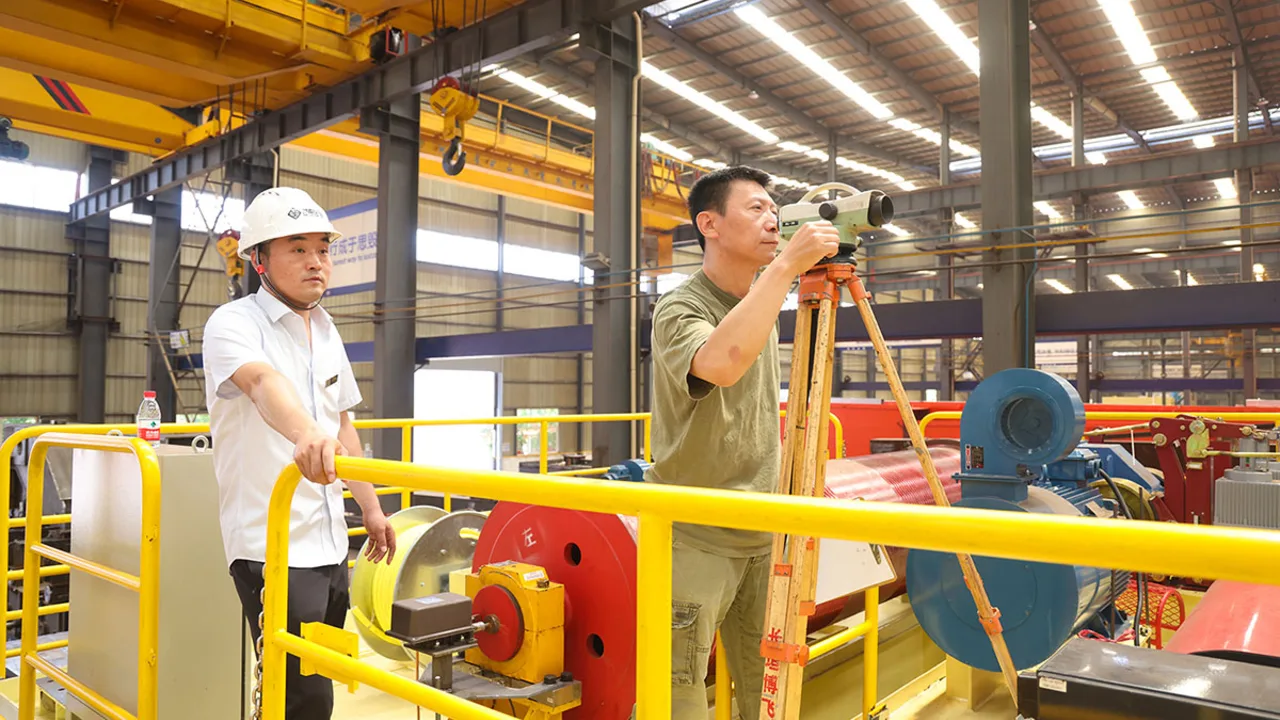
In steel projects, documentation must follow fabrication, transportation, and installation activities in real time. Welding records, inspection results, and material certificates should be collected and verified as the work progresses. This approach ensures that steel project handover documents are accurate and complete when the project reaches completion.
Digital tools have made this integration easier. Site teams can now record inspection data directly into centralized systems, reducing the risk of lost documents. Many companies also use document control platforms to manage versions and ensure consistency.
Industry guidance on construction quality records often emphasizes early documentation practices, as highlighted in resources like ISO quality management frameworks, which underline the importance of traceability in engineering projects.
Steel Projects vs Other Construction Types
Steel construction has characteristics that make documentation more critical compared to other building types. The combination of off-site fabrication and on-site assembly creates a dependency on accurate records.
Unlike cast-in-place materials, steel components are manufactured with precise specifications before arriving on site. Any deviation in fabrication or installation must be recorded and verified. This makes steel project handover documents essential for tracking the entire process.
Another factor is the complexity of connections. Bolted and welded joints require detailed inspection and documentation to confirm that they meet design requirements. Without these records, it is difficult to assess structural performance during warranty claims.
Because of these factors, steel projects typically generate more technical documentation than other types of construction. This increases both the importance and the challenge of managing the handover process.
Digital Tools and the Evolution of Handover Documentation
The traditional approach to documentation relied heavily on paper records and manual filing systems. Today, digital platforms are transforming how handover packages are created and managed.
Modern systems allow teams to:
- Store documents in centralized cloud platforms
- Track revisions with version control
- Link inspection data directly to specific components
- Access records in real time across different locations
These tools improve the accuracy and accessibility of steel project handover documents. Instead of searching through multiple files, stakeholders can quickly retrieve the information they need.
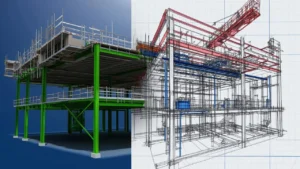
BIM-based handover is another emerging trend. In this approach, project data is embedded within a digital model, allowing owners to access information about each component directly. This creates a more integrated and efficient handover process.
What Owners Expect vs What Contractors Deliver
One of the main causes of disputes is the gap between expectations and actual deliverables. Owners often expect a complete, well-organized documentation package, while contractors may focus primarily on construction completion.
This mismatch can lead to disagreements over what constitutes a “complete” handover. Owners may request additional records, clarifications, or revisions after the project is officially handed over. Contractors, on the other hand, may consider these requests outside the original scope.
Clear communication early in the project can reduce this gap. Defining the structure and content of steel project handover documents before construction begins helps align expectations.
Time pressure is another factor. As project deadlines approach, teams may rush to finalize documentation. This increases the likelihood of errors, omissions, and inconsistencies, which later become sources of conflict.
Best Practices for Clean Handover in Steel Projects
Achieving a smooth handover requires planning, coordination, and consistent execution. The following practices help ensure that documentation supports a clear and dispute-free transition:
- Define documentation requirements at the contract stage
- Use standardized templates for all records
- Integrate documentation into daily project activities
- Implement a document control system for version tracking
- Conduct internal audits before final handover
- Align contractor and owner expectations early
These practices improve the quality of steel project handover documents and reduce the risk of misunderstandings. Instead of reacting to problems after completion, teams can prevent disputes by maintaining clear and consistent records throughout the project.
Ultimately, documentation is not just a requirement—it is a tool for protecting all parties involved. In steel construction, where precision and accountability are critical, a well-prepared handover package provides the clarity needed to avoid conflicts and ensure long-term project success.