Why Project Teams Standardize Connection Details Across Buildings
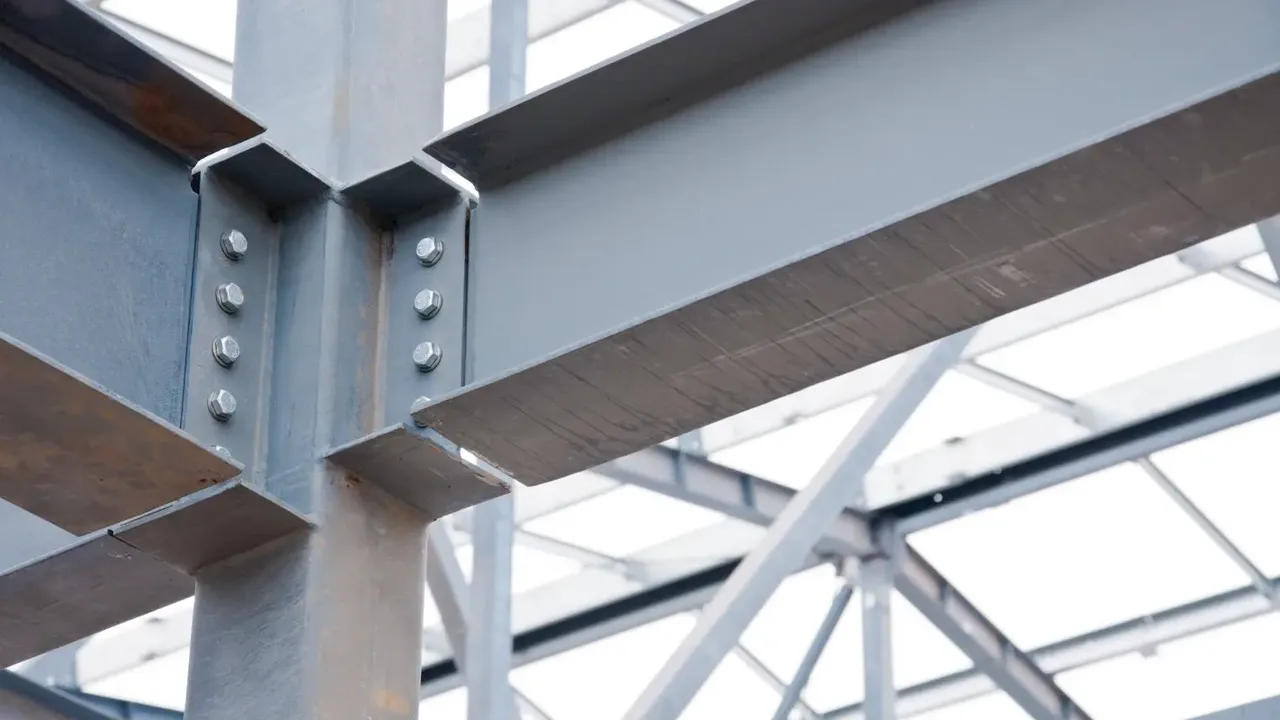
In structural steel projects, connection details often determine whether execution runs smoothly or becomes burdened with revisions and delays. While primary members attract most design attention, it is the repetitive interfaces—beam-to-column joints, brace connections, and base plates—that shape constructability and production rhythm.
For this reason, many experienced teams adopt a standardized steel connection strategy across multiple buildings. By reducing unnecessary variation and organizing repeatable solutions inside a structured detail library, project teams improve design efficiency, increase fabrication speed, and create more predictable installation workflows.
Small Structural Decisions Shape Large Outcomes
Every connection requires engineering validation, drafting time, shop interpretation, and field installation effort. When each building introduces new geometries or bolt configurations, complexity multiplies across departments.
Variability often results in:
- Longer structural analysis cycles
- Repeated drawing revisions
- Increased coordination meetings
- Higher risk of fabrication misinterpretation
A disciplined standardized steel connection framework minimizes these friction points by converting commonly used details into controlled, reusable templates.
What Is a Standardized Steel Connection?
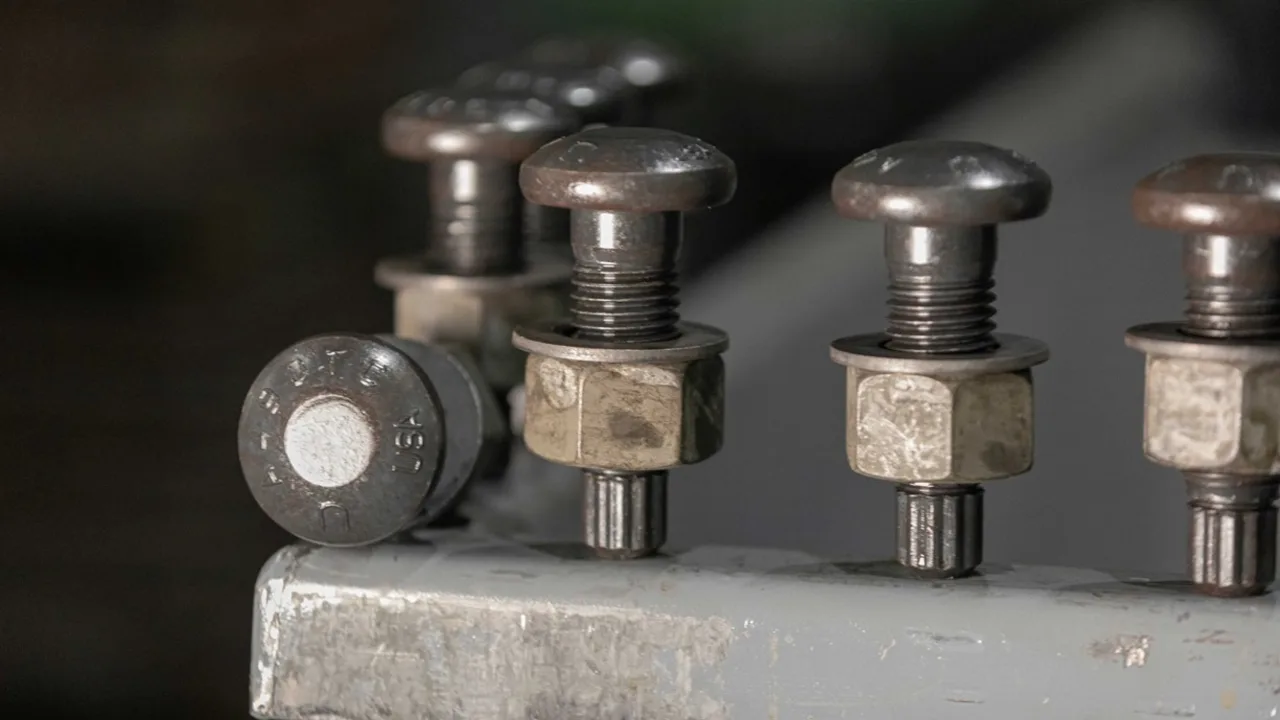
A standardized steel connection is a pre-engineered connection detail designed for repeat application within defined load ranges and member sizes. Rather than designing each interface from scratch, engineers select from validated configurations that meet performance and code requirements.
Typical examples include:
- Beam-to-column shear tab connections
- Moment end-plate assemblies
- Column base plate families for common axial loads
- Brace-to-gusset plate details with predefined bolt patterns
Standardization does not eliminate engineering checks. Instead, it narrows options to proven configurations, allowing faster validation while maintaining structural integrity.
Why Variability Slows Multi-Building Programs
In campus-style developments or repeat warehouse programs, minor design differences across buildings can create cumulative inefficiencies.
From a design standpoint:
- Engineers must recalculate similar load cases repeatedly.
- Detailers generate new drawing sets for nearly identical conditions.
- Approval timelines extend due to incremental changes.
From a production standpoint:
- Shop teams face unfamiliar plate layouts.
- Fixture setups change frequently.
- Weld sequencing must be adjusted per building.
Over multiple structures, these variations reduce throughput and undermine both design efficiency and schedule predictability.
Design Efficiency Gains from Standardization
One of the strongest arguments for a standardized steel connection approach is measurable improvement in design efficiency. When reusable connection families are established, engineers benefit from:
- Reduced repetitive calculations
- Faster BIM modeling workflows
- Streamlined internal QA reviews
- Fewer late-stage IFC revisions
Instead of recreating connection logic, teams refine existing templates. This cumulative refinement strengthens technical accuracy while shortening delivery timelines.
Improved design efficiency also reduces the number of RFIs triggered by inconsistent detailing or ambiguous bolt layouts.
Building and Maintaining a Detail Library
A sustainable standardization strategy depends on a structured detail library. This library acts as a centralized repository of approved connection types, categorized for quick selection and consistent application.
An effective detail library typically includes:
- Connection drawings grouped by function and load range
- Member size compatibility charts
- Bolt grade and diameter standards
- Weld size and preparation specifications
- Reference calculations and code citations
Version control is critical. Each standardized detail should carry documented revision history and verification dates to ensure continued compliance with evolving codes.
When integrated into digital modeling platforms, the detail library supports faster coordination between engineering and fabrication teams.
Impact on Fabrication Speed
Repetition in the shop environment directly improves fabrication speed. Familiarity reduces hesitation and setup time, allowing crews to maintain steady production flow.
Standardized connections enable:
- Consistent jig and fixture usage
- Reduced tool changes
- Optimized cutting patterns for plates
- Predictable weld sequencing
When bolt diameters and plate thicknesses are aligned across projects, material preparation becomes more efficient. Over time, cumulative gains in fabrication speed can significantly shorten overall project delivery.
Procurement and Material Alignment
Standardization also benefits procurement planning. With fewer variations in connection hardware and plate requirements, purchasing becomes more predictable.
Advantages include:
- Bulk procurement of standardized bolt grades
- Reduced inventory complexity
- Lower scrap from plate offcuts
- Improved cost forecasting accuracy
These efficiencies reinforce both shop productivity and broader project cost control.
Role of the Manufacturer in Driving Consistency
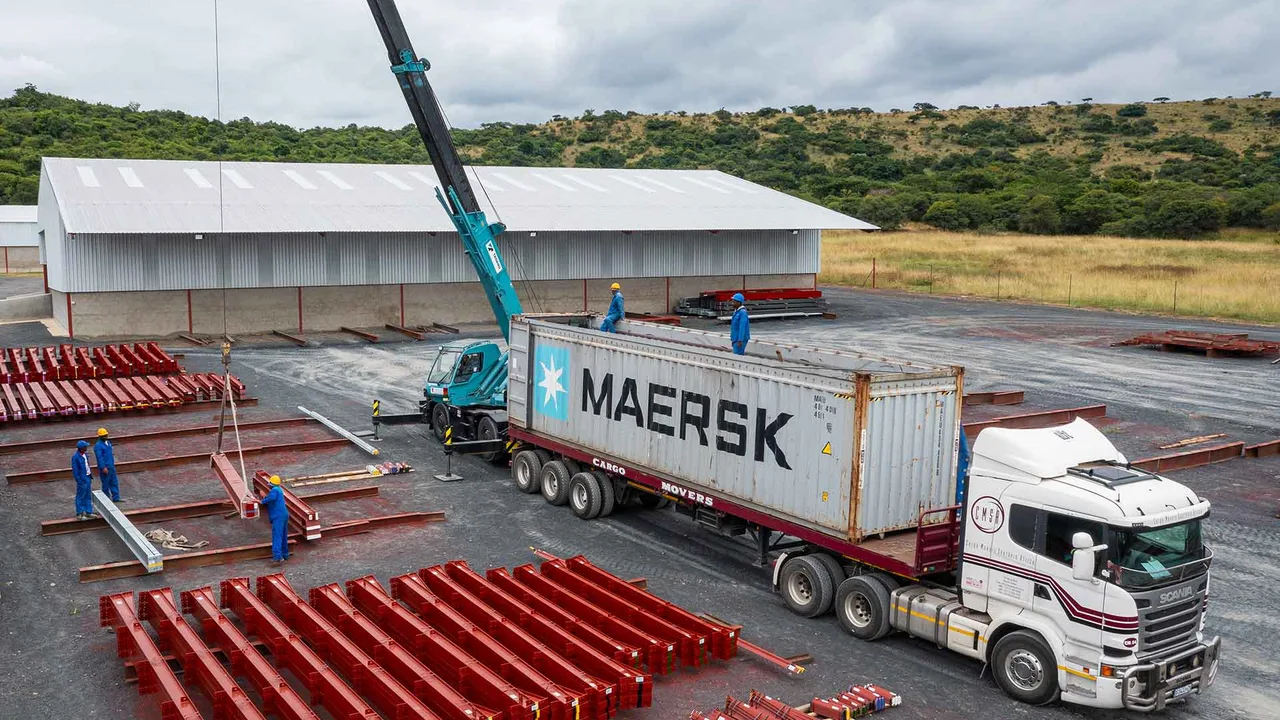
Connection standardization is most effective when design and fabrication teams collaborate closely. An experienced prefab steel structure manufacturer often develops internal systems that align engineering templates with shop capabilities.
This feedback loop allows continuous refinement of the detail library, ensuring that standardized details not only satisfy structural requirements but also optimize production flow. When manufacturers and engineers share data on cycle times and installation performance, the standardized steel connection framework evolves into a scalable operational system.
Field Installation Advantages
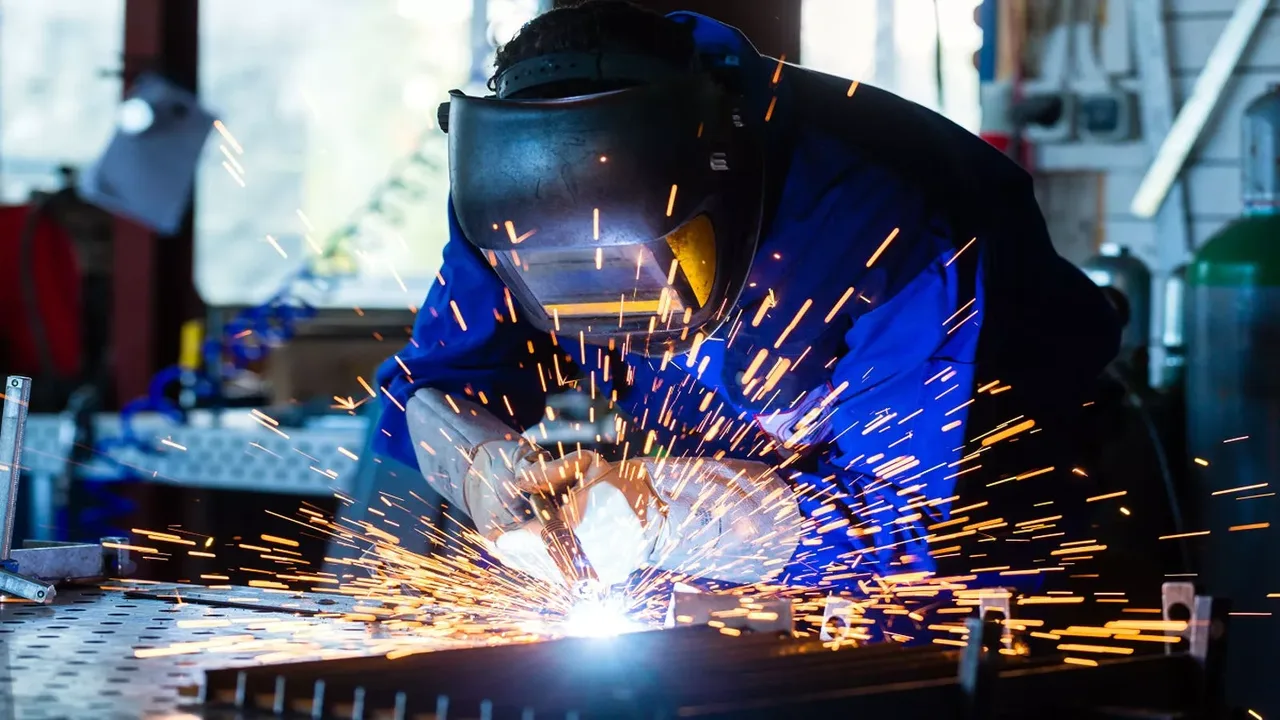
Standardization benefits extend beyond design offices and fabrication shops. On site, repetition improves execution rhythm. When erection crews repeatedly install the same bolt patterns, plate geometries, and access clearances, productivity increases naturally.
Field advantages include:
- Faster member alignment during lifting
- Reduced trial fitting and bolt mismatch
- More predictable torqueing sequences
- Lower installation error rates
A consistent standardized steel connection approach reduces learning curves between buildings within the same development. Instead of adapting to new connection layouts, crews apply familiar methods, improving both speed and safety performance.
Case Scenario: Multi-Building Industrial Campus
Consider a developer constructing five distribution warehouses within one industrial complex.
Scenario A: Custom Connection Details per Building
- Each structure uses slightly different beam-to-column details.
- Separate calculation packages are prepared for similar load cases.
- Fabrication drawings vary across buildings.
Results:
- Higher engineering hours
- Frequent shop clarification requests
- Variable fabrication speed
- Longer installation cycles
Scenario B: Standardized Connection Strategy
- Core connections selected from a maintained detail library.
- Minor parameter adjustments only for load variation.
- Shop teams reuse established fixtures and production methods.
| Performance Factor | Custom Approach | Standardized Approach |
|---|---|---|
| Engineering Hours | High | Reduced |
| RFIs / Clarifications | Frequent | Limited |
| Fabrication Speed | Inconsistent | Optimized |
| Installation Duration | Extended | Shortened |
The difference is cumulative. Over multiple buildings, repeatable detailing significantly enhances design efficiency and stabilizes shop output.
Common Pitfalls When Standardizing
Although repetition drives efficiency, connection standardization must remain disciplined. Typical mistakes include:
- Applying templates outside their validated load ranges
- Failing to update the detail library after code revisions
- Ignoring project-specific seismic or wind requirements
- Overlooking fabrication feedback
Effective governance ensures that a standardized steel connection system evolves responsibly rather than becoming rigid or outdated.
Implementation Roadmap
Organizations seeking structured adoption can follow a phased approach:
- Audit recent projects to identify repeatable connection types.
- Group similar configurations into standardized families.
- Document verified load capacities and member compatibility.
- Align bolt grades and plate thicknesses to support fabrication speed.
- Train design, detailing, and shop teams on consistent application.
- Monitor KPIs such as engineering hours per ton and average fabrication cycle time.
Measured over time, reductions in design hours and improvements in shop throughput validate the strategy.
Repetition Builds Predictability
In steel construction, predictability is a competitive advantage. A disciplined standardized steel connection framework—supported by a maintained detail library—reduces variability across engineering, fabrication, and installation.
The result is improved design efficiency, faster production cycles, and more reliable project delivery. Standardization does not eliminate engineering judgment; it channels it into scalable systems that perform consistently across buildings.
For multi-structure programs, repetition transforms structural detailing from a project-specific task into a repeatable production strategy.