Why Some B2B Projects Fail During Handover, Not Construction

Many B2B construction and industrial projects appear successful at first glance. The structure is completed, equipment is installed, and the site looks ready for use. However, some projects still fail at the final stage because they cannot pass handover. Understanding the project handover failure causes is critical for avoiding delays, disputes, and unexpected costs.
Handover is not only about finishing the physical work. The project must be tested, documented, inspected, and formally accepted by the client. Problems related to commissioning, incomplete punch list items, and documentation gaps often appear at the end, even when construction itself was executed correctly.
Construction Finished, But Project Still Fails
It is common for contractors to consider a project finished once the main construction work is completed. However, from the owner’s perspective, the project is not finished until the facility can be used safely and according to contract requirements.
Typical situations where handover fails include:
- Equipment installed but not tested
- Incomplete system commissioning
- Missing operation manuals
- Unresolved defects
These situations highlight why project handover failure causes are often related to management and coordination rather than structural construction.
What Handover Actually Means in B2B Projects

In complex B2B projects, handover is a formal process where the contractor proves that the work meets all technical and contractual requirements. The owner must be able to operate the facility without additional corrections or missing information.
A proper handover normally requires:
- Completed construction work
- Successful commissioning
- Closed punch list
- Complete documentation
- Final inspection approval
If any of these elements are missing, acceptance may be delayed. This is why identifying project handover failure causes early in the project lifecycle is important.
Common Project Handover Failure Causes
Most handover problems fall into a few predictable categories. These issues usually develop slowly during construction but only become visible at the end.
The most frequent project handover failure causes include:
- Incomplete commissioning
- Open punch list items
- Missing documents
- Unverified performance tests
- Scope deviations from contract
Because these problems appear late, they can create major delays even after the physical work is finished.
Commissioning Problems That Delay Handover
Commissioning is the process of testing systems to confirm that they operate according to design. In industrial and commercial projects, this step is often more complex than the construction itself.
Common commissioning issues include:
- Equipment not calibrated
- Utilities not fully connected
- Control systems not configured
- Performance tests not completed
If commissioning is not planned early, the project may reach the final stage without enough time to fix problems. This is one of the most common project handover failure causes.
Punch List That Never Gets Closed
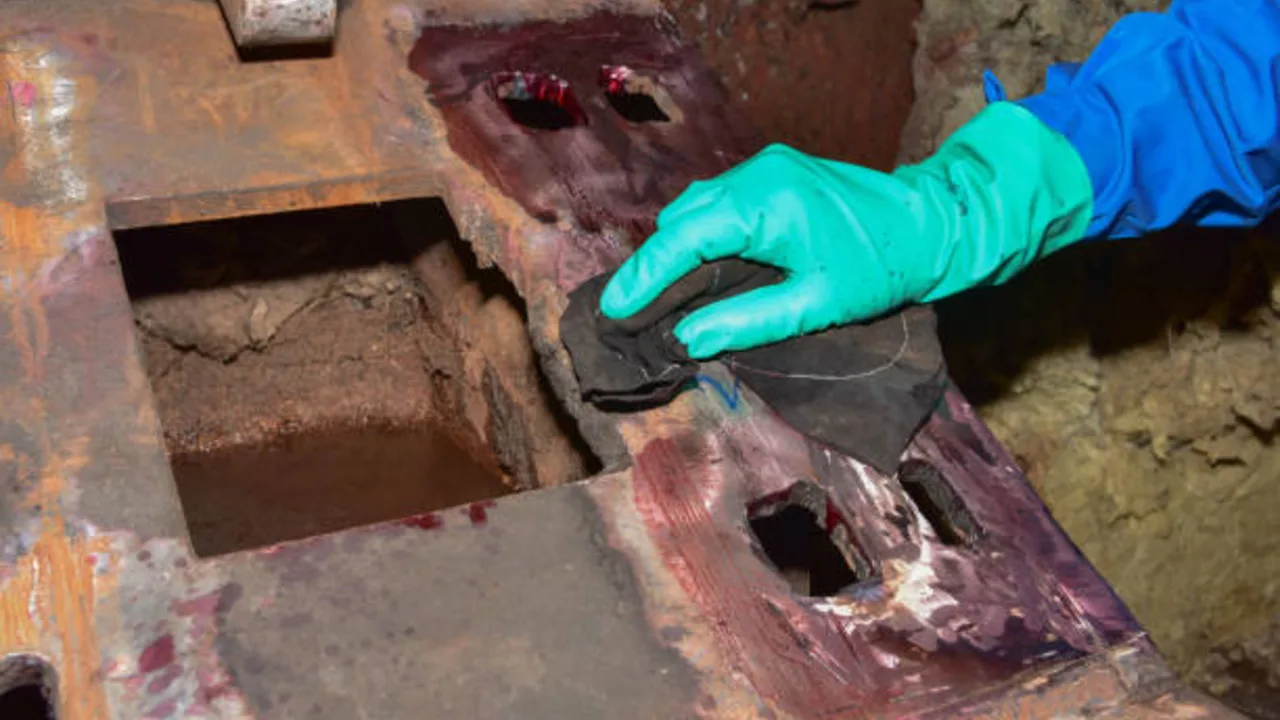
The punch list contains defects or incomplete items identified during inspection. Small problems can accumulate over time and become difficult to resolve when the project is near completion.
Typical punch list issues include:
- Missing bolts or fittings
- Paint damage
- Incorrect installation
- Incomplete finishing work
Without a clear tracking system, punch list items remain open and prevent final acceptance. Many project handover failure causes come from poor punch list management rather than major technical problems.
Documentation Gaps That Block Acceptance
Even when construction and testing are complete, the project cannot be handed over without proper documentation. Owners require records to operate, maintain, and certify the facility.
Common documentation gaps include:
- Missing as-built drawings
- Missing operation manuals
- Missing material certificates
- Missing test reports
These documents are often prepared late, which increases the risk of delay. In many cases, project handover failure causes are related to paperwork rather than physical work.
Contract Requirements vs Actual Delivery
Another common issue during handover is the difference between what was specified in the contract and what was actually delivered. During construction, small changes may be made to solve site problems, reduce cost, or speed up work. However, if these changes are not approved, they can create serious acceptance problems at the end.
Typical contract-related project handover failure causes include:
- Unapproved material substitutions
- Incomplete scope items
- Specifications not fully followed
- Missing inspection records
Because handover is a contractual milestone, even small deviations can delay acceptance until corrections are completed.
Why Problems Appear at the End, Not During Construction
Many handover problems do not come from the final stage itself. They develop earlier but remain unnoticed until the project is almost finished. During construction, the focus is often on progress and schedule, not on final acceptance requirements.
Common reasons problems appear late include:
- Commissioning planned too late
- Inspection postponed until completion
- Documentation prepared at the last minute
- Punch list not tracked during construction
These situations explain why many project handover failure causes are management issues rather than technical failures.
Case Scenario: Smooth Construction but Failed Handover
| Stage | Project A | Project B |
|---|---|---|
| Construction | Completed on time | Completed on time |
| Commissioning | Incomplete tests | All tests passed |
| Documentation | Missing manuals | Complete |
| Punch List | Many open items | Closed before inspection |
| Handover | Rejected | Accepted |
This comparison shows that finishing construction does not guarantee project success. Proper closing procedures are necessary to avoid project handover failure causes.
How to Prevent Handover Failure
Successful projects plan the handover process from the beginning instead of waiting until the end. Each requirement should be tracked during construction, not after it.
Recommended practices include:
- Plan commissioning schedule early
- Track punch list items weekly
- Prepare documentation during construction
- Verify contract compliance regularly
- Assign a handover coordinator
These steps help reduce the risk of late surprises and make the final acceptance process smoother.
Clean Handover Workflow for Complex Projects
A structured closing process ensures that all requirements are completed before the final inspection. Many organizations use a formal workflow to control the last phase of the project.
A typical handover workflow includes:
- Pre‑commissioning checks
- System commissioning
- Punch list closure
- Document submission
- Final inspection
- Client acceptance
- Handover certificate
Project management standards published by organizations such as
Project Management Institute emphasize that closing procedures are as important as execution, especially in large and complex B2B projects.
Conclusion
Many projects fail at the end not because construction was poor, but because the closing process was not managed properly. Understanding the most common project handover failure causes helps teams avoid delays, disputes, and additional cost.
Successful handover depends on proper commissioning, controlled punch list closure, and complete documentation. When these elements are planned early and tracked throughout the project, the final acceptance becomes a formal step instead of a major obstacle.