Corrosion Map Planning: Matching Paint Systems to Real Site Conditions
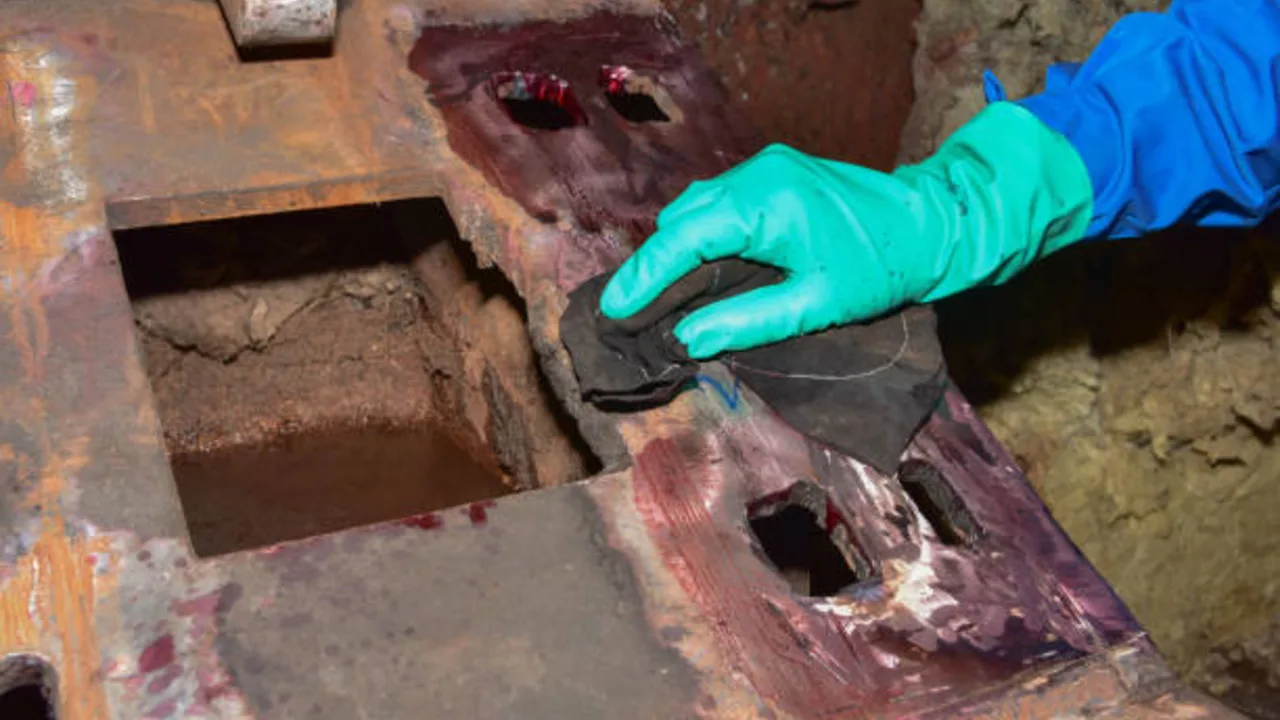
Steel structures are designed to last for decades, but their durability depends heavily on the quality of corrosion protection. Different environments expose steel to different levels of moisture, salt, chemicals, and temperature variation. Because of this, effective corrosion protection planning for steel must begin early in the project, not after fabrication has started.
Applying the same paint system to every project may seem simple, but it often leads to premature coating failure or unnecessary cost. By understanding the corrosivity category of the site, defining the correct coating spec, and planning the expected maintenance cycle, project teams can match protection systems to real operating conditions.
Why Corrosion Planning Should Start Before Fabrication
Corrosion protection is not only a finishing step. It is a lifecycle decision that affects structural durability, maintenance cost, and long‑term performance. When coating requirements are defined too late, the selected system may not match the actual exposure conditions.
Early corrosion protection planning for steel allows engineers and procurement teams to:
- Select coating systems based on real site conditions
- Align fabrication and painting procedures
- Avoid costly repainting after installation
- Define realistic maintenance expectations
Planning before fabrication also ensures that surface preparation, shop coating, and site touch‑up procedures are consistent with the required durability level.
Understanding Corrosivity Category Classification
One of the most important tools in corrosion planning is the classification of environmental exposure. International standards define different corrosivity category levels based on humidity, pollution, salt exposure, and chemical presence.
Typical categories include:
- C1 – Very low corrosion risk (dry indoor environments)
- C2 – Low risk (heated buildings, warehouses)
- C3 – Medium risk (urban or light industrial areas)
- C4 – High risk (industrial zones, coastal areas)
- C5 – Very high risk (marine or aggressive industrial sites)
Correctly identifying the corrosivity category is a critical step in corrosion protection planning for steel, because each level requires different coating thickness, materials, and inspection intervals.
How Site Conditions Affect Coating Performance
Even within the same project, exposure conditions can vary significantly. A structure located inland may require a completely different coating system than one installed near the coast or inside a chemical plant.
Important environmental factors include:
- Humidity and condensation frequency
- Salt content in the air
- Chemical exposure
- Temperature fluctuations
- UV radiation
Ignoring these conditions often leads to coating breakdown earlier than expected. Proper corrosion protection planning for steel requires matching the coating spec to the actual environment rather than using a standard paint system for every project.
Corrosion Map Planning in Multi‑Location Projects
Large industrial programs often include buildings located in different environments. Warehouses, processing plants, and outdoor structures may all have different exposure levels, even within the same contract.
A corrosion map helps project teams assign coating requirements based on location and usage. Instead of applying one coating to all structures, the map defines the required protection level for each area.
Benefits of corrosion map planning include:
- More accurate coating selection
- Reduced material waste
- Better lifecycle cost control
- Clear documentation for fabrication and inspection
This approach makes corrosion protection planning for steel more precise and prevents both under‑protection and unnecessary overspecification.
Choosing the Right Coating Spec
A coating system usually consists of multiple layers, each serving a different purpose. The final coating spec must consider the corrosivity category, expected service life, and maintenance strategy.
Typical coating systems include:
- Zinc‑rich primer for corrosion resistance
- Epoxy intermediate coat for barrier protection
- Polyurethane topcoat for UV resistance
The required thickness of each layer depends on the environment. Higher corrosivity categories require thicker systems and more durable materials.
Defining the correct coating spec early ensures that fabrication, painting, and inspection procedures follow the same durability target.
Maintenance Cycle and Lifecycle Cost
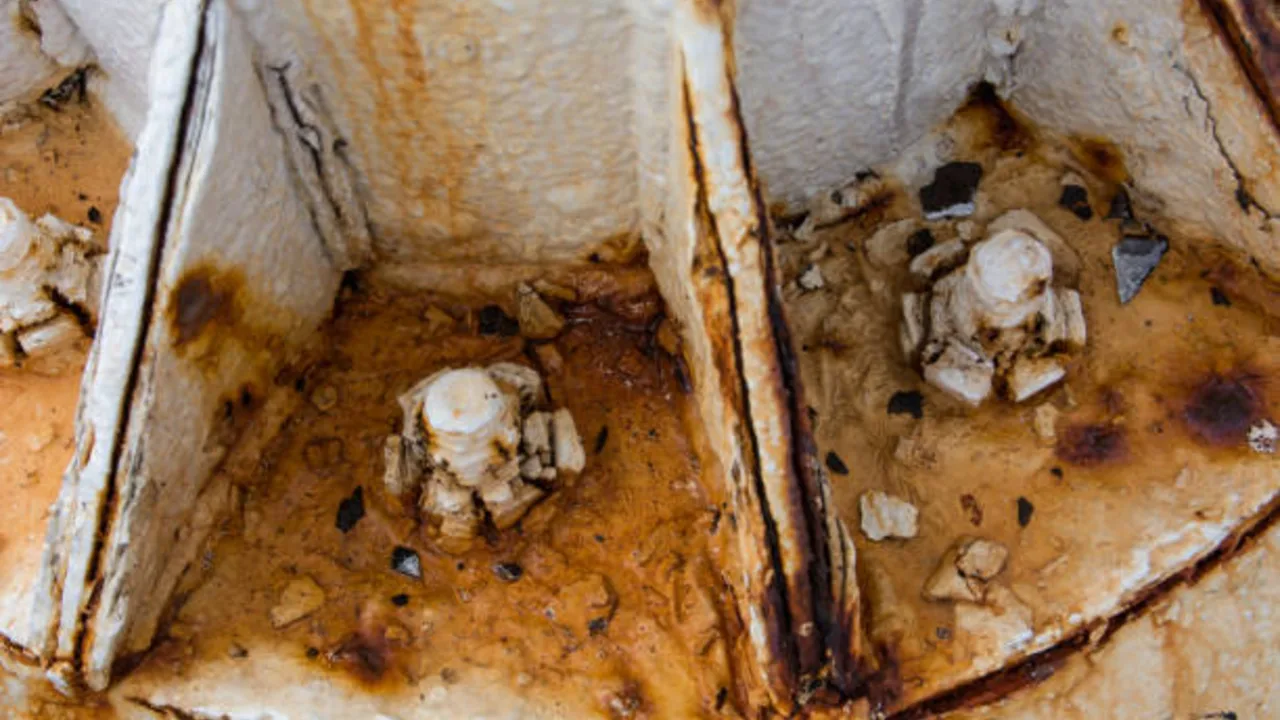
Every coating system has a limited service life. Instead of focusing only on initial cost, project teams should consider the expected maintenance cycle over the life of the structure.
A cheaper coating may require repainting every few years, while a higher‑grade system may last decades with minimal maintenance.
Factors affecting maintenance cycle include:
- Coating thickness
- Surface preparation quality
- Environmental exposure
- Inspection frequency
Accurate corrosion protection planning for steel balances upfront cost with long‑term durability, ensuring that the selected system meets both budget and performance expectations.
Integration With Engineering and Procurement
Coating requirements should not be defined separately from engineering and procurement decisions. The selected coating spec must match the structural design, fabrication sequence, and installation method. When these elements are not aligned, coating performance may be compromised even if the specification itself is correct.
During proper corrosion protection planning for steel, the project team should coordinate:
- Engineering requirements for durability
- Procurement specifications for materials
- Fabrication procedures for surface preparation
- Inspection criteria before shipment
Clear documentation ensures that the paint system selected during design is the same system applied during production.
Role of the Manufacturer in Coating Planning
Coating performance is strongly influenced by fabrication quality. Surface preparation, environmental conditions during painting, and inspection procedures all affect the final durability of the structure. Because of this, coating planning should involve the manufacturer early in the project.
An experienced prefabricated steel structure building supplier can help align coating systems with real fabrication conditions. Shop painting, transport protection, and site touch‑up procedures must all follow the same corrosion plan.
Close coordination between engineer, contractor, and manufacturer ensures that the selected coating spec is practical to apply and capable of achieving the expected service life.
Case Scenario: Same Structure, Different Environment
Consider three identical steel buildings installed in different environments. Although the structural design is the same, the corrosion risk is not.
| Environment | Corrosivity Category | Coating Spec | Expected Maintenance Cycle |
|---|---|---|---|
| Dry inland warehouse | C2 | Primer + epoxy | 15+ years |
| Coastal logistics yard | C4 | Zinc primer + epoxy + PU | 10–15 years |
| Chemical processing plant | C5 | Heavy‑duty multi‑coat system | 8–12 years |
This example shows why using a single paint system for every project is inefficient. Accurate corrosion protection planning for steel allows each structure to receive the protection level required by its real exposure conditions.
Common Mistakes in Corrosion Planning
Many coating failures are caused not by poor materials but by poor planning. Typical mistakes include:
- Using one coating spec for all sites
- Ignoring the correct corrosivity category
- Not defining the maintenance cycle
- Allowing substitutions during procurement
- Insufficient inspection during fabrication
A structured corrosion map prevents these problems by defining requirements clearly before production begins.
How to Build a Corrosion Map for Projects
A corrosion map is a simple but powerful planning tool. It assigns coating requirements based on environment, usage, and expected service life.
A typical process includes:
- Classify the environment using corrosivity category standards
- Select the appropriate coating spec
- Define the expected maintenance cycle
- Document requirements in project specifications
- Verify compliance during fabrication and installation
By following these steps, project teams can ensure that coating systems are consistent with real site conditions.
Conclusion
Corrosion protection is not only a finishing detail but a lifecycle decision that affects durability, safety, and cost. Effective corrosion protection planning for steel requires understanding the environment, selecting the correct coating spec, and defining a realistic maintenance cycle.
Using a corrosion map allows engineers, contractors, and manufacturers to match paint systems to real site conditions, avoiding premature failure and unnecessary overspending. When coating decisions are made early and applied consistently, steel structures can achieve the service life they were designed for.