Build vs Buy: When Companies Expand Facilities Instead of Leasing
Build vs lease industrial facility decisions have become a defining strategic question for companies navigating growth in today’s volatile business environment. What was once treated as a simple real estate choice is now deeply intertwined with financial planning, operational control, and long-term competitiveness.
As companies expand production capacity, distribution networks, or regional operations, the choice between building a facility or leasing one carries implications far beyond monthly rent or construction timelines. Capital allocation, risk exposure, and location strategy all converge in this decision.
This is why the discussion around build vs lease industrial facility has intensified. More organizations are re-evaluating leasing as the default option and asking when owning and developing a facility becomes the more rational path.
Why the Build vs Lease Decision Has Become More Strategic
In earlier growth cycles, leasing industrial space was often viewed as the most flexible and least risky option. Shorter lease terms, minimal upfront investment, and faster occupancy made leasing attractive—especially for companies in expansion mode.
However, the current business climate has altered this equation. Rising industrial rents, limited availability in prime locations, and increasing operational specialization have forced companies to reassess the long-term implications of leasing.
Today, build vs lease industrial facility is no longer a tactical decision delegated to operations teams. It is a strategic conversation involving executives, finance leaders, and long-term planners.
Facilities as a Competitive Advantage
Facilities shape how efficiently a company operates. Ceiling height, column spacing, loading capacity, internal flow, and future expansion potential directly influence productivity and cost efficiency.
When these factors are constrained by leased spaces designed for generic use, companies may find their growth limited not by demand, but by infrastructure.
Understanding the True Meaning of Build vs Lease Industrial Facility
The phrase build vs lease industrial facility is often oversimplified. Building is commonly perceived as expensive and rigid, while leasing is assumed to be flexible and low-risk. In practice, both assumptions can be misleading.
Building a facility does not necessarily mean committing to excessive complexity or uncontrollable costs. Modern industrial construction methods—particularly steel-based systems—have made custom-built facilities faster and more predictable than many expect.
Likewise, leasing may introduce long-term uncertainty through rent escalation, renewal risk, and limited control over modifications. Over time, these constraints can outweigh the initial convenience of leasing.
CapEx vs OpEx: The Financial Logic Behind the Decision
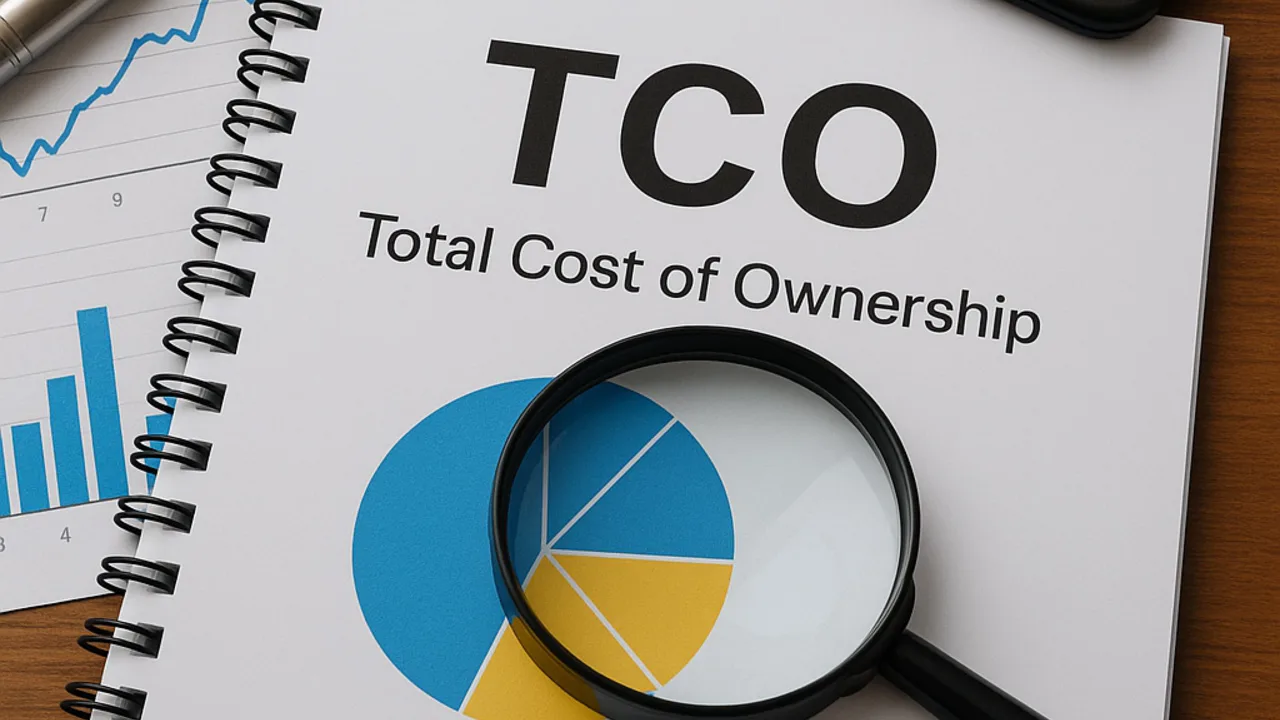
From a financial perspective, the build vs lease debate is often framed as a choice between capital expenditure (CapEx) and operating expenditure (OpEx).
Leasing typically shifts facility costs into OpEx, preserving cash in the short term and simplifying balance sheets. This can be attractive for companies prioritizing liquidity or operating in uncertain markets.
Building, by contrast, requires upfront CapEx. However, this investment creates a tangible asset that can be depreciated, leveraged, and optimized over time. For companies with stable growth trajectories, this asset-based approach can strengthen long-term financial resilience.
When Higher CapEx Creates Long-Term Stability
Higher initial investment does not automatically imply higher risk. When facilities are aligned with long-term planning, ownership can reduce exposure to rent volatility and relocation costs.
Many companies find that owning a purpose-built facility provides greater cost predictability over a 10–20 year horizon, particularly when expansion and operational upgrades are anticipated.
Long-Term Planning Versus Short-Term Flexibility
Leasing excels in short-term scenarios—market entry, pilot operations, or transitional phases. However, as companies move from exploration to scale, the limitations of leased facilities become more apparent.
Long-term planning demands infrastructure that evolves alongside the business. This is where the build vs lease industrial facility decision shifts decisively toward ownership.
Custom-built facilities can be designed with expansion zones, structural allowances, and workflow optimization from the outset, supporting growth without repeated relocations.
Facility Decisions as Part of Corporate Strategy
Facilities are not just physical spaces; they are strategic enablers. Decisions about ownership should align with corporate roadmaps, market positioning, and operational priorities.
When facilities are treated as integral to strategy rather than overhead, building becomes a logical extension of long-term planning.
Location Strategy: Why Ownership Often Wins
Location is one of the most critical—and least flexible—elements of industrial operations. Proximity to suppliers, labor pools, transportation networks, and customers directly affects efficiency and cost.
Leasing often limits location choice to what is immediately available, while building allows companies to secure strategic sites aligned with long-term objectives.
This is especially relevant in industrial zones and parks, where companies increasingly opt to develop tailored facilities rather than adapt to generic leased spaces.
Operational Control and Customization
Operational control is a decisive factor in the build vs lease industrial facility equation. Leased buildings typically restrict structural modifications, equipment loads, and layout changes.
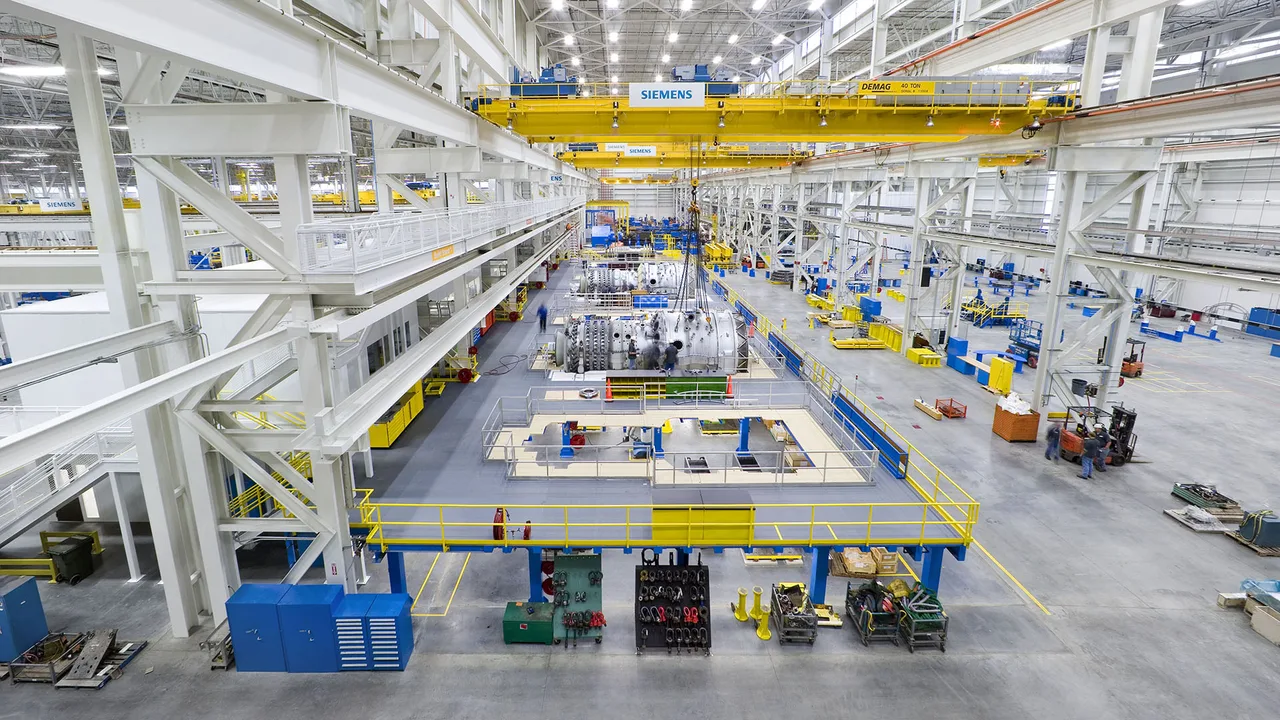
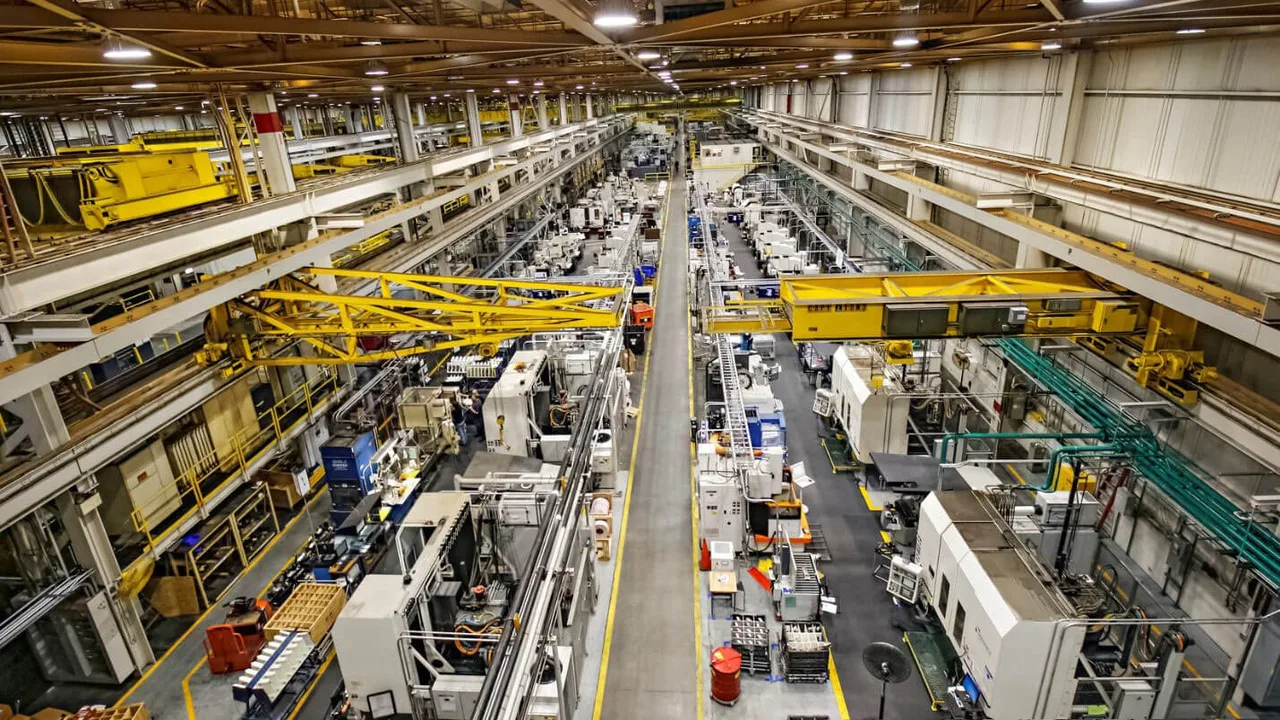
Building a facility allows companies to design around their specific processes—whether that involves heavy equipment, overhead cranes, or specialized workflows. Steel-based construction systems, such as steel structure building solutions, are frequently chosen for this level of customization and scalability.
Custom-built facilities not only improve efficiency but also reduce future retrofit costs as operations evolve.
Why More Companies Are Reconsidering Leasing Models
As industrial real estate markets tighten and lease terms become less favorable, companies are reassessing long-term leasing commitments. Escalating rents, limited renewal guarantees, and inflexible layouts introduce risks that are increasingly difficult to justify.
Industry research from CBRE highlights how occupancy stability and long-term cost control are driving more companies toward ownership models when scaling operations.
This shift reflects a broader realization: facilities are not temporary necessities, but foundational assets that shape business performance for decades.
Risk Management in Build vs Lease Decisions
When companies evaluate a build vs lease industrial facility decision, risk is often framed narrowly as construction risk versus leasing flexibility. In reality, both options carry different categories of exposure that must be assessed across time.
Leasing concentrates risk in long-term dependency. Rent escalation, renewal uncertainty, and landlord-driven constraints can introduce operational instability—especially for companies whose production processes require continuity. Over multiple lease cycles, these risks can compound and erode predictability.
Building, on the other hand, concentrates risk upfront. Capital commitment, execution complexity, and schedule discipline become the primary concerns. However, these risks are finite and can be mitigated through planning, standardization, and experienced delivery partners.
For organizations with a clear growth trajectory, the build vs lease industrial facility analysis often reveals that controllable, front-loaded risk is preferable to ongoing uncertainty.
Mitigating Build Risk Through Planning and Structure
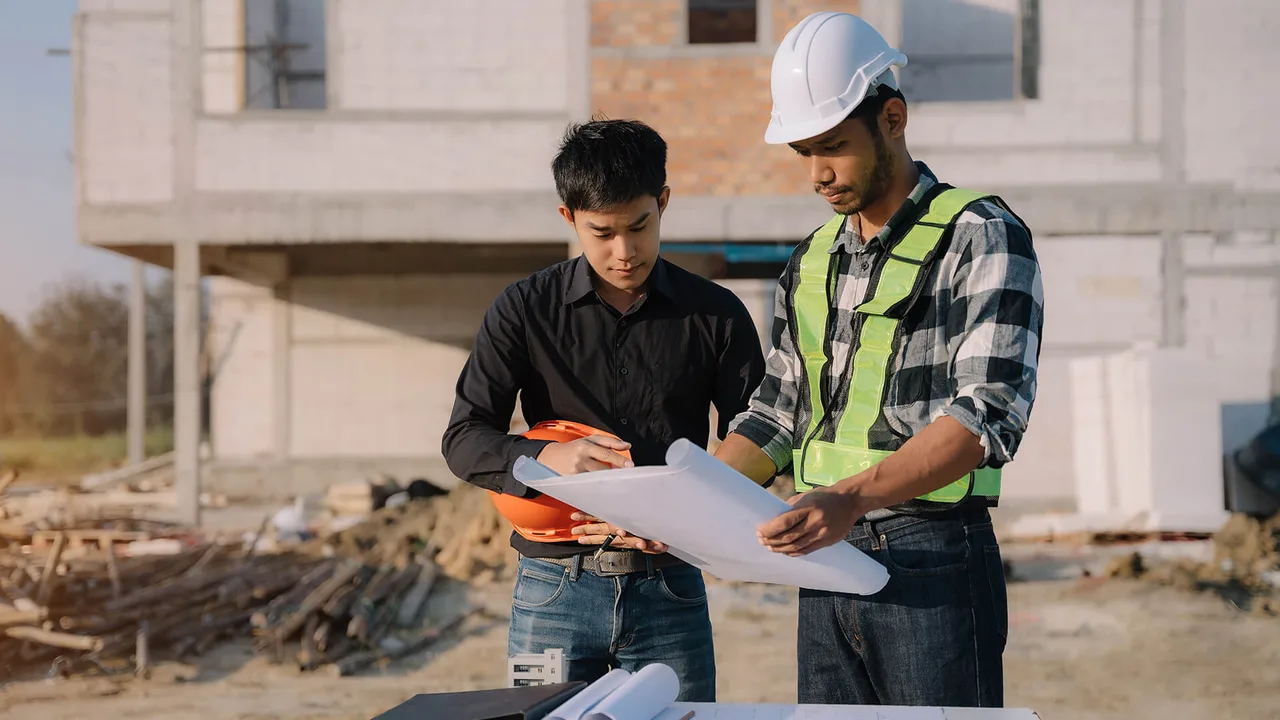
Construction risk does not exist in isolation; it is influenced by scope clarity, design maturity, and execution discipline. Companies that approach facility development as a structured program—rather than a one-off project—significantly reduce exposure.
Standardized structural systems, phased development plans, and realistic contingency allowances help convert uncertainty into manageable variables. As a result, the perceived risk of building often diminishes when evaluated over the full lifecycle of the facility.
Scaling Signals: When It Makes Sense to Build
Not every company should build immediately. The decision becomes compelling when certain signals align. Understanding these signals is central to making a rational build vs lease industrial facility choice.
Common indicators include sustained demand growth, stable customer contracts, and operational processes that are unlikely to change fundamentally in the near term. When these conditions are present, the benefits of ownership begin to outweigh the flexibility of leasing.
Another signal is spatial constraint. Companies operating at the limits of leased facilities—whether due to ceiling height, equipment loads, or layout inefficiencies—often find that incremental adjustments no longer deliver meaningful gains.
From Temporary Space to Permanent Infrastructure
Leased facilities are often suitable during exploratory phases, market testing, or early expansion. However, as operations mature, temporary solutions can become structural bottlenecks.
Transitioning from lease to build represents a shift in mindset: from reacting to immediate needs to investing in permanent infrastructure that supports long-term scale. At this stage, the build vs lease industrial facility decision becomes a reflection of organizational maturity.
Operational Stability and Control Over Time
Operational stability is one of the most undervalued benefits of facility ownership. When companies control their buildings, they control access, maintenance schedules, internal modifications, and future expansion.
In contrast, leased facilities often impose approval processes, usage limitations, and restrictions that slow operational adjustments. Over time, these constraints can introduce friction that affects productivity and responsiveness.
Ownership enables companies to align facility performance with operational goals. This alignment becomes increasingly important as organizations scale and complexity increases.
Long-Term Financial Implications Beyond Rent
Rent comparisons alone rarely capture the full financial picture. Over a long horizon, leasing can involve cumulative costs that exceed the initial investment required to build.
Facility ownership creates an asset that can be depreciated, refinanced, or repurposed. It also provides insulation from market volatility, allowing companies to plan with greater confidence.
In a comprehensive build vs lease industrial facility evaluation, these long-term financial dynamics often tip the balance toward building—particularly for companies with predictable operational needs.
Why More Companies Ultimately Choose to Build
Across industries, a common pattern emerges: companies lease when uncertainty is high and build when direction becomes clear. This progression reflects a natural evolution rather than a contradiction.
As businesses stabilize, the value of control, predictability, and customization increases. Building a facility becomes less about real estate and more about securing a foundation for sustained performance.
In this context, the build vs lease industrial facility debate is not about choosing the “better” option universally, but about selecting the right option at the right stage.
Final Thoughts: Choosing the Right Path for Sustainable Growth
The decision to build or lease an industrial facility is ultimately a strategic one. It intersects finance, operations, risk management, and long-term vision.
Leasing offers speed and flexibility during periods of uncertainty. Building offers stability, control, and alignment when growth becomes intentional and sustained.
By approaching the build vs lease industrial facility decision with a long-term perspective, companies can move beyond short-term trade-offs and choose a path that supports durable, scalable growth.