Pre-Engineered vs Custom Frames: Picking the Right Industrial Building System
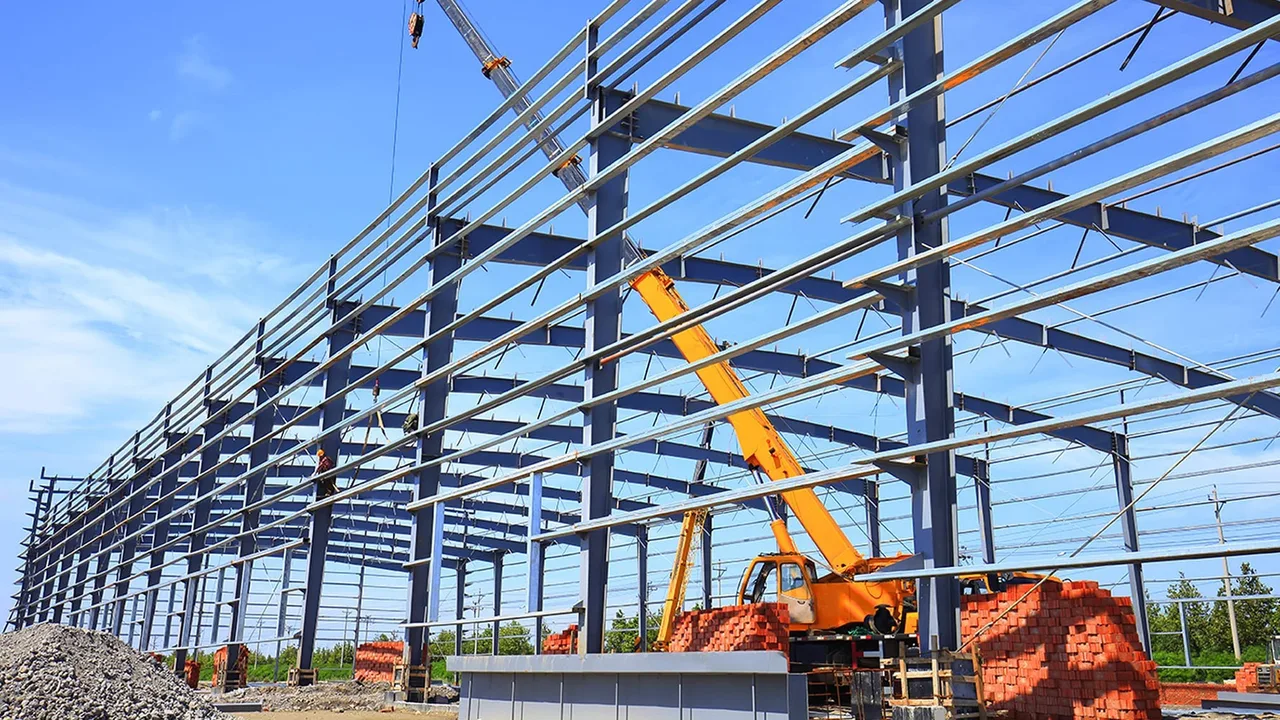
Pre engineered vs custom steel frames has become a defining decision for industrial developers in 2026, as factories and warehouses are increasingly expected to deliver speed, flexibility, and long-term operational reliability at the same time. What once looked like a purely technical choice is now closely tied to business risk, lifecycle cost, and expansion strategy.
Across global industrial markets, owners are discovering that selecting the wrong structural system can create hidden constraints—limiting future growth, complicating retrofits, or increasing downtime when operational needs change. This is why the discussion around pre engineered vs custom steel frames continues to gain relevance as industrial projects become more dynamic.
This article examines both systems objectively, focusing on how each performs under real industrial conditions rather than theoretical advantages.
Understanding Pre-Engineered Steel Frames
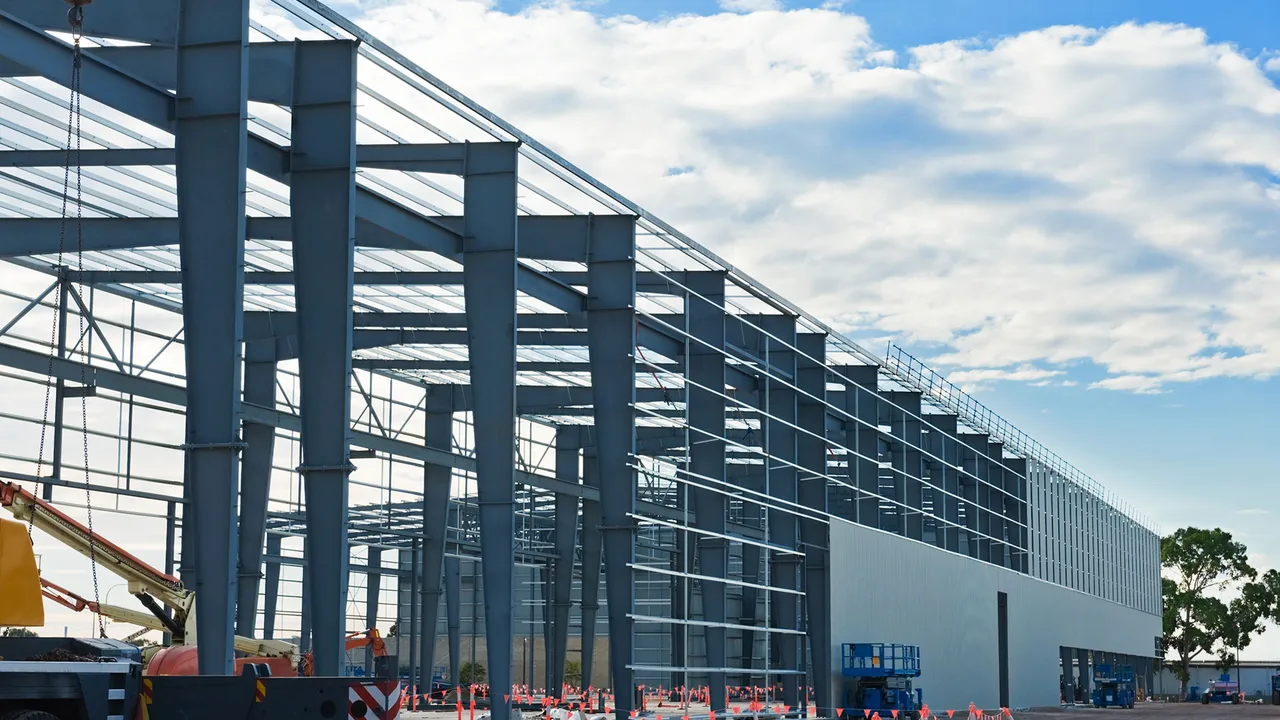
Pre-engineered steel frames are typically designed using standardized engineering models that have been optimized for common industrial building scenarios. Structural members are calculated based on predefined load ranges and span limits, allowing fabrication to proceed quickly once basic parameters are set.
The core strength of pre-engineered systems lies in repeatability. Because similar designs are used across multiple projects, engineering time is reduced and material efficiency is maximized. This approach aligns well with projects that prioritize speed and budget certainty over customization.
In the broader context of pre engineered vs custom steel frames, pre-engineered solutions are often favored for facilities with predictable functions and limited variation in loading or layout. For a general explanation of how steel structure buildings are commonly categorized and applied, references such as this overview of steel structure buildings help frame the concept.
- Standardized spans and bay spacing
- Optimized member sizing for typical loads
- Shorter design-to-fabrication timelines
- High cost predictability in early project stages
Typical Use Cases for Pre-Engineered Frames
Pre-engineered frames are commonly used in logistics warehouses, light manufacturing plants, and storage facilities where internal layouts are unlikely to change significantly. These environments benefit from fast delivery and controlled costs.
However, as operational complexity increases, the limitations of standardized systems become more apparent—making the pre engineered vs custom steel frames decision less straightforward.
What Defines Custom Steel Frame Systems
Custom steel frame systems are engineered specifically for the unique requirements of a single project. Instead of relying on predefined templates, every structural element is designed according to actual loads, site conditions, and operational intent.
This approach allows engineers to optimize load paths, column placement, and member sizing without being constrained by standardized assumptions. While custom systems require deeper coordination and longer design phases, they offer significantly greater flexibility.
Within the pre engineered vs custom steel frames comparison, custom frames are typically selected when industrial facilities must accommodate specialized equipment, irregular geometry, or long-term expansion planning.
When Custom Frames Become Structurally Necessary
In many industrial projects, custom steel frames are not a preference but a requirement. Certain operational conditions exceed the practical limits of pre-engineered systems.
- Facilities with heavy or high-capacity overhead cranes
- Buildings requiring unusually large or asymmetrical clear spans
- Integration of mezzanines, platforms, or multi-level production
- Sites with complex soil, seismic, or regulatory constraints
Attempting to force standardized systems into these conditions often results in structural compromises that surface later as operational inefficiencies or retrofit costs.
Pre Engineered vs Custom Steel Frames: Core Structural Differences
The fundamental distinction in the pre engineered vs custom steel frames debate lies in how each system handles uncertainty and change over time.
Pre-engineered frames perform best when design assumptions remain stable. Custom steel frames, by contrast, are engineered around intent—allowing buildings to adapt as operational demands evolve.
| Criteria | Pre-Engineered Frames | Custom Steel Frames |
|---|---|---|
| Design Flexibility | Limited | High |
| Engineering Freedom | Template-Based | Project-Specific |
| Adaptability to Change | Conditional | Planned |
| Expansion Readiness | Restricted | Integrated |
These structural characteristics directly influence how an industrial facility performs over its lifecycle—particularly when future modification or growth is expected.
PEB Comparison: Speed, Cost, and Predictability
Speed is often the primary driver behind choosing pre-engineered systems. Standardized designs allow projects to move rapidly from approval to fabrication, making PEB solutions attractive for fast-track schedules.
Cost predictability is another advantage. Because quantities and detailing are standardized, early estimates are often accurate—reducing financial uncertainty during project planning.
However, in the pre engineered vs custom steel frames discussion, it is essential to distinguish between upfront predictability and long-term cost exposure.
Cost Tradeoffs Developers Often Overlook
While pre-engineered systems may reduce initial capital expenditure, they can increase costs when buildings require modification, reinforcement, or functional upgrades. Retrofitting standardized frames often involves structural limitations that custom systems are designed to avoid.
This is why many developers evaluating a steel structure building increasingly focus on lifecycle performance rather than upfront pricing alone.

Design Optimization: Efficiency Versus Engineering Freedom
Design optimization is often cited as a strength of pre-engineered systems, but optimization can mean very different things depending on project intent. In the pre engineered vs custom steel frames discussion, pre-engineered buildings are optimized for efficiency within predefined limits, while custom frames are optimized for performance against specific operational goals.
Pre-engineered systems achieve efficiency by standardizing member sizes, spans, and connection details. This reduces material waste and accelerates fabrication. For projects that fit neatly within these assumptions, the result is a structurally efficient building delivered quickly.
Custom steel frames approach optimization from a different angle. Instead of fitting a project into a template, the structure is engineered around real loads, equipment layouts, and future expansion plans. This allows optimization to support operational intent rather than constrain it.
Impact on Factory Expansion and Operational Flexibility
Industrial buildings rarely remain static throughout their lifecycle. Production capacity changes, equipment is upgraded, and layouts are reconfigured. The ability of a structure to accommodate these changes is a critical factor in the pre engineered vs custom steel frames decision.
Pre-engineered frames can support expansion, but typically only within limits defined at the original design stage. Adding heavier cranes, increasing floor loads, or extending spans may require reinforcement or partial reconstruction.
Custom steel frames, by contrast, are often designed with expansion logic embedded from the outset. Load paths, column spacing, and connection details anticipate future modifications, reducing both cost and disruption when changes occur.
Retrofitting Challenges in Each System
Retrofitting highlights the practical differences between standardized and custom-engineered structures. Modifying a pre-engineered frame often involves working around fixed assumptions, which can increase downtime and complexity.
Custom frames generally offer clearer documentation, traceable engineering decisions, and greater tolerance for modification. For operators focused on long-term flexibility, this distinction can outweigh initial cost savings.
Compliance, Codes, and Engineering Accountability
Regulatory compliance is another area where the choice between systems becomes significant. Industrial buildings must meet evolving codes related to structural safety, fire protection, seismic performance, and operational risk.
Pre-engineered systems typically comply with codes through standardized calculations that assume typical conditions. While this approach is efficient, it can leave less margin when projects fall outside those assumptions.
Custom steel frames offer clearer accountability because every element is engineered for the specific project. This can simplify approvals, audits, and future modifications. Technical references, such as industry discussions on steel structure building systems, often highlight the importance of traceable engineering in complex industrial environments.
Choosing the Right System Based on Project Reality
The most effective way to evaluate pre engineered vs custom steel frames is not to ask which system is better, but which is more appropriate for the project’s reality.
- Budget certainty: Pre-engineered systems favor tight upfront budgets.
- Timeline pressure: Standardized frames deliver speed.
- Operational complexity: Custom frames support specialized needs.
- Future-proofing: Custom systems reduce long-term constraints.
Projects that prioritize immediate delivery over long-term adaptability may benefit from pre-engineered solutions. Those that anticipate growth, change, or higher operational demands often justify the additional investment in custom engineering.
Final Thoughts: Matching Structure to Industrial Intent
The decision between pre-engineered and custom steel frames shapes how an industrial building performs long after construction is complete. What appears efficient at the outset may become restrictive over time if operational realities diverge from initial assumptions.
By evaluating pre engineered vs custom steel frames through the lens of lifecycle performance rather than upfront cost alone, developers can align structural choices with long-term business objectives.
Ultimately, the right industrial building system is the one that supports operational intent, accommodates change, and protects asset value as industrial demands evolve.
Design Optimization: Efficiency Versus Engineering Freedom
Design optimization is often cited as a strength of pre-engineered systems, but optimization can mean very different things depending on project intent. In the pre engineered vs custom steel frames discussion, pre-engineered buildings are optimized for efficiency within predefined limits, while custom frames are optimized for performance against specific operational goals.
Pre-engineered systems achieve efficiency by standardizing member sizes, spans, and connection details. This reduces material waste and accelerates fabrication. For projects that fit neatly within these assumptions, the result is a structurally efficient building delivered quickly.
Custom steel frames approach optimization from a different angle. Instead of fitting a project into a template, the structure is engineered around real loads, equipment layouts, and future expansion plans. This allows optimization to support operational intent rather than constrain it.
Impact on Factory Expansion and Operational Flexibility
Industrial buildings rarely remain static throughout their lifecycle. Production capacity changes, equipment is upgraded, and layouts are reconfigured. The ability of a structure to accommodate these changes is a critical factor in the pre engineered vs custom steel frames decision.
Pre-engineered frames can support expansion, but typically only within limits defined at the original design stage. Adding heavier cranes, increasing floor loads, or extending spans may require reinforcement or partial reconstruction.
Custom steel frames, by contrast, are often designed with expansion logic embedded from the outset. Load paths, column spacing, and connection details anticipate future modifications, reducing both cost and disruption when changes occur.
Retrofitting Challenges in Each System
Retrofitting highlights the practical differences between standardized and custom-engineered structures. Modifying a pre-engineered frame often involves working around fixed assumptions, which can increase downtime and complexity.
Custom frames generally offer clearer documentation, traceable engineering decisions, and greater tolerance for modification. For operators focused on long-term flexibility, this distinction can outweigh initial cost savings.
Compliance, Codes, and Engineering Accountability
Regulatory compliance is another area where the choice between systems becomes significant. Industrial buildings must meet evolving codes related to structural safety, fire protection, seismic performance, and operational risk.
Pre-engineered systems typically comply with codes through standardized calculations that assume typical conditions. While this approach is efficient, it can leave less margin when projects fall outside those assumptions.
Custom steel frames offer clearer accountability because every element is engineered for the specific project. This can simplify approvals, audits, and future modifications. Technical references, such as
industry discussions on steel structure building systems, often highlight the importance of traceable engineering in complex industrial environments.
Choosing the Right System Based on Project Reality
The most effective way to evaluate pre engineered vs custom steel frames is not to ask which system is better, but which is more appropriate for the project’s reality.
- Budget certainty: Pre-engineered systems favor tight upfront budgets.
- Timeline pressure: Standardized frames deliver speed.
- Operational complexity: Custom frames support specialized needs.
- Future-proofing: Custom systems reduce long-term constraints.
Projects that prioritize immediate delivery over long-term adaptability may benefit from pre-engineered solutions. Those that anticipate growth, change, or higher operational demands often justify the additional investment in custom engineering.
Final Thoughts: Matching Structure to Industrial Intent
The decision between pre-engineered and custom steel frames shapes how an industrial building performs long after construction is complete. What appears efficient at the outset may become restrictive over time if operational realities diverge from initial assumptions.
By evaluating pre engineered vs custom steel frames through the lens of lifecycle performance rather than upfront cost alone, developers can align structural choices with long-term business objectives.
Ultimately, the right industrial building system is the one that supports operational intent, accommodates change, and protects asset value as industrial demands evolve.