What to Ask Before Signing a Steel Fabrication Contract

Steel fabrication contract discussions often move too quickly toward pricing and timelines, while critical details remain unclear. In reality, most project risks are already defined before fabrication even begins—inside the contract itself. The questions asked at this stage determine whether a project runs smoothly or becomes a series of disputes, delays, and cost adjustments.
In industrial construction, fabrication is not just about producing steel components. It involves coordination between design, procurement, production, inspection, and delivery. Without clear terms, even experienced contractors can face misalignment that affects the entire project lifecycle.
Why a Steel Fabrication Contract Deserves More Attention
A contract is not just a formal agreement—it is a risk allocation document. It defines who is responsible for design accuracy, material compliance, fabrication quality, and delivery timing. Many project issues that appear during execution are actually the result of unclear contract terms.
One common mistake is assuming that standard clauses are sufficient. In practice, every project has unique requirements. Industrial facilities, for example, may involve specialized loads, corrosion protection systems, or complex connection details. If these are not clearly included, disputes become almost inevitable.
Another issue is the assumption that both parties interpret the scope in the same way. Without precise wording, expectations can differ significantly between the client and the fabricator.
Understanding Scope Definition Before Anything Else
The first and most important topic in any steel fabrication contract is scope definition. This goes far beyond a simple description of the work. It must clearly state what is included—and just as importantly, what is not.
Scope definition typically covers:
- Material supply (who provides steel, bolts, coatings)
- Shop drawing preparation and approval responsibilities
- Fabrication processes and standards
- Surface treatment (painting, galvanizing, fireproofing)
- Packing and delivery requirements
Problems arise when scope boundaries are not clearly defined. For example, if connection details are incomplete, the fabricator may assume a standard solution, while the client expects a customized design. This mismatch leads to rework, delays, and additional costs.
In many cases, disputes are not caused by mistakes but by assumptions. Clear scope definition eliminates these assumptions before they become problems.
Key Questions About Material Specifications
Material selection is another critical area that requires careful attention. Steel grades, tolerances, and certifications must be clearly defined to avoid quality issues later in the project.
Before signing, buyers should clarify:
- What steel standards are being used (ASTM, EN, GB, etc.)
- Whether material certificates are required for every batch
- How traceability is maintained throughout fabrication
- Whether substitutions are allowed if specified materials are unavailable
Material substitution is particularly important. In volatile markets, certain grades may be difficult to source. If the contract does not define how substitutions are handled, delays can occur while approvals are negotiated.
Clear material specifications also support quality control. When inspection criteria are aligned with material standards, verification becomes more straightforward.
Payment Terms That Protect Both Sides
Payment terms are often negotiated quickly, but they have a direct impact on project stability. A balanced payment structure ensures that both the client and the fabricator are protected throughout the process.
Typical payment structures include milestone-based payments, where funds are released at specific stages such as material procurement, fabrication completion, and delivery. This approach aligns cash flow with progress.
However, not all milestones are equal. Some contracts define payment triggers too loosely, which can lead to disputes. For example, “fabrication completion” must be clearly defined—does it mean production finished, inspection completed, or ready for shipment?
A simple comparison of payment structures:
| Structure | Advantage | Risk |
|---|---|---|
| Advance Payment | Supports early procurement | Higher financial risk for client |
| Milestone-Based | Aligns with project progress | Requires clear definitions |
| Retention | Ensures quality compliance | May affect supplier cash flow |
Well-defined payment terms reduce tension between parties and help maintain steady progress.
Inspection Criteria and Quality Control Expectations
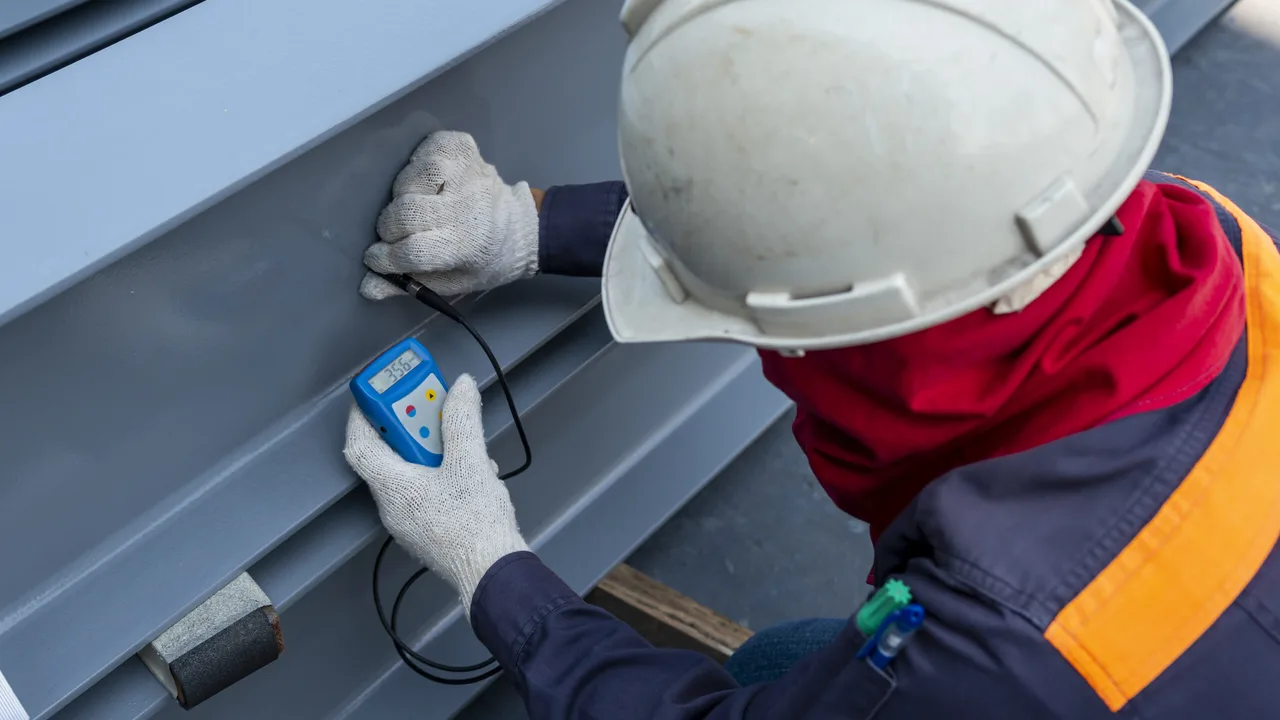
Quality expectations must be clearly documented through inspection criteria. Without defined inspection procedures, disagreements about acceptance standards can delay delivery.
Inspection criteria should address:
- Dimensional tolerances
- Welding standards and testing methods
- Surface treatment quality
- Third-party inspection requirements
- Documentation and reporting formats
In many industrial projects, third-party inspection agencies are used to verify compliance. Organizations such as ISO standards bodies provide widely accepted frameworks for quality management, which are often referenced in fabrication agreements.
Another key question is what happens when components fail inspection. The contract should define whether rework is required, who bears the cost, and how delays are handled.
Clear inspection criteria reduce ambiguity and ensure that both parties understand what “acceptable quality” means before fabrication begins.
Timeline, Delivery, and Delay Clauses
Timelines in a steel fabrication contract must reflect both fabrication capacity and project requirements. Unrealistic schedules can create pressure that leads to quality issues or missed deadlines.
Delivery terms also need to be clearly defined. This includes not only the delivery date but also the delivery condition—whether materials are shipped FOB, CIF, or under another arrangement. Each term affects responsibility for transportation, insurance, and risk.
Delay clauses are another important element. Contracts often include penalties for late delivery, but these must be balanced with realistic conditions. Delays caused by design changes, material shortages, or external factors should be addressed separately.
When timelines, delivery terms, and delay clauses are aligned, project coordination becomes more predictable. Without this alignment, even small disruptions can escalate into major scheduling conflicts.
Responsibilities Between Client and Fabricator
One of the most overlooked areas in a steel fabrication contract is the division of responsibilities. Many delays and disputes happen not because the work is difficult, but because it is unclear who is supposed to do what—and when.
At a minimum, the contract should clearly define:
- Who provides the initial design drawings
- Who is responsible for shop drawing preparation
- Who reviews and approves drawings (and within what timeline)
- How communication flows between parties
For example, if shop drawing approval is delayed by the client, the fabrication schedule may shift. Without a clause addressing this, the fabricator may still be held responsible for late delivery. This creates unnecessary conflict.
Clear responsibility mapping keeps the workflow aligned and reduces finger-pointing when issues arise.
Change Orders and Variation Management
No matter how detailed the contract is, changes will happen. Design adjustments, site conditions, or client preferences often require modifications during fabrication. The key is not to avoid changes, but to manage them properly.
A well-structured steel fabrication contract includes a formal variation process. This ensures that every change is documented, priced, and approved before work continues.
Important elements of variation management include:
- Written documentation for all changes
- Clear pricing methods for additional work
- Defined approval process before execution
- Timeline adjustments linked to scope changes
Without a formal system, informal instructions can lead to disputes. A small design tweak may seem minor at first, but it can affect fabrication sequences, material usage, and delivery timing.
Projects with strong variation control tend to maintain better cost and schedule performance, even when changes occur.
Risk Allocation Hidden Inside the Contract
Every contract contains hidden risk allocation. Even when not explicitly stated, clauses determine who bears the consequences of defects, delays, or unexpected conditions.
Key areas of risk include:
- Defect liability and warranty duration
- Responsibility for transport damage
- Insurance coverage during fabrication and delivery
- Liability for design errors or incomplete information
Understanding these risks before signing is critical. For example, if transport damage is not clearly assigned, disputes may arise when components arrive at site in poor condition.
Risk allocation should be balanced. If one party carries too much risk, it may affect pricing, performance, or willingness to cooperate during the project.
Common Red Flags in Steel Fabrication Contracts
Some contract issues are easy to identify if you know what to look for. These red flags often indicate potential problems during execution.
| Red Flag | Why It Matters |
|---|---|
| Vague scope wording | Leads to disputes over responsibilities |
| Missing inspection criteria | Creates disagreement on quality acceptance |
| Unclear payment triggers | Delays cash flow and causes conflict |
| Unrealistic timelines | Increases risk of delays and penalties |
These issues are not always obvious during negotiation, but they often become major problems later. Identifying them early helps avoid costly mistakes.
Comparing Multiple Fabrication Proposals
When reviewing multiple proposals, the lowest price is not always the best choice. Differences in scope, material quality, and inspection standards can significantly affect the final cost.
To compare proposals effectively:
- Ensure scope definition is consistent across all bids
- Check whether material specifications match
- Review inspection criteria and quality requirements
- Analyze payment terms and delivery conditions
Without this alignment, comparisons become misleading. A lower price may simply reflect a narrower scope or lower quality standards.
How Contract Clarity Impacts Project Execution
A clear contract does more than reduce legal risk—it improves day-to-day project execution. When expectations are defined in advance, teams spend less time resolving misunderstandings and more time completing the work.
Benefits of a well-defined contract include:
- Faster decision-making during fabrication
- Reduced need for rework
- Better coordination between teams
- More predictable timelines and costs
In contrast, unclear contracts create constant uncertainty. Teams may hesitate to proceed without clarification, slowing down progress.
This is why experienced project managers treat contract review as part of execution planning, not just a legal step.
Final Checks Before Signing
Before signing any steel fabrication contract, a structured review process should be completed. This step ensures that both technical and commercial aspects are aligned.
A practical checklist includes:
- Technical review of drawings, specifications, and scope
- Commercial review of payment terms and pricing structure
- Verification of inspection criteria and quality requirements
- Confirmation of timeline and delivery conditions
- Legal review of liability and warranty clauses
Each of these checks reduces the risk of unexpected issues during fabrication. Skipping this step may save time at the beginning, but it often leads to delays later.
Ultimately, the strength of a project is often determined before fabrication begins. By asking the right questions and clarifying key terms, both parties can move forward with confidence and avoid unnecessary complications throughout the project lifecycle.