Future-Proofing Infrastructure Against Climate Change
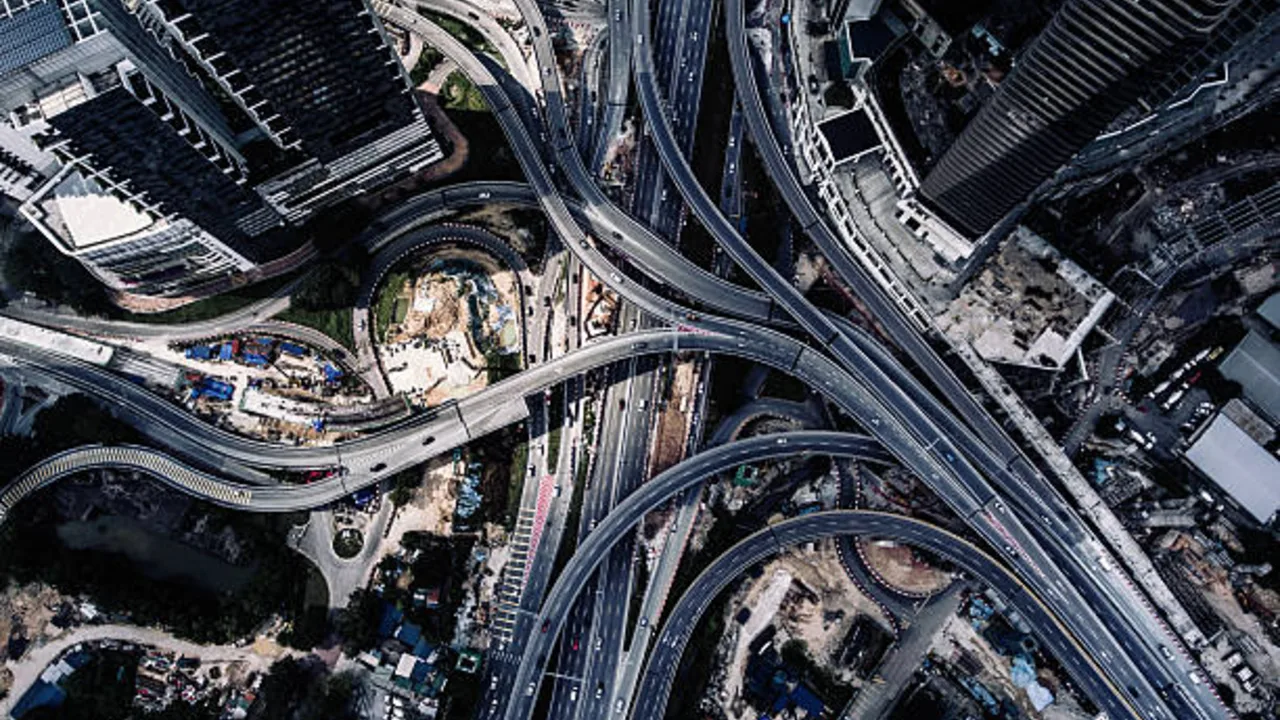
Climate proof infrastructure is no longer a niche concept reserved for high-risk regions—it has become a central priority for governments, developers, and industrial stakeholders worldwide. As climate volatility increases, infrastructure systems designed under historical assumptions are proving inadequate against modern environmental pressures. Roads buckle under heatwaves, drainage systems fail during sudden floods, and energy grids collapse under extreme demand fluctuations.
The shift toward climate proof infrastructure represents a transition from reactive repairs to proactive design. Instead of rebuilding after failure, organizations are now investing in systems that anticipate disruptions and maintain performance under stress. This shift is driven not only by environmental necessity but also by economic logic, as infrastructure downtime directly translates into financial loss and operational instability.
Industries that rely heavily on continuous operations—such as manufacturing, logistics, and energy—are particularly exposed. A single disruption can ripple across supply chains, affecting production schedules and delivery commitments. As a result, infrastructure planning is evolving into a risk management discipline, where resilience is treated as a core performance metric rather than an optional upgrade.
Understanding Climate Risks That Impact Infrastructure
To design effective climate proof infrastructure, it is essential to understand the diverse range of climate-related risks that infrastructure must withstand. These risks are no longer isolated events; they are increasingly interconnected and unpredictable.
One of the most immediate challenges is temperature fluctuation. Prolonged heatwaves can weaken structural materials, expand joints beyond tolerance, and accelerate wear in critical components. Conversely, sudden temperature drops can cause contraction and cracking, especially in materials not designed for thermal variability.
Flooding presents another major threat. Urban drainage systems, often designed for historical rainfall patterns, are now overwhelmed by intense and irregular precipitation. Coastal infrastructure faces additional risks from rising sea levels, which compromise foundations and increase corrosion rates.
Extreme weather events—such as hurricanes, storms, and prolonged droughts—introduce dynamic loads that traditional engineering models struggle to accommodate. Infrastructure systems are also interconnected; a failure in one component, such as power supply, can cascade into failures in transportation, communication, and industrial operations.
Principles of Resilient Engineering in Modern Infrastructure
At the core of climate proof infrastructure lies the concept of resilient engineering. This approach emphasizes the ability of systems to absorb shocks, adapt to changing conditions, and recover quickly from disruptions.
Unlike conventional engineering, which often assumes stable environmental conditions, resilient engineering acknowledges uncertainty as a fundamental design parameter. Structures are no longer optimized for a single set of conditions but are instead designed to perform across a range of scenarios.
Key principles include:
- Flexibility: Designing systems that can adapt to changing loads and environmental conditions without significant structural modifications.
- Redundancy: Incorporating backup systems or alternative pathways to maintain functionality during component failure.
- Robustness: Ensuring that critical components can withstand extreme stress without catastrophic failure.
- Recoverability: Enabling rapid restoration of operations after disruption.
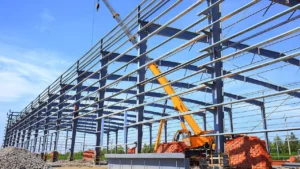
In practice, this may involve modular construction techniques, where components can be replaced or upgraded without dismantling entire systems. It may also include the use of advanced materials that offer higher tolerance to environmental stressors.
Integrating Sustainability Planning into Infrastructure Design
Effective sustainability planning plays a crucial role in the development of climate-resilient infrastructure. While resilience focuses on performance under stress, sustainability ensures that infrastructure systems remain viable over the long term, both environmentally and economically.
Sustainability planning shifts the focus from short-term cost savings to lifecycle performance. Instead of selecting materials and designs based solely on initial investment, decision-makers evaluate total cost of ownership, including maintenance, energy consumption, and eventual replacement.
This approach also aligns with increasing regulatory and stakeholder expectations. Governments are introducing stricter environmental standards, while investors are prioritizing projects that demonstrate long-term sustainability. As highlighted in discussions around global infrastructure resilience frameworks, aligning infrastructure design with sustainability goals is becoming a baseline requirement rather than a competitive advantage. For further perspective on global climate resilience initiatives, see insights from the World Bank’s climate change programs.
By integrating sustainability planning into the early stages of design, infrastructure projects can achieve a balance between durability, efficiency, and environmental responsibility. This integration also reduces the risk of future retrofitting, which is often costly and disruptive.
Materials and Technologies Enabling Climate Resilience
The advancement of materials science and digital technology is a key enabler of climate proof infrastructure. Traditional materials are being replaced or enhanced with high-performance alternatives that offer improved resistance to environmental stressors.
For example, corrosion-resistant alloys and coatings extend the lifespan of structures exposed to moisture and saltwater. Heat-resistant materials maintain structural integrity under extreme temperatures, reducing the risk of deformation and failure.
In addition to materials, digital technologies are transforming how infrastructure is designed and managed. Smart sensors embedded within structures provide real-time data on stress, temperature, and performance. This data enables predictive maintenance, allowing issues to be addressed before they escalate into critical failures.
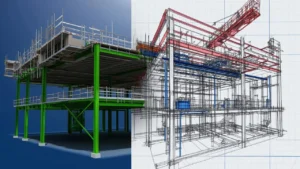
Digital twins—virtual replicas of physical assets—allow engineers to simulate various climate scenarios and evaluate system performance under different conditions. This capability supports more informed decision-making and reduces uncertainty during the design phase.
Together, these innovations are redefining the boundaries of what infrastructure can achieve, enabling systems that are not only more durable but also more intelligent and adaptive.
Urban Infrastructure vs Industrial Infrastructure Challenges
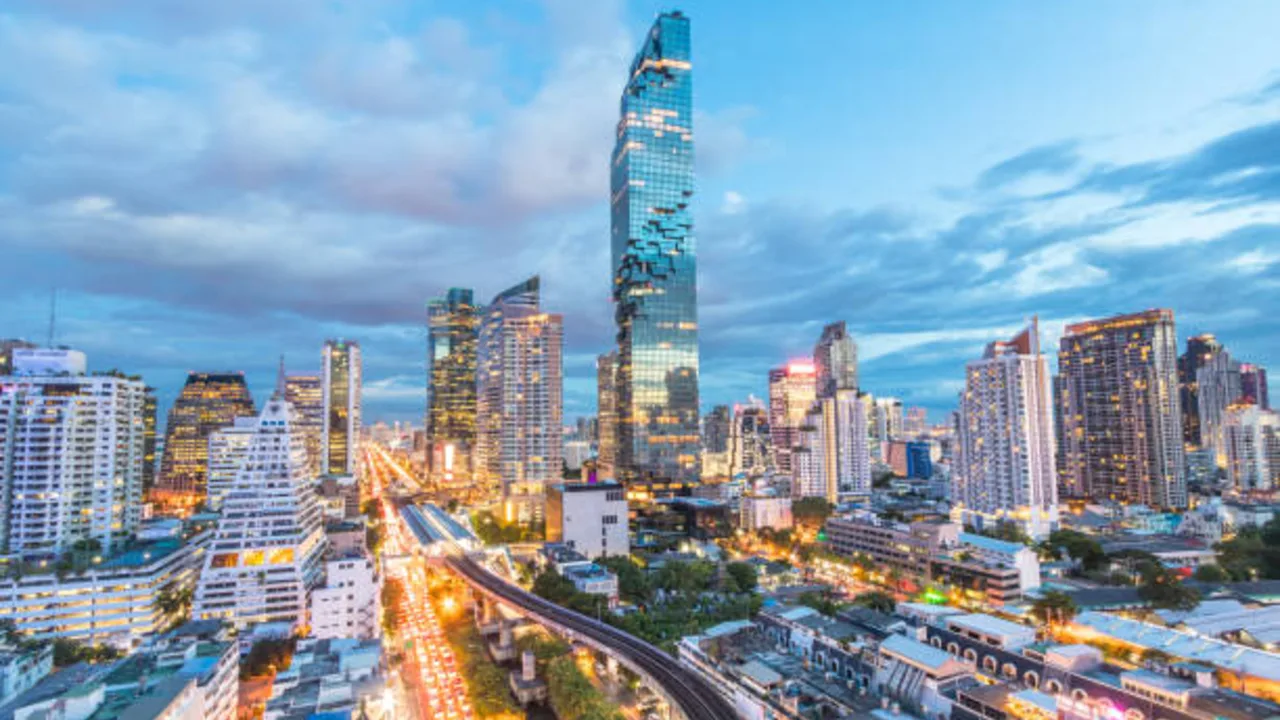
Designing climate proof infrastructure requires a nuanced understanding of context, particularly when comparing urban and industrial environments. While both face similar climate threats, their operational priorities and constraints differ significantly.
Urban infrastructure must accommodate high population density, complex transportation networks, and continuous public usage. Systems such as metro lines, drainage networks, and public utilities are highly interdependent, meaning a single failure can disrupt millions of users. In this context, resilient engineering focuses on redundancy, rapid recovery, and minimizing service interruptions.
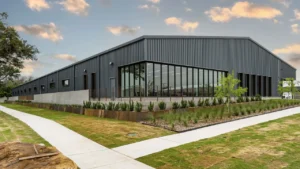
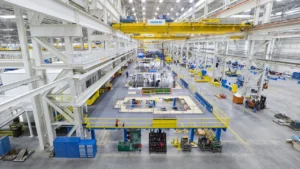
Industrial infrastructure, on the other hand, prioritizes operational continuity and load-bearing capacity. Facilities such as factories, warehouses, and logistics hubs must handle heavy equipment, dynamic loads, and large-scale production systems. Climate-related disruptions in these environments often translate directly into financial losses, making durability and performance stability critical.
For example, a logistics hub exposed to flooding risks must incorporate elevated platforms, reinforced drainage systems, and adaptive layout planning. Meanwhile, an urban transit system may prioritize flood barriers, emergency rerouting capabilities, and real-time monitoring systems. These distinctions highlight why a one-size-fits-all approach to infrastructure resilience is ineffective.
Economic Trade-Offs and ROI of Climate-Proof Design
One of the most debated aspects of climate proof infrastructure is the balance between upfront investment and long-term return. Climate-resilient designs often require higher initial costs due to advanced materials, enhanced engineering standards, and integrated technologies.
However, these costs must be evaluated against the financial impact of infrastructure failure. Downtime, repair expenses, and lost productivity can quickly exceed the savings achieved through cheaper initial construction. In many cases, investing in resilience results in lower total lifecycle costs.
Key financial considerations include:
- Avoided disruption costs: Reduced downtime during extreme weather events.
- Lower maintenance expenses: Durable materials require less frequent repairs.
- Insurance benefits: Resilient infrastructure may qualify for reduced premiums.
- Asset longevity: Extended service life improves return on investment.
Investors and stakeholders are increasingly factoring climate risk into their decision-making processes. Projects that demonstrate strong sustainability planning and resilience strategies are more likely to secure funding and maintain long-term value.
Policy, Standards, and Global Trends
Governments and international organizations are playing a growing role in shaping the future of infrastructure development. Policies aimed at climate adaptation and mitigation are influencing how infrastructure projects are designed, approved, and financed.
Many countries are introducing updated building codes that incorporate climate risk considerations. These regulations often require higher safety margins, improved material performance, and enhanced monitoring systems. Compliance is no longer optional—it is a fundamental requirement for project approval.
Global trends also indicate a shift toward integrated infrastructure planning. Public-private partnerships are becoming more common, enabling the sharing of expertise, resources, and risk. These collaborations are particularly important for large-scale projects that require significant investment and technical complexity.
Standardization is another key trend. International frameworks are being developed to guide the implementation of climate-resilient infrastructure, ensuring consistency across regions and industries. These standards provide a reference point for best practices and help reduce uncertainty in project execution.
Practical Steps to Implement Climate Proof Infrastructure
Transitioning to climate proof infrastructure requires a structured and multidisciplinary approach. Organizations must move beyond theoretical discussions and adopt practical strategies that can be implemented at scale.
The process typically begins with comprehensive risk assessment. This involves identifying potential climate threats, evaluating their impact on infrastructure systems, and prioritizing areas of vulnerability. Advanced modeling tools can support this analysis by simulating different climate scenarios.
Once risks are identified, they must be integrated into the design process. Engineers, architects, and planners must collaborate to ensure that resilience is embedded in every aspect of the project. This includes material selection, structural design, and system configuration.
Implementation strategies often include:
- Modular design: Allowing components to be upgraded or replaced as conditions evolve.
- Adaptive systems: Enabling infrastructure to respond dynamically to environmental changes.
- Monitoring technologies: Providing real-time data for performance optimization.
- Cross-disciplinary collaboration: Aligning engineering, environmental, and financial perspectives.
Continuous monitoring and maintenance are also critical. Climate conditions are not static, and infrastructure systems must evolve accordingly. By adopting a proactive approach, organizations can ensure that their infrastructure remains resilient over time.
The Future of Infrastructure in a Changing Climate
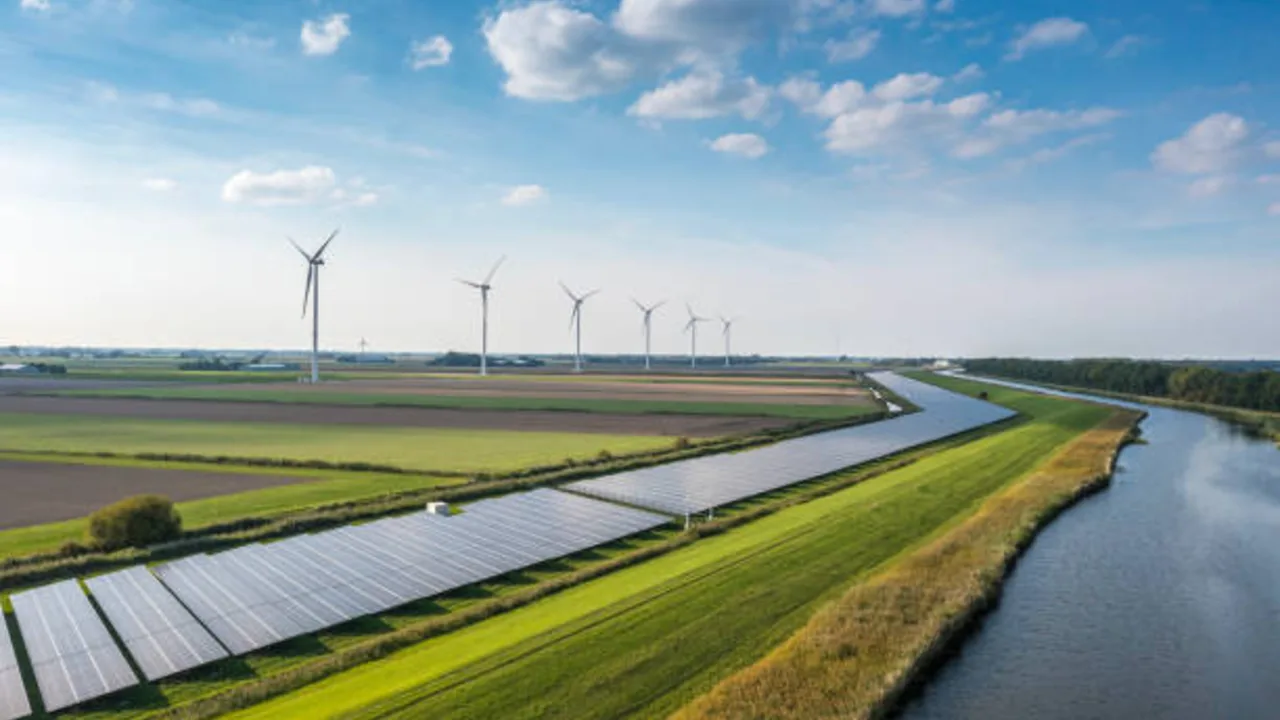
The evolution of climate proof infrastructure is closely tied to advancements in technology and data analytics. Future infrastructure systems will increasingly rely on predictive capabilities, enabling them to anticipate and respond to environmental changes in real time.
Artificial intelligence and machine learning are expected to play a significant role in this transformation. These technologies can analyze vast amounts of data to identify patterns, predict potential failures, and optimize system performance. When combined with smart sensors and digital twins, they create a comprehensive ecosystem for infrastructure management.
Another emerging trend is the development of fully adaptive infrastructure systems. These systems are designed to adjust their behavior based on external conditions, such as temperature, humidity, and load variations. This level of adaptability represents a significant departure from traditional static designs.
As climate challenges continue to evolve, infrastructure must keep pace. The integration of resilient engineering and sustainability planning will define the next generation of infrastructure systems—ones that are not only capable of withstanding environmental stress but also of thriving within it.