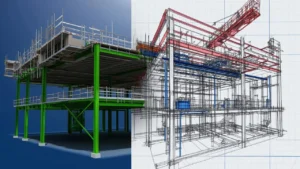
Document Control Systems: Avoiding Revision Disasters

In complex engineering and construction projects, a single outdated drawing can trigger weeks of delay and hundreds of thousands of dollars in rework. Fabrication may begin using Rev B while the approved issue-for-construction (IFC) drawing is already at Rev D. Vendors may receive incomplete specifications. Site teams may interpret obsolete instructions. These failures are rarely technical—they are procedural.
At the center of these problems is the absence of a structured document control system for projects. Without controlled revision tracking, disciplined approval workflow, and formalized transmittals, even experienced teams can fall into revision chaos. Preventing these disasters requires more than shared folders or email threads. It requires system-level control.
When One Wrong Revision Costs Millions
Revision errors often appear small at first. A dimension changes. A material grade is updated. A connection detail is modified. But when those changes are not communicated through a formal document control system, the consequences multiply:
- Fabrication based on obsolete drawings
- On-site installation conflicts
- Material waste and scrap
- Schedule delays and contractual disputes
In high-value projects—industrial plants, infrastructure works, or large fabrication contracts—the cost of revision errors can escalate rapidly. Rework not only increases direct cost but also damages reputation and trust.
A properly implemented document control system for projects ensures that teams always work from the latest approved revision. It eliminates ambiguity about which version is valid and who approved it.
What Is a Document Control System for Projects?
A document control system for projects is a structured framework for managing project documents throughout their lifecycle—from draft to final archive. It is not merely a file storage platform. It is a controlled environment that governs:
- Revision tracking
- Approval workflow
- Transmittals
- Access permissions
- Audit trails
Many teams mistakenly assume that cloud storage alone solves document control challenges. However, shared drives without structured control allow multiple uncontrolled copies, inconsistent naming, and missing revision logs.
A true document control system for projects establishes a single source of truth. Every document has a unique identifier, defined revision number, and traceable approval record. Changes are documented, not implied.
The Hidden Cost of Poor Revision Tracking
Revision tracking is the backbone of document control. Without it, teams cannot reliably identify which version of a document is current.
Common revision tracking failures include:
- Teams referencing outdated PDF attachments
- Suppliers fabricating from superseded IFC drawings
- Manual Excel logs that are not updated consistently
- Uncontrolled “final_v2_latest” file naming practices
Each of these failures introduces risk. If a structural drawing changes from Rev C to Rev D due to load recalculation, and fabrication continues under Rev C, the resulting components may require costly modification or replacement.
Effective revision tracking within a document control system for projects includes:
- Automatic revision numbering
- Mandatory change descriptions
- Locked historical versions
- Complete audit trail of edits and approvals
This structured approach ensures transparency and accountability. Teams can quickly trace when a revision was issued, who approved it, and who received it.
Approval Workflow: The Backbone of Control
Uncontrolled approvals are another major source of project risk. Email confirmations such as “Looks good to me” are not sufficient in complex environments. A structured approval workflow ensures that no document progresses without formal validation.
A typical workflow within a document control system for projects may include:
- Draft Stage – Prepared by engineering or design team
- Internal Review – Technical verification
- Client or Consultant Review – External validation
- IFC (Issued for Construction) – Approved for execution
Each stage should require digital sign-off by authorized personnel. Role-based permissions prevent unauthorized changes once a document reaches approved status.
A disciplined approval workflow eliminates ambiguity. Teams clearly understand whether a document is “For Review,” “For Approval,” or “Issued for Construction.” This clarity significantly reduces the likelihood of revision-related errors.
Managing Transmittals Without Confusion
Transmittals are formal records used to send documents between parties—whether internal departments, contractors, or clients. When transmittals are unmanaged, version confusion spreads quickly.
For example, if a contractor receives drawing Rev C via email while Rev D has already been approved internally, misalignment becomes inevitable. A structured document control system for projects integrates transmittals directly with revision tracking.
Best practices for managing transmittals include:
- Unique transmittal numbering
- Clear listing of document IDs and revision numbers
- Recipient acknowledgment tracking
- Centralized archive of all issued transmittals
By linking transmittals with the controlled repository, teams ensure that every issued document is traceable. No drawing leaves the system without formal registration.
Core Features of an Effective Document Control System
An effective document control system for projects combines technology and process discipline. Essential features include:
- Centralized repository with controlled access
- Automated revision tracking and version history
- Configurable approval workflow
- Integrated transmittals management
- Metadata tagging and search functionality
- Role-based permissions and security controls
Modern platforms increasingly integrate with project management systems and ERP tools, ensuring that document status aligns with procurement, fabrication, and construction milestones.
Ultimately, the goal of a document control system for projects is not bureaucratic control—it is operational clarity. When everyone works from the same approved information, revision disasters become far less likely.

Document Control System for Projects in Construction and Fabrication
Construction and fabrication environments generate thousands of documents: general arrangement drawings, shop drawings, method statements, RFIs, material submittals, inspection reports, and as-built records. Without a structured document control system for projects, managing this volume becomes chaotic.
In fabrication shops, a single revision change can alter hole locations, plate thickness, weld specifications, or connection details. If revision tracking is weak, production may continue based on outdated information. The result is scrapped material, delayed shipments, and strained client relationships.
Similarly, on construction sites, teams rely on IFC drawings. If outdated files circulate without proper approval workflow, installation errors become almost inevitable. A disciplined system ensures that only approved revisions are accessible for execution.
Industries with heavy engineering content—such as industrial plants, steel structures, and infrastructure projects—require strict document control because technical precision directly affects safety and compliance.
Case Scenario: Revision Disaster vs Controlled Workflow
Consider two project scenarios involving a structural fabrication contract.
Scenario A: Manual Document Handling
- Drawings shared through email attachments
- Revision log maintained in a separate Excel file
- No structured transmittals register
- Approvals confirmed via informal messages
Midway through fabrication, a connection detail is revised due to updated load calculations. The engineering team issues Rev D internally, but fabrication continues under Rev C. The mistake is discovered during site installation, forcing costly modifications.
Scenario B: Structured Document Control System
- Single centralized repository
- Automated revision tracking with locked previous versions
- Formal approval workflow before status changes to IFC
- Registered transmittals with recipient acknowledgment
When Rev D is approved, the system automatically notifies all stakeholders. Rev C becomes superseded and inaccessible for execution. Fabrication proceeds using correct data, preventing rework.
| Factor | Manual Handling | Controlled System |
|---|---|---|
| Revision Visibility | Limited | Fully Traceable |
| Error Risk | High | Low |
| Rework Probability | Significant | Minimal |
| Audit Trail | Incomplete | Comprehensive |
This comparison illustrates how a structured document control system for projects directly protects budget and schedule.
Implementing a Document Control System Without Resistance
Despite clear benefits, implementation often faces resistance. Common objections include:
- “It adds extra steps.”
- “We’ve managed with email for years.”
- “It slows down engineering.”
Successful adoption requires structured change management:
- Define a document coding standard – Clear numbering structure prevents confusion.
- Assign a document controller – Ownership ensures accountability.
- Train teams on approval workflow – Everyone must understand status definitions.
- Standardize transmittals – No uncontrolled document sharing.
Industry best practices in project governance, such as those promoted by organizations like the Project Management Institute, emphasize the importance of structured document control in reducing project risk.
When leadership reinforces compliance and integrates document control into daily workflow, resistance gradually diminishes.
Digital Tools and Emerging Trends
Modern platforms are transforming how a document control system for projects operates. Cloud-based environments allow real-time collaboration while maintaining strict access controls.
Emerging trends include:
- AI-assisted document classification
- Automated change notifications
- Integration with BIM and digital twin systems
- Mobile access for site teams
- Cybersecurity enhancements for sensitive project data
These advancements strengthen revision tracking and streamline approval workflow processes without sacrificing control.
Best Practices Checklist
To avoid revision disasters, every project should implement the following:
- Single centralized repository
- Mandatory revision tracking with clear numbering
- Defined and enforced approval workflow
- Structured and logged transmittals
- Role-based access permissions
- Periodic audits of document status
Consistency is critical. Even the most advanced system fails if users bypass controls.
Control Documents Before They Control You
Revision errors are rarely dramatic at first—but their consequences can be severe. Uncontrolled drawings, informal approvals, and undocumented transmittals create silent risk across engineering and construction projects.
A structured document control system for projects eliminates ambiguity through disciplined revision tracking, formal approval workflow, and traceable transmittals. Instead of reacting to errors, teams operate with clarity and accountability.
In complex projects, information is as critical as materials. Control the documents, and you control the outcome.